 Today, Frontier Nursing University (FNU) received the 2021 Health Professions Higher Education Excellence in Diversity (HEED) Award from INSIGHT Into Diversity magazine, the oldest and largest diversity-focused publication in higher education. As a recipient of the annual Health Professions HEED Award — a national honor recognizing U.S. health colleges and universities that demonstrate an outstanding commitment to diversity and inclusion — FNU will be featured, along with 50 other recipients, in December 2021 issue of INSIGHT Into Diversity magazine. This is the fourth consecutive year FNU has been named as a Health Professions HEED Award recipient.
“We are incredibly honored to be selected for the prestigious HEED Award for the fourth year in a row,” said FNU President Dr. Susan Stone. “We recognized the need for more diversity in our nation’s healthcare system over a decade ago. Culturally concordant care improves health outcomes, which is in direct alignment with our mission to provide accessible nurse-midwifery and nurse practitioner education to prepare competent, entrepreneurial, ethical, and compassionate leaders in primary care to serve all individuals with an emphasis on women and families in diverse, rural, and underserved populations. While we know that we have much work to do, this award recognizes our progress and reaffirms our commitment to be a leader for change and to continue towards our goal of becoming an antiracist university.”
Earlier this year, the Health Resources and Services Administration (HRSA) awarded FNU two grants totaling $4,140,000. The HRSA Behavioral Health Workforce Education and Training (BHWET) grant totals $1,920,000 and the Nursing Workforce Diversity (NWD) grant totals $2,220,000. HRSA, which is an agency of the U.S. Department of Health and Human Services, will award the funding for both grants in annual installments over the next four years. The goal of the BHWET program is to increase the number of psychiatric-mental health nurse practitioners who are diverse in race, ethnicity, and other underrepresented populations serving in rural and medically underserved communities. The goal of the NWD program is to increase the number and diversity of certified nurse-midwives who serve in rural and underserved areas of the country in an effort to prevent and reduce maternal mortality.
To help direct the university’s diversity, equity, and inclusion (DEI) initiatives and incorporate perspectives from all corners of the university, FNU has created several task forces and committees composed of faculty, staff, students, and volunteers. Created in 2015, the Diversity and Inclusion Committee develops, promotes, and provides programs and resources to enhance diversity throughout the university and healthcare workforce. The President’s DEI Task Force was formed in January 2021 to further FNU’s mission to become an antiracist university. The recently formed Antiracism and Bias Advisory Council (ABAC), derived by the FNU’s Office of Diversity, Equity, and Inclusion, is a diverse group of Frontier employees who will serve as an advisory board for any employee and student bias reporting.
In January 2021, the FNU Board of Directors (BOD) created a BOD Diversity, Equity, and Inclusion Committee that is responsible for working with the Board of Directors and the administration to ensure that Frontier strives to be an antiracist university. In April 2021, the Board of Directors approved the endowment of a new scholarship to support African American, Black, Native American, and Alaskan Native students. The scholarship will support 10 students per year.
“At Frontier, we challenge our students, faculty, and staff to be the agents of change we need to dismantle racism and discrimination in healthcare,” said FNU Chief Diversity and Inclusion Officer Dr. Geraldine Young. “Collectively, we have the power to reduce health disparities and inequities and improve health outcomes. Receiving the HEED Award is not only a great honor, but it also provides an excellent opportunity for us to continue to have important conversations and to advance both the internal and external diversity, equity, and inclusion efforts of our university.”
FNU’s commitment to emphasizing and valuing diversity and inclusion was formally instituted with the creation of the Diversity Impact Program in 2010, with particular emphasis on increasing the enrollment of students of color. Since then, the focus has expanded to include all facets of the university, including increasing diversity within the faculty and staff, emphasis on student retention, and diversity and inclusion training for all members of the FNU community. Led by the Office of Diversity, Equity, and Inclusion, mentoring, tutoring, coaching, counseling, writing programs, and scholarships have been implemented to support students. The office also offers community-wide education including the Diversity Impact Conference held in 2021, “Dismantling Systemic Racism and Discrimination in Healthcare: Our Roles and Responsibilities.”
“The Health Professions HEED Award process consists of a comprehensive and rigorous application that includes questions relating to the recruitment and retention of students and employees — and best practices for both — continued leadership support for diversity, and other aspects of campus diversity and inclusion,” said Lenore Pearlstein, publisher of INSIGHT Into Diversity magazine. “We take a detailed approach to reviewing each application in deciding who will be named a Health Professions HEED Award recipient. Our standards are high, and we look for schools where diversity and inclusion are woven into the work being done every day across their campus.”
About INSIGHT Into Diversity
INSIGHT Into Diversity magazine is the oldest and largest diversity publication in higher education today and is well-known for its annual Higher Education Excellence in Diversity (HEED) Award, the only award recognizing colleges and universities for outstanding diversity and inclusion efforts across their campuses. In addition to its online job board, INSIGHT Into Diversity presents timely, thought-provoking news and feature stories on matters of diversity and inclusion across higher education and beyond. Articles include interviews with innovators and experts, as well as profiles of best practices and exemplary programs. Readers will also discover career opportunities that connect job seekers with institutions and businesses that embrace a diverse and inclusive workforce. Current, archived, and digital issues of INSIGHT Into Diversity magazine are available online at insightintodiversity.com.
About Frontier Nursing University:
The mission of FNU is to provide accessible nurse-midwifery and nurse practitioner education to prepare competent, entrepreneurial, ethical, and compassionate leaders in primary care to serve all individuals with an emphasis on women and families in diverse, rural, and underserved populations. FNU offers graduate Nurse-Midwifery and Nurse-Practitioner distance education programs that can be pursued full- or part-time with the student’s home community serving as the classroom. Degrees and options offered include Doctor of Nursing Practice (DNP), Master of Science in Nursing (MSN), or Post-Graduate Certificates. In 2021, Frontier was named a “Great College to Work For” by the Great Colleges to Work For® program. To learn more about FNU and the programs and degrees offered, please visit Frontier.edu.




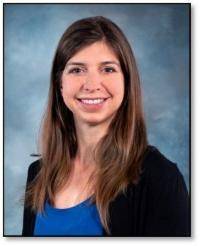 Vanessa Cameron works for Vanderbilt University Medical Center in Nursing Education & Professional Development. She is also attending George Washington University and progressing towards a PhD in Nursing with an emphasis on ableism in nursing. After becoming disabled in April 2021, Vanessa’s worldview and perspective changed, and a recognition of the ableism present within healthcare and within the culture of nursing was apparent. She has been working since that time to provide educational foundations for nurses about disability and ableism, provide support for fellow disabled nursing colleagues, and advocate for the disabled community within healthcare settings to reduce disparities.
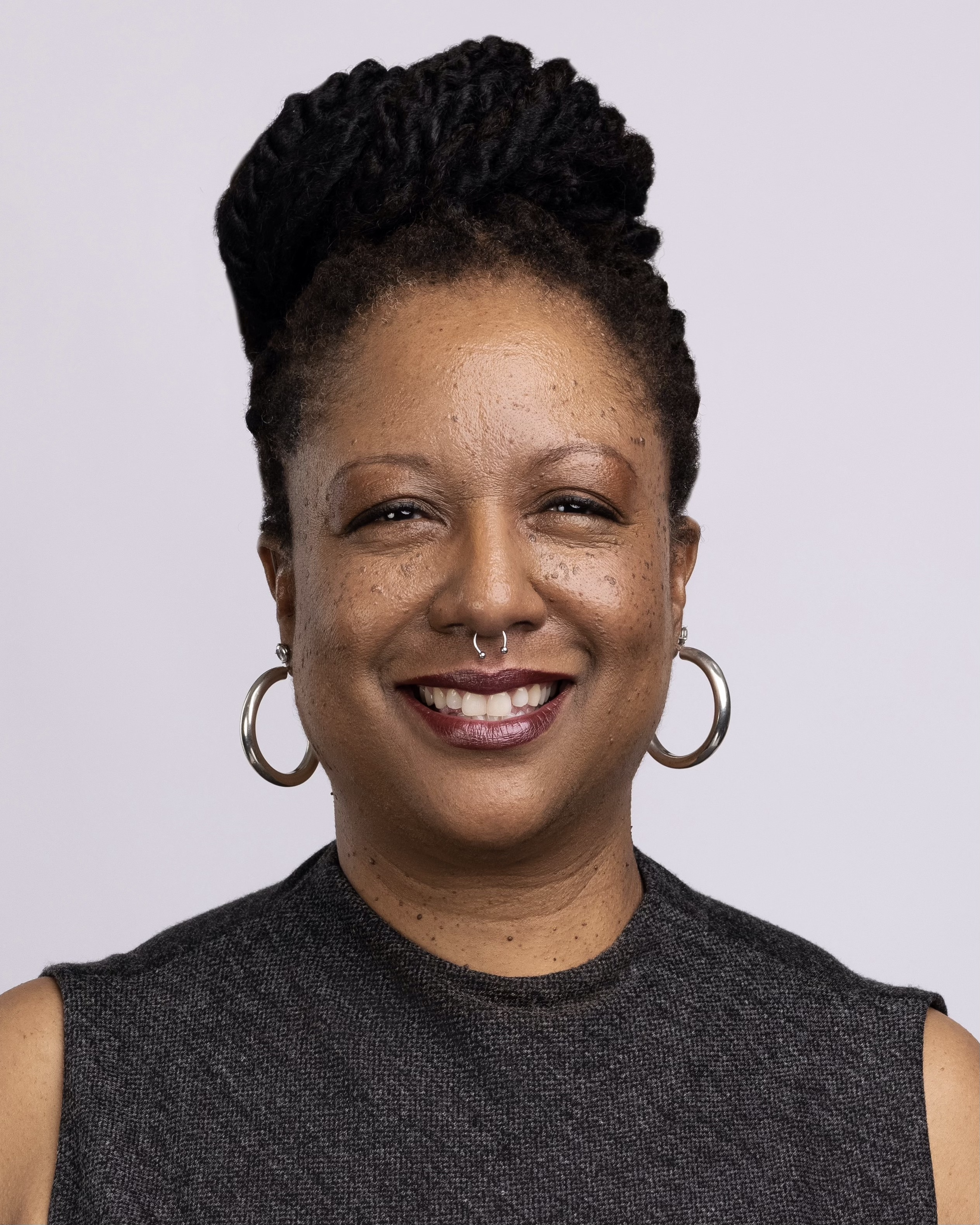 Dr. Lucinda Canty is a certified nurse-midwife, Associate Professor of Nursing, and Director of the Seedworks Health Equity in Nursing Program at the University of Massachusetts Amherst. She earned a bachelor’s degree in nursing from Columbia University, a master’s degree from Yale University, specializing in nurse-midwifery, and a PhD from the University of Connecticut. Dr. Canty has provided reproductive health care for over 29 years. Her research interests include the prevention of maternal mortality and severe maternal morbidity, reducing racial and ethnic health disparities in reproductive health, promoting diversity in nursing, and eliminating racism in nursing and midwifery.
 Dr. Lisa Meeks is a distinguished scholar and leader whose unwavering commitment to inclusivity and excellence has significantly influenced the landscape of health professions education and accessibility. She is the founder and executive director of the DocsWithDisabilities Initiative and holds appointments as an Associate Professor in the Departments of Learning Health Sciences and Family Medicine at the University of Michigan.
 Dr. Nikia Grayson, DNP, MSN, MPH, MA, CNM, FNP-C, FACNM (she/her) is a trailblazing force in reproductive justice, blending her expertise as a public health activist, anthropologist, and family nurse-midwife to champion the rights and health of underserved communities. Graduating with distinction from Howard University, Nikia holds a bachelor’s degree in communications and a master’s degree in public health. Her academic journey also led her to the University of Memphis, where she earned a master’s in medical anthropology, and the University of Tennessee, where she achieved both a master’s in nursing and a doctorate in nursing practice. Complementing her extensive education, she completed a post-master’s certificate in midwifery at Frontier Nursing University.


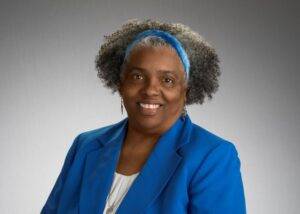
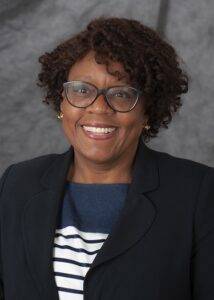




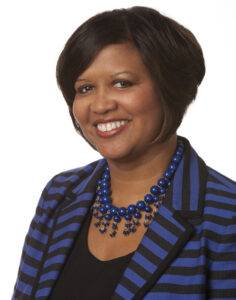 Dr. Tia Brown McNair is the Vice President in the Office of Diversity, Equity, and Student Success and Executive Director for the Truth, Racial Healing, and Transformation (TRHT) Campus Centers at the American Association of Colleges and Universities (AAC&U) in Washington, DC. She oversees both funded projects and AAC&U’s continuing programs on equity, inclusive excellence, high-impact practices, and student success. McNair directs AAC&U’s Summer Institutes on High-Impact Practices and Student Success, and TRHT Campus Centers and serves as the project director for several AAC&U initiatives, including the development of a TRHT-focused campus climate toolkit. She is the lead author of From Equity Talk to Equity Walk: Expanding Practitioner Knowledge for Racial Justice in Higher Education (January 2020) and Becoming a Student-Ready College: A New Culture of Leadership for Student Success (July 2016 and August 2022 Second edition).