At Frontier Nursing University, our faculty and staff take their commitment to students seriously. That’s why we have a variety of resources and services to help students as they journey through their education. We have worked hard over the years to make sure students can enjoy the benefits of a distance-education model while feeling connected to FNU regardless of where they are located. At FNU, we pride ourselves on our community-focused culture of caring.

Here are some of the ways you will stay connected at FNU:
- SAGE Peer Mentoring Network
The SAGE peer mentoring network was designed to provide a supportive organization for students as they adjust academically and emotionally to distance learning. SAGE is not a tutoring service, but instead, an organization to offer encouragement, time management tips, and the like to fellow classmates via social media. Find out more information about SAGE here.
- Diversity Impact Student Organization
All FNU students are invited to apply for the Diversity Impact student organization. Diversity Impact students have access to additional support services beyond what FNU already offers to all students. The Diversity Impact student organization coordinates monthly meetings where students, faculty and staff discuss topics relevant to issues of diversity in nursing and health care, health disparities and current events. Additionally, Diversity Impact students have the opportunity to compete for various funding opportunities including scholarships to national nursing conventions. The Diversity Impact student organization is designed to support underrepresented students and welcomes all students interested in creating a community of inclusion at FNU, in their practice, or in their home community. Diversity Impact is designed to promote diversity in nursing and midwifery. The program accomplishes this by recruiting and retaining underrepresented students with the goal of becoming nurse-midwives or nurse practitioners. For more information visit the Diversity Impact page.
- Student Council
The Student Council is composed of elected student members from each FNU class who agree to act as class representatives. The mission of the Student Council is to help make each FNU student’s experience as positive as possible by promoting good communication among students, faculty and administration.
- Academic Advising
As an FNU student, you will be assigned to an academic advisor at the point of admission. Your academic advisor will work with you from orientation to graduation making sure that you are meeting all degree requirements in a timely fashion and helping you find the support you need while at FNU. Most students meet with their advisor using video chat, which cultivates a more personal connection rather than relying on email communication alone. For more information visit the Advising Page.
- Mentoring in the Classroom
Nearly all courses at FNU are designed to include interaction between faculty and students. This interaction takes place via live and recorded lectures, discussion posts, presentations, and peer-to-peer-group work. Faculty members keep regular office and appointment hours each week, allowing students easy access through phone conversations or online meetings.
- Clinical Search & Credentialing Support
FNU provides support to help students identify clinical sites and preceptors. At the start of the degree, each MSN and Post-Graduate Certificate student is assigned to a Regional Clinical Faculty member (RCF) who provides support and guidance regarding the clinical site search and clinical coursework. When entering the DNP, students are assigned to work with a specific faculty mentor leading up to and during the DNP clinical project. Additionally, students can seek assistance from the Clinical Site Facilitator and participate in clinical Case Days to network with other students in their geographic region. Once a student has a site identified and approved, they will work with a Credentialing Coordinator to complete the necessary credentialing paperwork and process. For more information visit the Credentialing Page.
- Library Services
Whether on campus or off-site, FNU students and faculty always have access to the Alice Whitman Memorial Library, an academic library with a collection of books, journals and audiovisuals. The Library provides access to a large number of online resources including bibliographic and full-text databases, online journals and texts, tutorials and other relevant websites. For more information visit the Library Page.
- Other Opportunities
FNU offers students many other opportunities to be connected to the community of students, alumni, faculty and staff. Here are two more to consider:- FNU hosts a chapter for the Sigma Theta Tau International Honor Society of Nursing.
- FNU has an Open School Chapter with the Institute for Healthcare Improvement (IHI). This is a FREE club for the Frontier community to support each other with activities to address population health, healthcare costs and leadership.



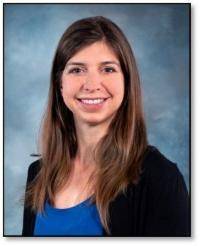 Vanessa Cameron works for Vanderbilt University Medical Center in Nursing Education & Professional Development. She is also attending George Washington University and progressing towards a PhD in Nursing with an emphasis on ableism in nursing. After becoming disabled in April 2021, Vanessa’s worldview and perspective changed, and a recognition of the ableism present within healthcare and within the culture of nursing was apparent. She has been working since that time to provide educational foundations for nurses about disability and ableism, provide support for fellow disabled nursing colleagues, and advocate for the disabled community within healthcare settings to reduce disparities.
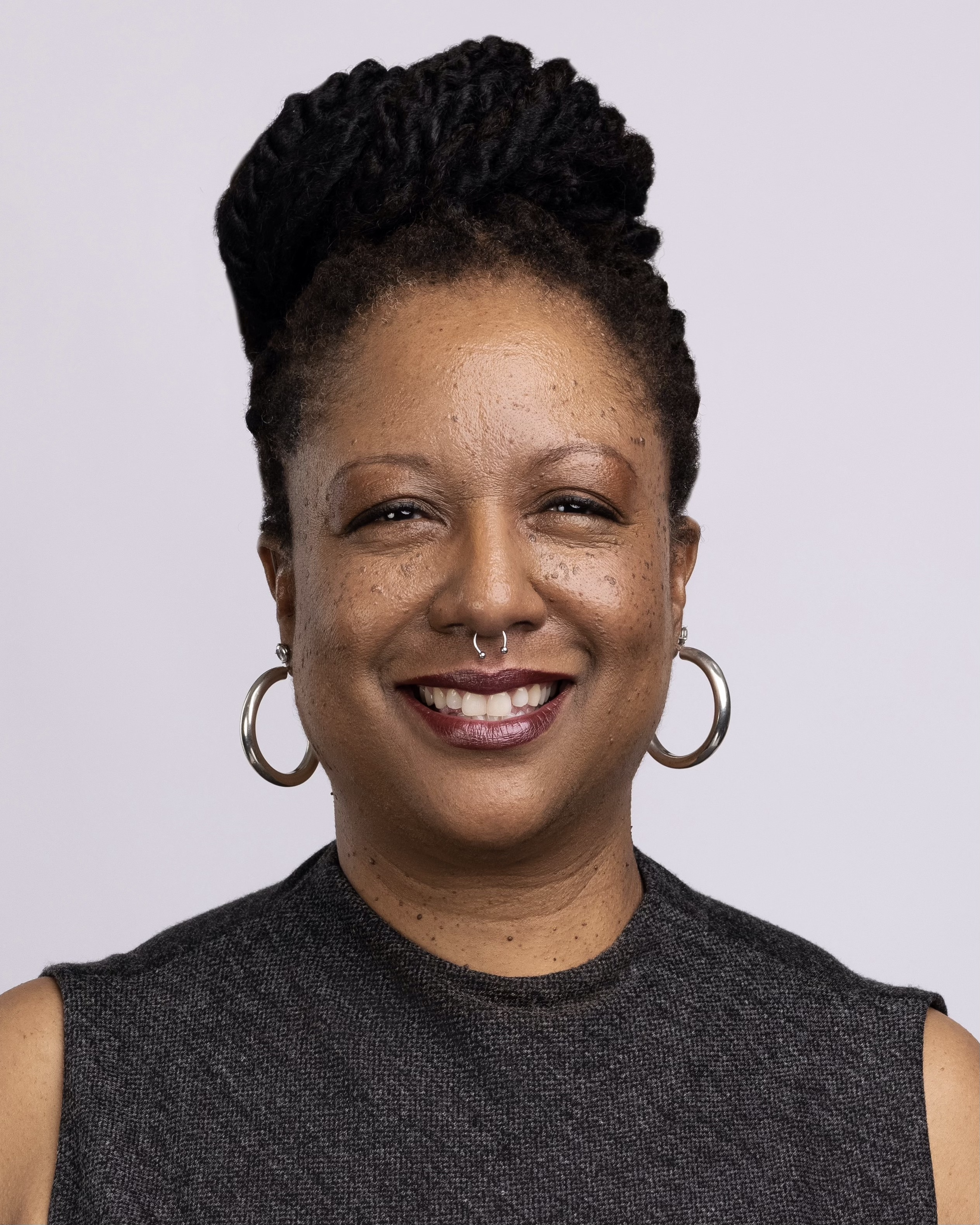 Dr. Lucinda Canty is a certified nurse-midwife, Associate Professor of Nursing, and Director of the Seedworks Health Equity in Nursing Program at the University of Massachusetts Amherst. She earned a bachelor’s degree in nursing from Columbia University, a master’s degree from Yale University, specializing in nurse-midwifery, and a PhD from the University of Connecticut. Dr. Canty has provided reproductive health care for over 29 years. Her research interests include the prevention of maternal mortality and severe maternal morbidity, reducing racial and ethnic health disparities in reproductive health, promoting diversity in nursing, and eliminating racism in nursing and midwifery.
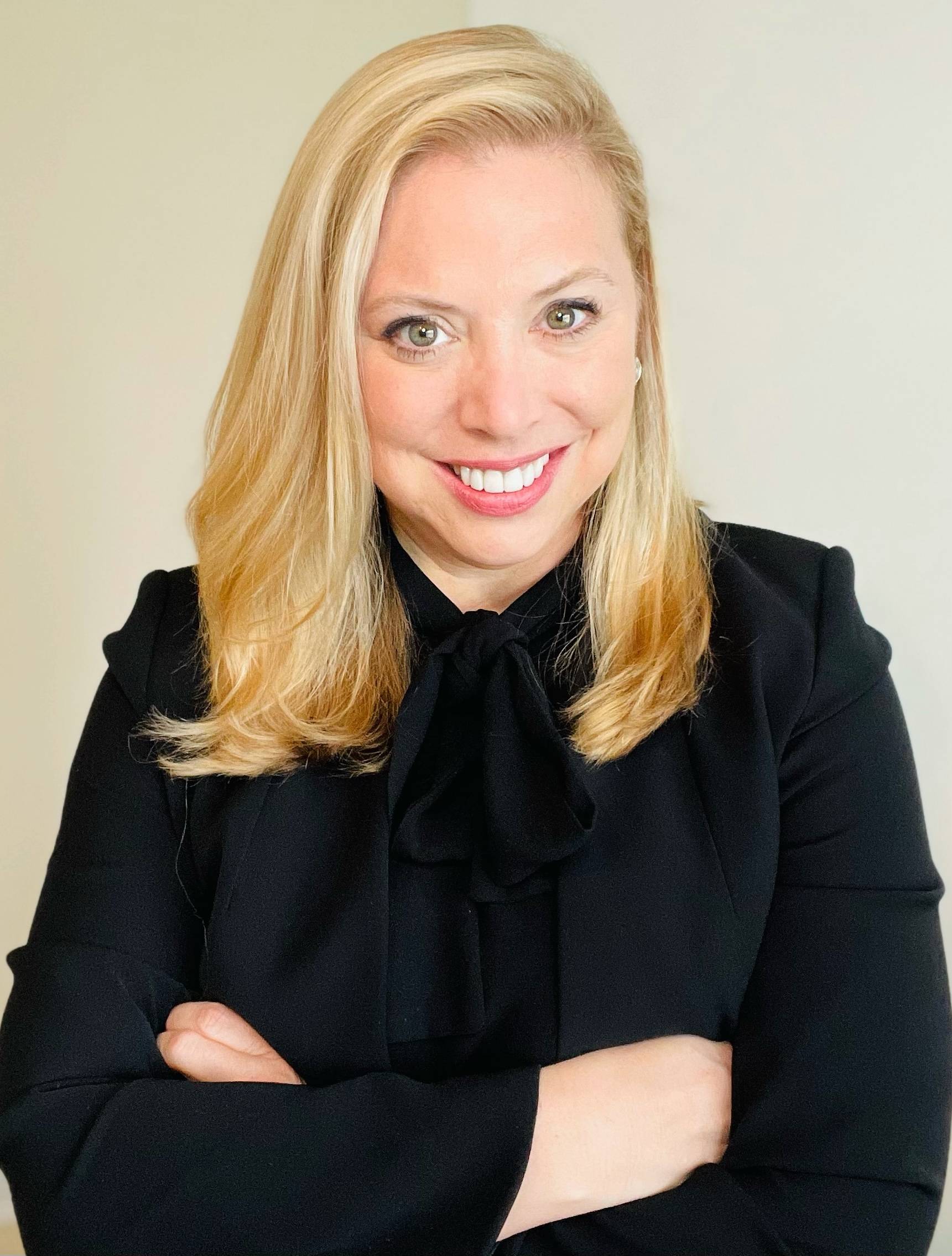 Dr. Lisa Meeks is a distinguished scholar and leader whose unwavering commitment to inclusivity and excellence has significantly influenced the landscape of health professions education and accessibility. She is the founder and executive director of the DocsWithDisabilities Initiative and holds appointments as an Associate Professor in the Departments of Learning Health Sciences and Family Medicine at the University of Michigan.
 Dr. Nikia Grayson, DNP, MSN, MPH, MA, CNM, FNP-C, FACNM (she/her) is a trailblazing force in reproductive justice, blending her expertise as a public health activist, anthropologist, and family nurse-midwife to champion the rights and health of underserved communities. Graduating with distinction from Howard University, Nikia holds a bachelor’s degree in communications and a master’s degree in public health. Her academic journey also led her to the University of Memphis, where she earned a master’s in medical anthropology, and the University of Tennessee, where she achieved both a master’s in nursing and a doctorate in nursing practice. Complementing her extensive education, she completed a post-master’s certificate in midwifery at Frontier Nursing University.
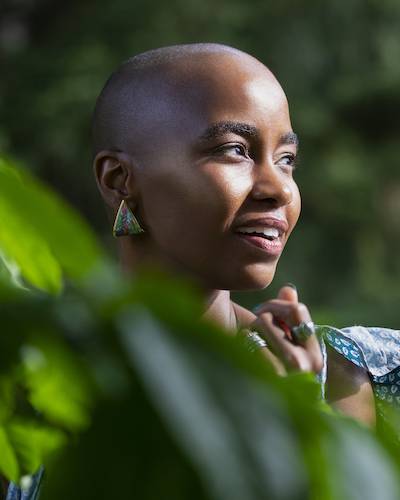
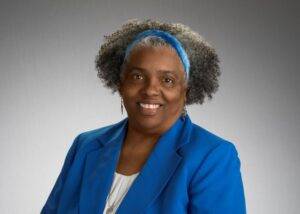
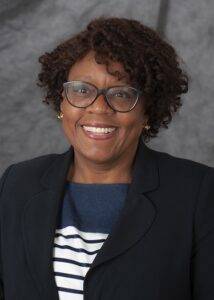
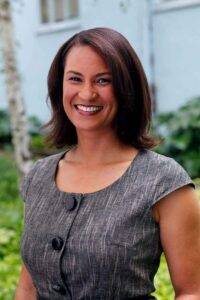

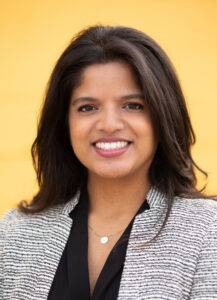

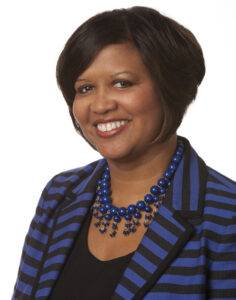 Dr. Tia Brown McNair is the Vice President in the Office of Diversity, Equity, and Student Success and Executive Director for the Truth, Racial Healing, and Transformation (TRHT) Campus Centers at the American Association of Colleges and Universities (AAC&U) in Washington, DC. She oversees both funded projects and AAC&U’s continuing programs on equity, inclusive excellence, high-impact practices, and student success. McNair directs AAC&U’s Summer Institutes on High-Impact Practices and Student Success, and TRHT Campus Centers and serves as the project director for several AAC&U initiatives, including the development of a TRHT-focused campus climate toolkit. She is the lead author of From Equity Talk to Equity Walk: Expanding Practitioner Knowledge for Racial Justice in Higher Education (January 2020) and Becoming a Student-Ready College: A New Culture of Leadership for Student Success (July 2016 and August 2022 Second edition).