
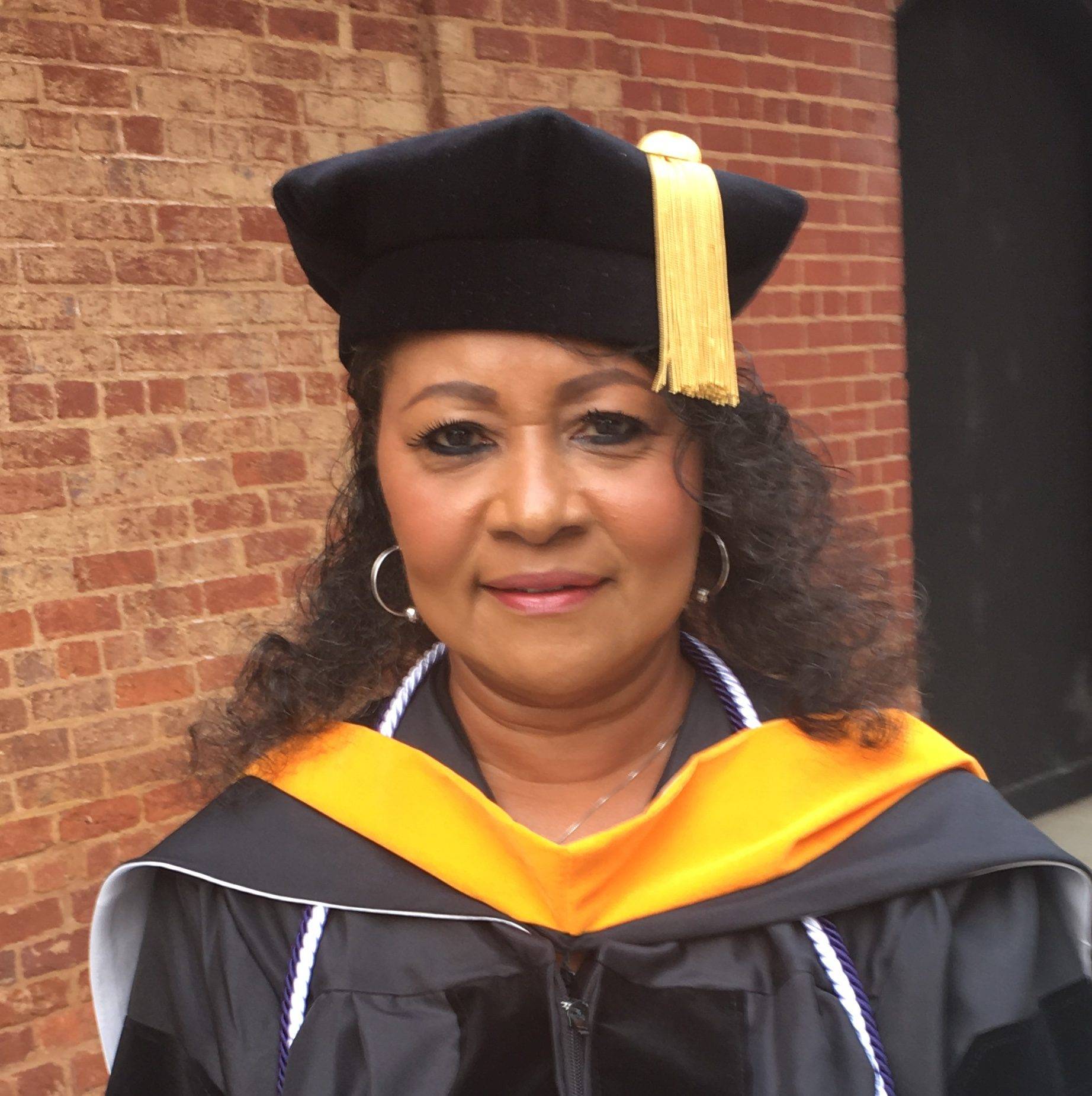
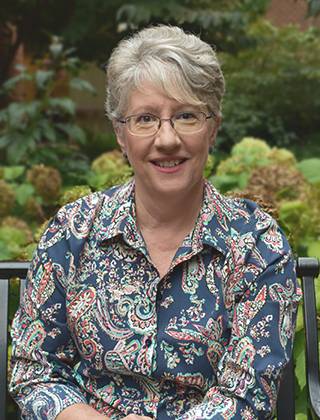
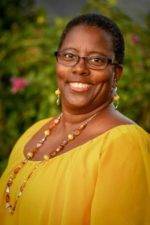
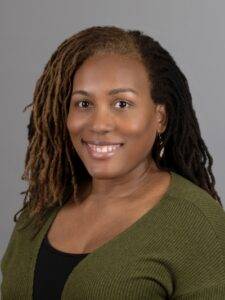
 Janice Macopson, FNP-C, DNP, has worked in healthcare for longer than many Frontier Nursing University (FNU) students have been alive.
For 44 years, Janice has worked in various positions at Carolinas Healthcare System – Blue Ridge, an Atrium Health Hospital in Morganton, N.C. She became a nurse practitioner (NP) in 2001 and began her work at Blue Ridge Cardiology in 2011.
Janice graduated from FNU in June 2019 as a member of the Doctor of Nursing Practice (DNP) class 30. Obtaining her DNP had been a bucket list item for years. She and a friend who was also interested in getting her DNP got together to research potential schools.
“My friend told me about this amazing school in Kentucky. I did some research for myself and read about Mary Breckinridge, and I was just taken in. Coming from rural North Carolina and working with women and children, I felt it was ideal – a perfect match for me.”
After being accepted into FNU’s DNP program, Janice read the required Wide Neighborhoods, Mary Breckinridge’s biography. “I could not put the book down,” she said. “I felt like I was in the trenches with her. It’s almost mystical, when you have a passion for nursing, to read about how passionate she was.”
As a member of a minority population, Janice was also appreciative of FNU’s emphasis on diversity. “I am an African American and I have been very impressed by how hard the school works on inclusion and diversity,” she said.
In her current position at Blue Ridge Cardiology, Janice sees adults with coronary artery disease, cardiac illnesses, and other conditions that put them at high risk for heart failure, heart attack, stroke, diabetes and hypertension.
Janice knows firsthand how difficult it is for diagnosed heart failure patients to understand and manage their condition, so for her DNP project, she implemented the Get With the Guidelines – Heart Failure program into her practice. An American Heart Association program, Get With The Guidelines – Heart Failure is an in-hospital program that promotes consistent adherence to the latest scientific treatment guidelines and has shown success in achieving significant patient outcome improvements.
Janice teamed up with the quality improvement committee at Carolinas Healthcare System – Blue Ridge to implement chart audits and analyze what they could improve upon using the Get With The Guidelines measures. She has been able to take what she learned into Blue Ridge Cardiology and continue to utilize the information she gathered during her project.
Janice’s continuity advisor Khara Jefferson, DNP, APRN, FNP-C, played a major role in Janice’s DNP project. “My weakness was the Internet, YouTube and online classes… it was a challenge for me. Khara was always available to me, answered all my calls and calmly helped me through my planning phase. She was especially patient when it came to helping me through presentations and other things online.”
We are proud of Janice’s commitment to life-long learning! We’re thankful for her efforts to continually improve herself and her practice to offer the highest quality of care.
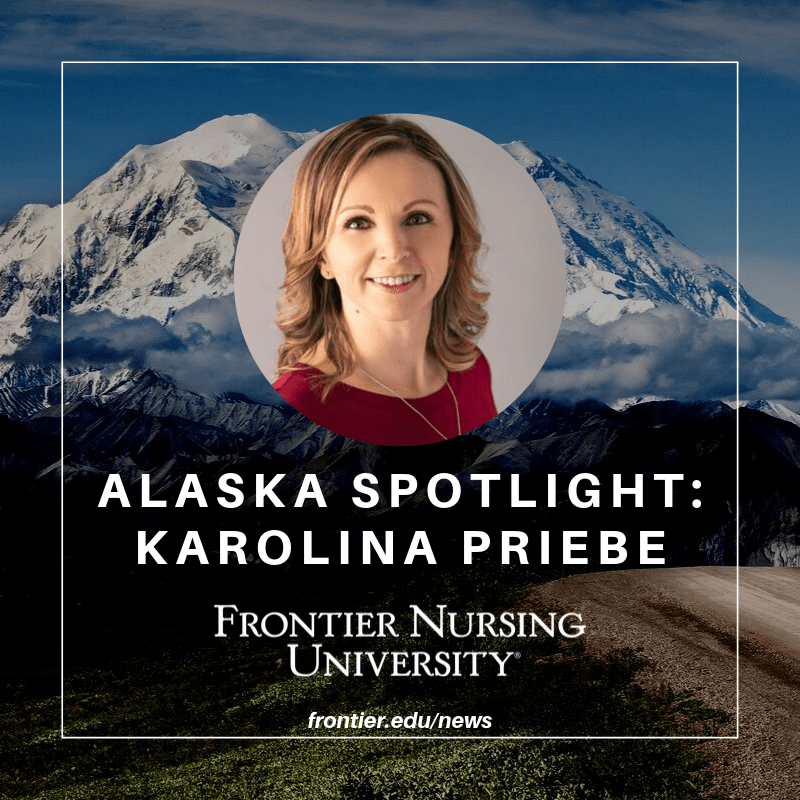
 Karolina Priebe, DNP, ANP, FNP, Class 17 is the final alumna featured in our

 For the Fall 2019 term, Frontier Nursing University (FNU)’s featured preceptor is Ramona Scott, DNP, WHNP.
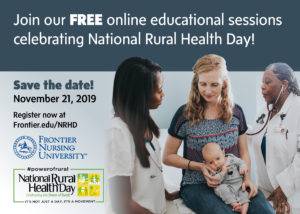 On November 21, 2019, healthcare providers and organizations across the country came together to celebrate National Rural Health Day (NRHD). Organized by the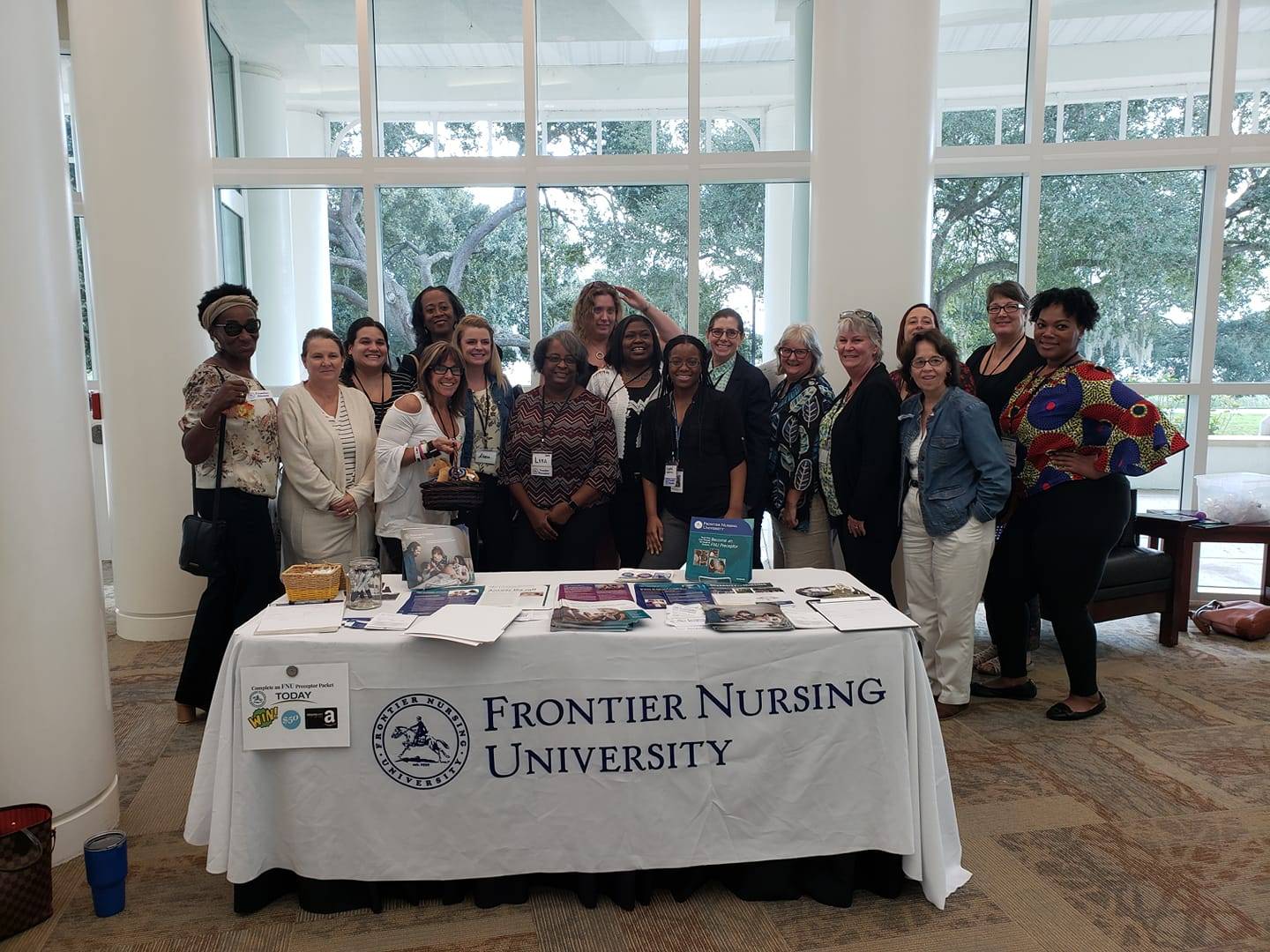
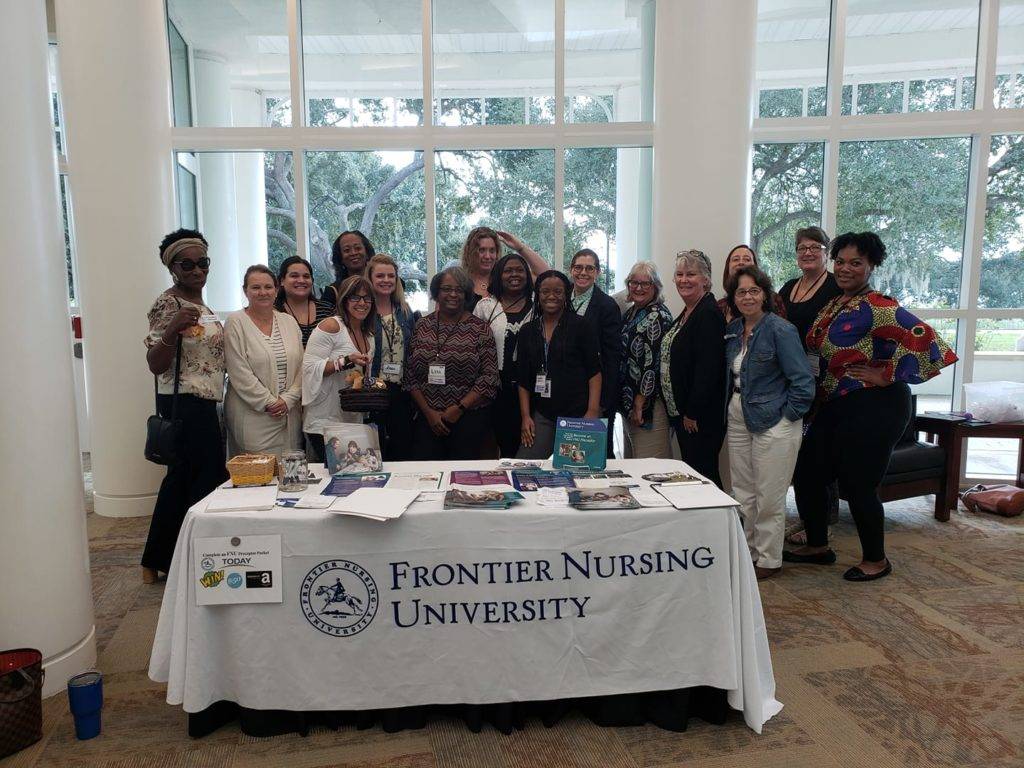 Representatives of Frontier Nursing University (FNU) recently attended the 2019 Florida State Affiliate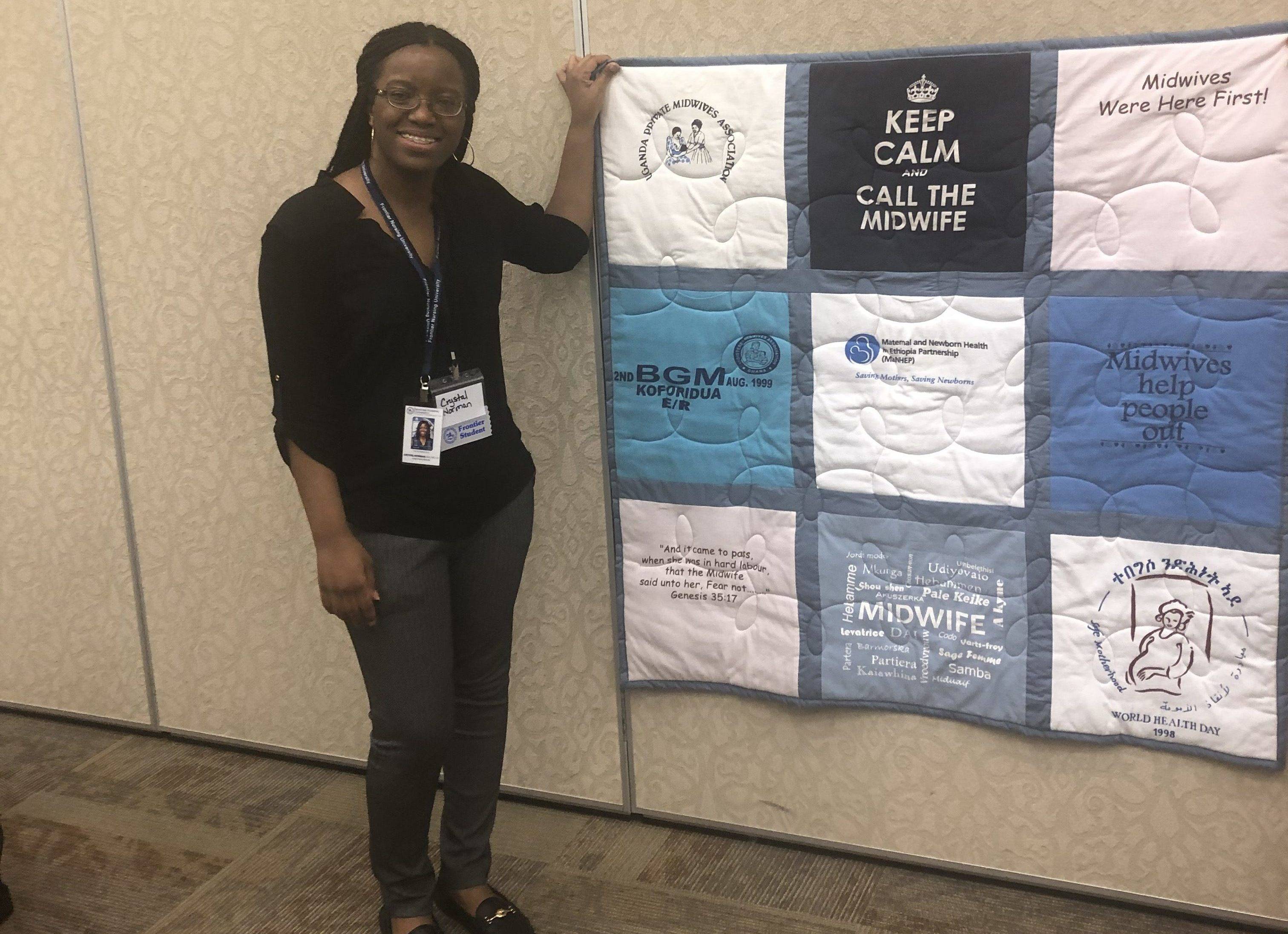
 Since its foundation in 1939, Frontier Nursing University (FNU) has adopted a
 Frontier Nursing University (FNU) celebrated National Nurse Practitioner (NP) Week by hosting a
 Dr. Arterberry was taught the importance of reflection by her mother at a very young age, and she has certainly seen it ring true in her work in health care. In this session, Dr. Arterberry tells us that reflective practice is the foundation of professional development. It makes meaning from experience and transforms insights into practical strategies for personal growth and organizational impact. She emphasized that reflective practice is an active endeavor, not simply thinking about the past. Effective reflection allows leaders to challenge assumptions, review current practices, recognize harmful behaviors, and develop new ways of working. She gives us practical ways to implement critical reflection in our own lives, starting with structured journaling and through dialogue in a group setting.
 In this informative session on post-traumatic stress disorder, Dr. Calohan outlined the new DSM 5 diagnostic criteria implemented in 2014 that categorized PTSD separately from anxiety disorders. He reviewed the physical and psychological symptoms of different forms of PTSD. He told us about emerging neurobiological theories that are influencing new treatment methods, including targeting the endocannaboid system and GABA-B receptors associated with fear extinction. Dr. Calohan reviewed potential evidence-based treatment courses, going into the different options (or lack thereof) in the categories of anti-depressants, antipsychotics, mood stabilizers, benzodiazepines, and hypnotics. He also talked about the importance of sleep for PTSD patients and dove into evidence found in a recent study of the efficacy of Prazosin for trauma nightmares, giving advice on prescribing Prazosin. At the conclusion, Dr. Calohan provides a wealth of tools, external resources, and care models for PTSD patient care.
 Sepsis is deadly with delayed treatment and constitutes the number one hospital cost in America. In this session, Dr. Bray describes a project she instituted in response to concerning results on a survey of sepsis charts in the Tippah County Hospital Emergency Department. The project focused on four main areas: team engagement, patient engagement, sepsis screening, and the sepsis checklist. Dr. Bray reviewed the one-hour bundle for sepsis best practice that was implemented in the project. She discussed the adjustments they made as the project went on to continue to improve sepsis patient care, including simplifying tools, nurse initiated orders, and more effective interventions. The project results exceeded goals in each of the four categories, and Dr. Bray is now working on expanding the project to the Tippah County EMTs.
 In the final session of the week, FNU NP faculty shared with us how each are serving the rural, diverse and underserved in their own communities. Led by Associate Dean of Family Nursing Lisa Chappell, PhD, FNP-BC, the session kicked off with Nena Harris, PhD, FNP-BC, CNM, CNE who talked about integrating a comprehensive case management model of health care to homeless women and children in Charlotte, N.C. Nikita Duke, DNP, PMHNP-BC discussed the need for integrating behavioral access care into the urgent care environment in her Muscle Shoals, Ala. community. Diane John, PhD, APRN, FNP-BC, CNE told us about her work in Miramar, Fla., fostering relationships with community partners and community dwellers, and providing leadership opportunities for nurse practitioners.
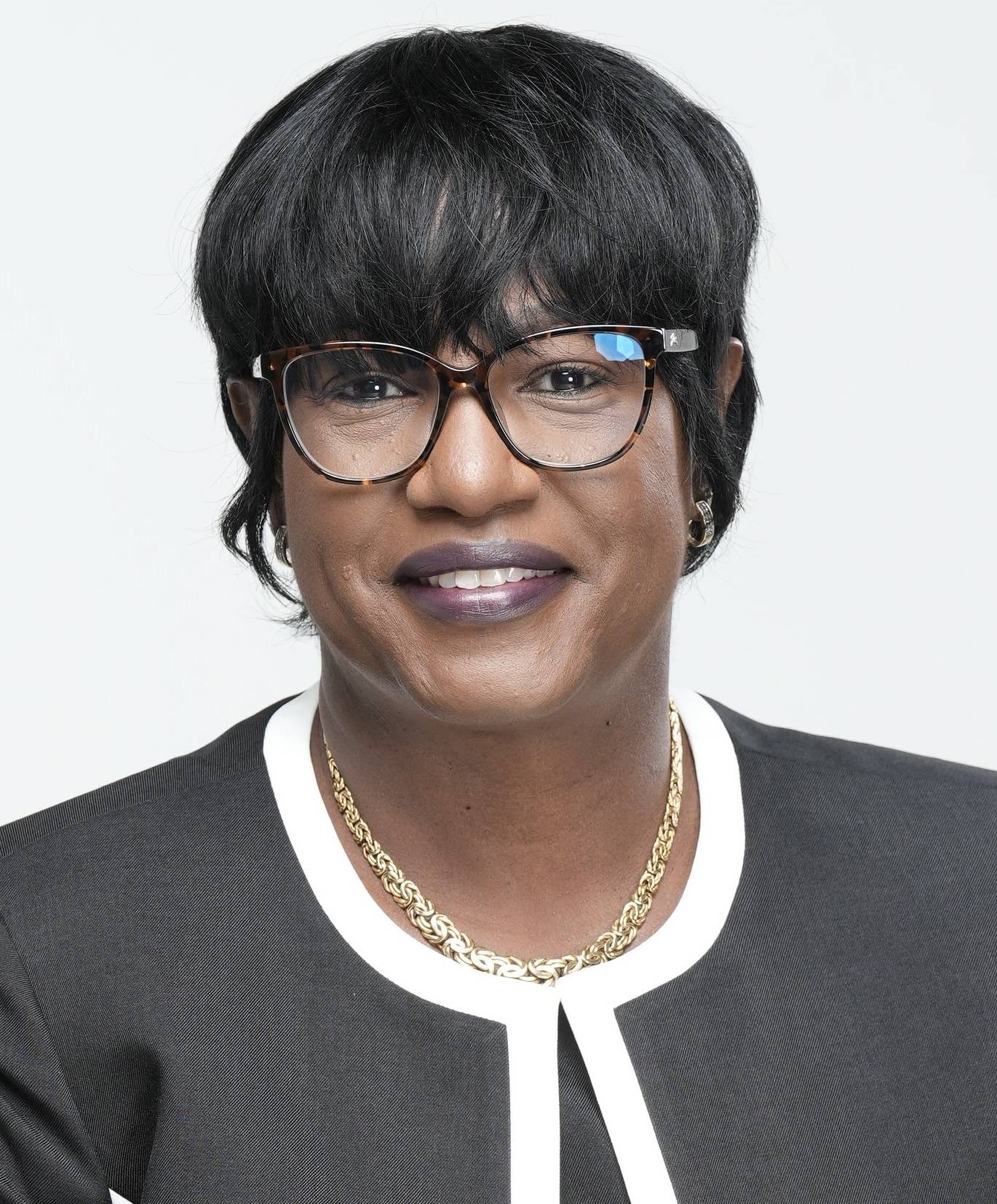

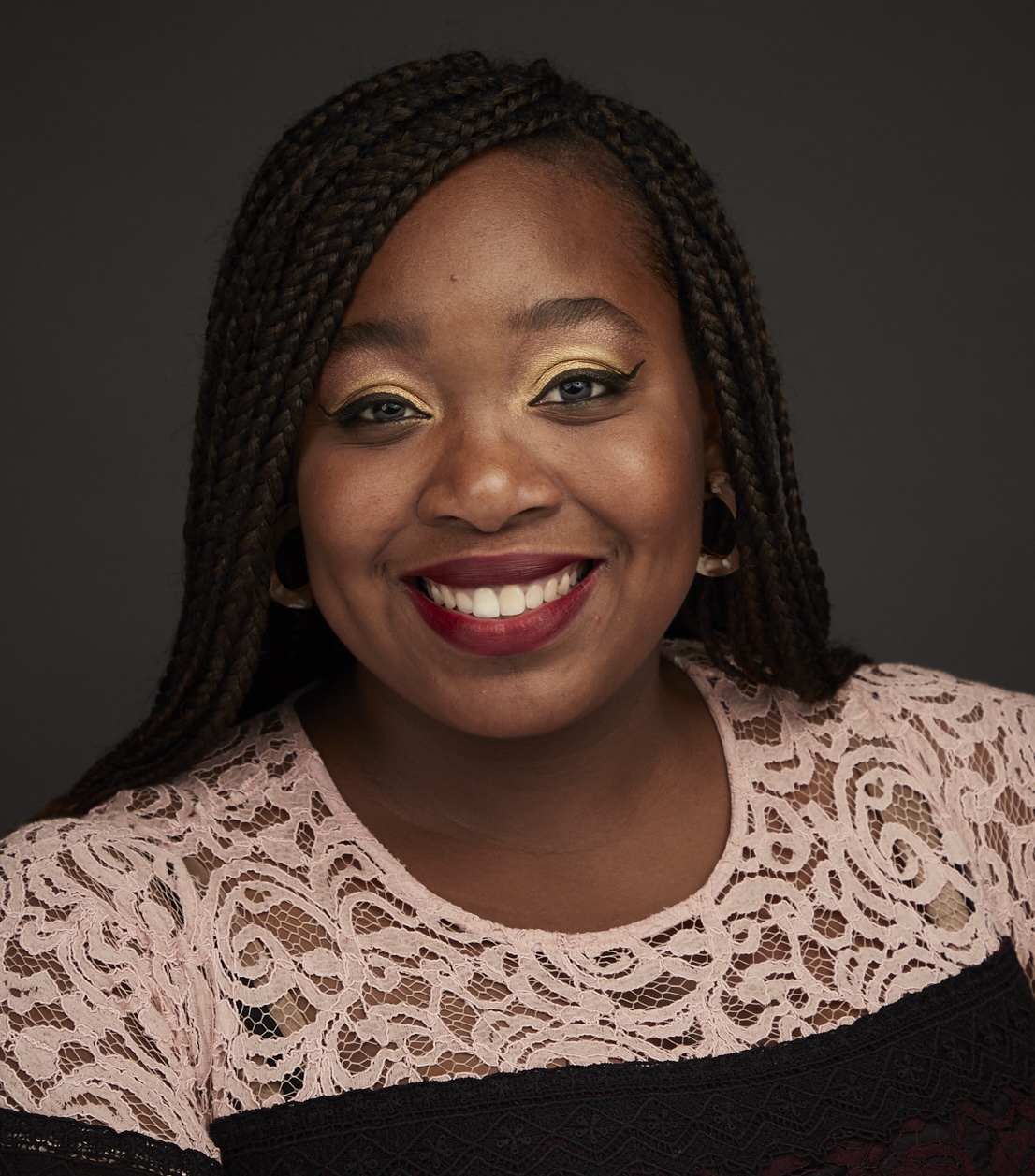

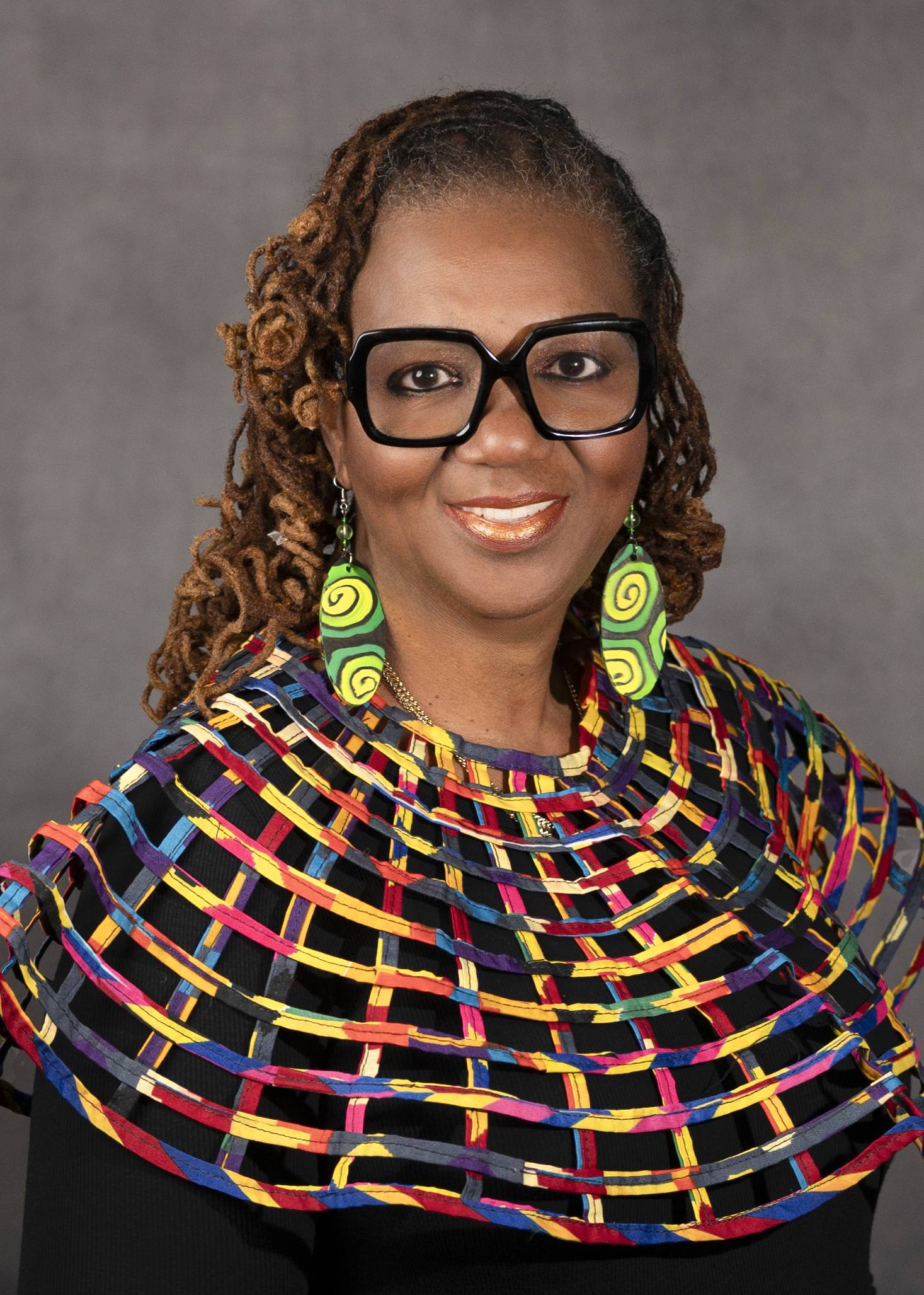
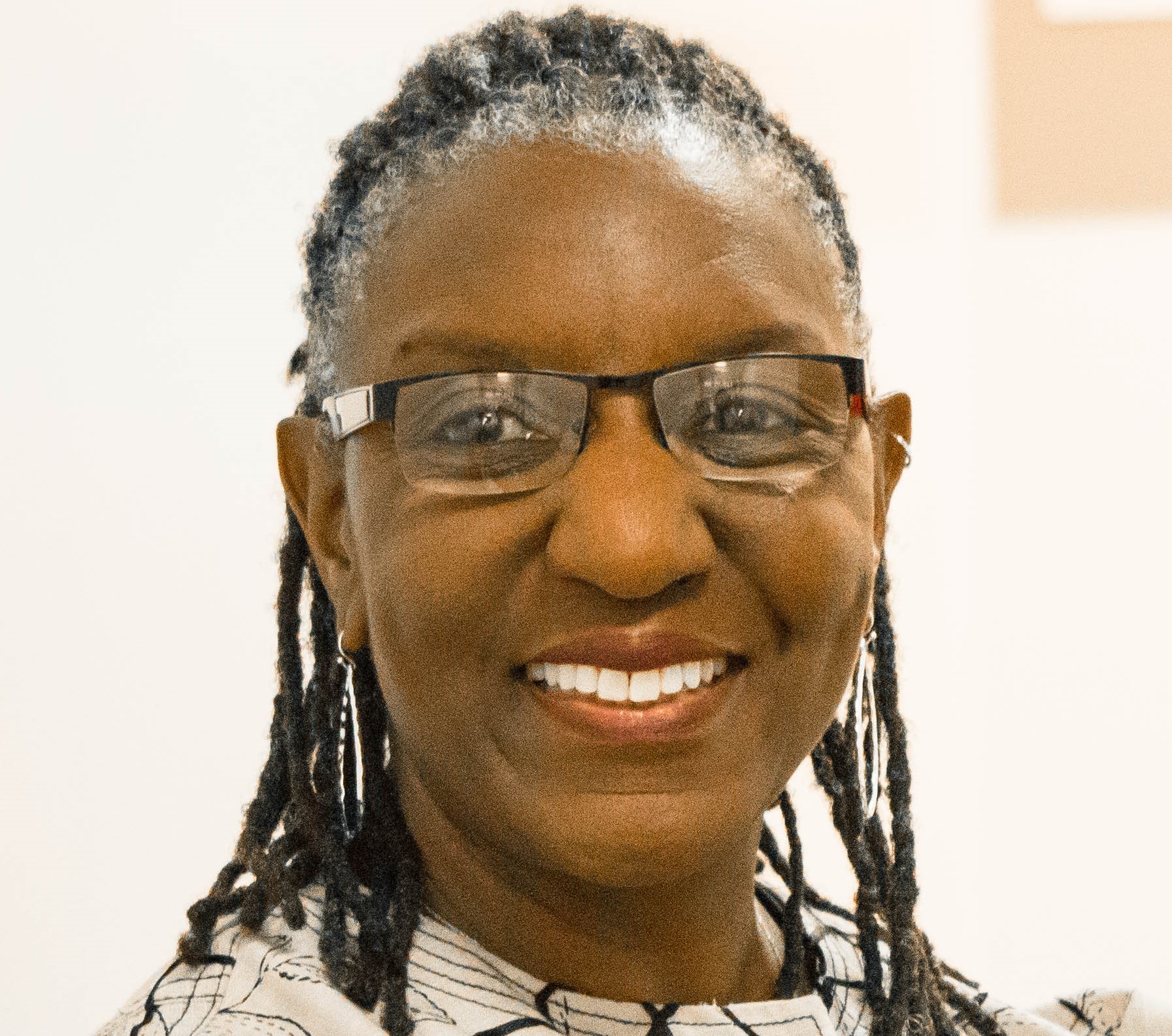
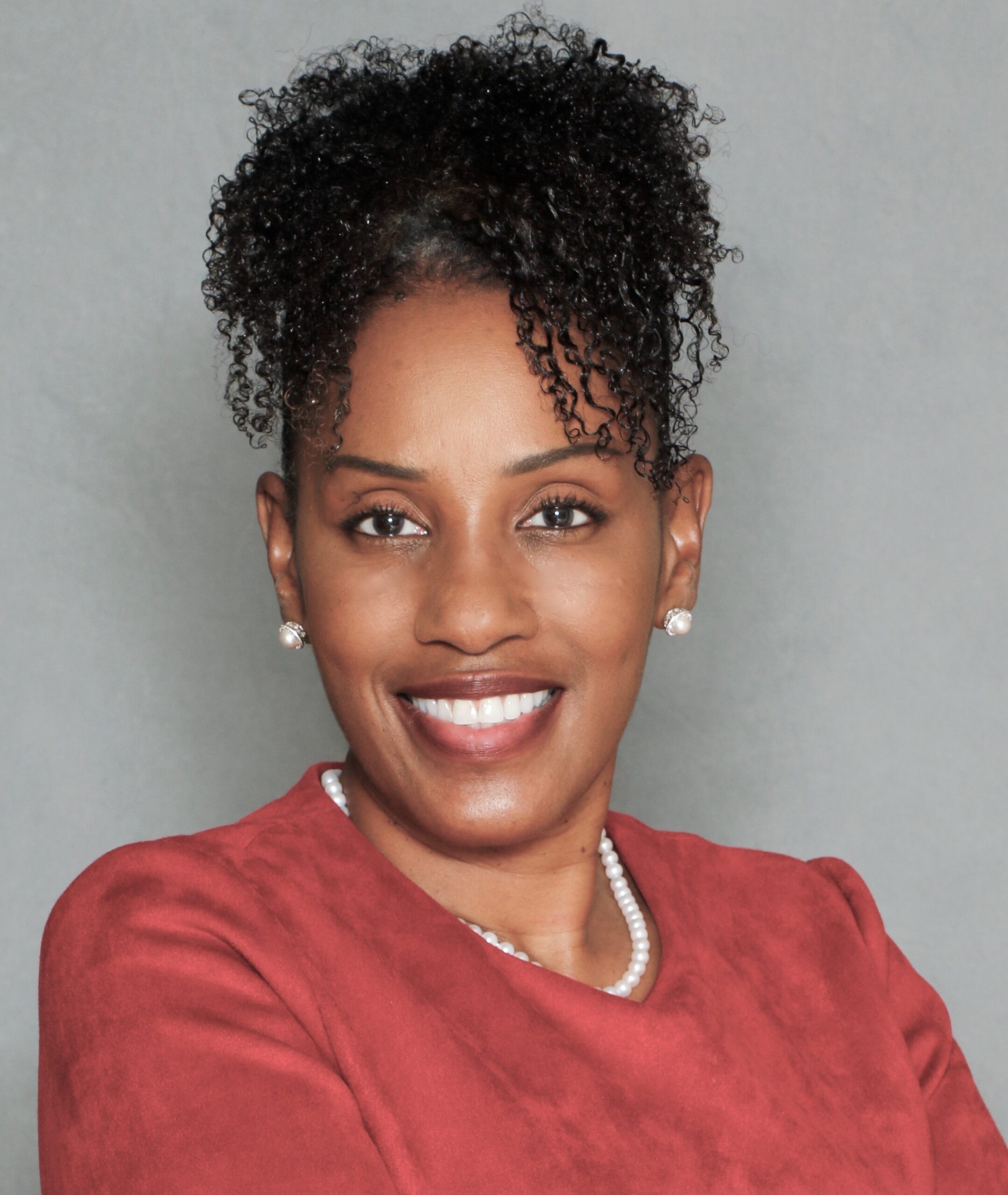
 Carrie Belin is an experienced board-certified Family Nurse Practitioner and a graduate of the Johns Hopkins DNP program, Johns Hopkins Bloomberg School of Public Health, Georgetown University School of Nursing, and Johns Hopkins School of Nursing. She has also completed fellowships at Georgetown and the University of California Irvine.
 Angie has been a full-scope midwife since 2009. She has experience in various birth settings including home, hospital, and birth centers. She is committed to integrating the midwifery model of care in the US. She completed her master’s degree in nurse-midwifery at Frontier Nursing University (FNU) and her Doctorate at Johns Hopkins University. She currently serves as the midwifery clinical faculty at FNU. Angie is motivated by the desire to improve the quality of healthcare and has led quality improvement projects on skin-to-skin implementation, labor induction, and improving transfer of care practices between hospital and community midwives. In 2017, she created a short film on skin-to-skin called
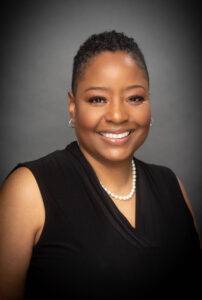
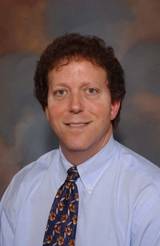
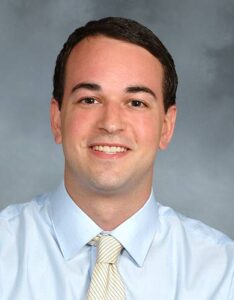
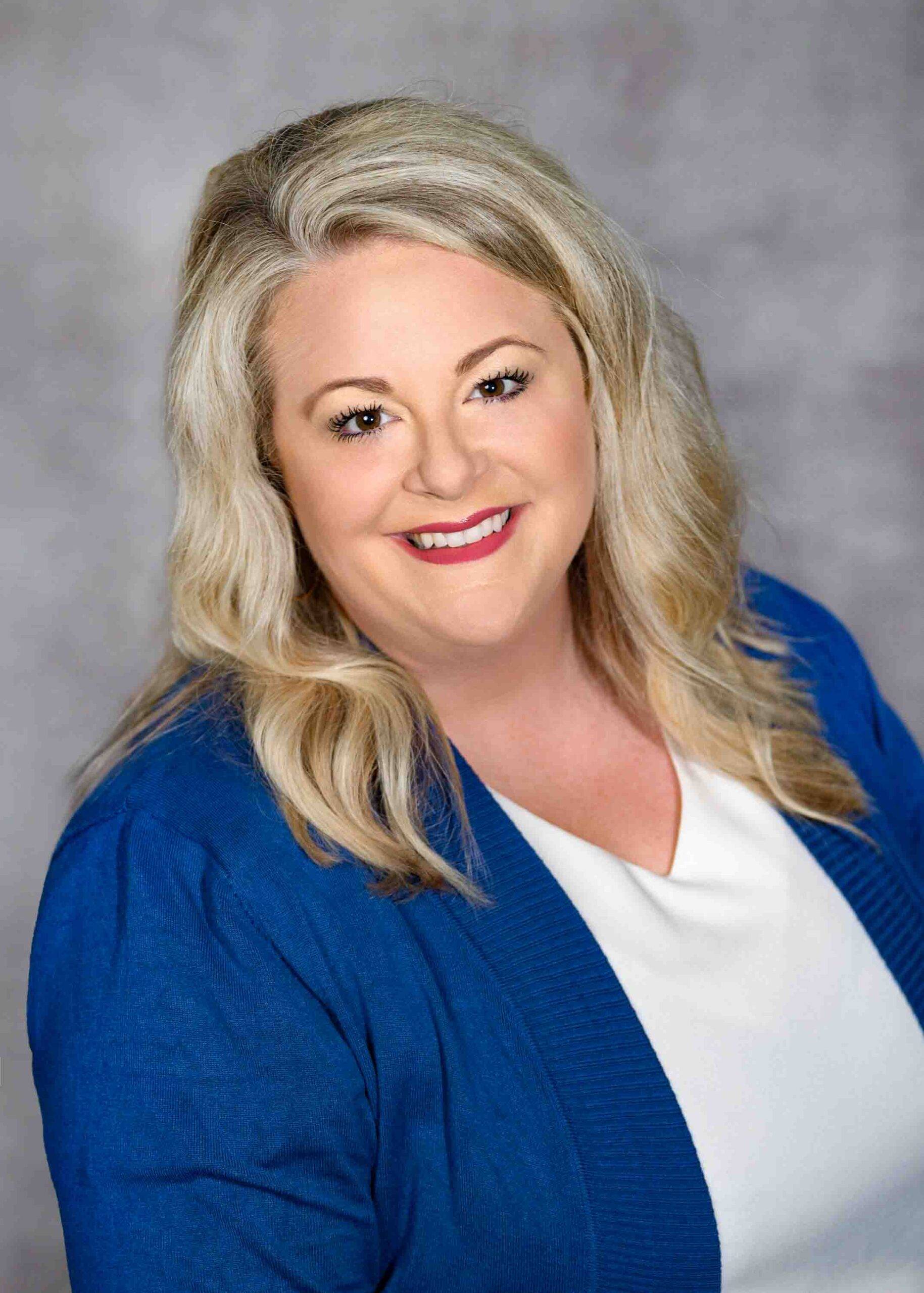
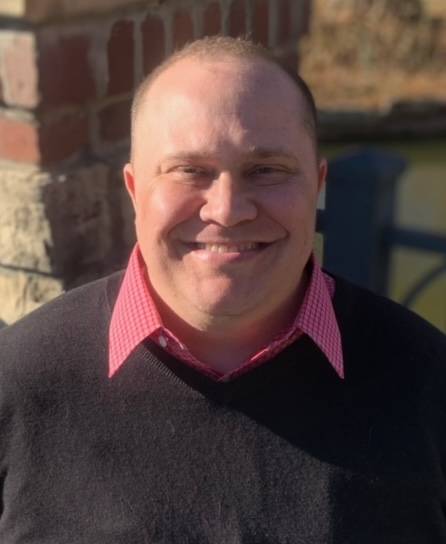 Justin C. Daily, BSN, RN, has ten years of experience in nursing. At the start of his nursing career, Justin worked as a floor nurse on the oncology floor at St. Francis. He then spent two years as the Director of Nursing in a small rural Kansas hospital before returning to St. Francis and the oncology unit. He has been in his current position as the Chemo Nurse Educator for the past four years. He earned an Associate in Nurse from Hutchinson Community College and a Bachelor of Science in Nursing from Bethel College.
 Brandy Jackson serves as the Director of Undergraduate Nursing Programs and Assistant Educator at Wichita State University and Co-Director of Access in Nursing. Brandy is a seasoned educator with over 15 years of experience. Before entering academia, Brandy served in Hospital-based leadership and Critical Care Staff nurse roles. Brandy is passionate about equity in nursing education with a focus on individuals with disabilities. Her current research interests include accommodations of nursing students with disabilities in clinical learning environments and breaking down barriers for historically unrepresented individuals to enter the nursing profession. Brandy is also actively engaged in Interprofessional Education development, creating IPE opportunities for faculty and students at Wichita State. Brandy is an active member of Wichita Women for Good and Soroptimist, with the goal to empower women and girls. Brandy is a TeamSTEPPS master trainer. She received the DASIY Award for Extraordinary Nursing Faculty in 2019 at Wichita State University.
  Dr. Sabrina Ali Jamal-Eddine is an Arab-disabled queer woman of color with a PhD in Nursing and an interdisciplinary certificate in Disability Ethics from the University of Illinois Chicago (UIC). Dr. Jamal-Eddine’s doctoral research explored spoken word poetry as a form of critical narrative pedagogy to educate nursing students about disability, ableism, and disability justice. Dr. Jamal-Eddine now serves as a Postdoctoral Research Associate in UIC’s Department of Disability and Human Development and serves on the Board of Directors of the National Organization of Nurses with Disabilities (NOND). During her doctoral program, Sabrina served as a Summer Fellow at a residential National Endowment of the Humanities (NEH) Summer Institute at Arizona State University (2023), a summer fellow at Andrew W. Mellon’s National Humanities Without Walls program at University of Michigan (2022), a Summer Research Fellow at UC Berkeley’s Othering & Belonging Institute (2021), and an Illinois Leadership Education in Neurodevelopmental and related Disabilities (LEND) trainee (2019-2020).
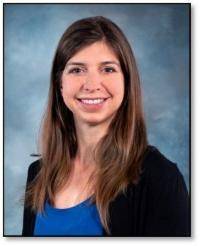 Vanessa Cameron works for Vanderbilt University Medical Center in Nursing Education & Professional Development. She is also attending George Washington University and progressing towards a PhD in Nursing with an emphasis on ableism in nursing. After becoming disabled in April 2021, Vanessa’s worldview and perspective changed, and a recognition of the ableism present within healthcare and within the culture of nursing was apparent. She has been working since that time to provide educational foundations for nurses about disability and ableism, provide support for fellow disabled nursing colleagues, and advocate for the disabled community within healthcare settings to reduce disparities.
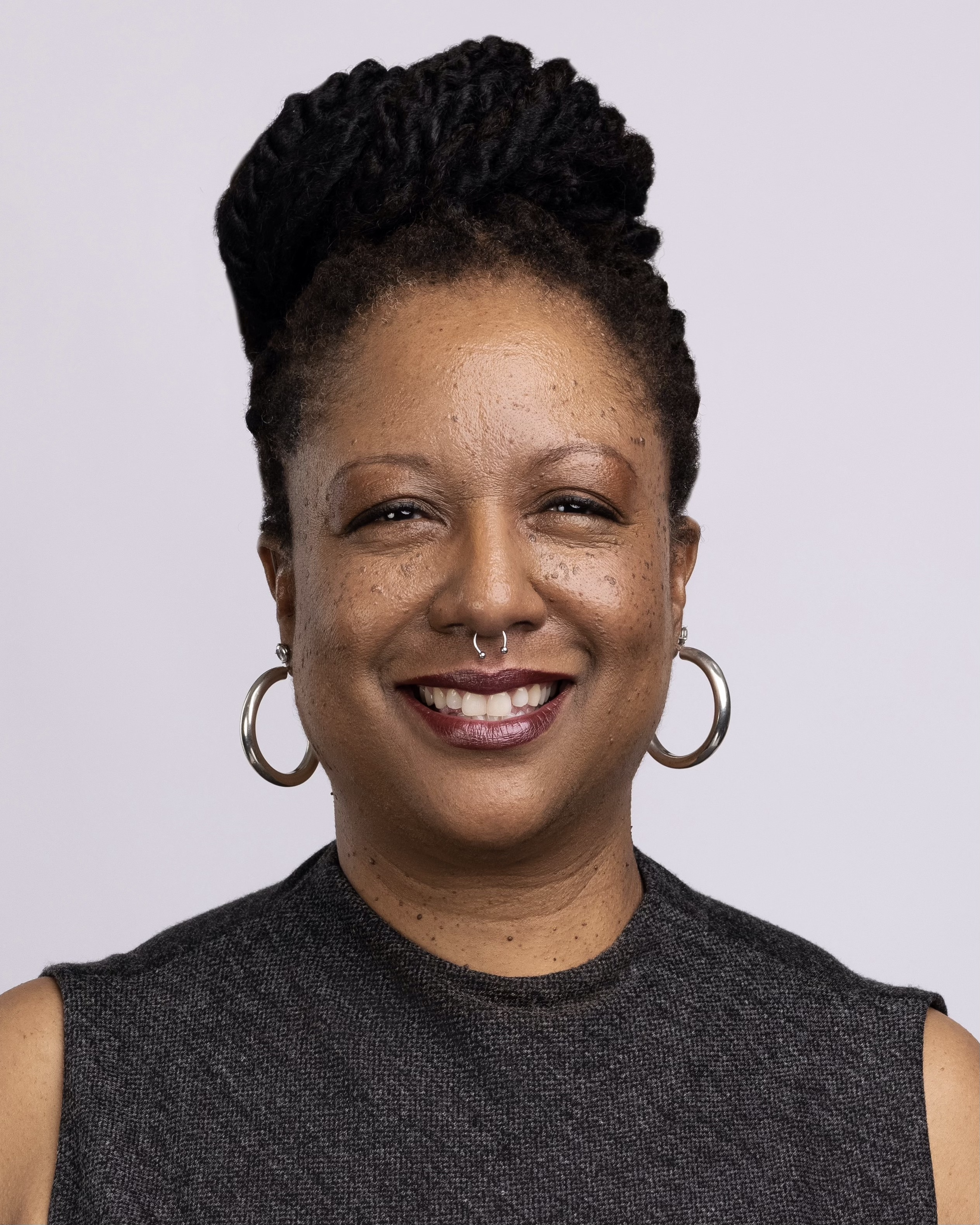 Dr. Lucinda Canty is a certified nurse-midwife, Associate Professor of Nursing, and Director of the Seedworks Health Equity in Nursing Program at the University of Massachusetts Amherst. She earned a bachelor’s degree in nursing from Columbia University, a master’s degree from Yale University, specializing in nurse-midwifery, and a PhD from the University of Connecticut. Dr. Canty has provided reproductive health care for over 29 years. Her research interests include the prevention of maternal mortality and severe maternal morbidity, reducing racial and ethnic health disparities in reproductive health, promoting diversity in nursing, and eliminating racism in nursing and midwifery.
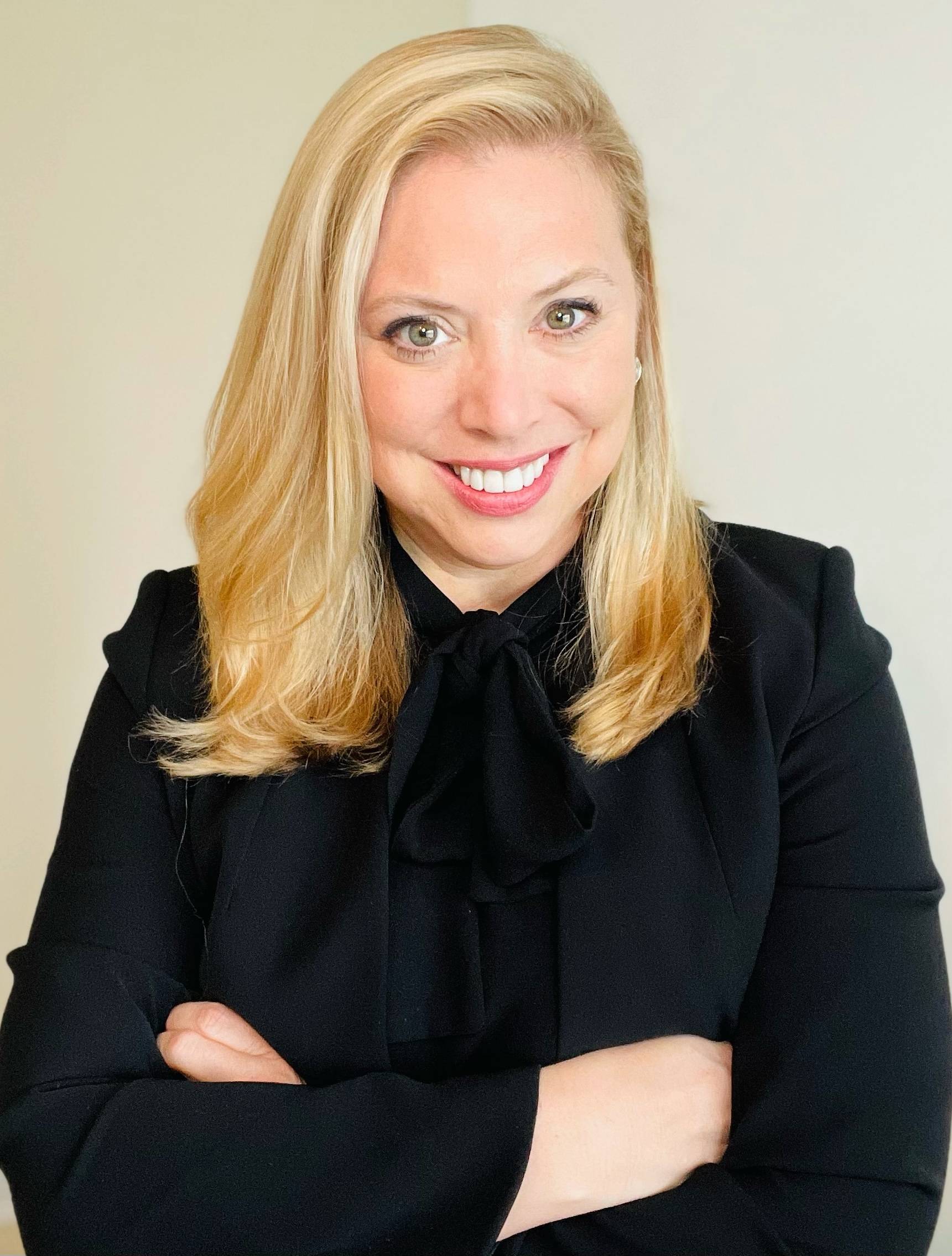 Dr. Lisa Meeks is a distinguished scholar and leader whose unwavering commitment to inclusivity and excellence has significantly influenced the landscape of health professions education and accessibility. She is the founder and executive director of the DocsWithDisabilities Initiative and holds appointments as an Associate Professor in the Departments of Learning Health Sciences and Family Medicine at the University of Michigan.
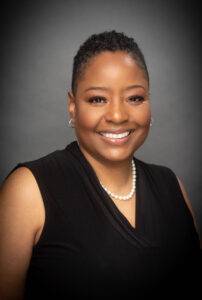 Dr. Nikia Grayson, DNP, MSN, MPH, MA, CNM, FNP-C, FACNM (she/her) is a trailblazing force in reproductive justice, blending her expertise as a public health activist, anthropologist, and family nurse-midwife to champion the rights and health of underserved communities. Graduating with distinction from Howard University, Nikia holds a bachelor’s degree in communications and a master’s degree in public health. Her academic journey also led her to the University of Memphis, where she earned a master’s in medical anthropology, and the University of Tennessee, where she achieved both a master’s in nursing and a doctorate in nursing practice. Complementing her extensive education, she completed a post-master’s certificate in midwifery at Frontier Nursing University.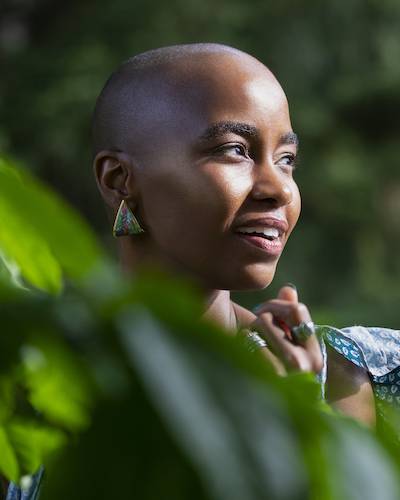
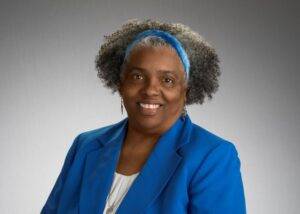


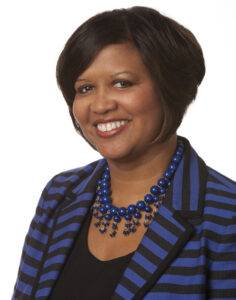 Dr. Tia Brown McNair is the Vice President in the Office of Diversity, Equity, and Student Success and Executive Director for the Truth, Racial Healing, and Transformation (TRHT) Campus Centers at the American Association of Colleges and Universities (AAC&U) in Washington, DC. She oversees both funded projects and AAC&U’s continuing programs on equity, inclusive excellence, high-impact practices, and student success. McNair directs AAC&U’s Summer Institutes on High-Impact Practices and Student Success, and TRHT Campus Centers and serves as the project director for several AAC&U initiatives, including the development of a TRHT-focused campus climate toolkit. She is the lead author of From Equity Talk to Equity Walk: Expanding Practitioner Knowledge for Racial Justice in Higher Education (January 2020) and Becoming a Student-Ready College: A New Culture of Leadership for Student Success (July 2016 and August 2022 Second edition).