
To bring attention to the disparities in maternal mortality rates among Black mothers, Black Maternal Health Week is annually observed from April 11 to 17. Purposefully coinciding with National Minority Health Month, this initiative was established and is spearheaded by the Black Mamas Matter Alliance (BMMA). The mission of the initiative is to deepen the national discourse on Black maternal health in the U.S.; amplify community-driven solutions in policy, research, and care; center the voices of Black mothers, women, families, and stakeholders; provide a national platform for Black-led initiatives on maternal health and reproductive justice; and bolster community organizing efforts on Black maternal health. This year, the theme for the week is “Our Bodies STILL Belong to Us: Reproductive Justice NOW!”
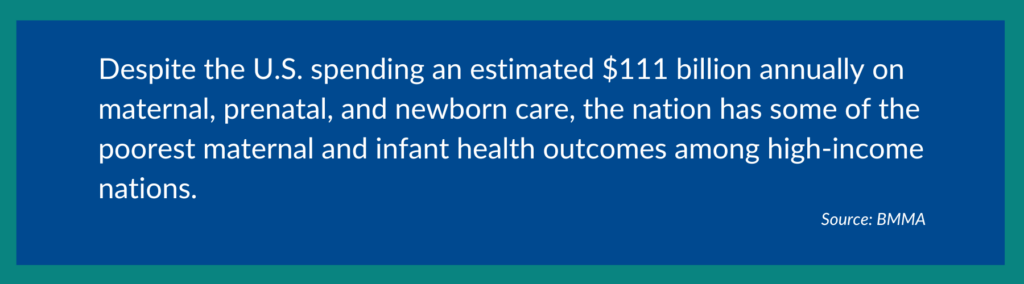
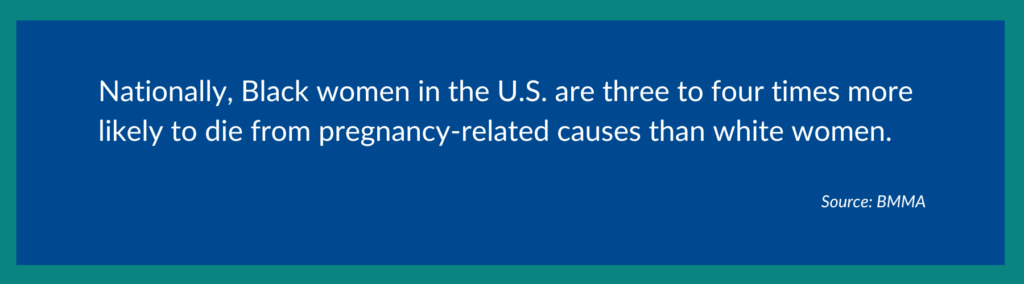
According to a statistical brief by BMMA, despite the U.S. spending an estimated $111 billion annually on maternal, prenatal, and newborn care, the nation has some of the poorest maternal and infant health outcomes among high-income nations. Nationally, Black women in the U.S. are three to four times more likely to die from pregnancy-related causes than white women. Additionally, the brief highlights that 22 percent of Black women experience lower quality of care compared to white women and face discrimination within the healthcare system.
BMMA is actively engaged in advocating for policy changes and community-driven solutions to address these issues. The organization emphasizes the importance of community-led approaches, recognizing that they are essential in improving Black maternal health outcomes as they center the voices and experiences of Black women and their families.
Frontier Nursing University (FNU) recognizes the urgency of addressing this issue and is committed to playing a role in the pursuit of equity for Black mothers.
Below are a few stories illustrating the FNU community’s dedication to addressing the black maternal health crisis.
FNU graduate Triana Boggs
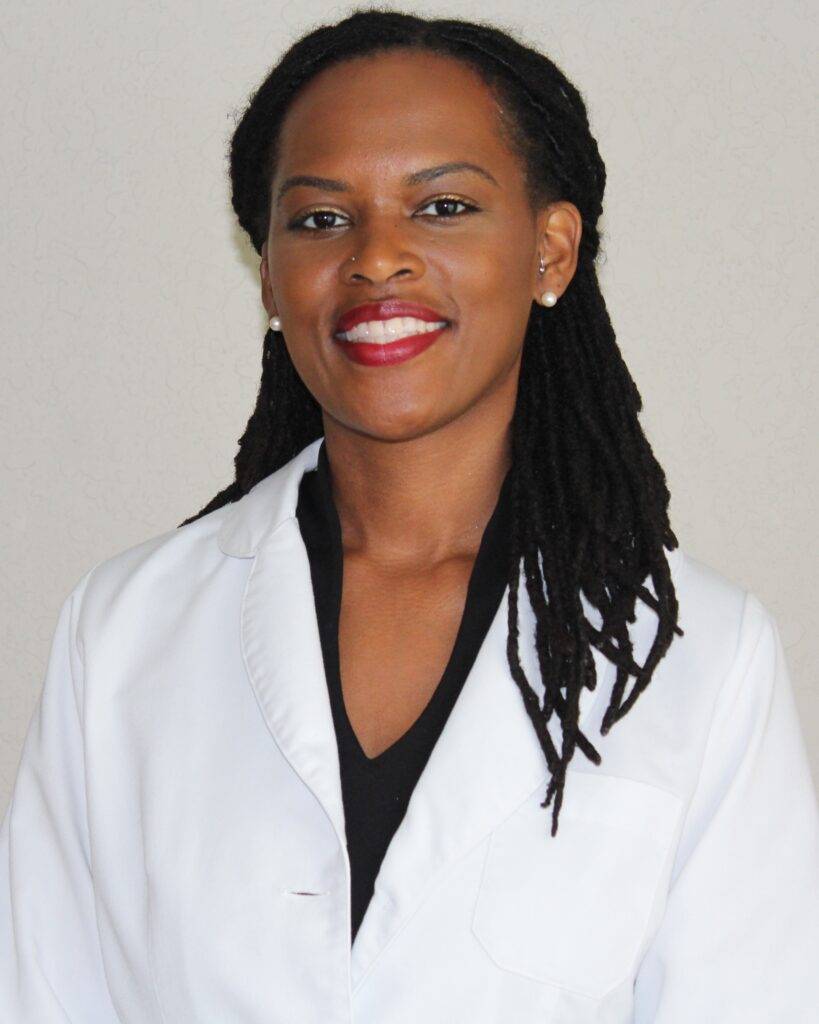
FNU graduate Triana Boggs, APRN, CNM, embarked on her journey to address the pressing needs of her community by founding Motherland Birthing and Wellness LLC in Florida last year. Drawing from her personal experiences as a teen mother and her firsthand encounter with the shortcomings of the U.S. maternity care system, Boggs recognized the pivotal role midwifery could play in transforming birthing experiences. Raised in Bowling Green, Kentucky, in a single-parent household reliant on government assistance, Boggs’ commitment to community service was deeply rooted in her childhood experiences of adversity and need.
After earning her Bachelor of Science in Nursing from the University of Louisville, Boggs spent five years working in a neonatal intensive care unit before pursuing advanced studies at FNU. Graduating in December 2021 with a Master of Science in Nursing and certification as a Nurse-Midwife, Boggs embarked on her mission to empower women through comprehensive healthcare services. As an autonomous licensed APRN in Florida since April 2023, she provides a wide range of women’s health services, including obstetric care, newborn care, and contraceptive counseling, thereby addressing critical gaps in maternal and reproductive healthcare access.
Read more in Alumni Spotlight: Triana Boggs on serving the underserved.
FNU student Jade Potter
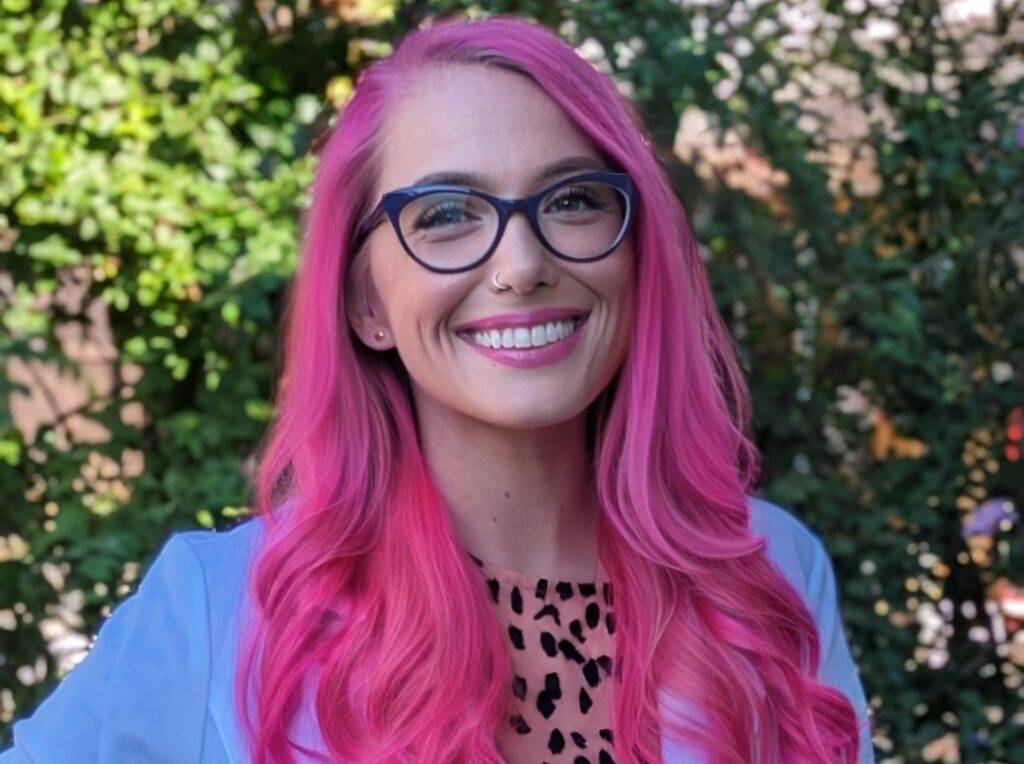
Jade Potter, BSN, RN, IBCLC, PMH-C, epitomizes a steadfast commitment to empowering families and addressing healthcare disparities in underserved communities. Currently pursuing her Master of Science in Nursing (MSN) with a Women’s Health Care Nurse Practitioner specialty (WHNP) at FNU, Potter’s journey began with extensive experience in nursing and lactation consulting. From her early roles at the Lisa Ross Birth and Women’s Center in Knoxville, Tennessee, to her tenure in neonatal intensive care units and hospital-based lactation consultation, Potter’s expertise has been refined through hands-on experience and specialized certifications.
Potter’s independent lactation consulting practice, Milk+Honey Lactation Services, stands as a testament to her dedication to serving diverse urban populations, including those with limited resources. Her approach transcends breastfeeding support to encompass comprehensive postpartum care, mental health advocacy, and inclusivity. Collaborating with organizations like the Knoxville Black Doula Collective and participating in initiatives such as the Knoxville Black Maternal Health Symposium, Potter advocates for equitable access to healthcare.
Driven by a desire to bridge existing gaps in postpartum, gynecological, and gender-affirming healthcare, Potter’s pursuit of advanced nursing education at FNU reflects her commitment to providing competent, inclusive care tailored to diverse needs.
Read more in Student Spotlight: Jade Potter pursues WHNP to bridge the gap in postpartum care in her community.
Diversity, Equity, Inclusion, and Belonging
To attract and educate students dedicated to impactful work in healthcare equity, a university-wide philosophy based on diversity, equity, and inclusion is important. FNU’s commitment to diversity, equity, and inclusion has been a driving force in its mission. Since 2006, under the leadership of President Dr. Susan Stone, DNSc, CNM, FACNM, FAAN, FNU has intentionally prioritized increasing the diversity of its student population. Recognizing the potential for culturally concordant care to significantly reduce healthcare disparities, Dr. Stone, alongside the FNU Board of Directors and faculty, initiated various programs and initiatives aimed at fostering diversity and inclusion within the university.
Establishing the PRIDE (Promoting Recruitment and Retention to Increase Diversity) Program in 2010 marked a pivotal moment in FNU’s commitment to diversity. FNU has been committed to weaving diversity, equity, and inclusion into the fabric of the university, which is evident through the creation of the Office of Diversity, Equity, and Inclusion and the implementation of numerous committees dedicated to fostering an inclusive environment. FNU also recently created the position of Dean for Inclusive Excellence and Student Success. This role involves fully incorporating diversity, equity, and inclusion to promote student success and retention throughout the FNU community. Dr. Paula Alexander-Delpech, Ph.D., PMHNP-BC, APRN, who has experience as FNU’s Chief Diversity and Inclusion Officer (CDIO), serves in the role of Dean for Inclusive Excellence and Student Success.
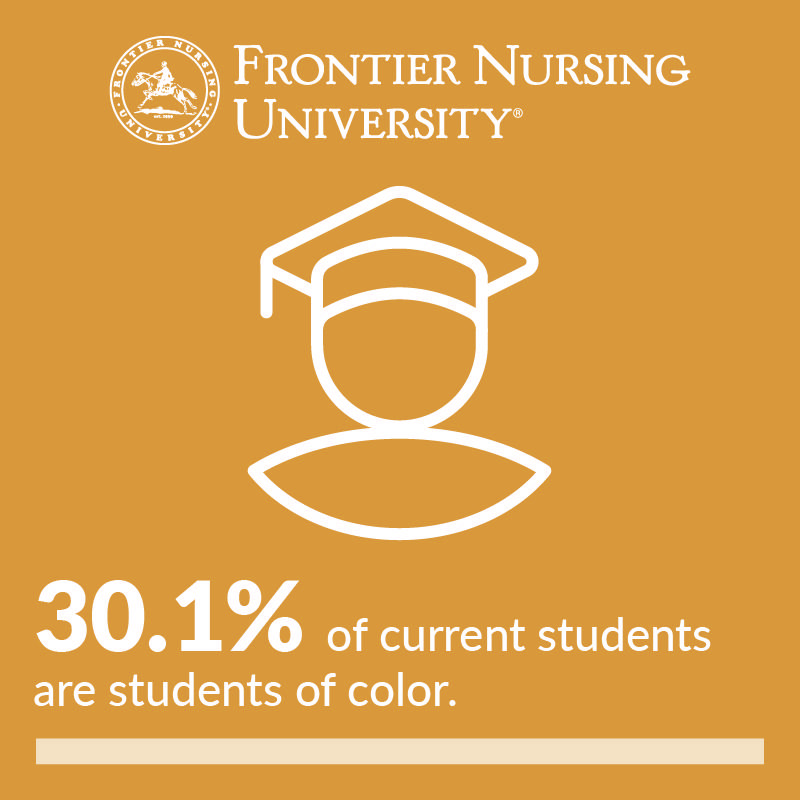
These efforts have culminated in a significant increase in the enrollment of students of color, growing from 9 percent in 2010 to over 30 percent today. FNU has also been awarded the Health Professions Higher Education Excellence in Diversity (HEED) Award from INSIGHT Into Diversity magazine each of the past six years (2018-2023) and the American Association of Colleges of Nursing’s Advancing Diversity, Inclusion, and Sustainability in Academic Nursing Award in 2021 and 2023.
Read more in Spotlight on Diversity, Equity, Inclusion, and Belonging.
Let’s Continue the Conversation
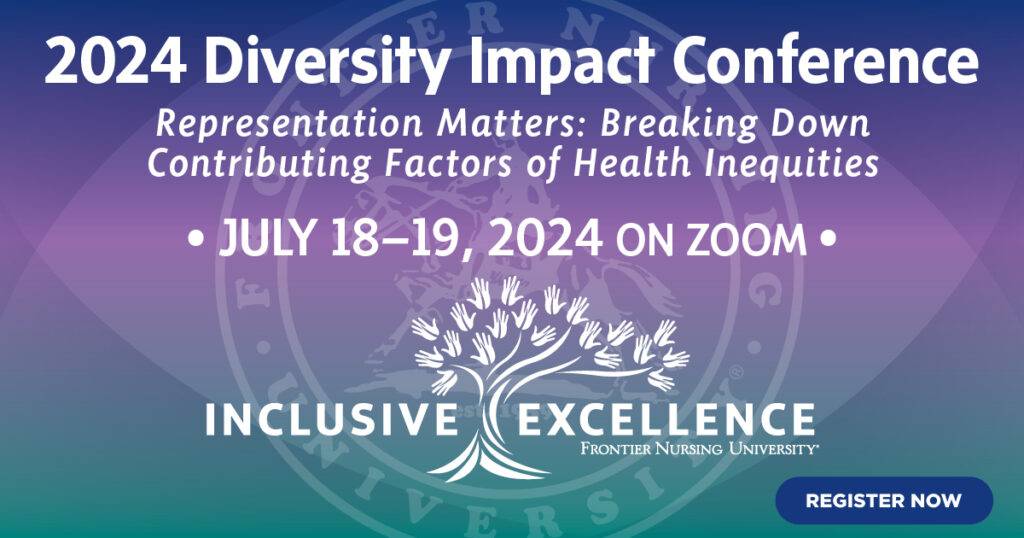
Join us on July 18-19, 2024, for our 14th annual Diversity Impact Conference! The Diversity Impact Conference brings together renowned thought leaders and speakers to increase awareness of the importance of diversity, equity, and inclusion (DEI) in the healthcare workforce, particularly for those working in underserved and rural communities. This year’s conference will feature speakers and panelists from all over the U.S. and several engaging activities. This year’s conference theme is “Representation Matters: Breaking Down Contributing Factors of Health Inequities.”
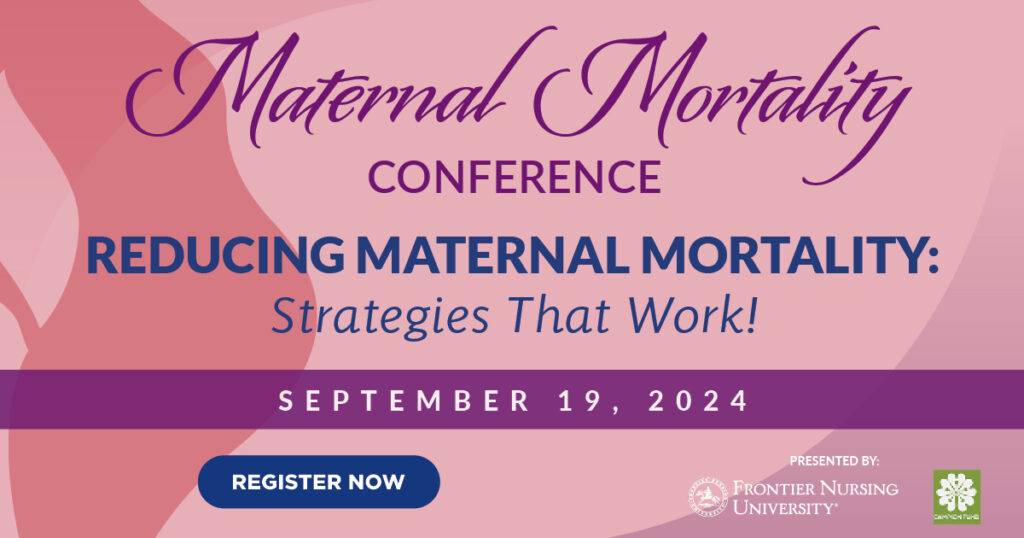
On September 19, 2024, FNU and the Campion Fund are hosting the Reducing Maternal Mortality: Strategies That Work! conference to address the maternal mortality crisis. We know that there are programs in place that are contributing to the reduction of maternal mortality. This conference will focus on identifying and describing those programs and practices that have made significant contributions to reducing maternal mortality rates. Join this evidence-based conference either in person at Frontier Nursing University’s campus or virtually on Zoom. Only 100 spots are available for the in-person conference.
 Tabetha “Jarel” Brown, FNP (Class 91), APRN, CNP, NP-C, always pictured becoming a nurse. She even has the picture to prove it. In third grade, she drew a now-and-then picture. The “now” picture was her as a third grader, and the “then” was her as a nurse. Today, that framed picture hangs in her office at Pinnacle Health Integrative Nurse Practitioners in Poteau, Oklahoma.

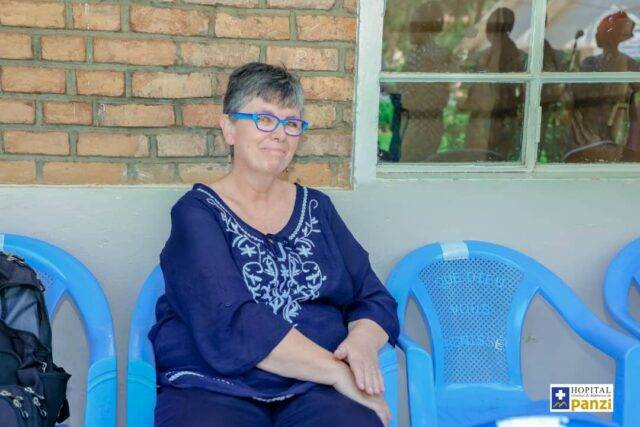 April is National Sexual Assault Awareness Month, a time for advocates, survivors, their loved ones and the community to come together to talk openly about sexual violence to support survivors, increase knowledge and awareness and identify strategies and resources to prevent sexual violence. It also provides an opportunity to highlight the remarkable efforts of those who work with survivors of sexual assault, such as Frontier Nursing University alumnus Connie Smith.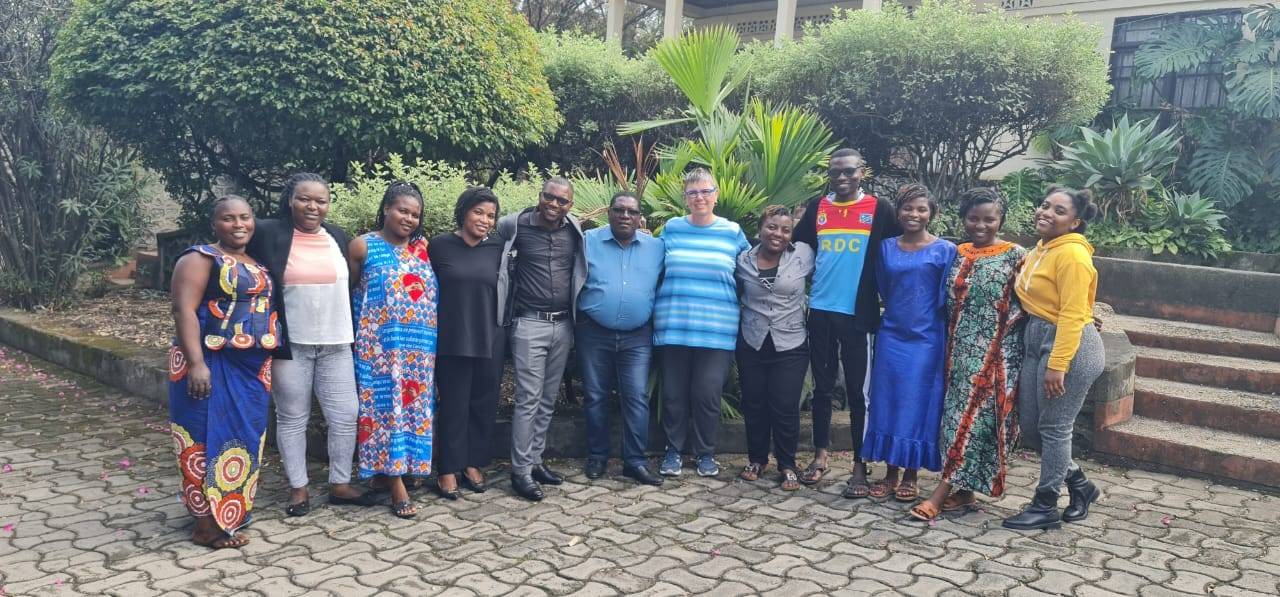

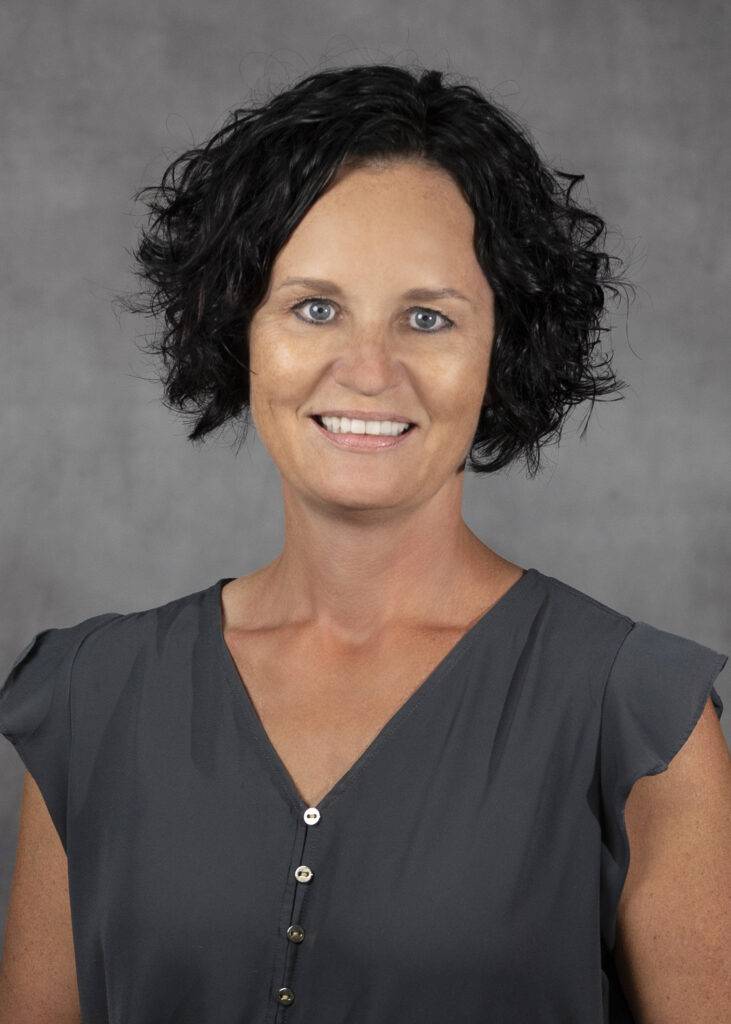

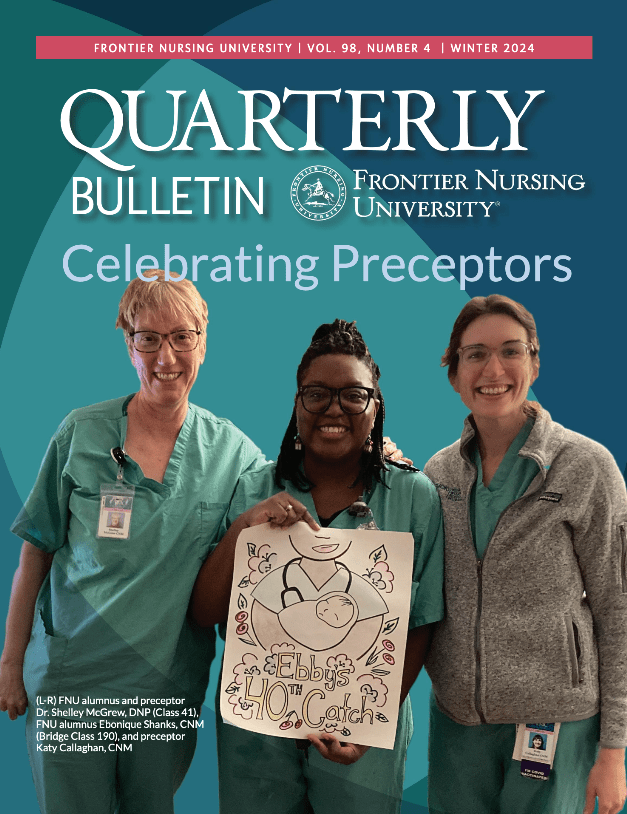

 During FNU’s second annual Day of Giving,
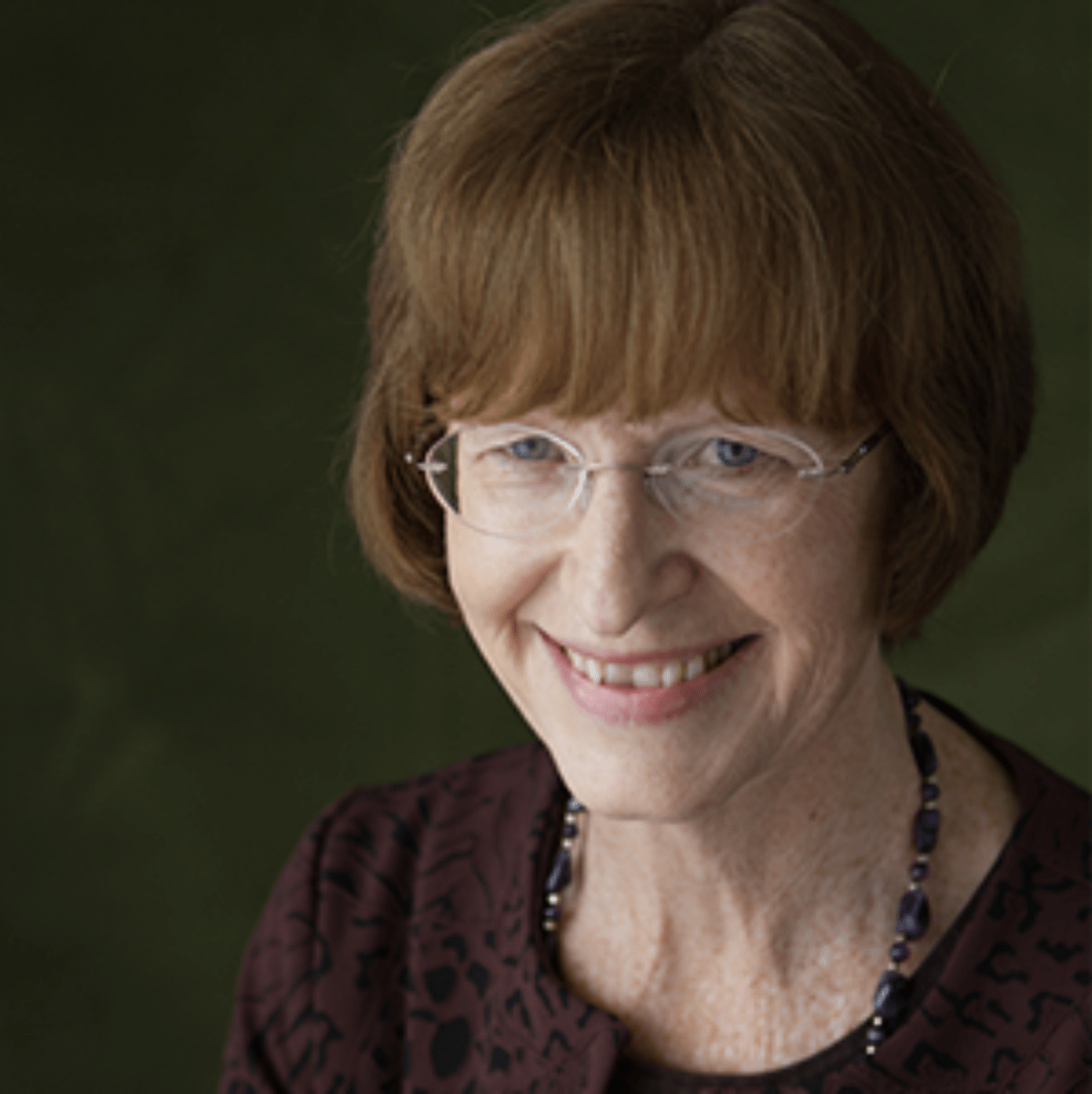


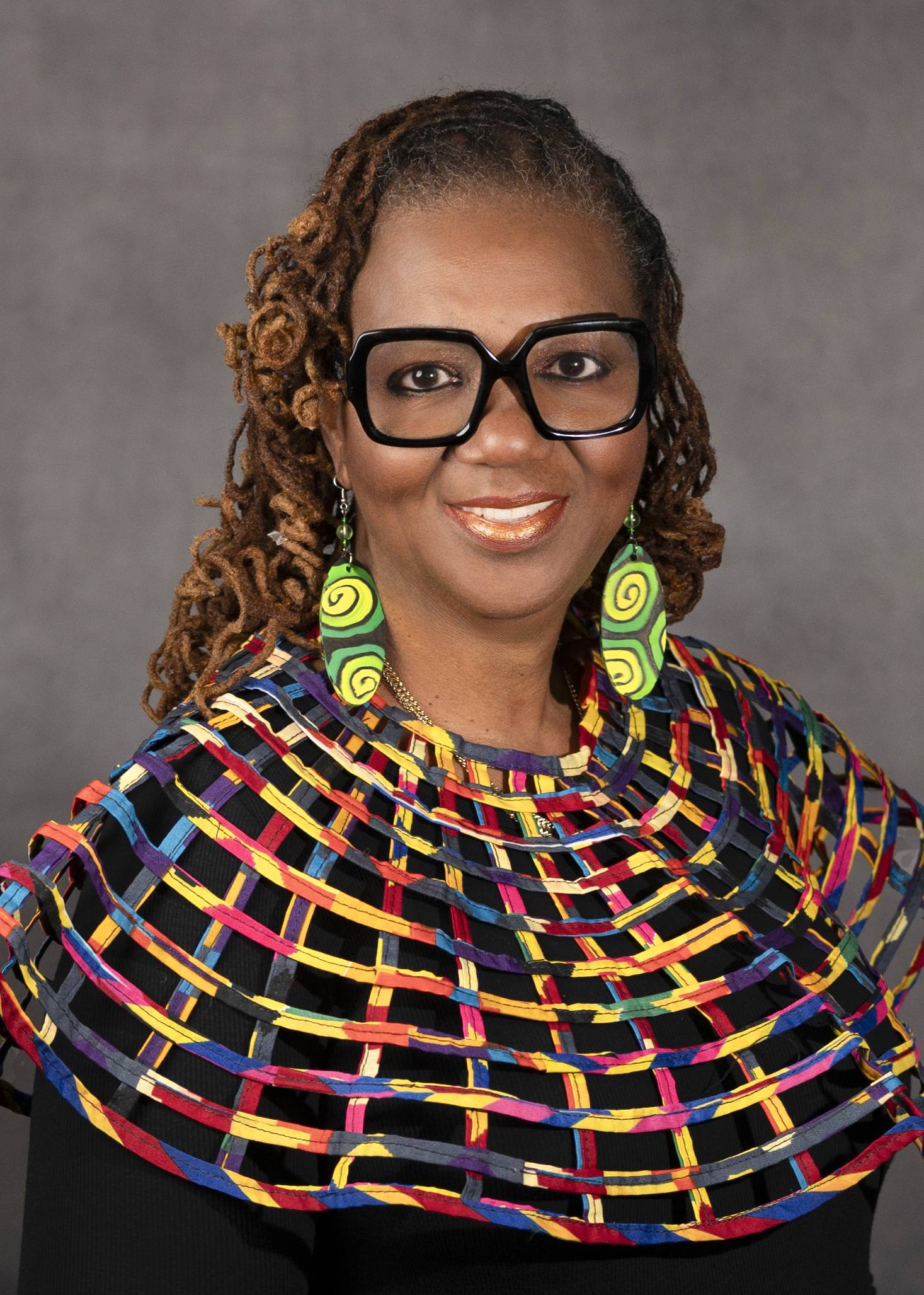
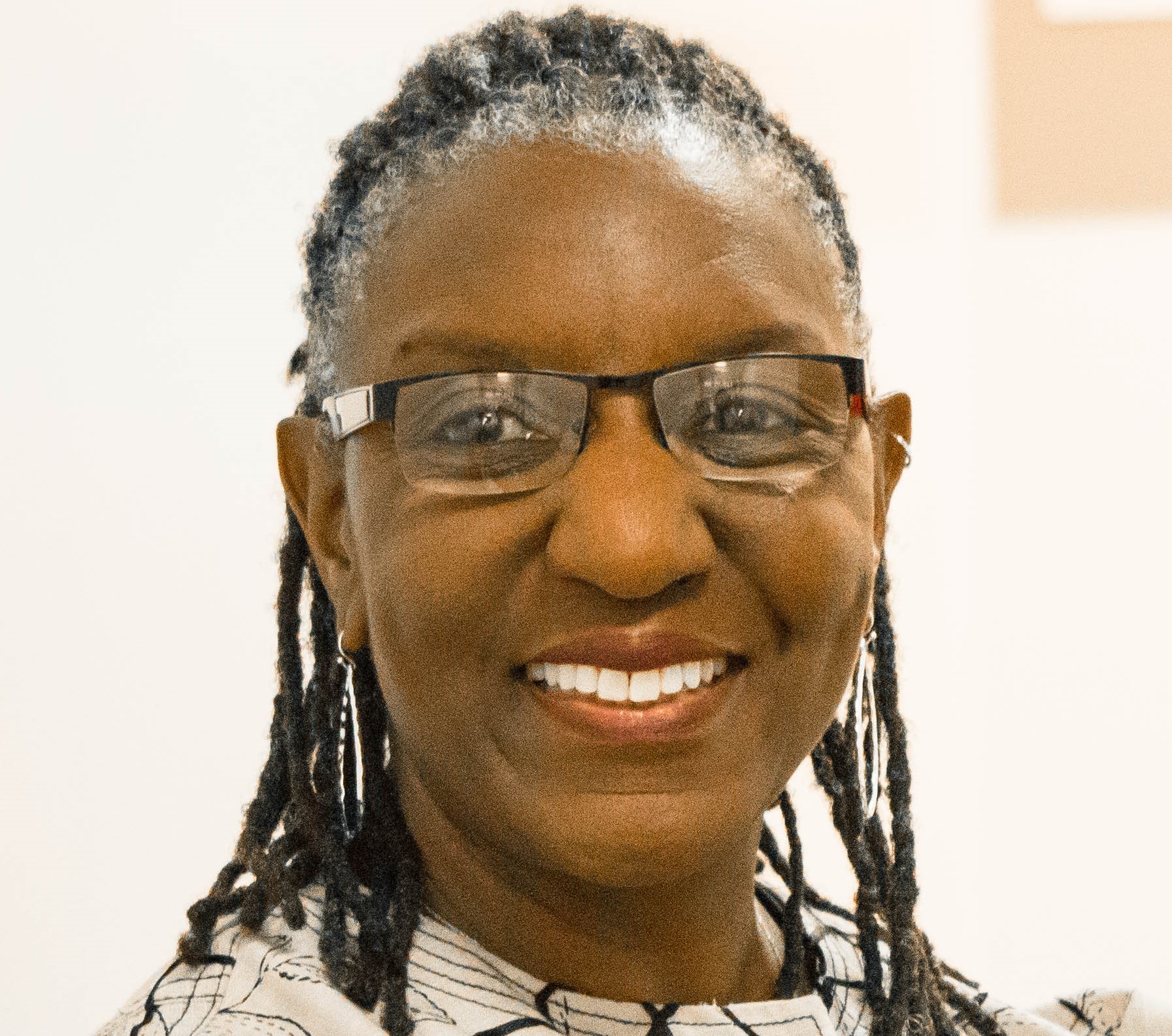
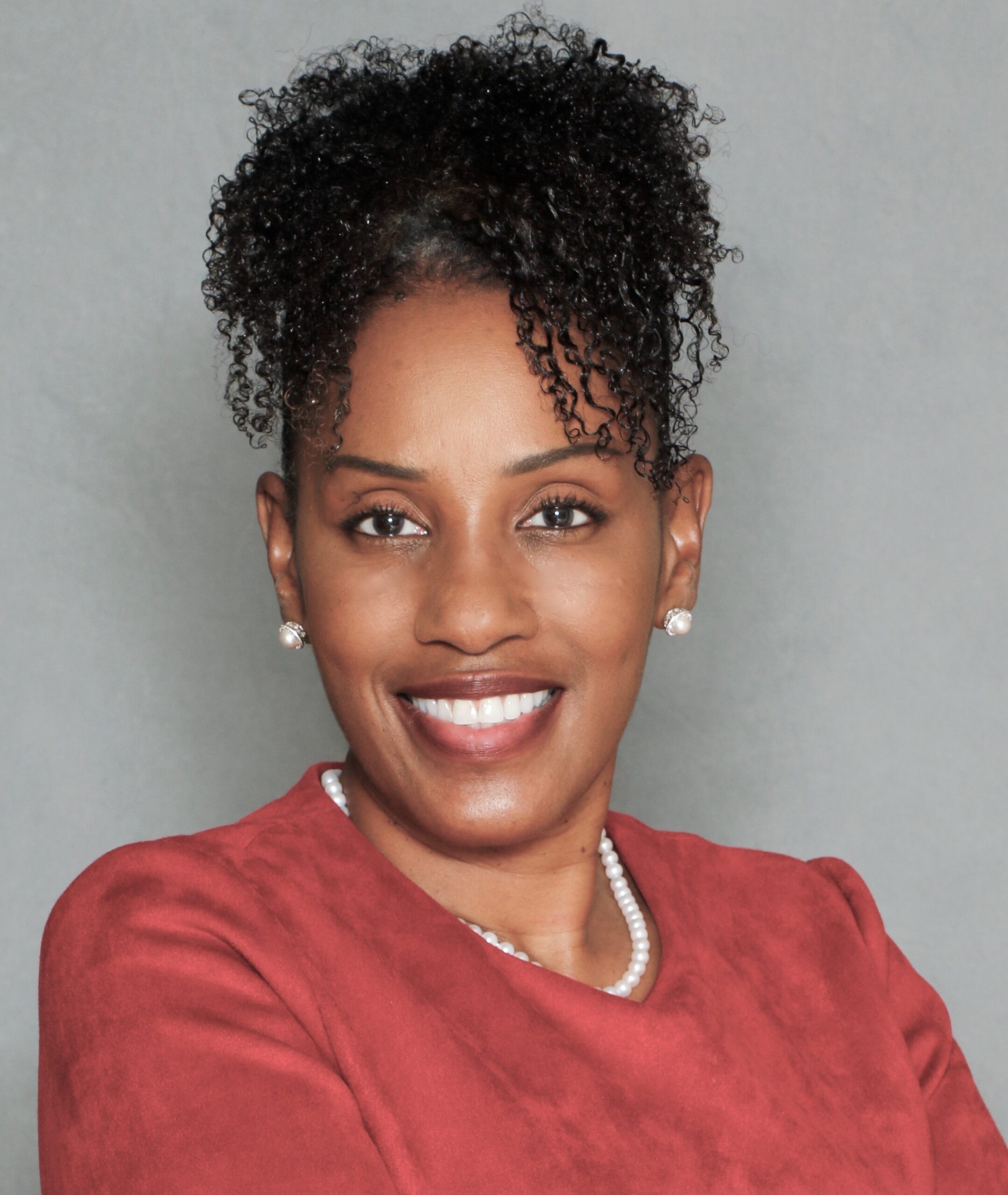

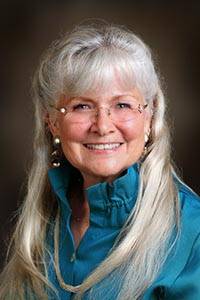
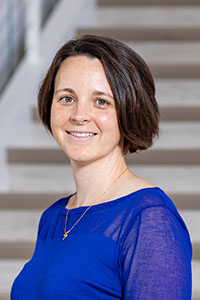
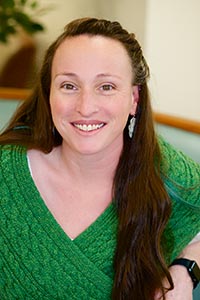
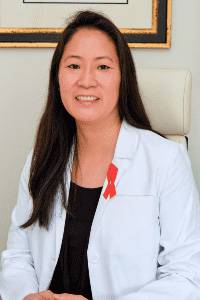 Carrie Belin is an experienced board-certified Family Nurse Practitioner and a graduate of the Johns Hopkins DNP program, Johns Hopkins Bloomberg School of Public Health, Georgetown University School of Nursing, and Johns Hopkins School of Nursing. She has also completed fellowships at Georgetown and the University of California Irvine.
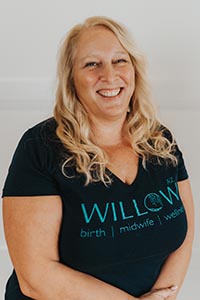
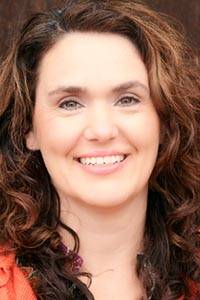 Angie has been a full-scope midwife since 2009. She has experience in various birth settings including home, hospital, and birth centers. She is committed to integrating the midwifery model of care in the US. She completed her master’s degree in nurse-midwifery at Frontier Nursing University (FNU) and her Doctorate at Johns Hopkins University. She currently serves as the midwifery clinical faculty at FNU. Angie is motivated by the desire to improve the quality of healthcare and has led quality improvement projects on skin-to-skin implementation, labor induction, and improving transfer of care practices between hospital and community midwives. In 2017, she created a short film on skin-to-skin called
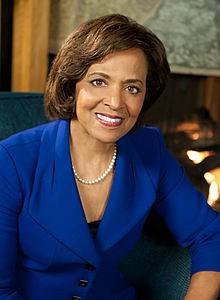

 Justin C. Daily, BSN, RN, has ten years of experience in nursing. At the start of his nursing career, Justin worked as a floor nurse on the oncology floor at St. Francis. He then spent two years as the Director of Nursing in a small rural Kansas hospital before returning to St. Francis and the oncology unit. He has been in his current position as the Chemo Nurse Educator for the past four years. He earned an Associate in Nurse from Hutchinson Community College and a Bachelor of Science in Nursing from Bethel College.
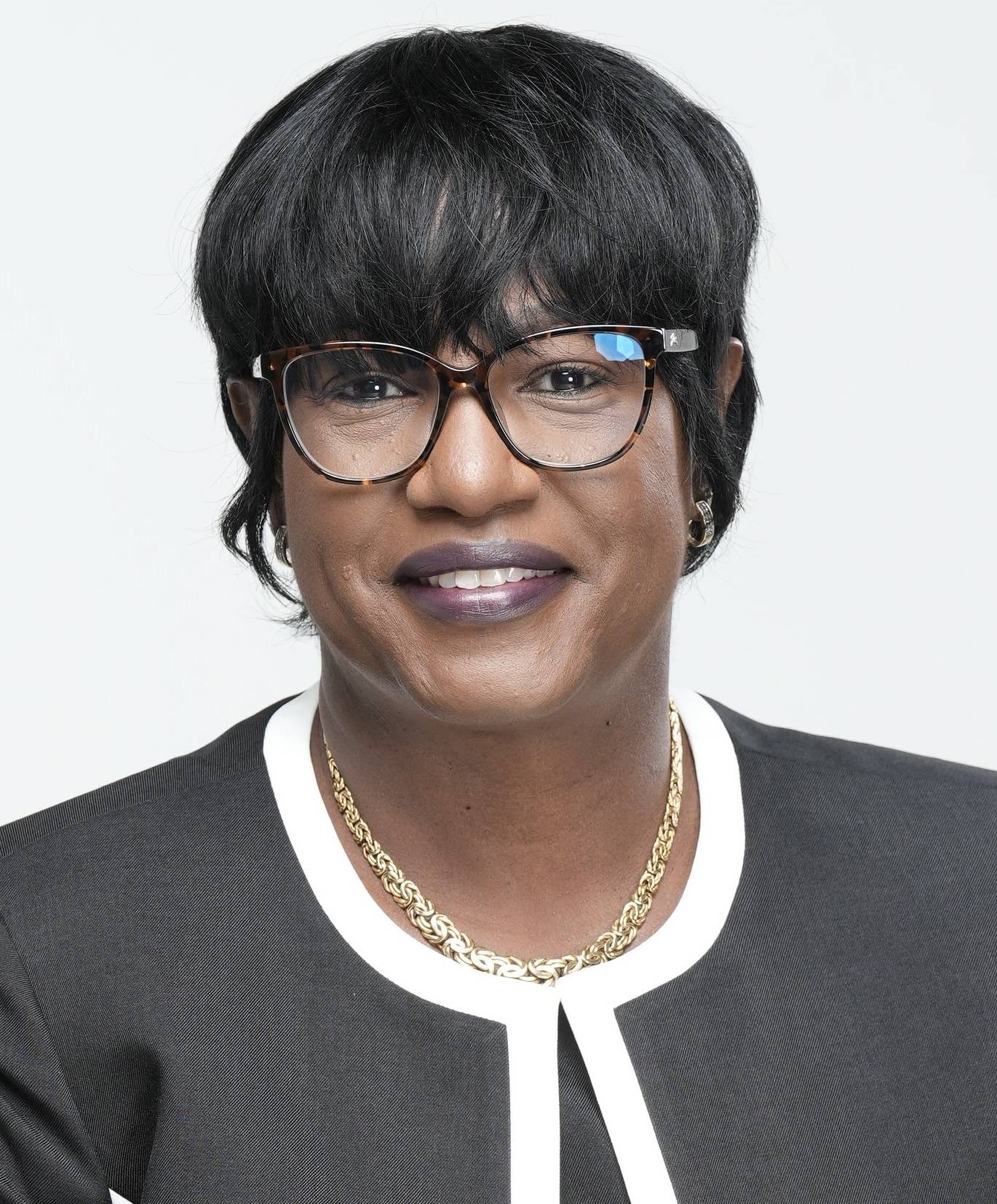
 Brandy Jackson serves as the Director of Undergraduate Nursing Programs and Assistant Educator at Wichita State University and Co-Director of Access in Nursing. Brandy is a seasoned educator with over 15 years of experience. Before entering academia, Brandy served in Hospital-based leadership and Critical Care Staff nurse roles. Brandy is passionate about equity in nursing education with a focus on individuals with disabilities. Her current research interests include accommodations of nursing students with disabilities in clinical learning environments and breaking down barriers for historically unrepresented individuals to enter the nursing profession. Brandy is also actively engaged in Interprofessional Education development, creating IPE opportunities for faculty and students at Wichita State. Brandy is an active member of Wichita Women for Good and Soroptimist, with the goal to empower women and girls. Brandy is a TeamSTEPPS master trainer. She received the DASIY Award for Extraordinary Nursing Faculty in 2019 at Wichita State University.
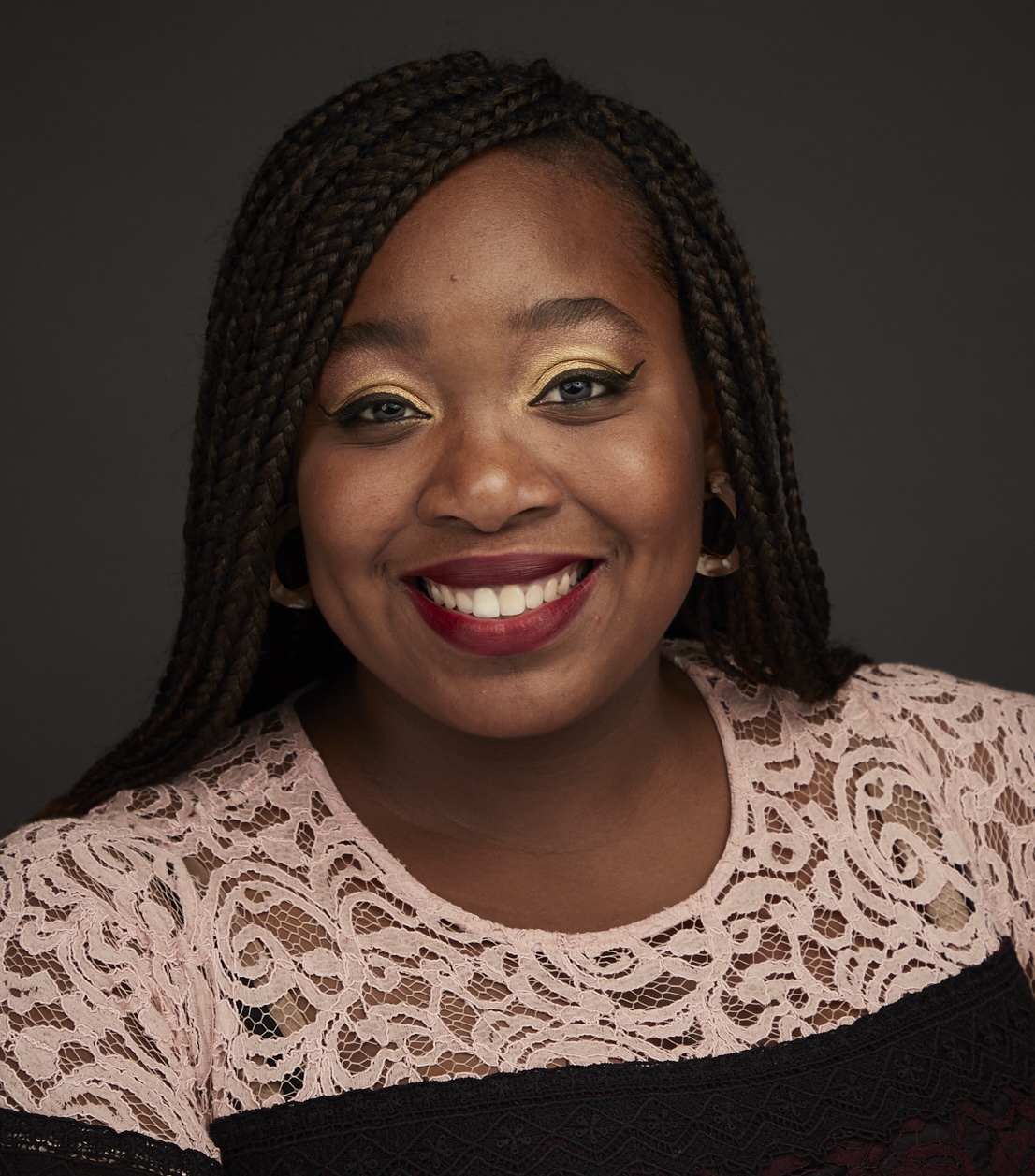
  Dr. Sabrina Ali Jamal-Eddine is an Arab-disabled queer woman of color with a PhD in Nursing and an interdisciplinary certificate in Disability Ethics from the University of Illinois Chicago (UIC). Dr. Jamal-Eddine’s doctoral research explored spoken word poetry as a form of critical narrative pedagogy to educate nursing students about disability, ableism, and disability justice. Dr. Jamal-Eddine now serves as a Postdoctoral Research Associate in UIC’s Department of Disability and Human Development and serves on the Board of Directors of the National Organization of Nurses with Disabilities (NOND). During her doctoral program, Sabrina served as a Summer Fellow at a residential National Endowment of the Humanities (NEH) Summer Institute at Arizona State University (2023), a summer fellow at Andrew W. Mellon’s National Humanities Without Walls program at University of Michigan (2022), a Summer Research Fellow at UC Berkeley’s Othering & Belonging Institute (2021), and an Illinois Leadership Education in Neurodevelopmental and related Disabilities (LEND) trainee (2019-2020).
 Vanessa Cameron works for Vanderbilt University Medical Center in Nursing Education & Professional Development. She is also attending George Washington University and progressing towards a PhD in Nursing with an emphasis on ableism in nursing. After becoming disabled in April 2021, Vanessa’s worldview and perspective changed, and a recognition of the ableism present within healthcare and within the culture of nursing was apparent. She has been working since that time to provide educational foundations for nurses about disability and ableism, provide support for fellow disabled nursing colleagues, and advocate for the disabled community within healthcare settings to reduce disparities.
 Dr. Lucinda Canty is a certified nurse-midwife, Associate Professor of Nursing, and Director of the Seedworks Health Equity in Nursing Program at the University of Massachusetts Amherst. She earned a bachelor’s degree in nursing from Columbia University, a master’s degree from Yale University, specializing in nurse-midwifery, and a PhD from the University of Connecticut. Dr. Canty has provided reproductive health care for over 29 years. Her research interests include the prevention of maternal mortality and severe maternal morbidity, reducing racial and ethnic health disparities in reproductive health, promoting diversity in nursing, and eliminating racism in nursing and midwifery.
 Dr. Lisa Meeks is a distinguished scholar and leader whose unwavering commitment to inclusivity and excellence has significantly influenced the landscape of health professions education and accessibility. She is the founder and executive director of the DocsWithDisabilities Initiative and holds appointments as an Associate Professor in the Departments of Learning Health Sciences and Family Medicine at the University of Michigan.
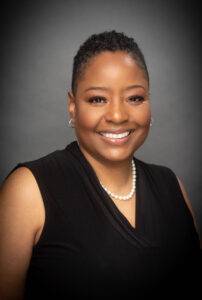 Dr. Nikia Grayson, DNP, MSN, MPH, MA, CNM, FNP-C, FACNM (she/her) is a trailblazing force in reproductive justice, blending her expertise as a public health activist, anthropologist, and family nurse-midwife to champion the rights and health of underserved communities. Graduating with distinction from Howard University, Nikia holds a bachelor’s degree in communications and a master’s degree in public health. Her academic journey also led her to the University of Memphis, where she earned a master’s in medical anthropology, and the University of Tennessee, where she achieved both a master’s in nursing and a doctorate in nursing practice. Complementing her extensive education, she completed a post-master’s certificate in midwifery at Frontier Nursing University.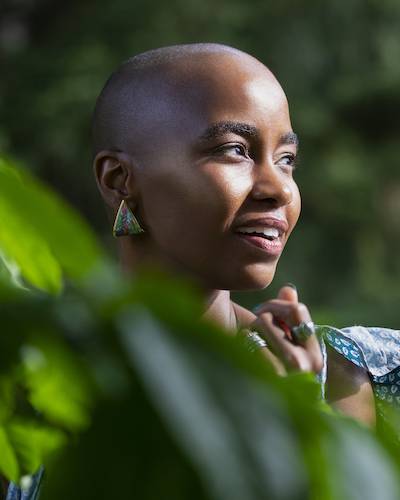


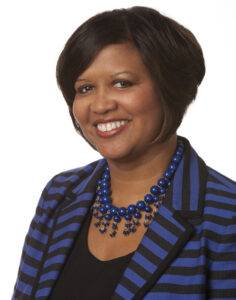 Dr. Tia Brown McNair is the Vice President in the Office of Diversity, Equity, and Student Success and Executive Director for the Truth, Racial Healing, and Transformation (TRHT) Campus Centers at the American Association of Colleges and Universities (AAC&U) in Washington, DC. She oversees both funded projects and AAC&U’s continuing programs on equity, inclusive excellence, high-impact practices, and student success. McNair directs AAC&U’s Summer Institutes on High-Impact Practices and Student Success, and TRHT Campus Centers and serves as the project director for several AAC&U initiatives, including the development of a TRHT-focused campus climate toolkit. She is the lead author of From Equity Talk to Equity Walk: Expanding Practitioner Knowledge for Racial Justice in Higher Education (January 2020) and Becoming a Student-Ready College: A New Culture of Leadership for Student Success (July 2016 and August 2022 Second edition).