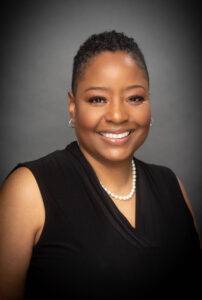
 Not so long ago, Ebony Monique Simpson, RN, BSN, CNM (Class 104), would have more likely written this story than been its subject. After graduating from Howard University with a journalism degree, she worked for a global public relations firm in Manhattan, representing pharmaceutical companies. But she knew that was not where she wanted to be. Her true passion had always been to become a midwife.
“I was always fascinated with the human body,” Simpson said, reflecting on her days growing up in Brooklyn. “In the fifth grade, there was this wonderful extracurricular program called the Science Skills Center. Classes were taught by black scientists and medical professionals in Brooklyn. In the summer after fifth grade, I participated in a college biology course. About 60 percent of everything the professor said went over my head, but I stayed committed and finished the program. Part of it involved being present for the dissection of a cadaver. I recall being the only one left in the room after 10-15 minutes. People were dropping like flies, and I was right there until the end.”
Seeing her interest and aptitude, Simpson’s parents enrolled her in programs like the Science Skills Center to foster her goals and dreams. It was around this time that she began to dream of being an OBGYN doctor.
“Around age 11, I decided my job would be to attend births,” Simpson said. “My mother was pregnant with her second child, and she had this wonderful book called A Child is Born and it had the most fascinating intrauterine photos. I read it cover to cover. She had another book called What to Expect When You’re Expecting, and I read that whole book quickly.”
She entered college as a pre-med student at a City University of New York school before transferring to Howard University, where the international allure of Washington, D.C., piqued her interest in journalism. What ultimately brought her back to her dream of attending births was the birth of her daughter.
“Before I graduated, I became pregnant with my daughter,” Simpson said. “I went home and decided to be with my family. A friend of mine from high school told me about a birthing center. It was just two midwives and two birthing rooms called The Brooklyn Birthing Center. They plopped me in a Jacuzzi, gave me a cup of noodles, lit a candle, put some mellow music on, and left me to labor with my friend. I had a short, efficient birth and a wonderful postpartum period. When people would ask me about my experience, all I could say was it was the most fun, exciting, adventurous day of my life. Their response to that let me know I had an uncommon experience. It was in those moments that I knew I would dedicate my life to helping other people have similar experiences. That’s when I started the journey in earnest.”
She went back to school, completing the prerequisites and enrolling in nursing school at Emory University in 2008. She graduated in 2011, and in 2013, she began working in Washington, D.C., hospital-based women and infant services. Around the same time, she enrolled at Frontier Nursing University to become a certified nurse-midwife and completed her studies while working as a nurse.
With her time split between being a mother, a student, and a nurse, she progressed at Frontier steadily but at a manageable pace.
“I like that my process took four years because the process of becoming a midwife isn’t something you should rush. I had to grow and mature and learn,” she said. “The role of a midwife is a role for a mature woman, and I like that the program gives you the option to do that.”
 Simpson values the lifelong friendships she made at Frontier and the ability to connect with fellow alumni.
“I think the Frontier network is unmatched,” she said. “At any given time, I can go on Facebook, and there’s a group of thousands of midwives across the country I can communicate with. Any question you ask, tons of people will answer. That’s powerful. Midwifery can be isolating, depending on where you live. There are places where midwives are working solo in a hostile environment.”
Simpson does not work in such an environment. She joined the University of Maryland Medical System (UMMS) as a full-time staff midwife in February 2023.
The University of Maryland Capital Medical System is an 11-hospital system headquartered in Baltimore. The hospital where Simpson works is in Largo, Maryland, about 20 miles from Washington, D.C.
She works with roughly 19 midwives, most of whom are per diem midwives. It is a collaborative practice with physicians, physician assistants, and Maternal Fetal Medicine providers. The practice attends roughly 180 births per month.
“We have a 24/7 service that includes either one or two midwives, and we attend roughly 130 of those 180 births,” Simpson said. “In the time I have been in that practice, I have attended over 170 births. It’s been a busy year and a half, but I love it.”
Simpson describes the community they serve as a high-risk population primarily consisting of African Americans, African immigrants, and Central American immigrants. Collaboration with Maternal Fetal Medicine providers is frequently a part of the care plan.
 “I feel like I’m making a huge difference,” Simpson said. “Midwifery care is needed in these kinds of settings. It’s a big change for me because, before this, I was doing out-of-hospital births in private homes and at a birth center.”
Before joining UMMS, Simpson worked for two years at BirthCare and Women’s Health in Alexandria, Virginia. She did most of her student clinical training with George Washington University Hospital’s midwifery service.
“At the time, it was a thriving nine-midwife practice that was practicing hospital midwifery,” Simpson said of practice at George Washington University Hospital. “They were providing high-touch, low-tech care, supporting normal physiological birth in the setting of a hospital. They had a great collaborative arrangement with the physicians. Out of the 50 births I attended as a student, 47 of those births resulted in a normal spontaneous vaginal delivery with no epidurals. The clients (most of whom were first-time parents) would come into the hospital with their doulas at eight centimeters and have these wonderful, empowered births.”
That is the model she hopes all hospitals will adopt to address the maternal mortality crisis in the United States.
“We have to incorporate the knowledge and skills of our out-of-hospital midwives,” Simpson said. “They know how to get people delivered in a low-risk way. Why are we ostracizing them? Why are we putting them on the fringes? Everyone is talking about maternal mortality right now. The number one thing we could do to improve maternal mortality is to integrate community midwives. We need to integrate the system so a woman has a choice, no matter her economic status, whether she wants to have a hospital birth, home birth, or birth center birth. It should be according to her clinical picture, not according to how much money she has.”
 Simpson adds that patients need to be able to have longer visits with more time to express their concerns and preferences and to become more comfortable with their providers.
“The backbone of midwifery is relationships,” she said. “You need time to develop relationships. People are saying loud and clear ‘Providers don’t listen to me. They don’t take time.’ All of that could be solved by giving providers more time to care about clients.”
“Birth has to come out of a sick care institution because it doesn’t fit,” Simpson added. “Yes, sometimes tertiary care is needed, but for the majority of women who have a normal physiological birth process, what’s needed is to be in a safe environment with people that they know. They need to feel respected and listened to, and they need the time and space to allow their bodies to do what they naturally do.”
Simpson says it is common for a woman to present with stalled labor, but the provider might not have the time or knowledge to utilize non-pharmacological methods. Instead, higher-risk solutions are employed.
“A woman who needs to move more than anything is instead epiduralized, meaning she’s immobilized from the waist down, often in early labor,” Simpson said. “Now she has to rely on a nurse who is busy with other patients and doesn’t always have time to help the patient move. After hours of stalled labor and a baby starting to show signs of stress, Guess who’s going back for a C-section, who’s getting exposed to hemorrhage, infection, and future C-sections? There is a lack of awareness of what natural physiological birth is, how to recognize when things are off, and what are some low risk things we can do to resolve the issue that don’t put mother and baby at heightened risk. You have to be given the time and space to do these things, but oh boy, do they work.”
Simpson points to the common occurrence of persistent posterior presentation, where the baby is sitting in the womb facing forward. This can lead to prolonged, non-progressing labor with painful contractions. Simpson says these issues can almost always be resolved with bodywork and maternal repositioning.
“Community midwives know how to lay their hands on a woman, how to diagnose without ultrasound, and they know the specific movements,” Simpson said. “They understand the clinical picture. They know what it looks and sounds like when the baby is not in a good position. They know the solution, and they have the time and the space to enact the solution.”
Simpson proposes that a system in which nurses and nurse-midwives rotate and learn in all three settings – birth center, home, and hospital – would produce better outcomes. In a time where Black women in America are three to four times more likely to die in childbirth than white women, systemic change is needed.
“Is there some economic motivation for Black women to be sicker heading into pregnancy, sicker in pregnancy, and sicker after?” Simpson said. “Where does the motivation come from to be highly interventive instead of offering more low-tech, low-risk solutions? What’s the motivation to offer expensive epidurals and neglect to offer birthing tubs? Why do we rely more heavily on continuous monitoring, which doesn’t have evidence that it improves outcomes, when we could employ the continuous presence of doulas, which has been proven to improve health outcomes? Why are C-sections the most common surgery done in any hospital center? This is not just about Black women. This is about all women and the perverse economic incentives that are making too many women sick in the perinatal period It’s time to move midwives into the mainstream administration of maternal care.”
 Simpson is taking an active approach to integrating midwifery care into the hospital setting and teaching nurses and doctors more about the midwifery approach. She has accepted a clinical faculty position in which she will teach intern physicians about normal birth. She hopes someday to open her own birth center and pledges to be a vocal thought leader via broadcast, publications, and public speaking.
“My goal is to help all women in my sphere, that I have access to, to have more power and safer, healthier birth experiences.”
Simpson is writing her own story – an action-packed narrative that she hopes concludes with the end of the nation’s maternal mortality crisis.
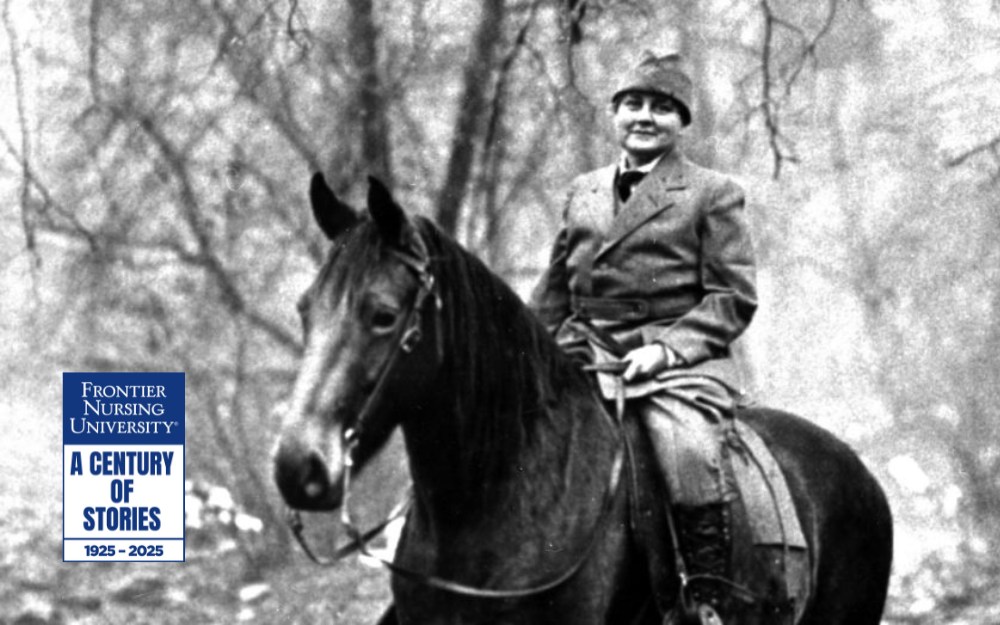
 In 2025, Frontier Nursing University honored the 100-year anniversary of the inception of the Frontier Nursing Service. We are grateful for the alumni, students, couriers, donors, volunteers, friends, and employees who have made an incredible impact on FNU’s century-long journey. We celebrated this milestone year by capturing and sharing some of the countless stories that make up our history. Whatever your connection to FNU, we hope you enjoy these stories.
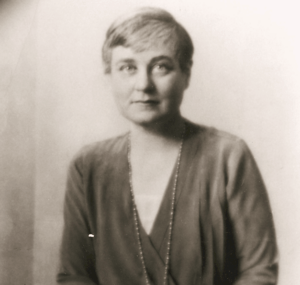
 Mrs. Breckinridge returned to the U.S. and studied Public Health Nursing at Columbia University. She formulated two goals: improving the health of children and pioneering a system of rural health care that could serve as a model for systems serving the most remote regions of the world.
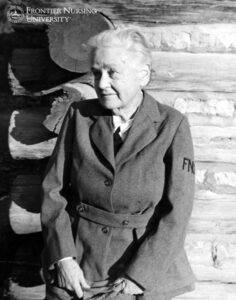 Until 1939, the majority of the FNS nurse-midwives were British. When World War II began, many of those nurse-midwives returned home. In response, Mrs. Breckinridge established the Frontier Graduate School of Midwifery in 1939, which is now known as Frontier Nursing University. Many of the FGSM nurse-midwives went on to staff the FNS.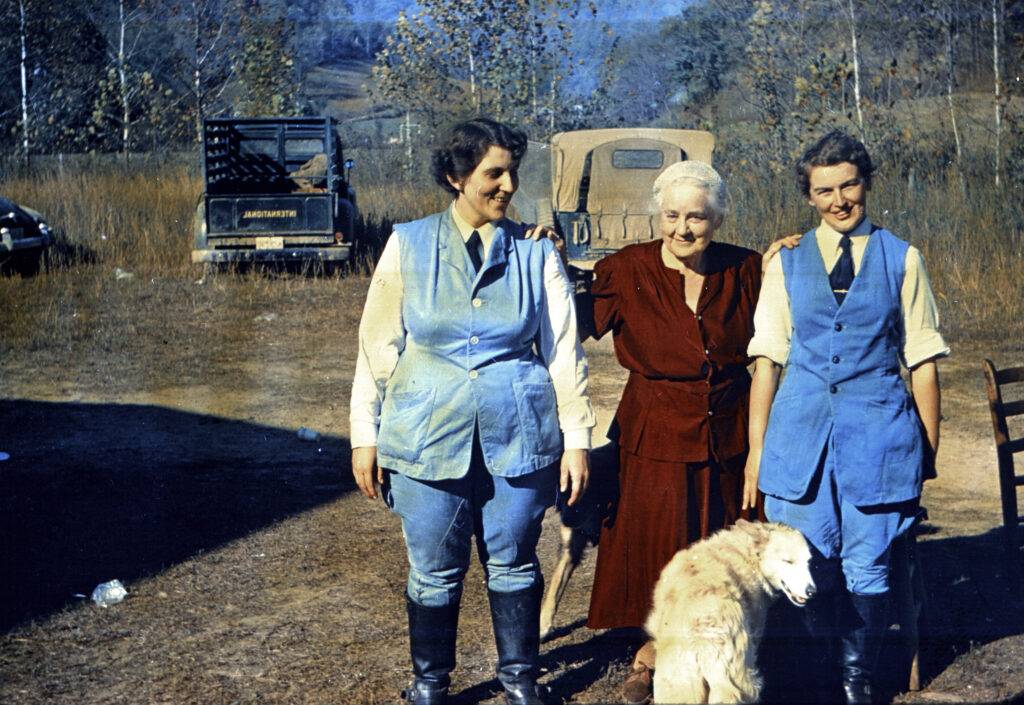
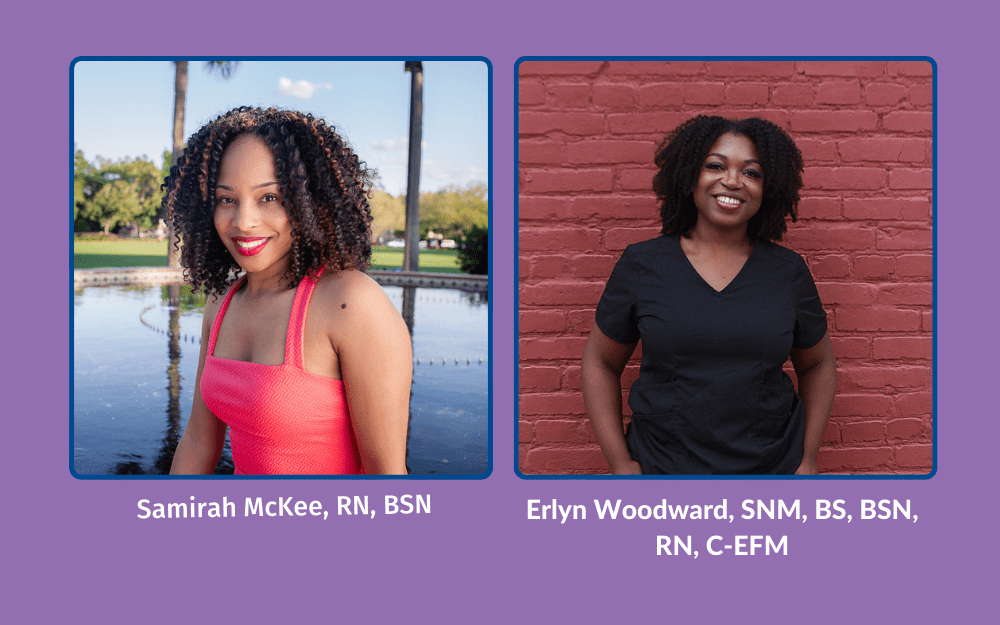
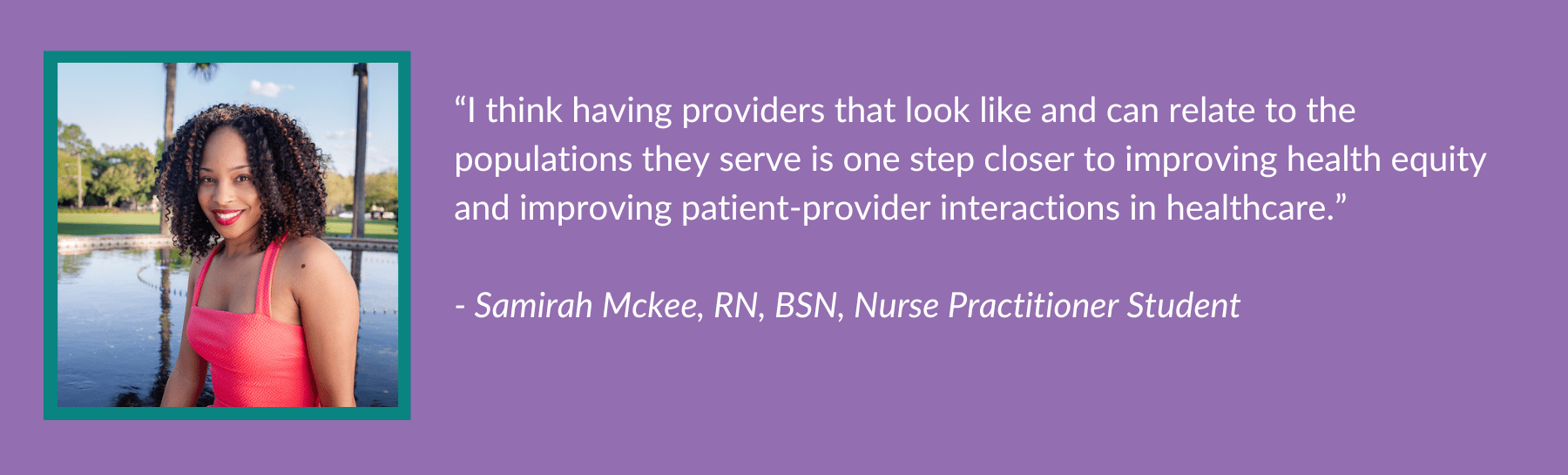
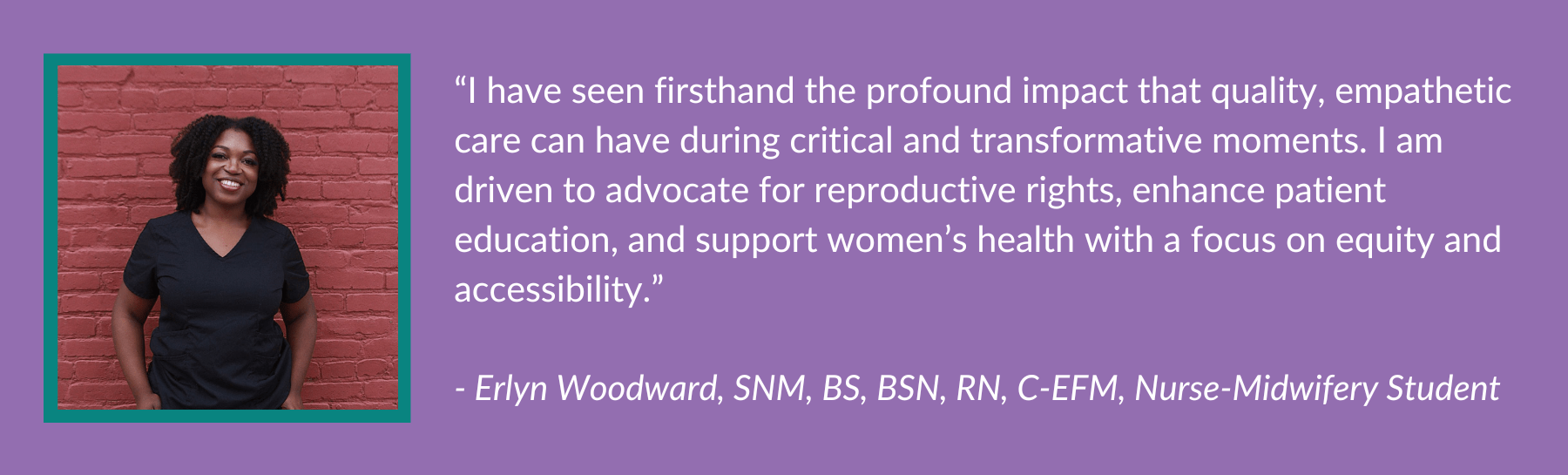 The Fellowship runs from August 2024 through January 2025 and includes a $1,000 stipend for each student.
 In 2025, Frontier Nursing University honors and celebrates 100 years of healthcare service and education since our inception as Frontier Nursing Service in 1925. That was the year that Mary Breckinridge founded the Frontier Nursing Service (FNS) to provide care to mothers, children, and families in rural eastern Kentucky. In its early years, FNS offered scholarships to American nurses to go to Great Britain for training in nurse-midwifery and recruited British nurse-midwives. In 1939, FNS established the Frontier Graduate School of Midwifery, now known as Frontier Nursing University (FNU).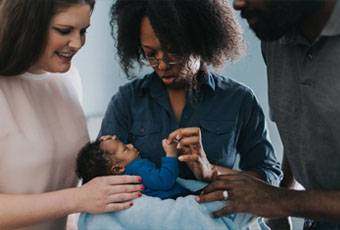


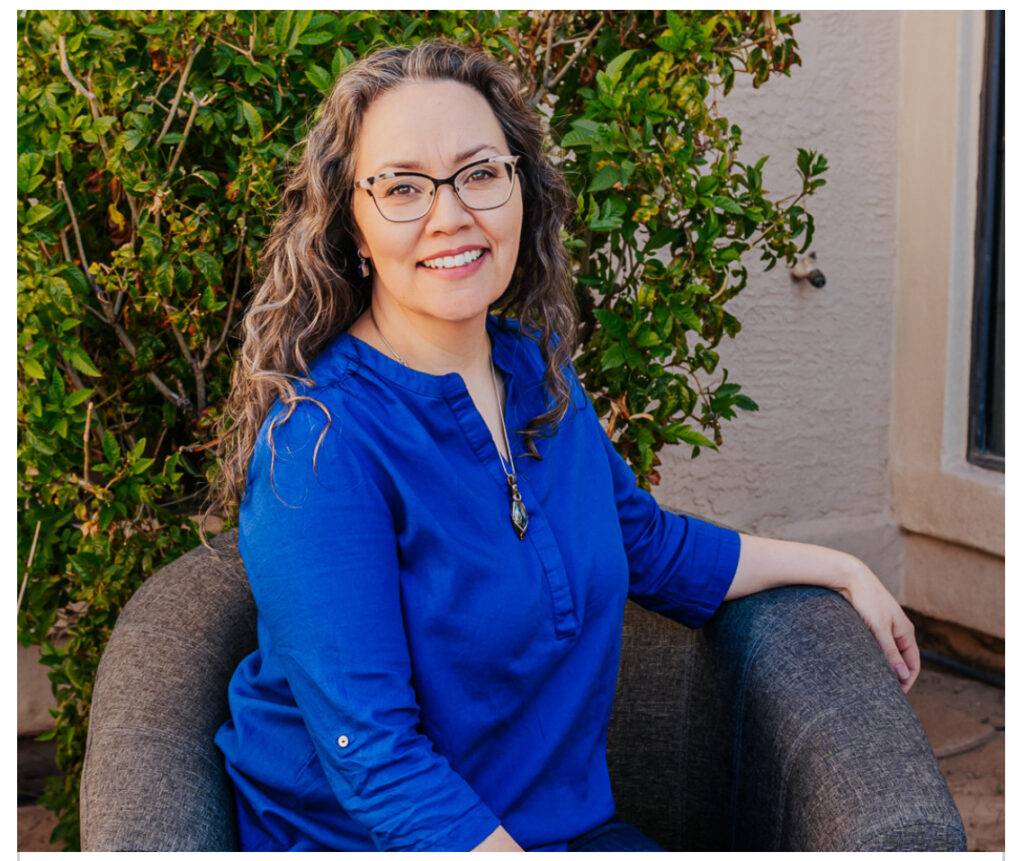 Frontier graduate Marianna Holland, DNP, CNM, filled a crucial gap in healthcare in her community when she opened her own birth center, New Phase at the Birth Nest in Glendale, Arizona. New Phase, which was opened after Dr. Holland graduated from FNU with a
 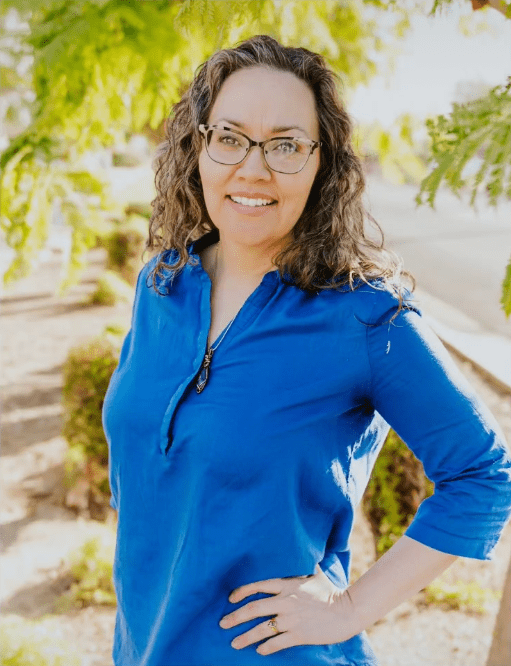 Before graduating from Frontier, Dr. Holland served for nearly a decade as an acute care labor and delivery nurse. She said while in nursing school, she was taught by an FNU graduate, an experience that inspired her to study at FNU. She said she was also motivated by the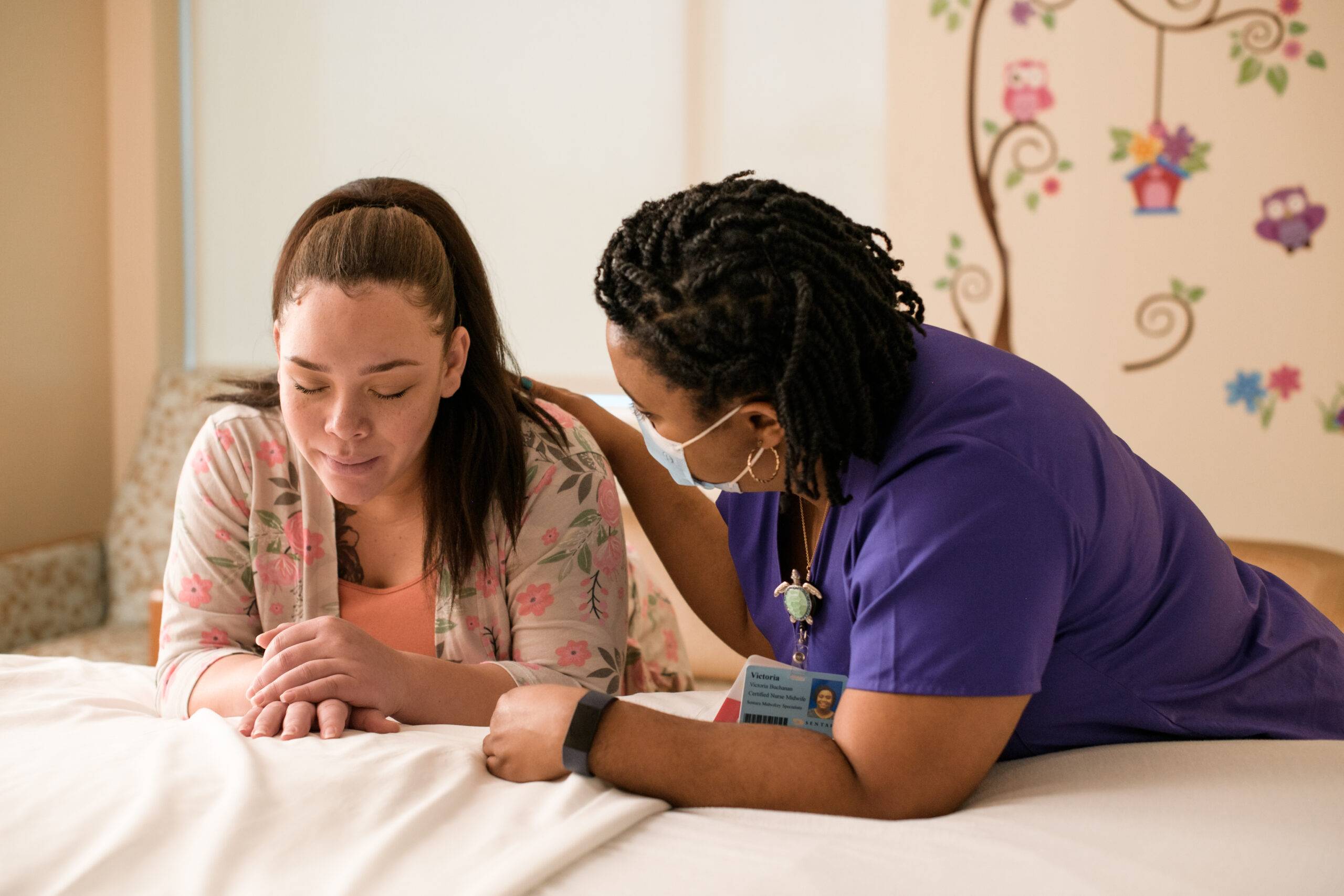
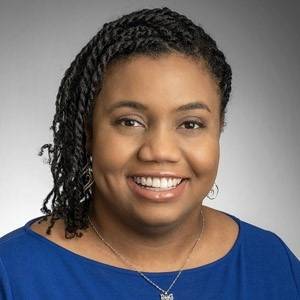 Dr. Victoria Buchanan, DNP (Class 40), CNM, believes that hospital-based
 “We as nurses try to advocate for our patients, but I realized that the damage has already been done. Your provider makes an enormous difference in what kind of birth experience you have. These clients wanted a type of birth that was more natural, less intervention unless it was medically necessary.”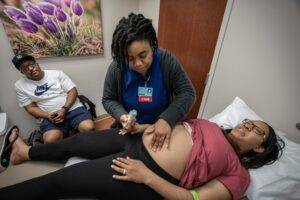


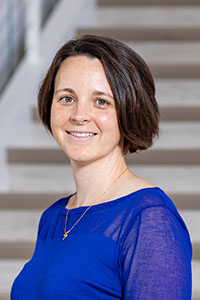
 Carrie Belin is an experienced board-certified Family Nurse Practitioner and a graduate of the Johns Hopkins DNP program, Johns Hopkins Bloomberg School of Public Health, Georgetown University School of Nursing, and Johns Hopkins School of Nursing. She has also completed fellowships at Georgetown and the University of California Irvine.
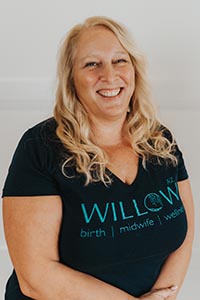
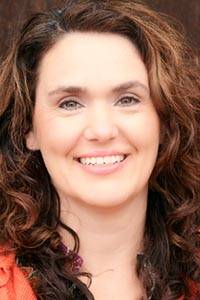 Angie has been a full-scope midwife since 2009. She has experience in various birth settings including home, hospital, and birth centers. She is committed to integrating the midwifery model of care in the US. She completed her master’s degree in nurse-midwifery at Frontier Nursing University (FNU) and her Doctorate at Johns Hopkins University. She currently serves as the midwifery clinical faculty at FNU. Angie is motivated by the desire to improve the quality of healthcare and has led quality improvement projects on skin-to-skin implementation, labor induction, and improving transfer of care practices between hospital and community midwives. In 2017, she created a short film on skin-to-skin called
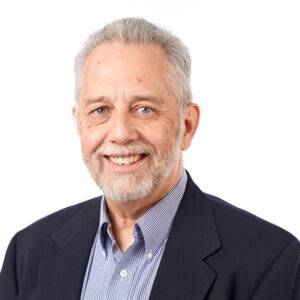
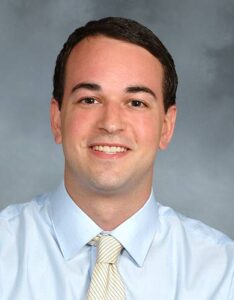
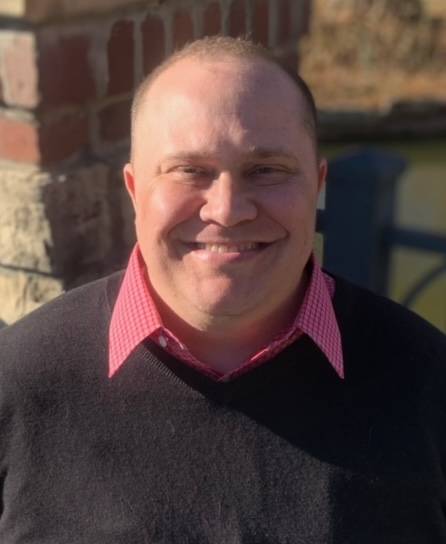 Justin C. Daily, BSN, RN, has ten years of experience in nursing. At the start of his nursing career, Justin worked as a floor nurse on the oncology floor at St. Francis. He then spent two years as the Director of Nursing in a small rural Kansas hospital before returning to St. Francis and the oncology unit. He has been in his current position as the Chemo Nurse Educator for the past four years. He earned an Associate in Nurse from Hutchinson Community College and a Bachelor of Science in Nursing from Bethel College.
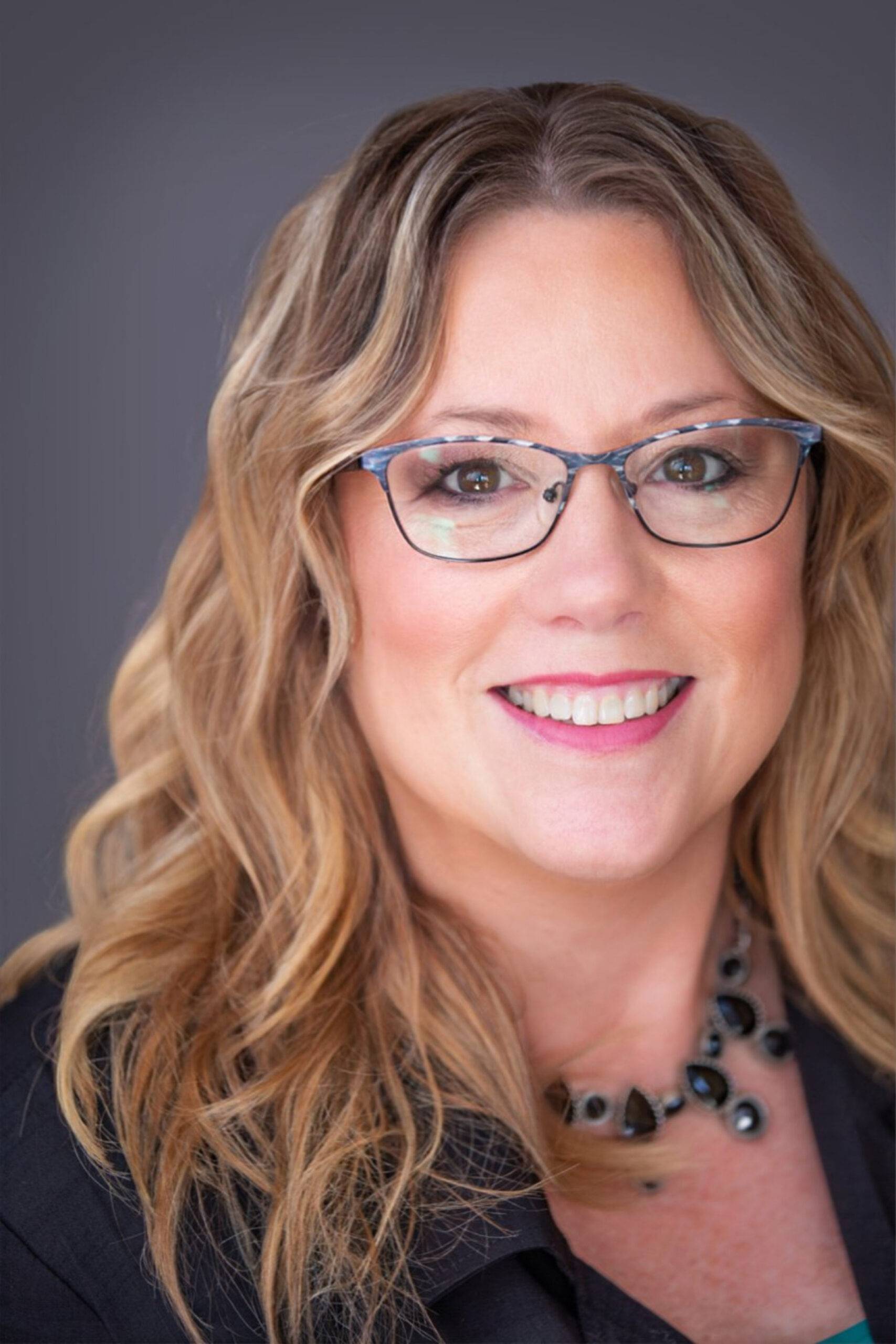 Brandy Jackson serves as the Director of Undergraduate Nursing Programs and Assistant Educator at Wichita State University and Co-Director of Access in Nursing. Brandy is a seasoned educator with over 15 years of experience. Before entering academia, Brandy served in Hospital-based leadership and Critical Care Staff nurse roles. Brandy is passionate about equity in nursing education with a focus on individuals with disabilities. Her current research interests include accommodations of nursing students with disabilities in clinical learning environments and breaking down barriers for historically unrepresented individuals to enter the nursing profession. Brandy is also actively engaged in Interprofessional Education development, creating IPE opportunities for faculty and students at Wichita State. Brandy is an active member of Wichita Women for Good and Soroptimist, with the goal to empower women and girls. Brandy is a TeamSTEPPS master trainer. She received the DASIY Award for Extraordinary Nursing Faculty in 2019 at Wichita State University.
  Dr. Sabrina Ali Jamal-Eddine is an Arab-disabled queer woman of color with a PhD in Nursing and an interdisciplinary certificate in Disability Ethics from the University of Illinois Chicago (UIC). Dr. Jamal-Eddine’s doctoral research explored spoken word poetry as a form of critical narrative pedagogy to educate nursing students about disability, ableism, and disability justice. Dr. Jamal-Eddine now serves as a Postdoctoral Research Associate in UIC’s Department of Disability and Human Development and serves on the Board of Directors of the National Organization of Nurses with Disabilities (NOND). During her doctoral program, Sabrina served as a Summer Fellow at a residential National Endowment of the Humanities (NEH) Summer Institute at Arizona State University (2023), a summer fellow at Andrew W. Mellon’s National Humanities Without Walls program at University of Michigan (2022), a Summer Research Fellow at UC Berkeley’s Othering & Belonging Institute (2021), and an Illinois Leadership Education in Neurodevelopmental and related Disabilities (LEND) trainee (2019-2020).
 Vanessa Cameron works for Vanderbilt University Medical Center in Nursing Education & Professional Development. She is also attending George Washington University and progressing towards a PhD in Nursing with an emphasis on ableism in nursing. After becoming disabled in April 2021, Vanessa’s worldview and perspective changed, and a recognition of the ableism present within healthcare and within the culture of nursing was apparent. She has been working since that time to provide educational foundations for nurses about disability and ableism, provide support for fellow disabled nursing colleagues, and advocate for the disabled community within healthcare settings to reduce disparities.
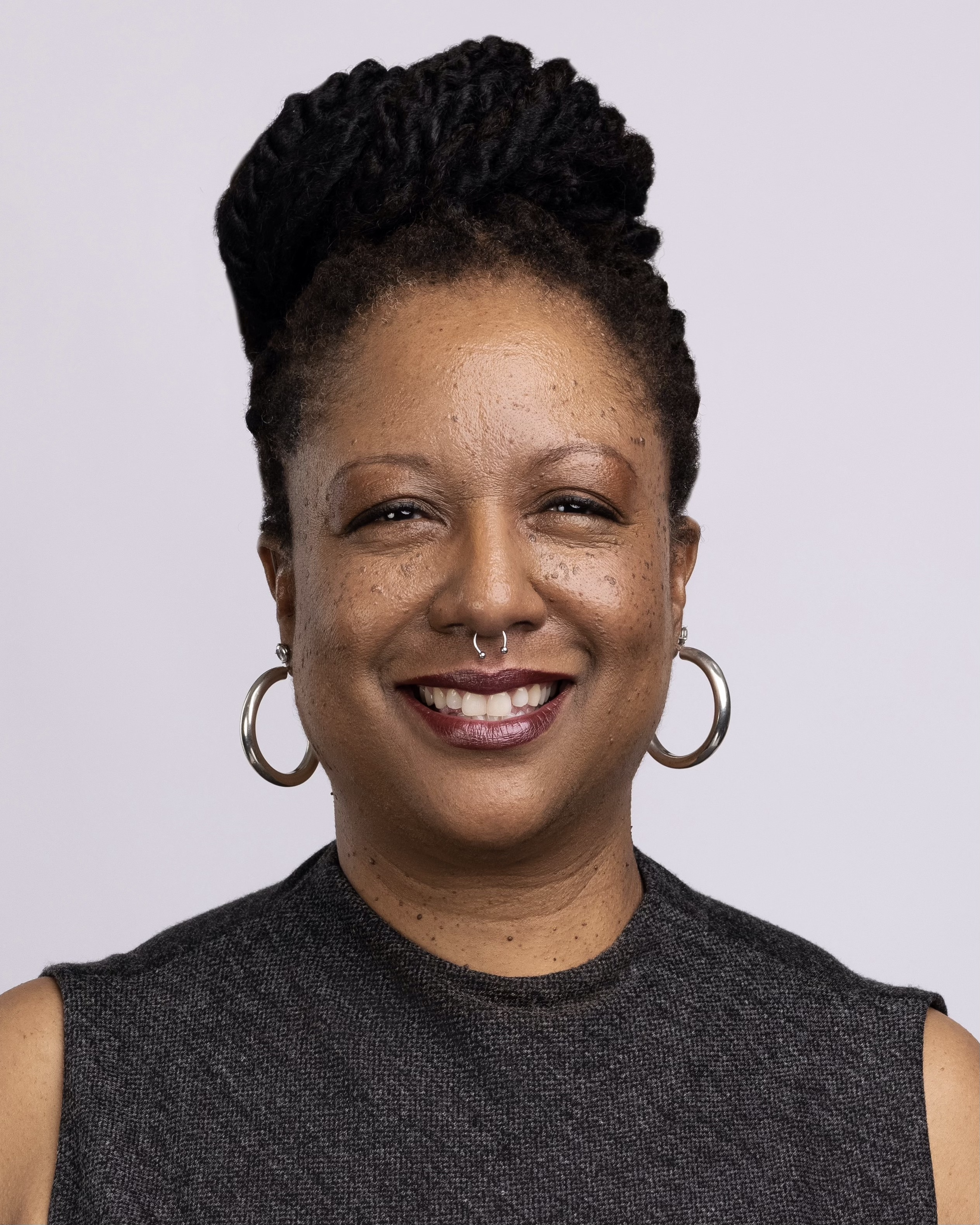 Dr. Lucinda Canty is a certified nurse-midwife, Associate Professor of Nursing, and Director of the Seedworks Health Equity in Nursing Program at the University of Massachusetts Amherst. She earned a bachelor’s degree in nursing from Columbia University, a master’s degree from Yale University, specializing in nurse-midwifery, and a PhD from the University of Connecticut. Dr. Canty has provided reproductive health care for over 29 years. Her research interests include the prevention of maternal mortality and severe maternal morbidity, reducing racial and ethnic health disparities in reproductive health, promoting diversity in nursing, and eliminating racism in nursing and midwifery.
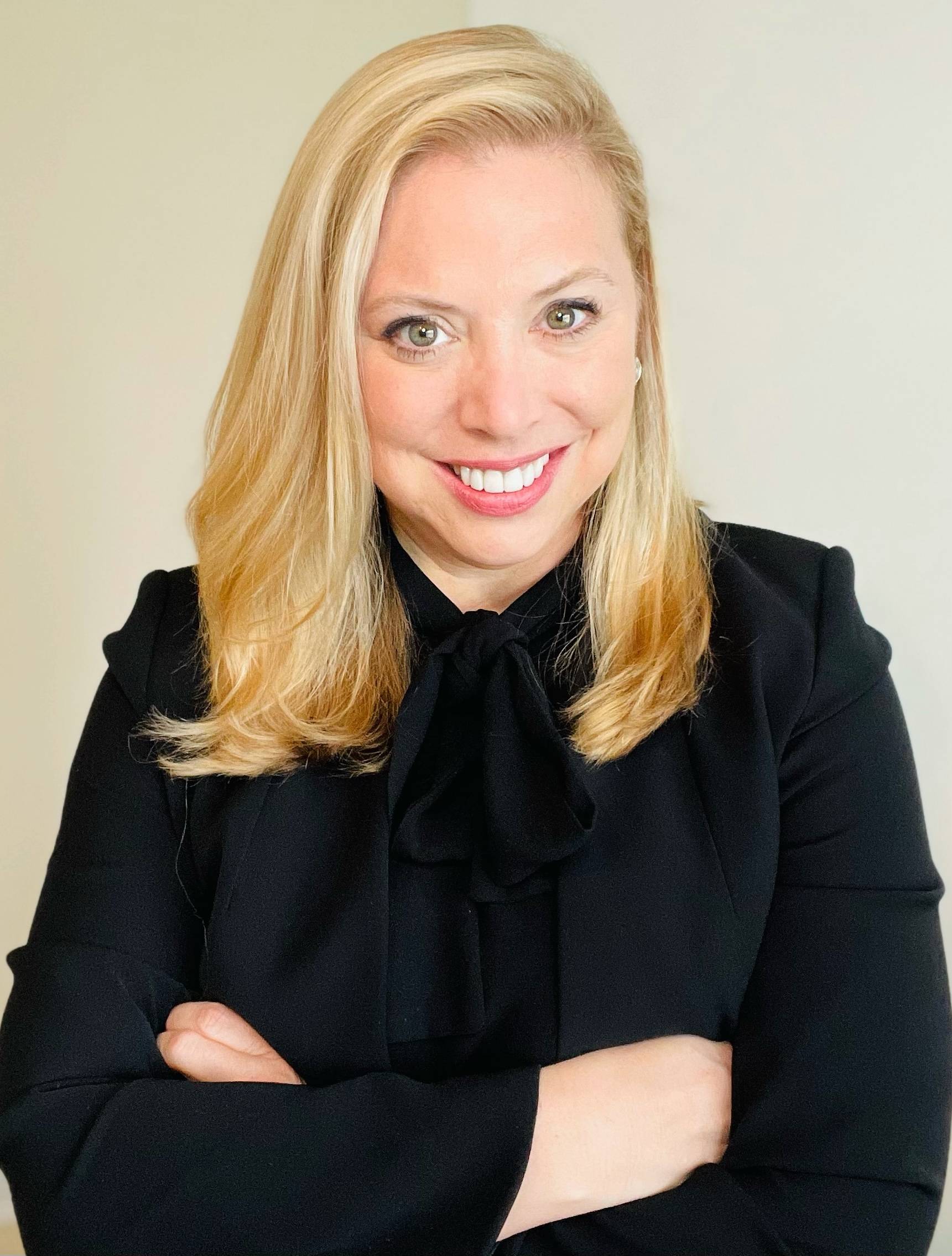 Dr. Lisa Meeks is a distinguished scholar and leader whose unwavering commitment to inclusivity and excellence has significantly influenced the landscape of health professions education and accessibility. She is the founder and executive director of the DocsWithDisabilities Initiative and holds appointments as an Associate Professor in the Departments of Learning Health Sciences and Family Medicine at the University of Michigan.
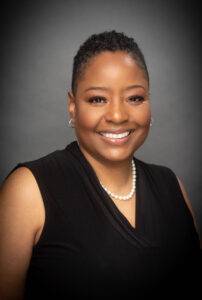 Dr. Nikia Grayson, DNP, MSN, MPH, MA, CNM, FNP-C, FACNM (she/her) is a trailblazing force in reproductive justice, blending her expertise as a public health activist, anthropologist, and family nurse-midwife to champion the rights and health of underserved communities. Graduating with distinction from Howard University, Nikia holds a bachelor’s degree in communications and a master’s degree in public health. Her academic journey also led her to the University of Memphis, where she earned a master’s in medical anthropology, and the University of Tennessee, where she achieved both a master’s in nursing and a doctorate in nursing practice. Complementing her extensive education, she completed a post-master’s certificate in midwifery at Frontier Nursing University.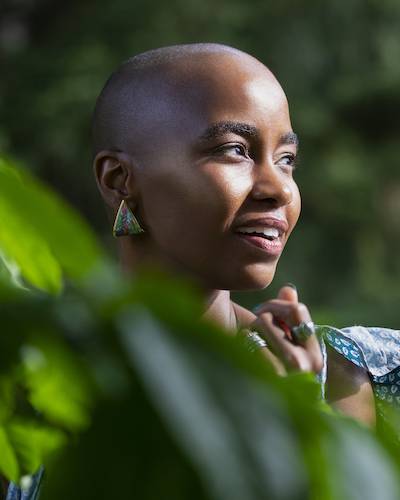
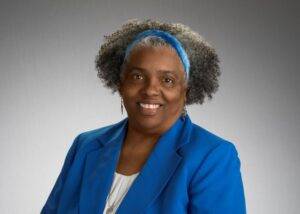
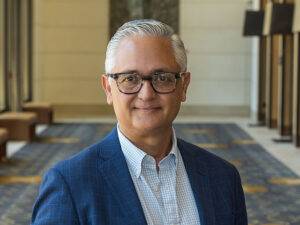
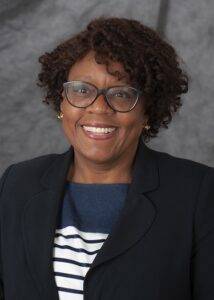
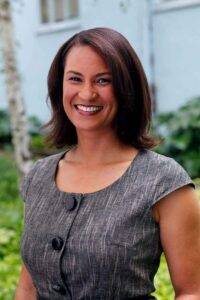

 Dr. Tia Brown McNair is the Vice President in the Office of Diversity, Equity, and Student Success and Executive Director for the Truth, Racial Healing, and Transformation (TRHT) Campus Centers at the American Association of Colleges and Universities (AAC&U) in Washington, DC. She oversees both funded projects and AAC&U’s continuing programs on equity, inclusive excellence, high-impact practices, and student success. McNair directs AAC&U’s Summer Institutes on High-Impact Practices and Student Success, and TRHT Campus Centers and serves as the project director for several AAC&U initiatives, including the development of a TRHT-focused campus climate toolkit. She is the lead author of From Equity Talk to Equity Walk: Expanding Practitioner Knowledge for Racial Justice in Higher Education (January 2020) and Becoming a Student-Ready College: A New Culture of Leadership for Student Success (July 2016 and August 2022 Second edition).