 By: Tonya Nicholson, DNP, CNM. WHNP-BC, CNE, FACNM, Associate Dean of Midwifery and Women’s Health, FNU
As a new nurse-midwife, whenever I heard the words “interprofessional” practice, I cringed. I pictured my past experiences as a nurse in which we participated in multidisciplinary care teams. These teams would meet and basically one of the following would happen:
- The physician would always lead the team, and the meeting would result in a new group of physician orders that had minimal input from other disciplines.
- The physician wouldn’t come, and the nurses would use the hour to gripe about interprofessional rhetoric and the impossibility of any real application of the idea.
As a nurse, I often felt that I could handle nutrition, ambulation and medication teaching–so why did we need all the other groups?
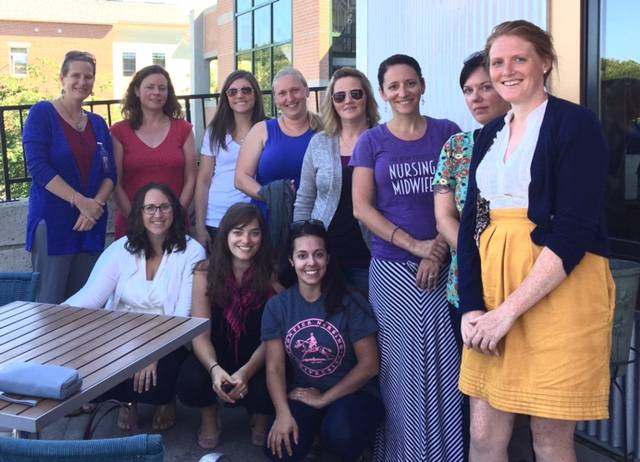
In my first job as a nurse-midwife, I began to discover some distinct client advantages for interprofessional practice. The nurse-midwives in this practice were integrated into a multi-specialty clinic. We had an open exchange of ideas with our collaborating physicians as well as the luxury of readily available referral resources like physical therapy, diabetic education and neurology.
However, the practical application was that the nurse-midwife or the physician functioned as the head of the team and would send the client out to other professionals as the need arose. We would review reports on those visits and might randomly discuss a mutual client if we met at the water cooler. But we called it a team. And we felt progressive.
This limited view of interprofessional teams was recently challenged through a personal experience. I witnessed true interprofessional teamwork in action. My son (Seth) had a serious accident at age 20 that resulted in paraplegia. After several days in a trauma unit, we were transferred to a rehabilitation facility that specializes in spinal cord injuries.
We were quickly introduced to a true team approach and found our family at the team’s center. It felt like a village was helping to raise Seth out of his wheelchair. The team met regularly and with concentrated focus. There were representatives from the medical staff, nursing, PT, OT, dietary, social services, and recreational therapy. Team rounds occurred in our room three times weekly. At every incidence of rounds, Seth was an active participant in reporting his experience, discussing his needs, setting and refining goals, and asking questions. Unless there was a pressing medical need, Seth’s input constructed the skeleton of the plan for the week. All team members’ input was actively sought out and valued.
Leadership of the rounds was rotated. On Monday, the rounds were led by the physician. On Wednesday, the rounds were led by the Therapy Department. On Friday, nursing took the lead. This leadership was simply for organizational purposes. The true leader in any meeting emerged as the needs and objectives of care became clear. This was a thriving example of interprofessional teamwork.
As a healthcare provider, I was learning valuable lessons about teamwork that can be applied to any specialty:
- The patient should always be at the center of the team. Every other member’s contributions should focus on the outcomes established by the patient.
- Leadership should be fluid. The most appropriate team leader is the one with the most knowledge and skills to accomplish the immediate goal.
- Respect amongst members must be overtly evident so that the client is confident in every member of the team.
I began to think about how this authentic team approach could effectively be translated into prenatal care. How would this look? Who would be the players? How could this concept be applied in my clinic? Could the team approach help to enhance a woman’s experience as she transitions to motherhood?
At the initial prenatal visit, one of the primary concepts that I cover is that of roles. I verbalize that the woman holds great power in this relationship and is a partner in her care. She is the team leader. I have found that most women have one or two people with whom they discuss all decisions. This is very often a mother or sister. This person must be valued by the provider and their input must be acknowledged. I describe my role as secondary. I explain that I will walk beside her through this experience and watch carefully for any warning signs. If they occur, we will discuss a plan and move forward as appropriate.
Pregnant women are generally healthy so the team is comprised of core members and “as needed” members. The ongoing relationship of the nurse practitioner or certified nurse-midwife and the collaborating physician is vitally important and forms the a strong foundation for the team. The core members’ focus is on wellness.
The team can be introduced to the client in individual appointments or in group care settings. These members would include social services, nutritionist, childbirth and lactation educators. The “as needed members” might include the collaborating physician, perinatologist, chiropractic provider, psych provider, etc. Literature on all services can be provided in a packet of goodies given at the first visit and utilization of the services encouraged at prenatal visits.
The team could also hold a monthly “meet and greet” so that the clients become aware of the services and value of the various members. This can be done so that the clients individually speak with each team member and rotate to the next team member after a short timed period (think speed dating) or in a more casual setting where there is freedom to mingle and chat.
As the nurse-midwife, I will discuss with the client the need for involvement of the “if needed” members based on ongoing risk assessment. The collaborating physician and I will meet at least monthly to discuss any complex client situations so that we are in agreement on the plan. If a referral to the collaborating physician is needed, I take the opportunity to remind the physician of each particular client’s needs and desire and make every effort to walk the woman down to his office for a personal introduction. The woman can then observe our interaction and trust in one another. Her confidence in her care team is nurtured.
Interprofessional teams in the prenatal setting can help to ensure that the most comprehensive and effective care is given to each woman and her family. By maintaining the client at the center of the team, we promote safe outcomes and a positive experience. Each team member contributes to the health of the mother and family.
After all, it takes a village…..

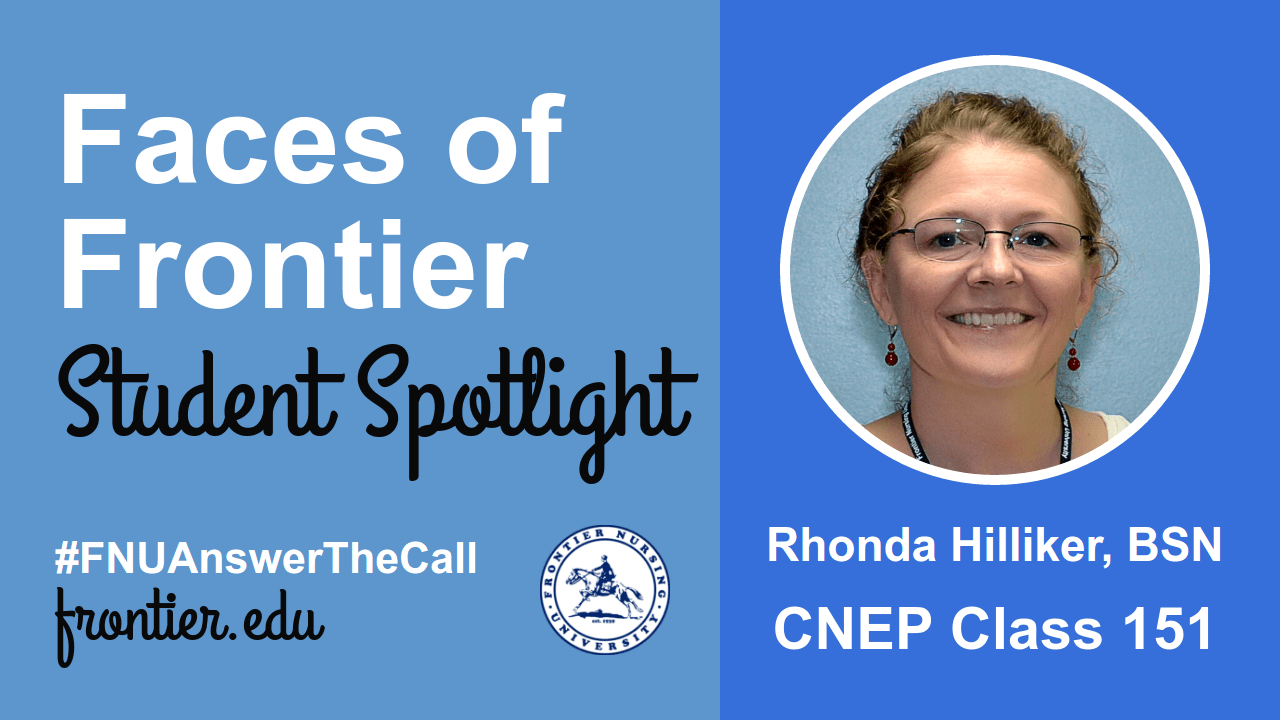 obtained her BSN online while working full-time night shift at the busiest labor and delivery deck in the United States Army. Since 2008, she has chosen to leave the comforts of life in the United States and serve on the mission field in the African ‘bush’. Most recently, she served almost nine months in Sierra Leone, Africa, as a labor and delivery nurse, clinical lead, and nurse educator.
 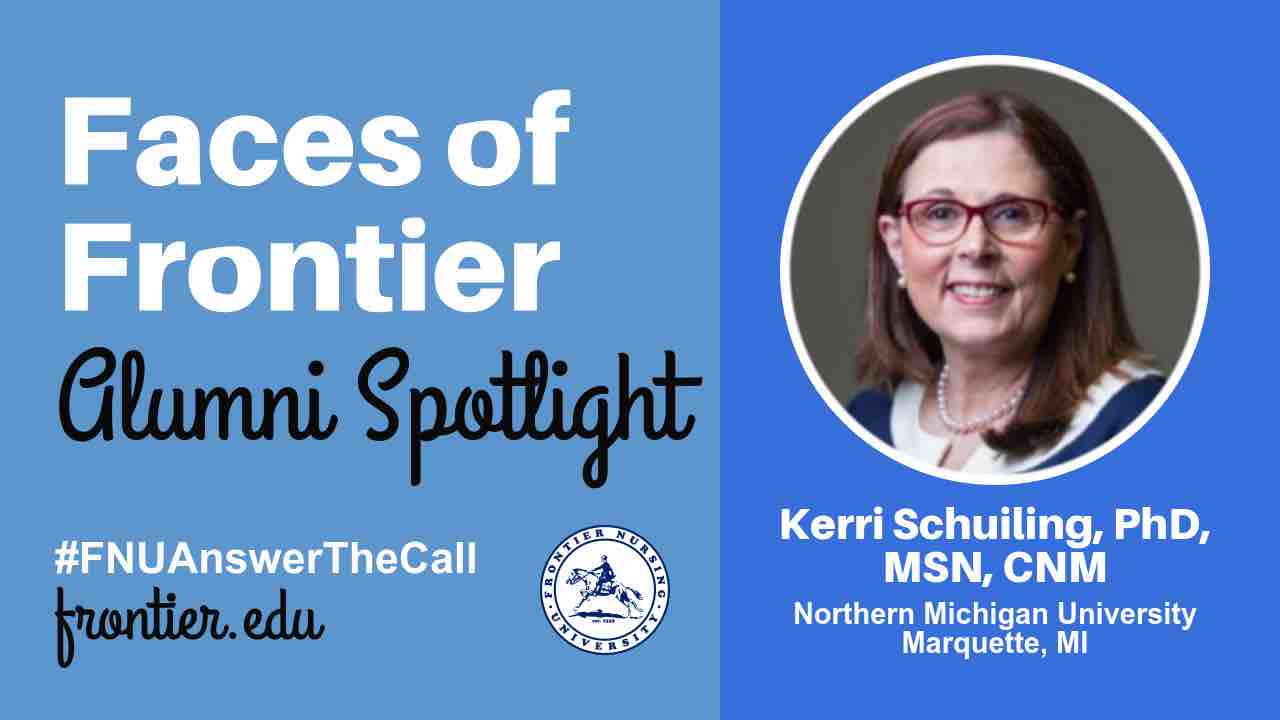 nursing school at Northern Michigan University (NMU), she was quickly given an opportunity to become a nurse practitioner. As only the third nurse practitioner in the state of Michigan, Kerri enjoyed her work but found herself longing to become a nurse-midwife so she could be more involved with mothers and babies.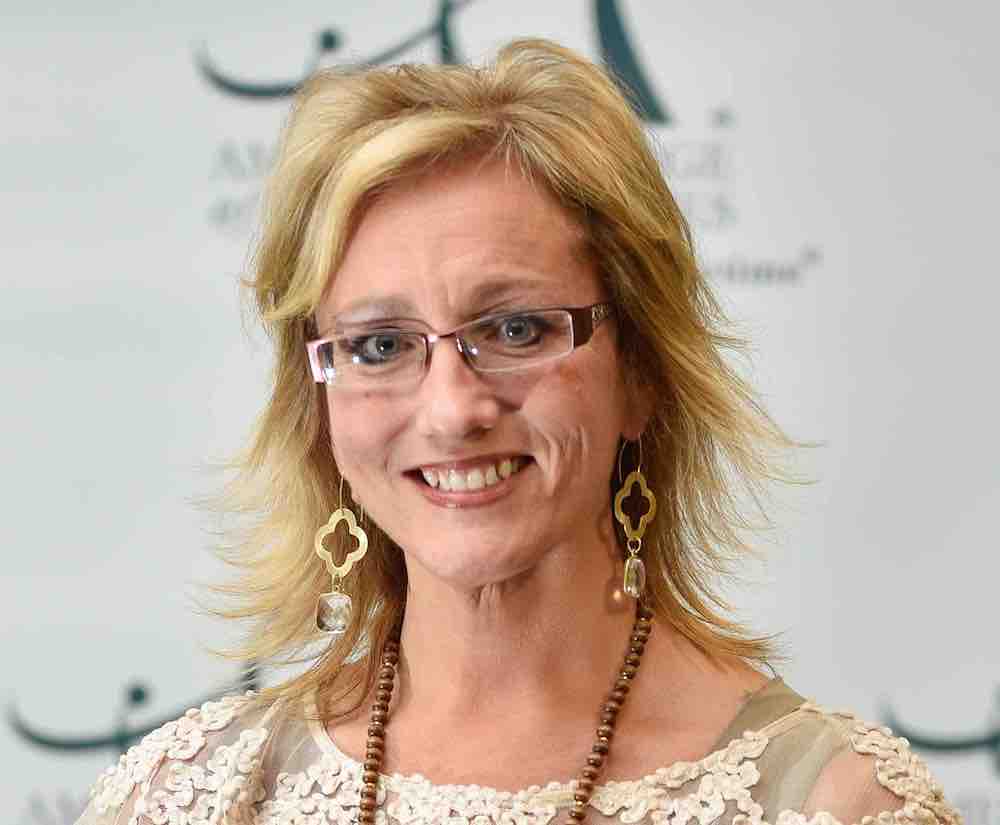
 I began to discover some distinct client advantages for interprofessional practice. The nurse-midwives in this practice were integrated into a multi-specialty clinic. We had an open exchange of ideas with our collaborating physicians as well as the luxury of readily available referral resources like physical therapy, diabetic education and neurology.
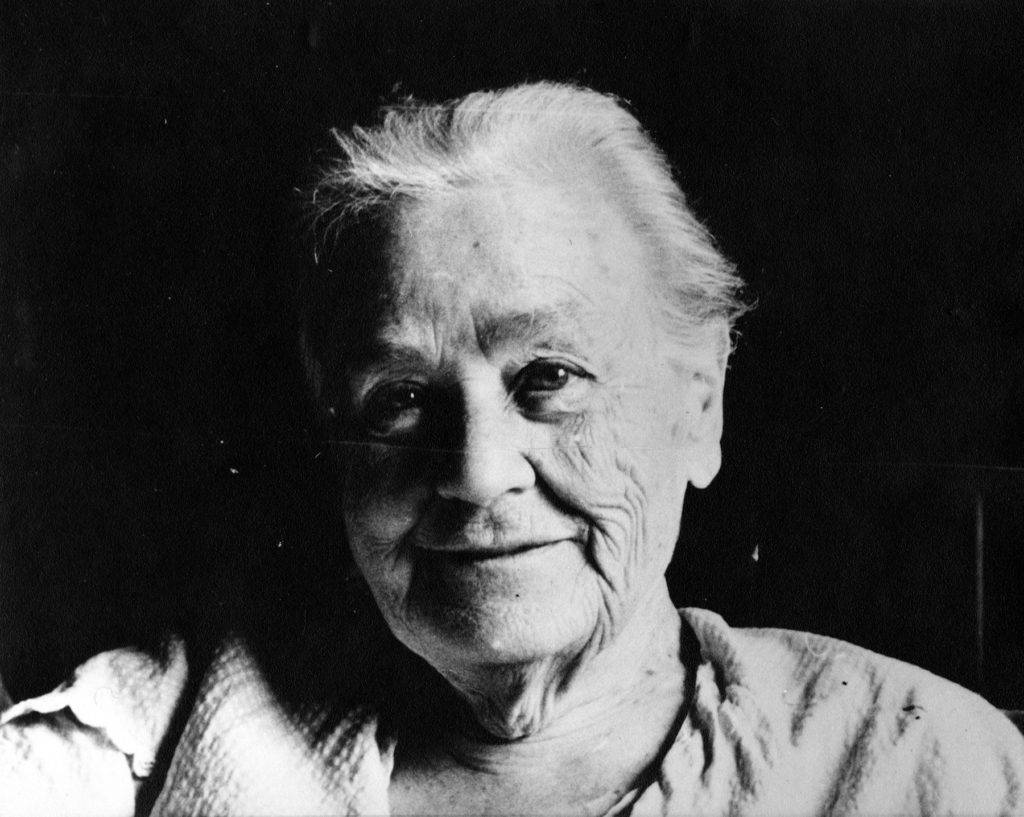 This Friday, Feb. 17, is the birthdate of Frontier Founder Mary Breckinridge, and we are celebrating her life by releasing historical film footage captured during the time of the Frontier Nursing Service (FNS).
 Practice degree? Here’s the who, what, when and why of the DNP.
 Alaska, and all the way to the island of Guam, Frontier Nursing University (FNU) hosted 116 case days with 700 participants in 2016!


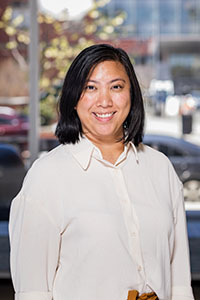
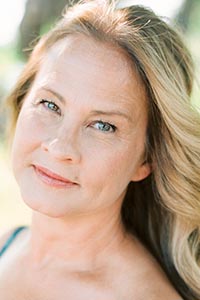
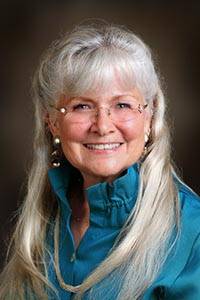
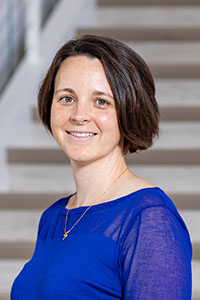
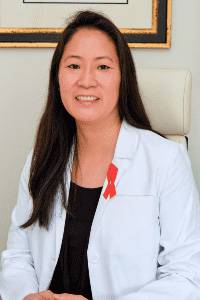 Carrie Belin is an experienced board-certified Family Nurse Practitioner and a graduate of the Johns Hopkins DNP program, Johns Hopkins Bloomberg School of Public Health, Georgetown University School of Nursing, and Johns Hopkins School of Nursing. She has also completed fellowships at Georgetown and the University of California Irvine.
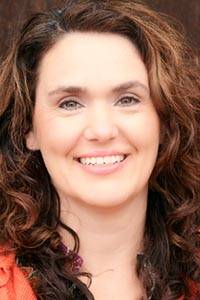 Angie has been a full-scope midwife since 2009. She has experience in various birth settings including home, hospital, and birth centers. She is committed to integrating the midwifery model of care in the US. She completed her master’s degree in nurse-midwifery at Frontier Nursing University (FNU) and her Doctorate at Johns Hopkins University. She currently serves as the midwifery clinical faculty at FNU. Angie is motivated by the desire to improve the quality of healthcare and has led quality improvement projects on skin-to-skin implementation, labor induction, and improving transfer of care practices between hospital and community midwives. In 2017, she created a short film on skin-to-skin called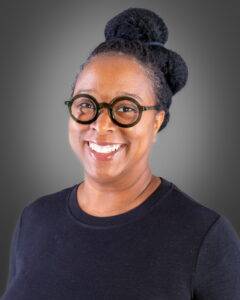

 Justin C. Daily, BSN, RN, has ten years of experience in nursing. At the start of his nursing career, Justin worked as a floor nurse on the oncology floor at St. Francis. He then spent two years as the Director of Nursing in a small rural Kansas hospital before returning to St. Francis and the oncology unit. He has been in his current position as the Chemo Nurse Educator for the past four years. He earned an Associate in Nurse from Hutchinson Community College and a Bachelor of Science in Nursing from Bethel College.
 Brandy Jackson serves as the Director of Undergraduate Nursing Programs and Assistant Educator at Wichita State University and Co-Director of Access in Nursing. Brandy is a seasoned educator with over 15 years of experience. Before entering academia, Brandy served in Hospital-based leadership and Critical Care Staff nurse roles. Brandy is passionate about equity in nursing education with a focus on individuals with disabilities. Her current research interests include accommodations of nursing students with disabilities in clinical learning environments and breaking down barriers for historically unrepresented individuals to enter the nursing profession. Brandy is also actively engaged in Interprofessional Education development, creating IPE opportunities for faculty and students at Wichita State. Brandy is an active member of Wichita Women for Good and Soroptimist, with the goal to empower women and girls. Brandy is a TeamSTEPPS master trainer. She received the DASIY Award for Extraordinary Nursing Faculty in 2019 at Wichita State University.
  Dr. Sabrina Ali Jamal-Eddine is an Arab-disabled queer woman of color with a PhD in Nursing and an interdisciplinary certificate in Disability Ethics from the University of Illinois Chicago (UIC). Dr. Jamal-Eddine’s doctoral research explored spoken word poetry as a form of critical narrative pedagogy to educate nursing students about disability, ableism, and disability justice. Dr. Jamal-Eddine now serves as a Postdoctoral Research Associate in UIC’s Department of Disability and Human Development and serves on the Board of Directors of the National Organization of Nurses with Disabilities (NOND). During her doctoral program, Sabrina served as a Summer Fellow at a residential National Endowment of the Humanities (NEH) Summer Institute at Arizona State University (2023), a summer fellow at Andrew W. Mellon’s National Humanities Without Walls program at University of Michigan (2022), a Summer Research Fellow at UC Berkeley’s Othering & Belonging Institute (2021), and an Illinois Leadership Education in Neurodevelopmental and related Disabilities (LEND) trainee (2019-2020).
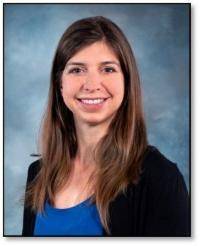 Vanessa Cameron works for Vanderbilt University Medical Center in Nursing Education & Professional Development. She is also attending George Washington University and progressing towards a PhD in Nursing with an emphasis on ableism in nursing. After becoming disabled in April 2021, Vanessa’s worldview and perspective changed, and a recognition of the ableism present within healthcare and within the culture of nursing was apparent. She has been working since that time to provide educational foundations for nurses about disability and ableism, provide support for fellow disabled nursing colleagues, and advocate for the disabled community within healthcare settings to reduce disparities.
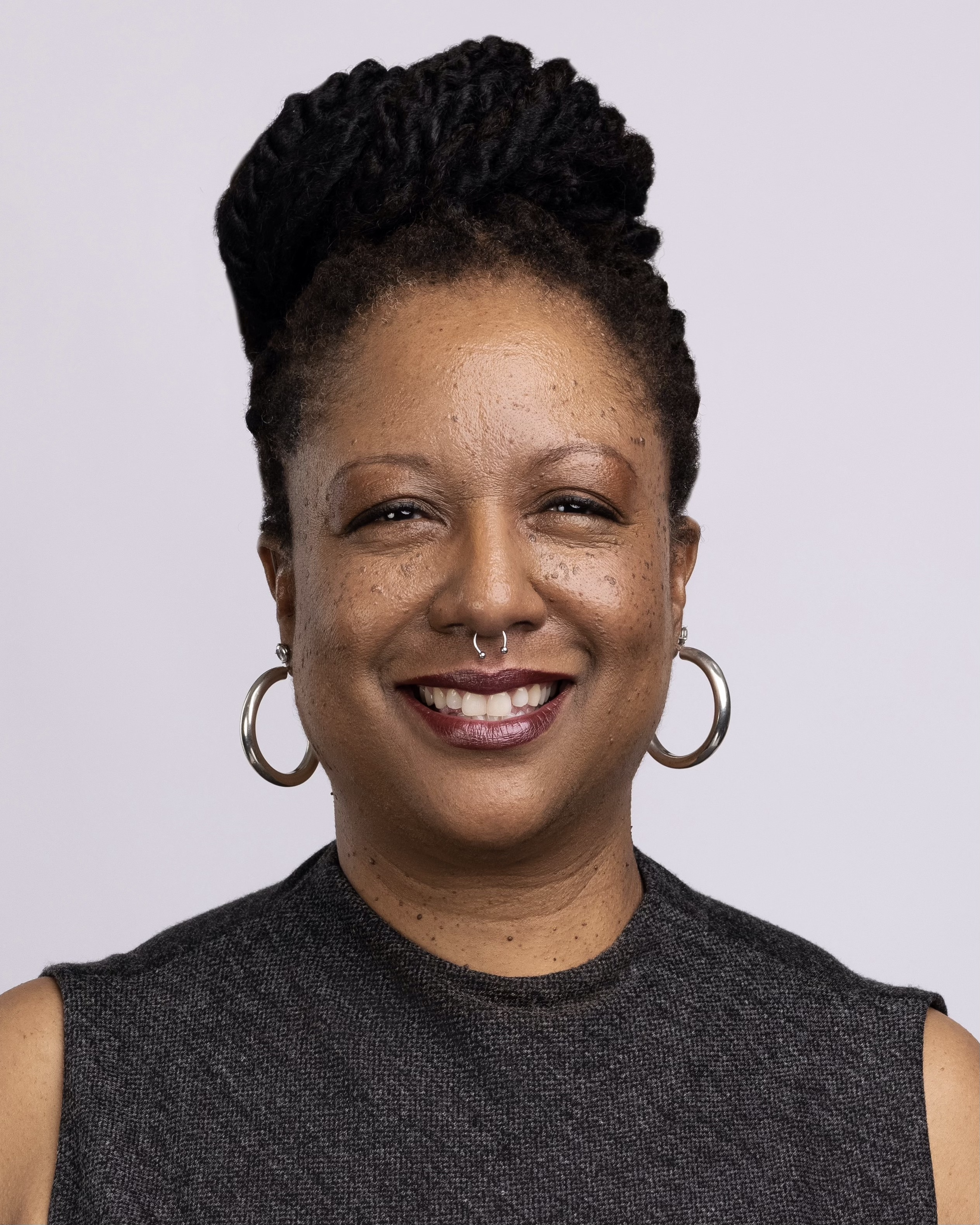 Dr. Lucinda Canty is a certified nurse-midwife, Associate Professor of Nursing, and Director of the Seedworks Health Equity in Nursing Program at the University of Massachusetts Amherst. She earned a bachelor’s degree in nursing from Columbia University, a master’s degree from Yale University, specializing in nurse-midwifery, and a PhD from the University of Connecticut. Dr. Canty has provided reproductive health care for over 29 years. Her research interests include the prevention of maternal mortality and severe maternal morbidity, reducing racial and ethnic health disparities in reproductive health, promoting diversity in nursing, and eliminating racism in nursing and midwifery.
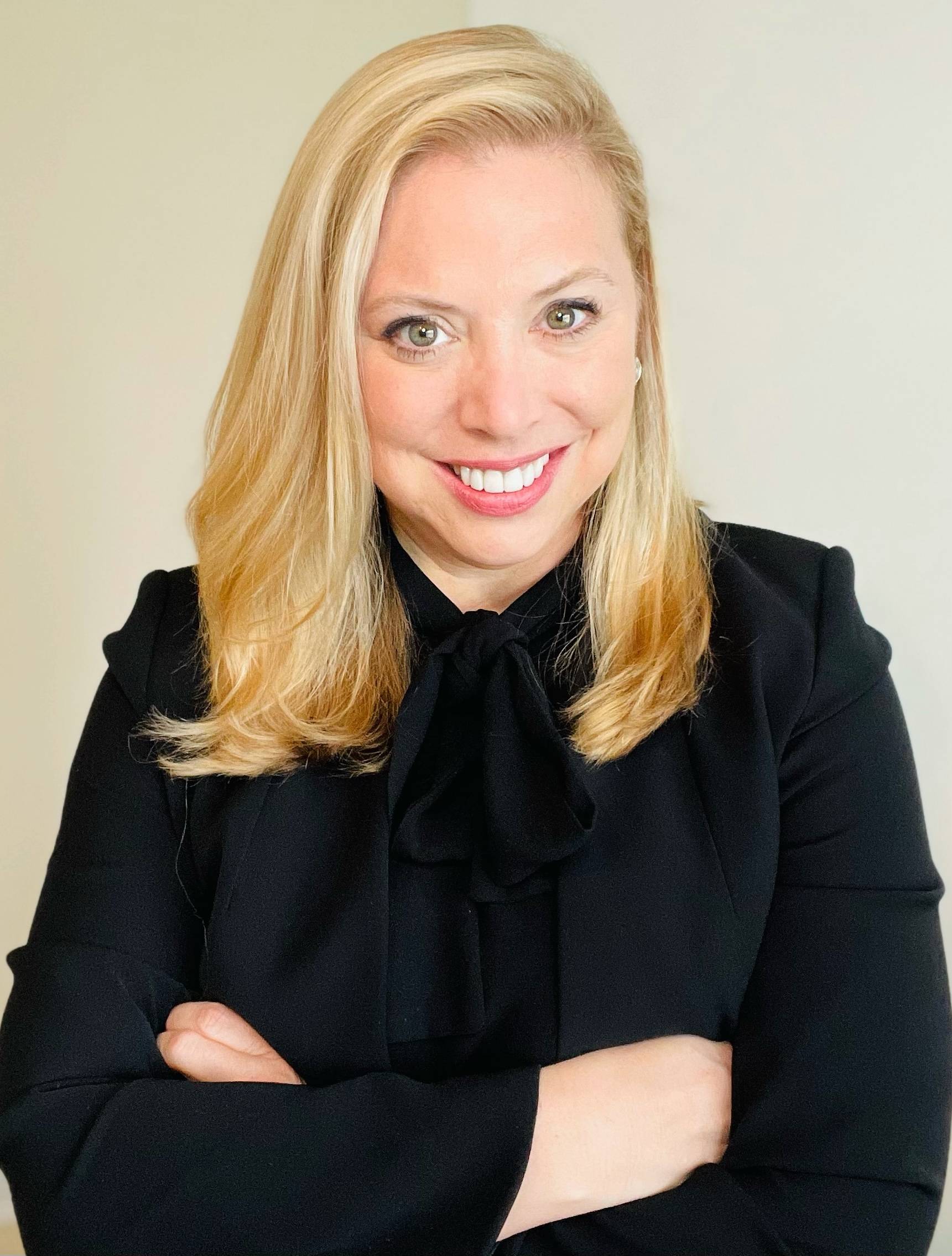 Dr. Lisa Meeks is a distinguished scholar and leader whose unwavering commitment to inclusivity and excellence has significantly influenced the landscape of health professions education and accessibility. She is the founder and executive director of the DocsWithDisabilities Initiative and holds appointments as an Associate Professor in the Departments of Learning Health Sciences and Family Medicine at the University of Michigan.
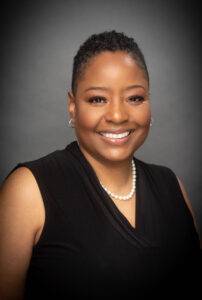 Dr. Nikia Grayson, DNP, MSN, MPH, MA, CNM, FNP-C, FACNM (she/her) is a trailblazing force in reproductive justice, blending her expertise as a public health activist, anthropologist, and family nurse-midwife to champion the rights and health of underserved communities. Graduating with distinction from Howard University, Nikia holds a bachelor’s degree in communications and a master’s degree in public health. Her academic journey also led her to the University of Memphis, where she earned a master’s in medical anthropology, and the University of Tennessee, where she achieved both a master’s in nursing and a doctorate in nursing practice. Complementing her extensive education, she completed a post-master’s certificate in midwifery at Frontier Nursing University.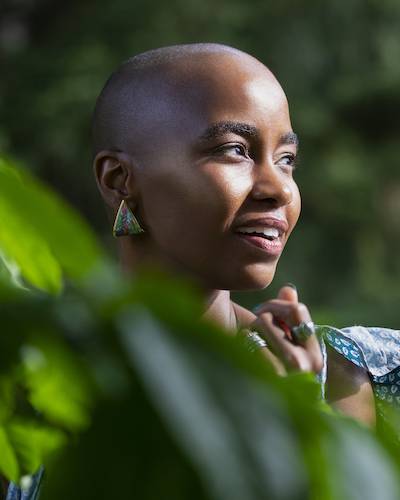
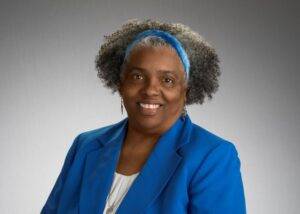


 Dr. Tia Brown McNair is the Vice President in the Office of Diversity, Equity, and Student Success and Executive Director for the Truth, Racial Healing, and Transformation (TRHT) Campus Centers at the American Association of Colleges and Universities (AAC&U) in Washington, DC. She oversees both funded projects and AAC&U’s continuing programs on equity, inclusive excellence, high-impact practices, and student success. McNair directs AAC&U’s Summer Institutes on High-Impact Practices and Student Success, and TRHT Campus Centers and serves as the project director for several AAC&U initiatives, including the development of a TRHT-focused campus climate toolkit. She is the lead author of From Equity Talk to Equity Walk: Expanding Practitioner Knowledge for Racial Justice in Higher Education (January 2020) and Becoming a Student-Ready College: A New Culture of Leadership for Student Success (July 2016 and August 2022 Second edition).