
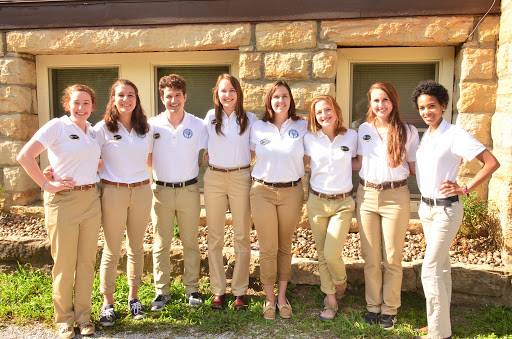
At the heart of Frontier Nursing University is a talented and diverse community of students, alumni, faculty, staff, Couriers and preceptors. Spotlight blogs feature members of our FNU community who are focused on the mission of educating nurse-midwives and nurse practitioners to deliver quality health care to underserved and rural populations.
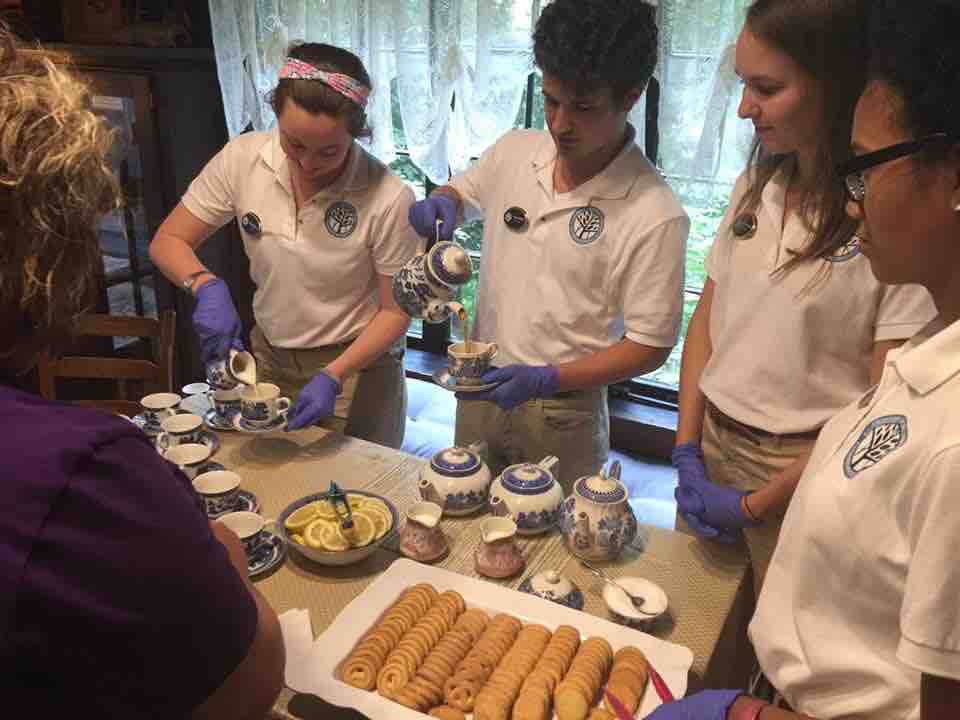
In 1928, Mary Breckinridge, founder of Frontier Nursing University established the Courier Program, recruiting young people to work in the Kentucky Mountains and learn about service to humanity. Couriers escorted guests safely through remote terrain, delivered medical supplies to remote outpost clinics, and helped nurse-midwives during home visits and births. Frontier has benefited tremendously from the 1,600 Couriers who have served since 1928.
We had the opportunity for you to ask the Couriers questions. Here’s what they had to say.
Q: What are past Couriers doing today? – Nadia Stovicek
A: Due to the age group of our most recent Couriers, many Couriers are still pursuing their undergraduate education or are pursuing graduate medical programs. For more information about former Couriers, please visit our Courier Stories page on our website, or check out our Courier Program playlist.
Q: Why did you choose to spend your summer at Frontier? – Dr. Susan Stone, FNU President
A: “I was immediately drawn to the service learning focus of the Courier program and the immersive nature of the experience. It wasn’t just a 9-5 job shadowing program on a hospital unit. I wanted to get out of the space that I knew and learn more about healthcare, and life in general, with the hope that I would develop an understanding of how I could approach health and well-being in my own community from a more holistic perspective.” – Claire Gasparovich
“As a future CNM (certified nurse-midwife), I am inspired by the history and legacy of Mary Breckinridge. I also knew I’d be proud to walk among powerful female role models as a Courier, a program that largely began with women ages 19-25 riding horseback up hollers. I think that’s incredible.” – Zandy Stovicek
“I chose to spend a summer at Frontier for a mix of personal and professional reasons. On a professional level, I’m interested in rural health. This part of the country is also very underserved and I think we need more young people who are familiar with it and willing to advocate for it. On a personal level both of my paternal grandparents are from not too far from where I’m working, but I’ve never been to the part of the country they grew up in. It has been eye-opening.” – Matt Hodges
Q: What are some stereotypes the students had about the area? What have they learned about those stereotypes? Are any of the stereotypes true? Going forward, what can they do to dispel those stereotypes to their own family/friends back home? – Jamie Wheeler, FNU Staff Member
A: “The biggest stereotype I had coming in was that many towns in Appalachia are dead/lost towns without the coal industry. I have been disappointed that this is true to a degree, but the culture here is incredibly rich and vibrant with some of the most amazing people. When I leave this internship to go home, I hope that the economy is able to prosper in these regions and that this area does not actually become a lost town. Going back, I plan on sharing with people that this is a forgotten frontier but there is hope for the future.” – Brie Belz
“I had heard many negative stereotypes about the lack of literacy here and I found them incredibly false while being here. I will definitely not judge a population before getting to know them well as a result.” – Brigid Horan
“I believe I carried many of the stereotypes that we all think of when we consider rural life in Appalachia– images driven by careless media and dramatic television, not intentionally but because it was all I had ever seen. The idea that the area is overrun with substance abuse. That I would have a hard time getting people to trust me much less share their lives with me. That people were less educated or possibly less civilized. Over the last month I have learned so much to convince me that these things are untrue, and while Appalachia certainly has its struggles, it is a culture and a community that is made up of so much more than what many would like to believe. Like any place in any area of the world, it can not be taken at face value.” – Claire Gasparovich
Q: What was your family’s impression of you coming to rural Eastern Kentucky for the summer? – Jamie Wheeler, FNU Staff Member
A: “My mom and sister were both very enthusiastic about it. My sister knew a former Courier and is a practicing FNP and so was very optimistic about this experience for me. My mom is always looking for information so she researched the Courier program pretty intensively when I applied and when I was accepted. My dad and my brother were a bit more skeptical just because they didn’t have as much of an understanding about what I would be doing while here. After spending last summer in rural Ecuador, however, I think my parents were mostly just relieved that I’d be in the country.” – Calla Michalak
“My mom was worried, as all moms are, since she knew I would be going into an isolated area. Both of my parents drove down with me, and when they saw the town I would be in, they were comforted and pleased with it…. My family in general was supportive and excited for me because they knew that I love to travel and serve people; they thought this was a perfect opportunity for me.” – Brittany Imel
“They were super excited because I am the second one in my family to do the program.” – Brigid Horan (Brigid is the sister of Teresa Horan who served in 2013).
Q: How is East KY different than you expected? – Joel Brashear, Community Member and producer of ‘Our Mountains’
“I did not expect to love the area and the people as much as I do.” – Brigid Horan
“I definitely didn’t expect everyone to be so welcoming to us. Everyone that I’ve met here has been very warm and receptive to meeting the Couriers and chatting with us about their experiences living here and our experiences while visiting. In some situations, I think people assume that outsiders coming into a community are just looking for problems and things to change and are therefore hesitant to open up. I think Frontier’s legacy in this area has definitely given us a chance to get to know people in the community more quickly than we otherwise might have.” – Calla Michalak
Q: What is an ” Easy Win” change you see for Leslie County? I.e. One impactful change with minimal effort. – Joel Brashear, community member and producer of ‘Our Mountains’
A: “Install little libraries in rural neighborhoods for children, and install summer programs for teenagers to teach them how to be innovative in helping people.” – Ronnie Sloan
“I think Leslie County could benefit from transitioning to a tourist/outdoors town.” – Brittany Imel
“Mentoring program.” – Brigid Horan
Q: Can you share an “A-Ha” moment with us? – Stephanie Boyd, FNU staff member
A: “I think my a-ha moment was born out of the realization that I can’t make an immediate change here. For the first three weeks or so, I expected to be able to come into Leslie County and make a real and immediate impact on the health of the community. One day, when I was feeling kindof down about my lack of impact, I had a conversation that changed my outlook. I don’t think the point of us being here is to make radical changes. I think the point of the Courier program is to get us here learning about some of the issues that the people here face and WHY it is that these specific issues exist here. In gaining that knowledge, we will be able to eventually carry that deeper understanding into our futures as healthcare practitioners either here in Leslie County or in other underserved areas around the world.” – Calla Michalak
“I think my biggest “A-Ha” moment was when I realized the lack of communication in the county. Many people do not even realize that there is now a pediatrician, and that is due to no internet and the isolation.” – Brittany Imel
“There was one day at the Health Wagon when I was calling patients and trying to schedule follow-up appointments with them. I remember one woman specifically talked on the phone with me for nearly 45 minutes, sharing nearly every detail of her medical history over the last 15. At first I thought, “simple enough, come into the clinic and we will get you some answers.” That’s when she told me that not only did she live nearly 4 hours away, but she didn’t have a car. I felt pretty helpless and really stupid at that point. Even a completely free, full-service health clinic can’t be the perfect solution.” – Claire Gasparovich
Q: If you could summarize your courier experience with one hashtag what would it be? – Stephanie Boyd, FNU Staff Member
A: #slowdownstepup – Zandy Stovicek
#foreverlearner #grateful – Ronnie Sloan
#lifechanging – Brittany Imel
#tryingsomuchfood – Brigid Horan
Q: What advice do you have for future Couriers? – Joel Brashear, community member and producer of ‘Our Mountains’
A: “Think about your intentions going into this program. You only get out of it what you put in; to get to know the community, you will have to leave Wendover, say hi to strangers, go to community events. To do shadowing and other work at your clinical sites you will have to keep asking nurses if you can follow them, keep giving your boss ideas for projects, keep finding new programs to check out. If you can do that with a smile on your face, this is the program for you :)” – Zandy Stovicek
“I would say be open to the possibilities. As a person who would not be in the medical field, I learned the connection of healthcare of people in the community should be taken into account when I build and transform a city. I learned that being an urban planner is more than building a pretty city. It is about joining with others to build a more effective city that people can be proud of and thrive in.” – Ronnie Sloan

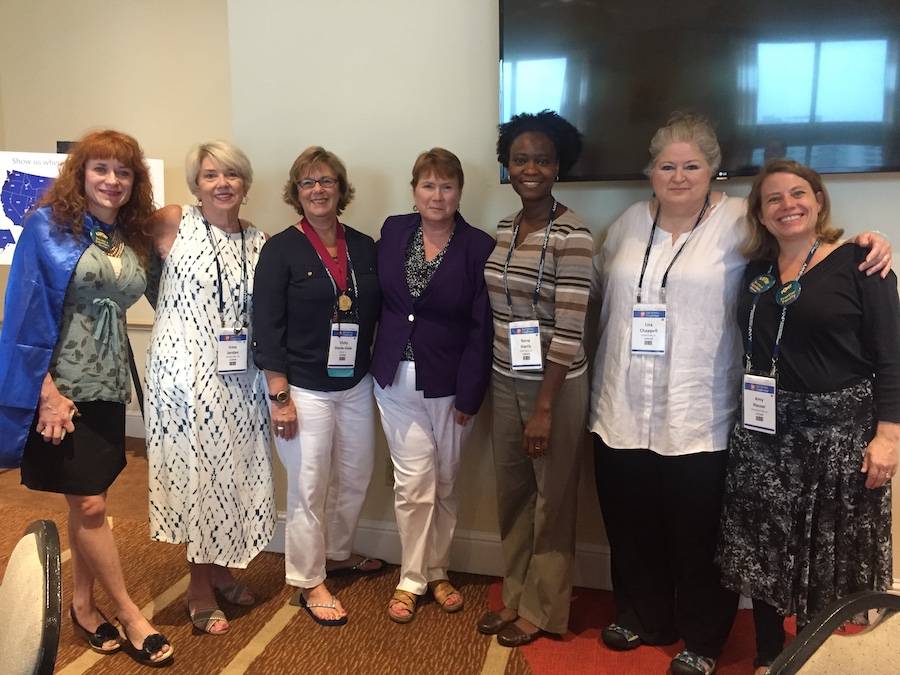
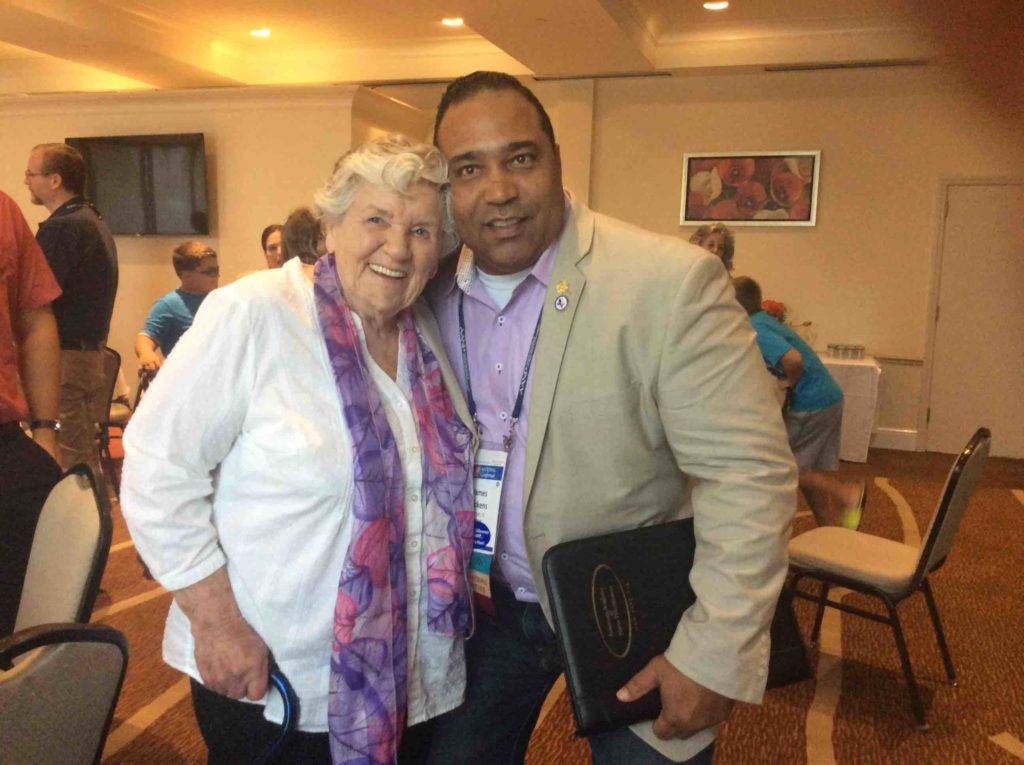 Kitty Ernst Honors Nurse Practitioner with Purple Hat
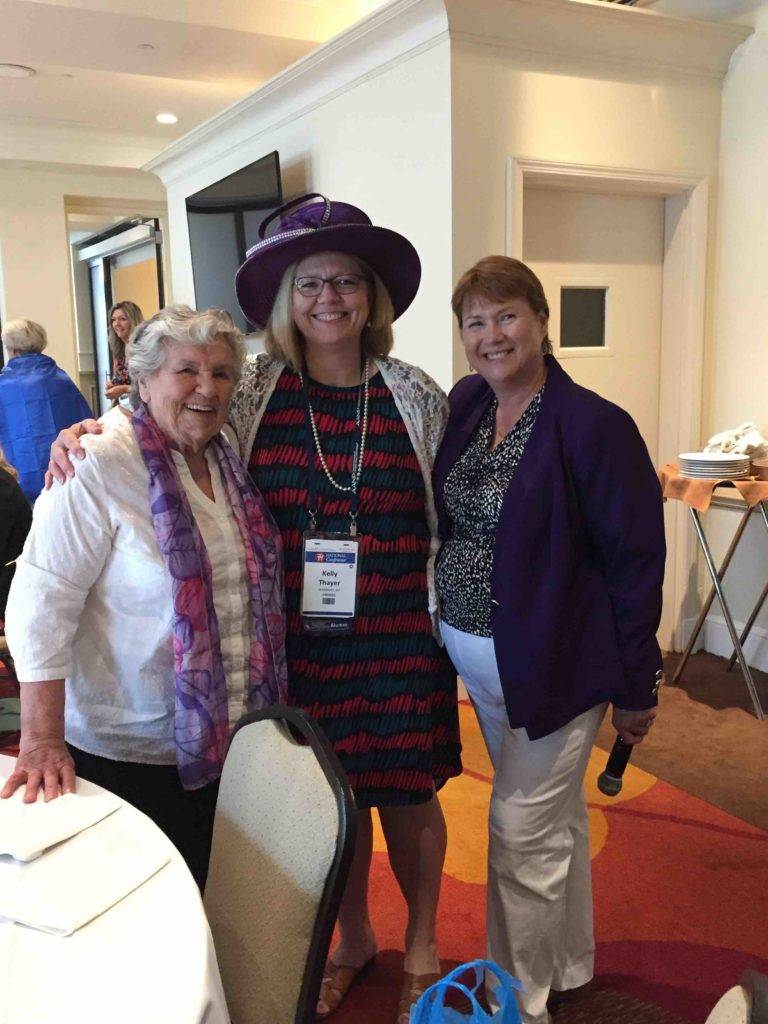 Another special guest who wewere honored to have attend our breakfast was Captain James LaVelle Dickens, DNP, RN, FNP-BC. Captain James Dickens serves in the U.S. Department of Health and Human Services Regional Office (HHS), Office of the Secretary, Region VI Dallas, TX as a Senior Public Health Advisor for the Office of Minority Health (OMH). He recently was the premiere speaker at the FNU 2017 Diversity Impact event.
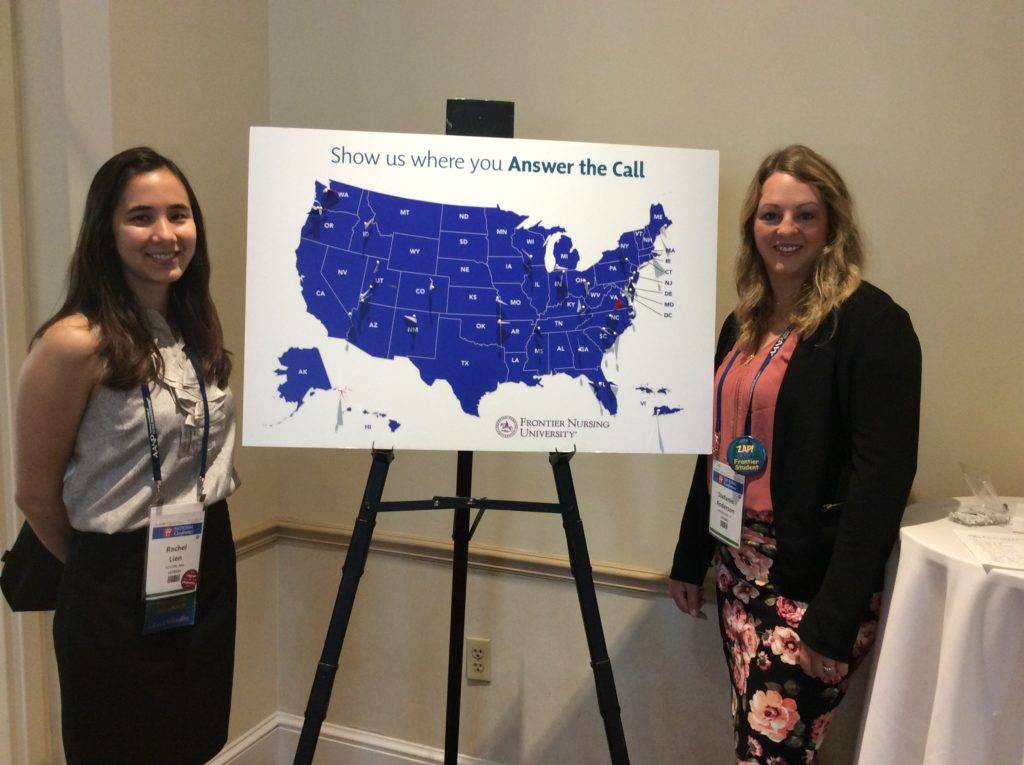 PRIDE Student Ambassadors at AANP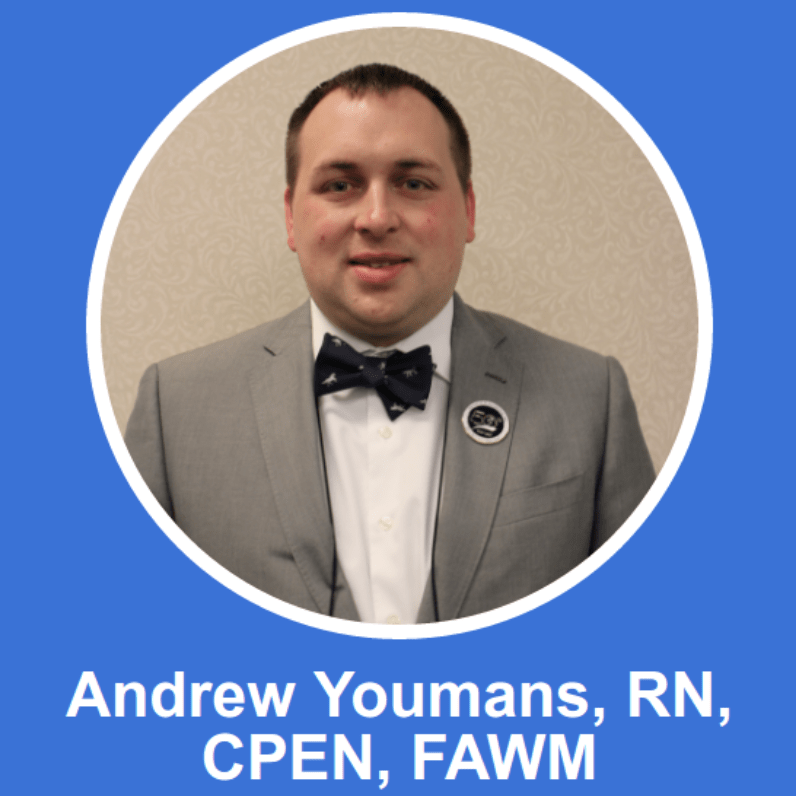
 Frontier Nursing University (FNU) student Andrew Youmans originally had no plans to become a nurse-midwife. Early in his career, he obtained his associate’s degree in nursing from Athens Technical College. During his time in school, he got a job as an obstetric technician at his local hospital to get his foot in the door and gain some health care experience.
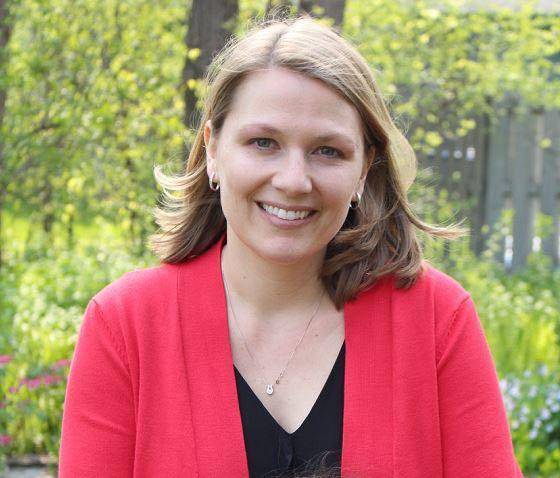
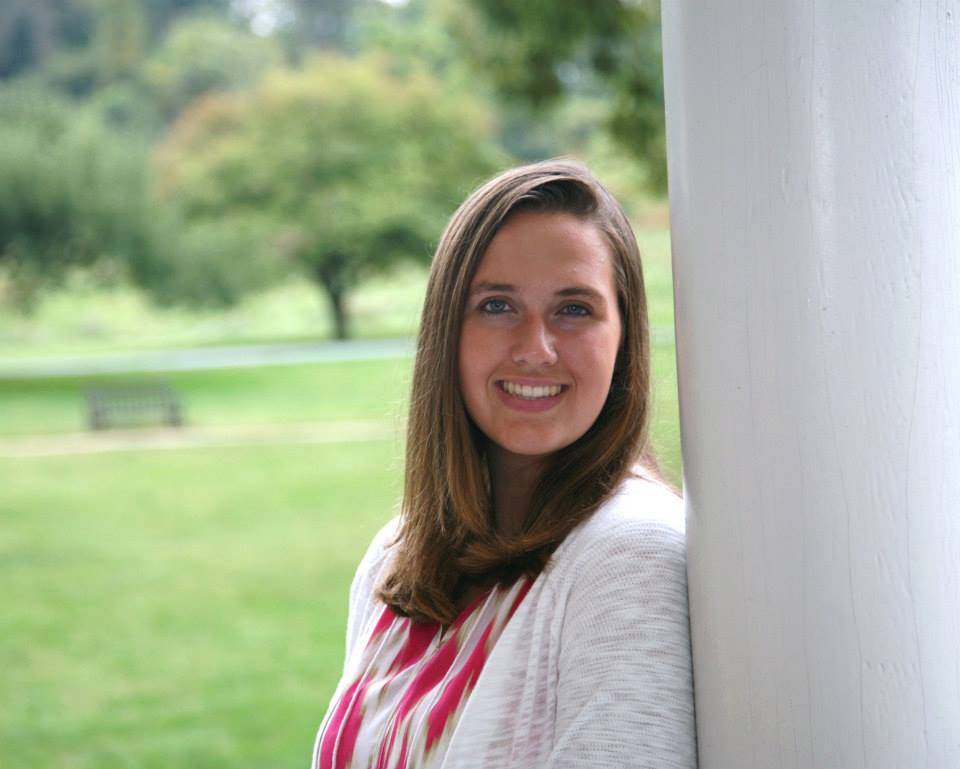 Brittany Imel is a sophomore Biology major with a minor in art history at Allegheny College in Meadville, PA. In her free time, she enjoys being outside and working out. Her dream job growing up was to be a pediatrician. Her favorite musical artist is Carrie Underwood. Her future goals include going to graduate school to become a physician assistant and working in a pediatrics office. Brittany says, “ I want to improve and grow on this experience by learning more about public health and services in a rural community. I also look forward to gaining a better understanding of how health care clinics operate and benefit people in their communities.”
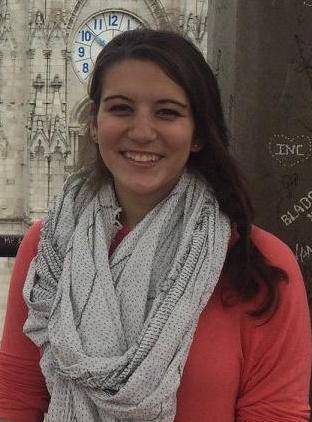 Calla Michalak is originally from Memphis, TN and is preparing to enter her senior year at Michigan State University. She plans to graduate from the Honors College in 2018 with a degree in Psychology and minors in Bioethics, Humanities, and Society and Health Promotion. After finishing her undergraduate degree, she plans on entering a combined accelerated Bachelors/Masters program to become either a pediatric or women’s health nurse practitioner. When asked what she wanted to be when she grew up, she answered, “I always wanted a job that would allow me to just hang out with animals (especially dogs) and give them love. So, my dream job wasn’t really a job that existed.” She has participated in many research projects while at Michigan State. Some of her research was published in the first volume of the MSU Social Science Scholars Undergraduate Research.
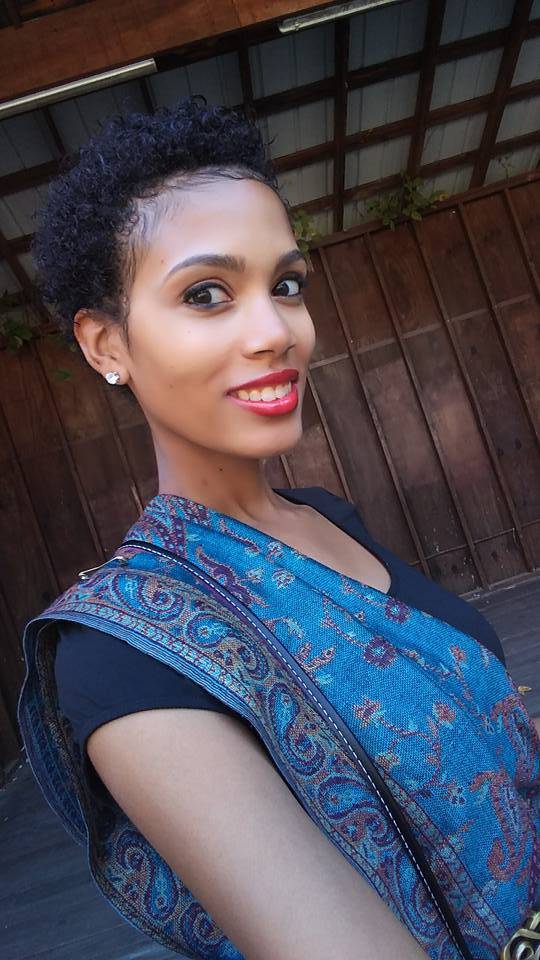 Ronnie Sloan is a 20-year-old sophomore at Berea College in Berea, KY. She intends to major in Environmental Policy, and hopes to become an urban planner. Ronnie loves helping others and being a part of something bigger than herself. In her free time, she likes to travel and learn about unfamiliar cultures and situations. When asked what animal best represents her, she answered, “A wolf because I am very analytical, organized for the next move, smart, and quiet but quick on my feet.” She considers her proudest accomplishment to be when she trained to run a marathon. In 5 years, Ronnie hopes to be finishing graduate school for a career she is passionate about and saving for a home.
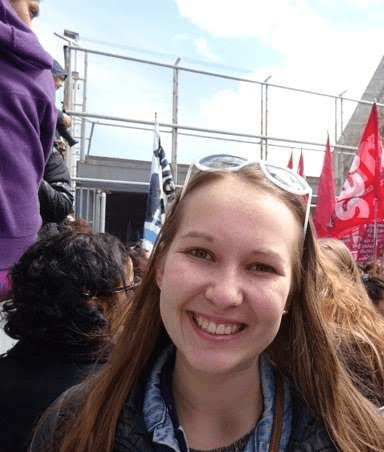 Alexandra “Zandy” Stovicek is a triplet fromWeehawken, New Jersey and a soon-to-be graduate of Wesleyan University in CT. Her major is in Feminist, Gender, and Sexuality Studies and her passion is reproductive health equity. She is the leader of the Wesleyan Doula Project, a full-spectrum doula organization that trains volunteers to informationally, emotionally, and physically support patients through reproductive experiences. She also teaches yoga, occasionally acts and directs plays, and loves to spend time outdoors. When asked about the craziest thing she has ever done, she answered that she went ziplining in CA off the coast of Catalina Island. She is hoping to attend nurse-midwifery school in a year or two and can’t wait to meet the FNU community!
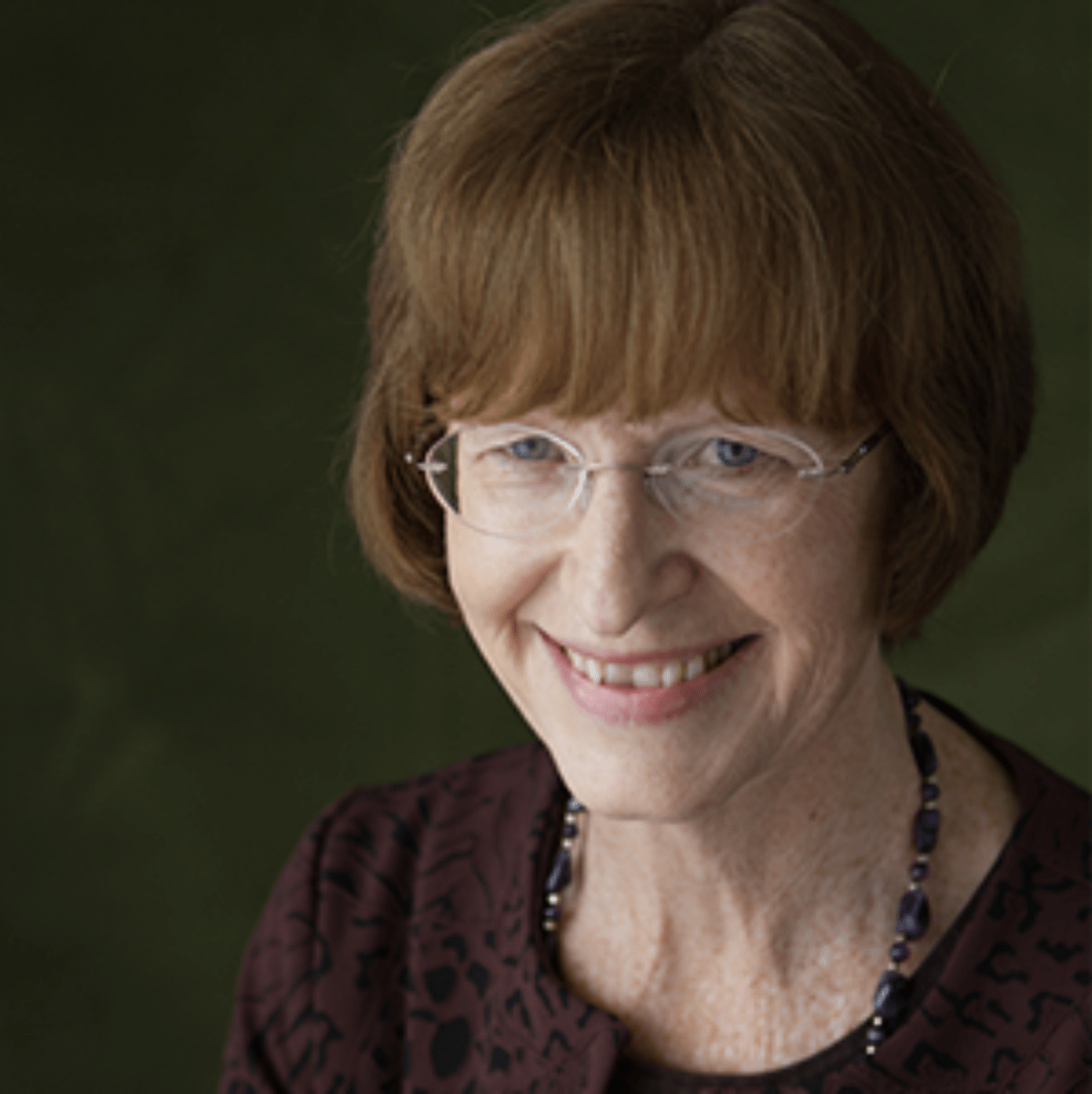
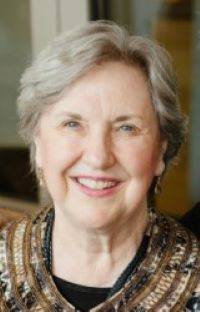
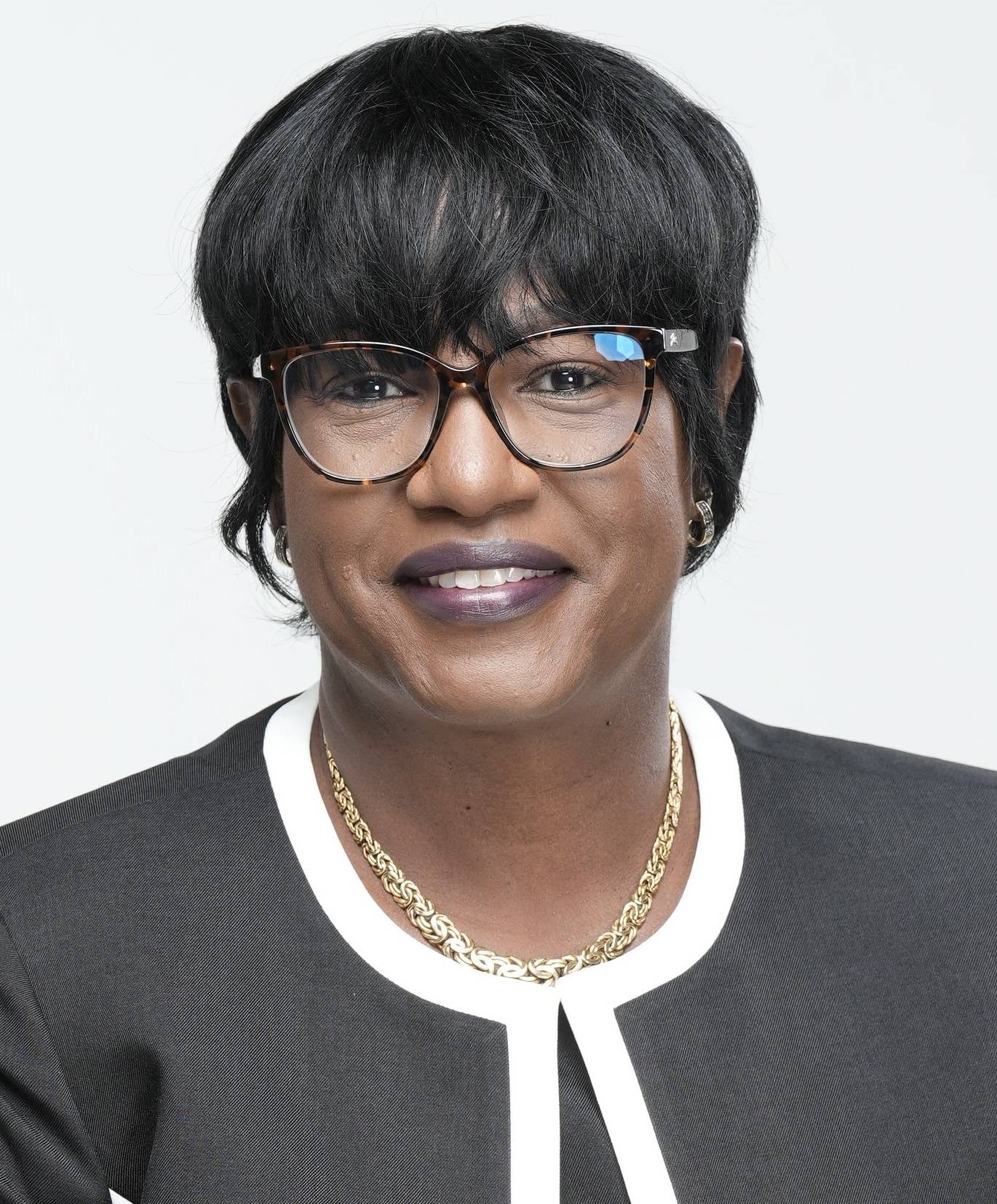

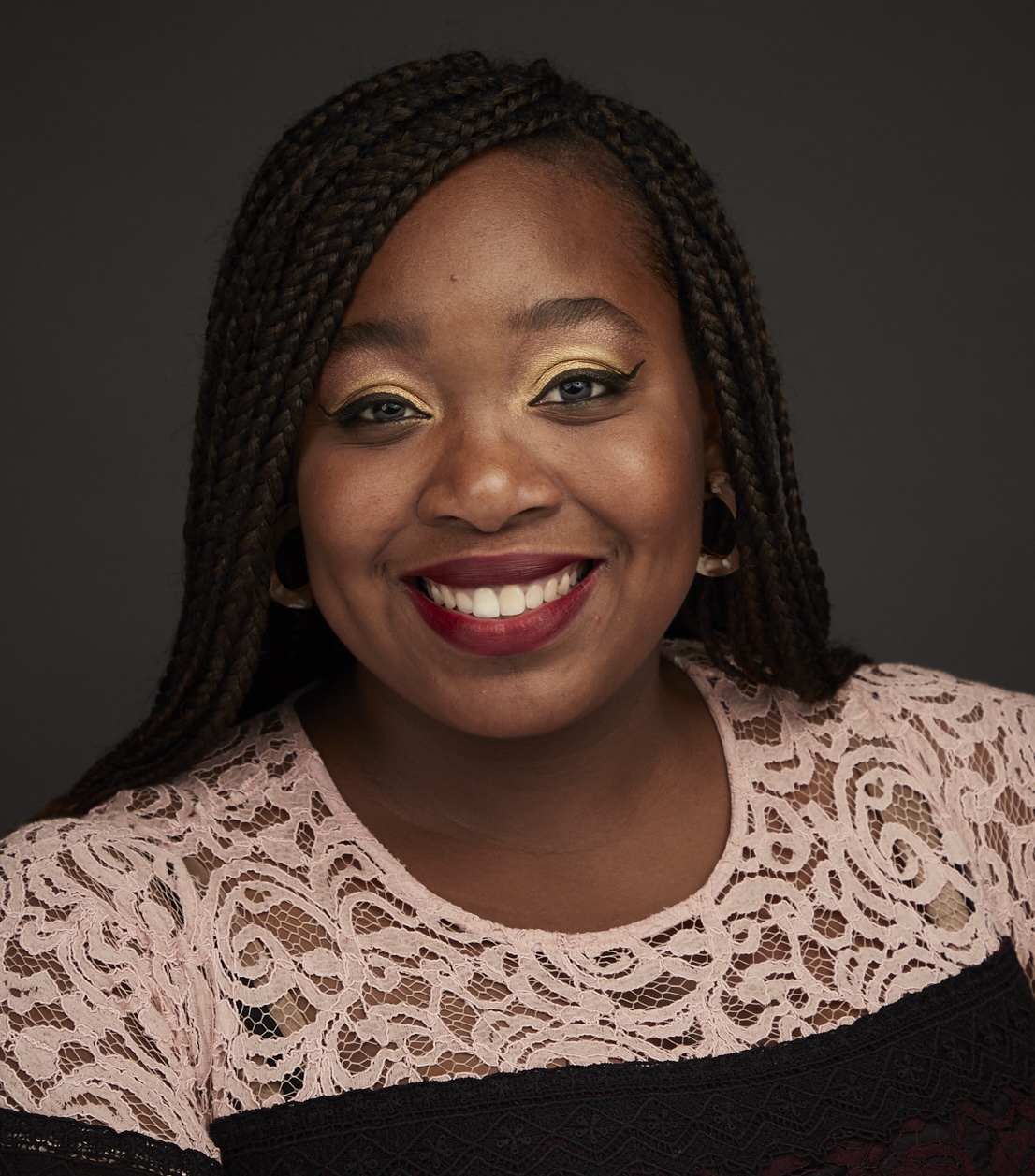

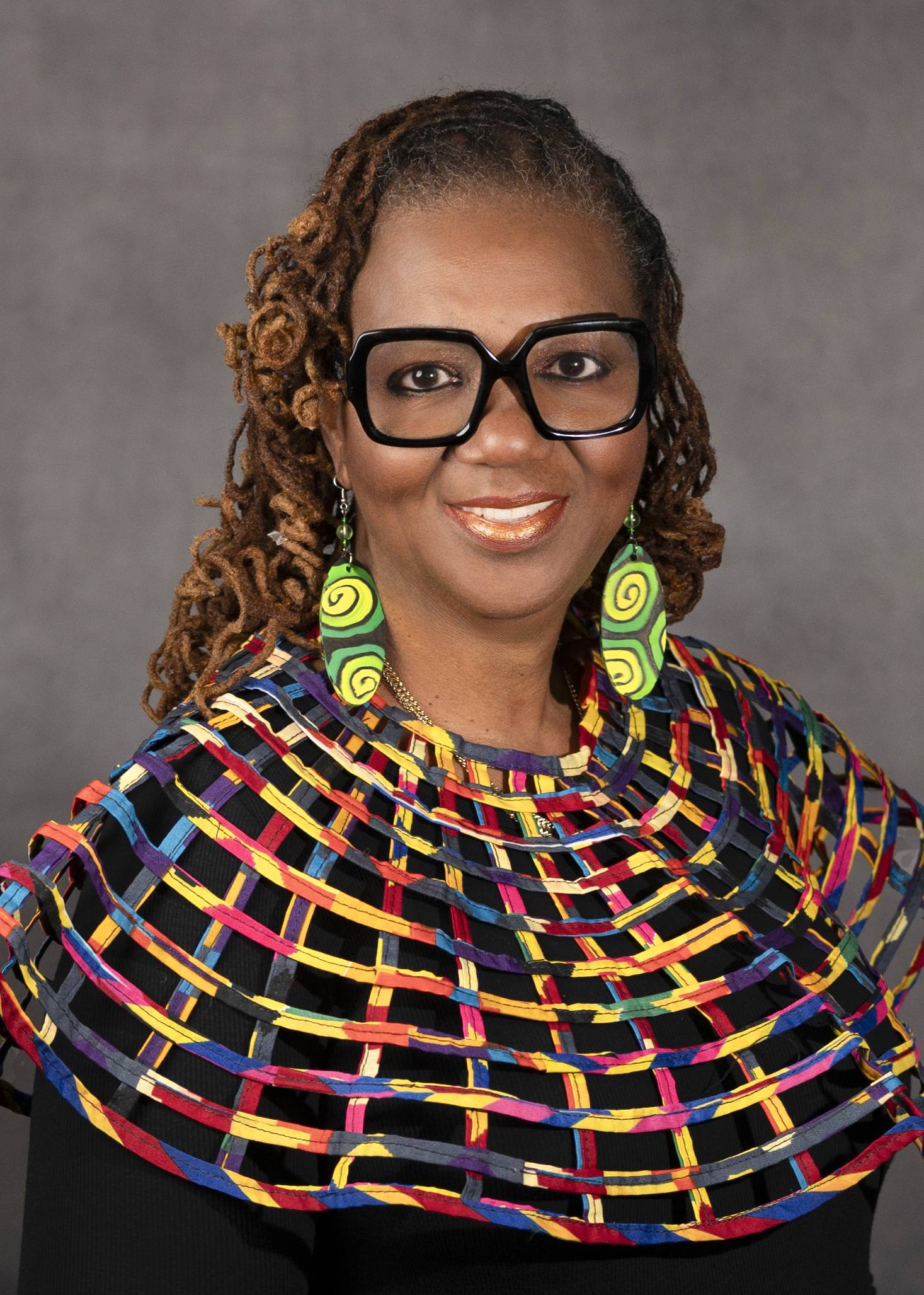
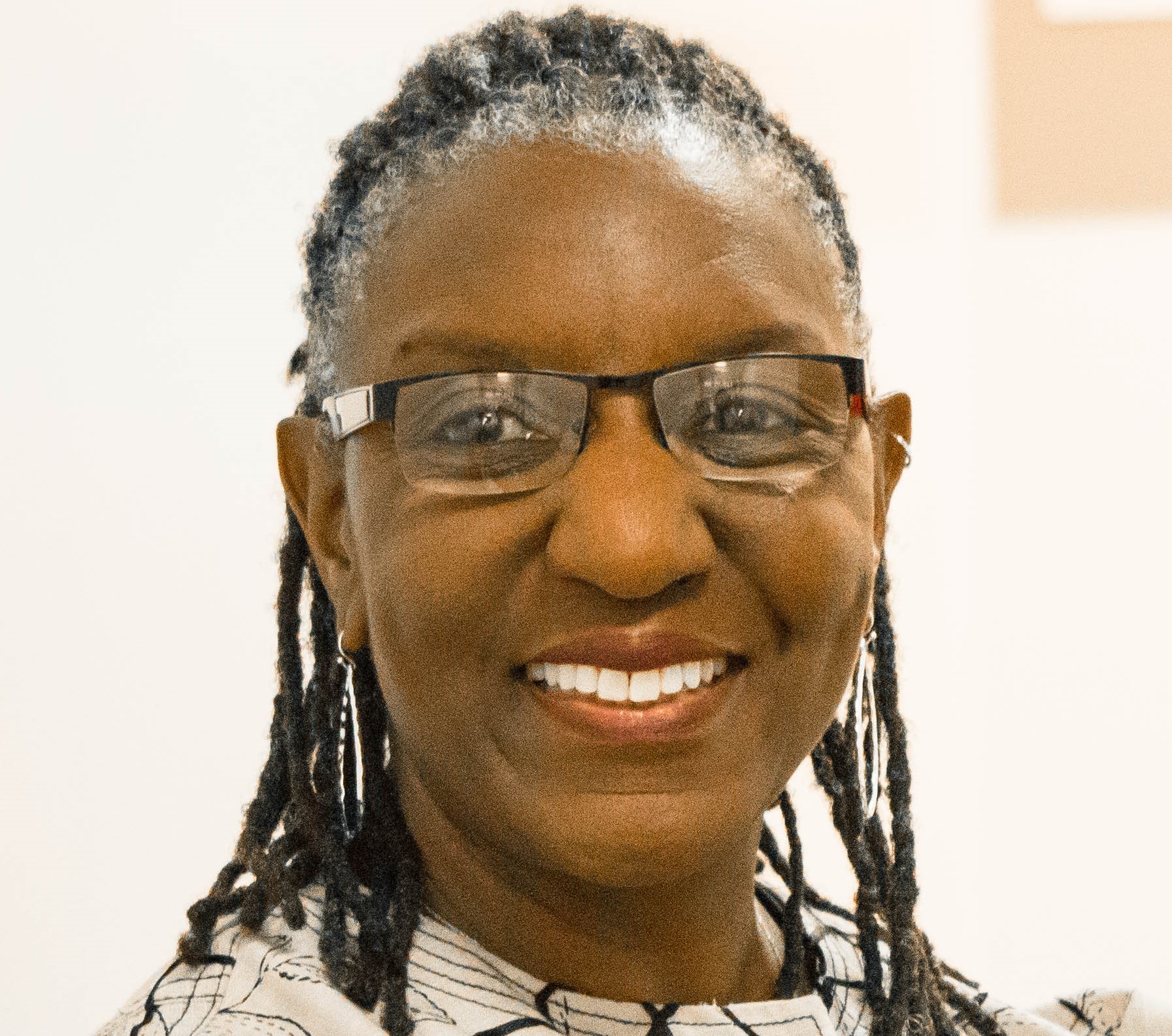
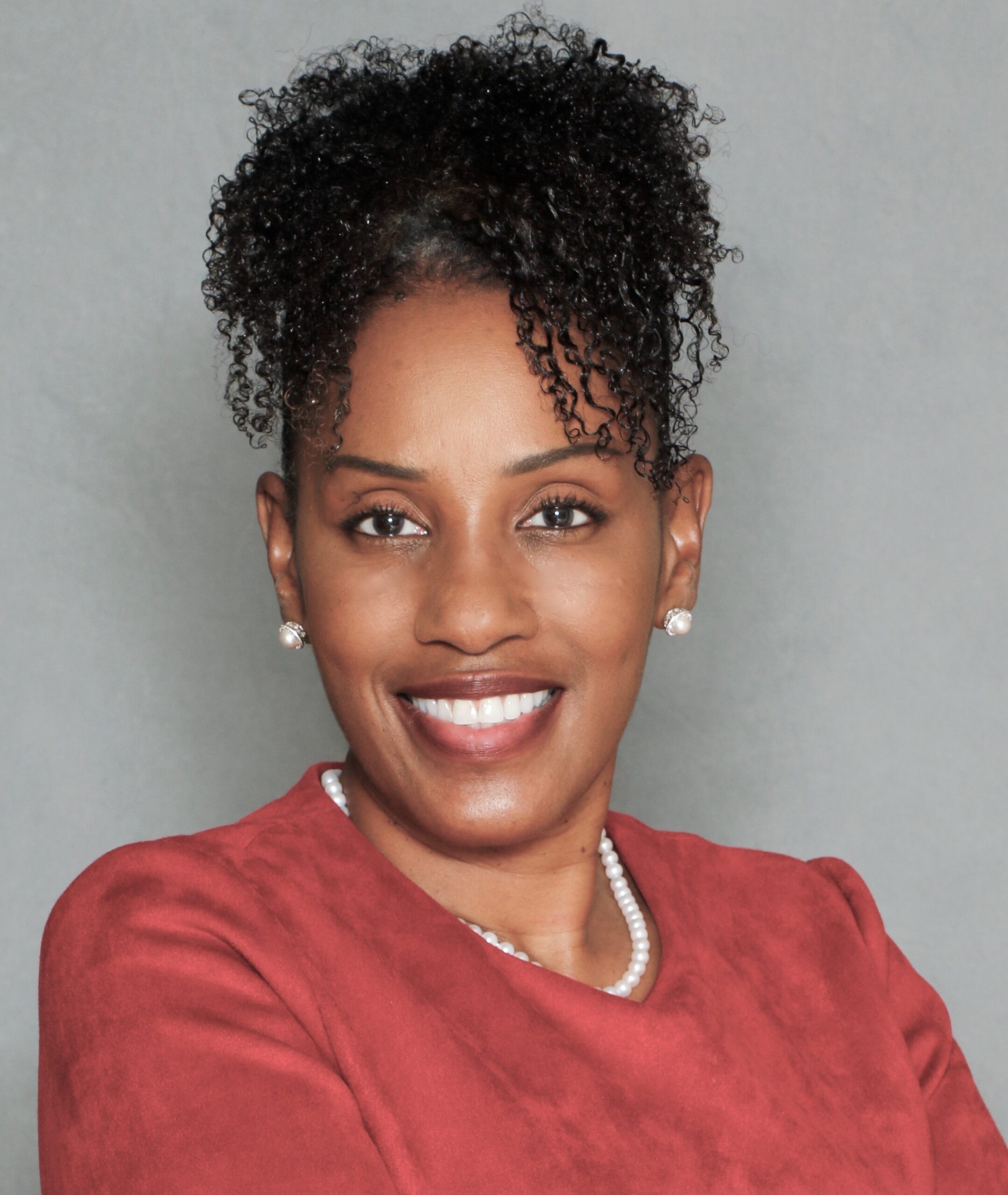
 Carrie Belin is an experienced board-certified Family Nurse Practitioner and a graduate of the Johns Hopkins DNP program, Johns Hopkins Bloomberg School of Public Health, Georgetown University School of Nursing, and Johns Hopkins School of Nursing. She has also completed fellowships at Georgetown and the University of California Irvine.
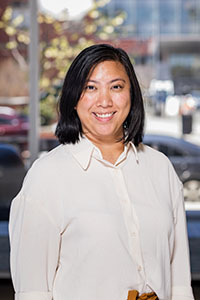
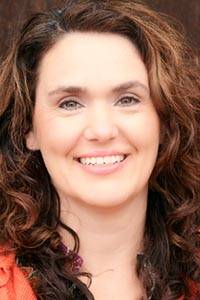 Angie has been a full-scope midwife since 2009. She has experience in various birth settings including home, hospital, and birth centers. She is committed to integrating the midwifery model of care in the US. She completed her master’s degree in nurse-midwifery at Frontier Nursing University (FNU) and her Doctorate at Johns Hopkins University. She currently serves as the midwifery clinical faculty at FNU. Angie is motivated by the desire to improve the quality of healthcare and has led quality improvement projects on skin-to-skin implementation, labor induction, and improving transfer of care practices between hospital and community midwives. In 2017, she created a short film on skin-to-skin called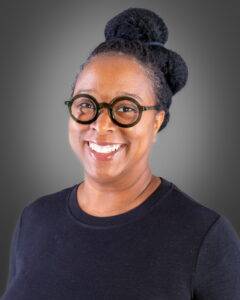
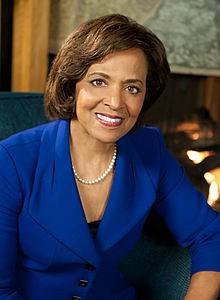
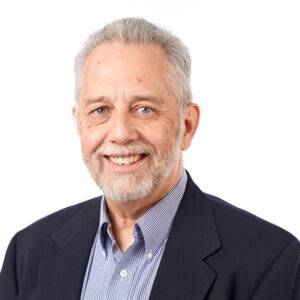
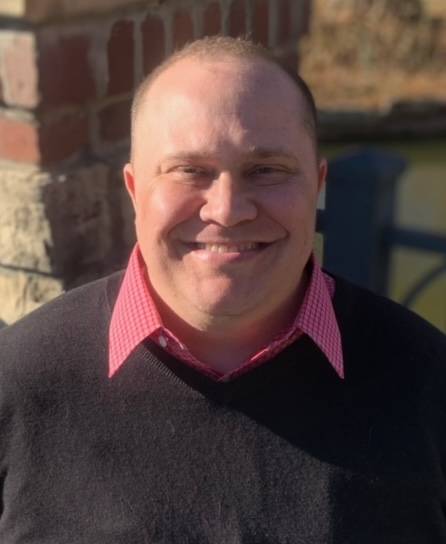 Justin C. Daily, BSN, RN, has ten years of experience in nursing. At the start of his nursing career, Justin worked as a floor nurse on the oncology floor at St. Francis. He then spent two years as the Director of Nursing in a small rural Kansas hospital before returning to St. Francis and the oncology unit. He has been in his current position as the Chemo Nurse Educator for the past four years. He earned an Associate in Nurse from Hutchinson Community College and a Bachelor of Science in Nursing from Bethel College.
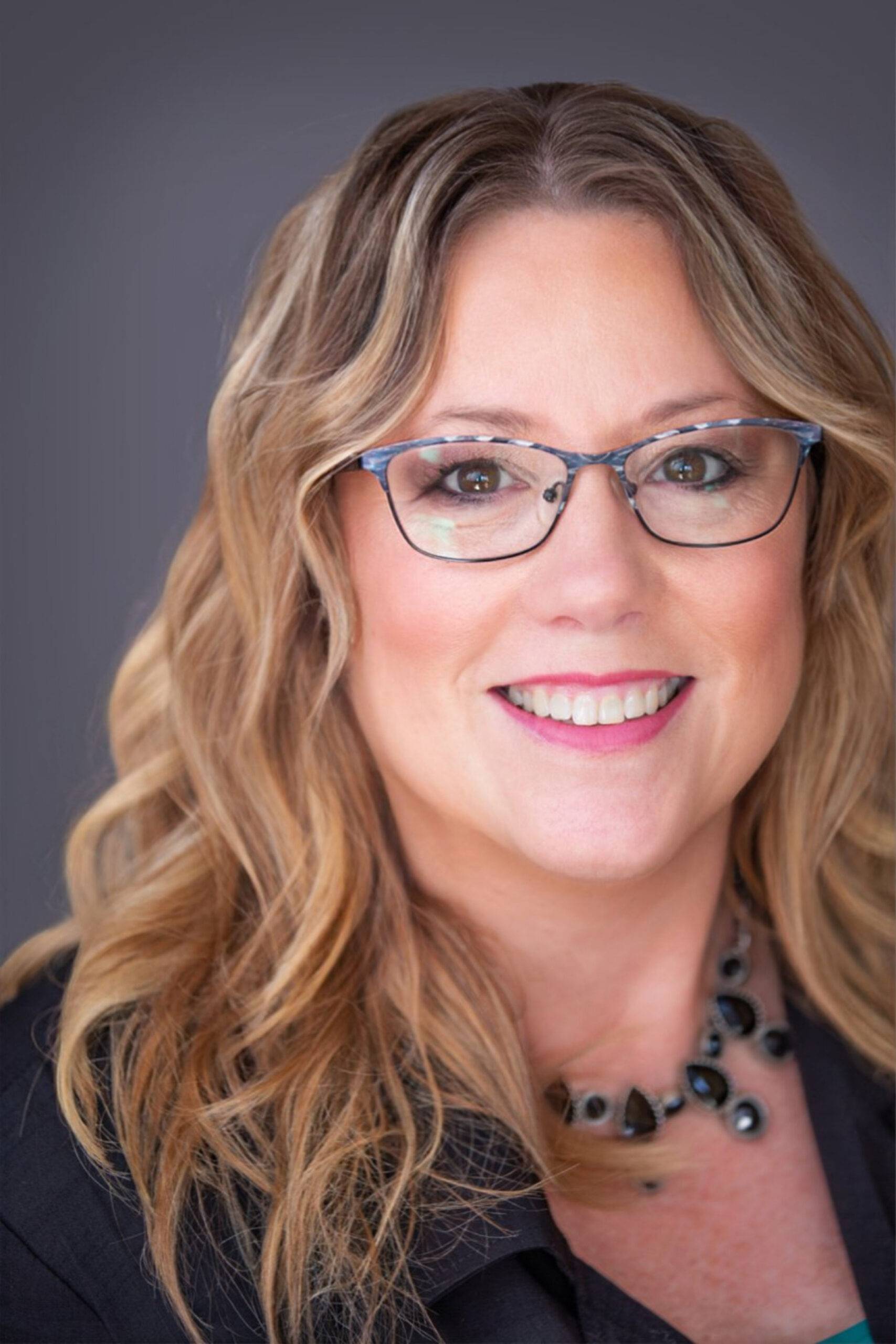 Brandy Jackson serves as the Director of Undergraduate Nursing Programs and Assistant Educator at Wichita State University and Co-Director of Access in Nursing. Brandy is a seasoned educator with over 15 years of experience. Before entering academia, Brandy served in Hospital-based leadership and Critical Care Staff nurse roles. Brandy is passionate about equity in nursing education with a focus on individuals with disabilities. Her current research interests include accommodations of nursing students with disabilities in clinical learning environments and breaking down barriers for historically unrepresented individuals to enter the nursing profession. Brandy is also actively engaged in Interprofessional Education development, creating IPE opportunities for faculty and students at Wichita State. Brandy is an active member of Wichita Women for Good and Soroptimist, with the goal to empower women and girls. Brandy is a TeamSTEPPS master trainer. She received the DASIY Award for Extraordinary Nursing Faculty in 2019 at Wichita State University.
  Dr. Sabrina Ali Jamal-Eddine is an Arab-disabled queer woman of color with a PhD in Nursing and an interdisciplinary certificate in Disability Ethics from the University of Illinois Chicago (UIC). Dr. Jamal-Eddine’s doctoral research explored spoken word poetry as a form of critical narrative pedagogy to educate nursing students about disability, ableism, and disability justice. Dr. Jamal-Eddine now serves as a Postdoctoral Research Associate in UIC’s Department of Disability and Human Development and serves on the Board of Directors of the National Organization of Nurses with Disabilities (NOND). During her doctoral program, Sabrina served as a Summer Fellow at a residential National Endowment of the Humanities (NEH) Summer Institute at Arizona State University (2023), a summer fellow at Andrew W. Mellon’s National Humanities Without Walls program at University of Michigan (2022), a Summer Research Fellow at UC Berkeley’s Othering & Belonging Institute (2021), and an Illinois Leadership Education in Neurodevelopmental and related Disabilities (LEND) trainee (2019-2020).
 Vanessa Cameron works for Vanderbilt University Medical Center in Nursing Education & Professional Development. She is also attending George Washington University and progressing towards a PhD in Nursing with an emphasis on ableism in nursing. After becoming disabled in April 2021, Vanessa’s worldview and perspective changed, and a recognition of the ableism present within healthcare and within the culture of nursing was apparent. She has been working since that time to provide educational foundations for nurses about disability and ableism, provide support for fellow disabled nursing colleagues, and advocate for the disabled community within healthcare settings to reduce disparities.
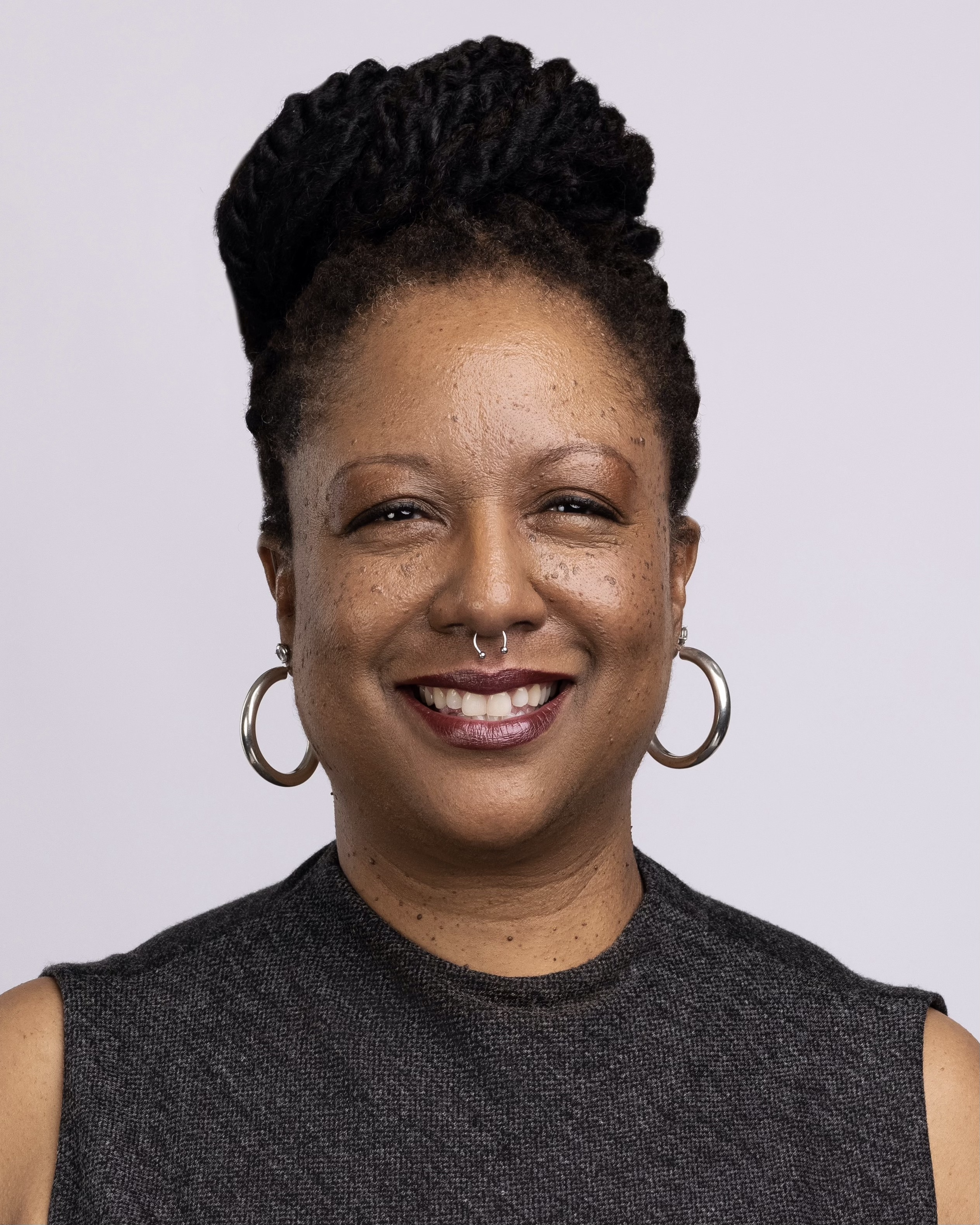 Dr. Lucinda Canty is a certified nurse-midwife, Associate Professor of Nursing, and Director of the Seedworks Health Equity in Nursing Program at the University of Massachusetts Amherst. She earned a bachelor’s degree in nursing from Columbia University, a master’s degree from Yale University, specializing in nurse-midwifery, and a PhD from the University of Connecticut. Dr. Canty has provided reproductive health care for over 29 years. Her research interests include the prevention of maternal mortality and severe maternal morbidity, reducing racial and ethnic health disparities in reproductive health, promoting diversity in nursing, and eliminating racism in nursing and midwifery.
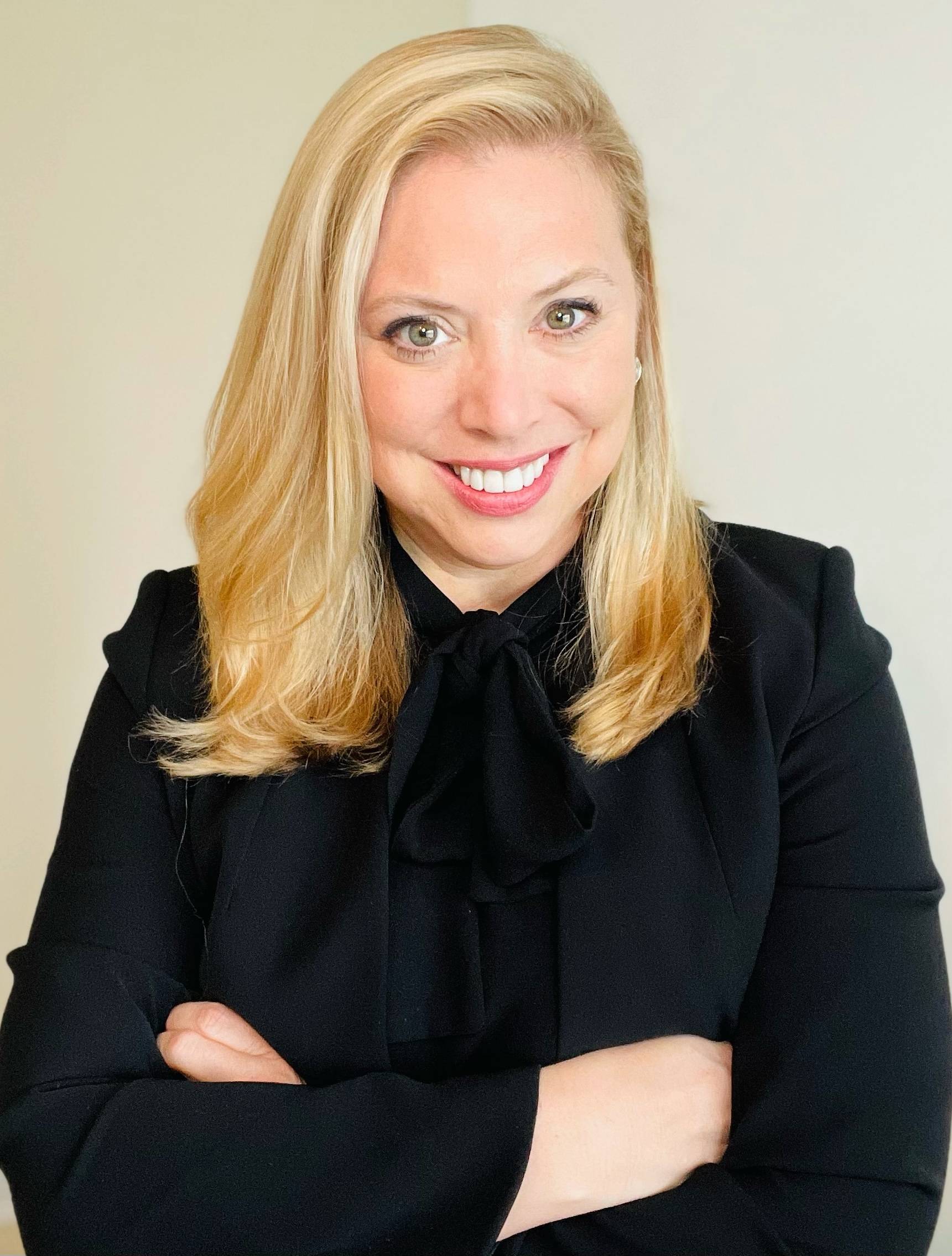 Dr. Lisa Meeks is a distinguished scholar and leader whose unwavering commitment to inclusivity and excellence has significantly influenced the landscape of health professions education and accessibility. She is the founder and executive director of the DocsWithDisabilities Initiative and holds appointments as an Associate Professor in the Departments of Learning Health Sciences and Family Medicine at the University of Michigan.
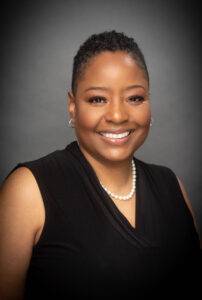 Dr. Nikia Grayson, DNP, MSN, MPH, MA, CNM, FNP-C, FACNM (she/her) is a trailblazing force in reproductive justice, blending her expertise as a public health activist, anthropologist, and family nurse-midwife to champion the rights and health of underserved communities. Graduating with distinction from Howard University, Nikia holds a bachelor’s degree in communications and a master’s degree in public health. Her academic journey also led her to the University of Memphis, where she earned a master’s in medical anthropology, and the University of Tennessee, where she achieved both a master’s in nursing and a doctorate in nursing practice. Complementing her extensive education, she completed a post-master’s certificate in midwifery at Frontier Nursing University.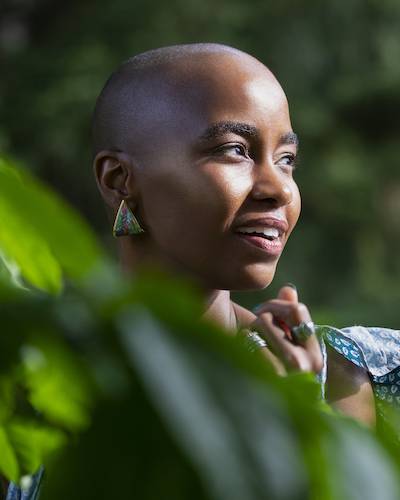
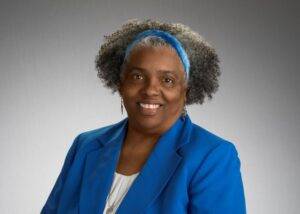

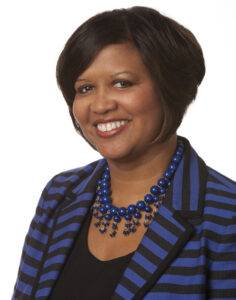 Dr. Tia Brown McNair is the Vice President in the Office of Diversity, Equity, and Student Success and Executive Director for the Truth, Racial Healing, and Transformation (TRHT) Campus Centers at the American Association of Colleges and Universities (AAC&U) in Washington, DC. She oversees both funded projects and AAC&U’s continuing programs on equity, inclusive excellence, high-impact practices, and student success. McNair directs AAC&U’s Summer Institutes on High-Impact Practices and Student Success, and TRHT Campus Centers and serves as the project director for several AAC&U initiatives, including the development of a TRHT-focused campus climate toolkit. She is the lead author of From Equity Talk to Equity Walk: Expanding Practitioner Knowledge for Racial Justice in Higher Education (January 2020) and Becoming a Student-Ready College: A New Culture of Leadership for Student Success (July 2016 and August 2022 Second edition).