By: Nicole Lassiter, CNM, MSN, WHNP (DNP class 28)
Sweat trickled down my skin like rain on a window pane, forming puddles underneath  my thick blue nursing scrubs. In the little birth rooms in the free-standing birth center, the labors and births seemed to create more heat than the Texas sun, even in the middle of the night. Hour after hour, the women stretched and strained, moved and made noise, opened and gave forth life. For a year as an Americorps volunteer on the border of Mexico, hour after hour I learned how to provide support and to monitor and trust the normal physiologic processes of labor and birth. The vast majority of the women delivered vaginally, and we transferred those few who needed cesarean sections to the local hospital.
The vaginal birth to cesarean ratio represented in that small nurse-midwife practice is considered normal and safe for the general population as well. According to the World Health Organization (2015), since 1985 both national and international healthcare standards have identified an ideal target cesarean rate of 10-15% as safe and reasonable, yet the rate is exceedingly higher in many countries, including the United States (U.S). The rate of cesarean sections in the U.S. has largely been increasing since 1996, reaching 32% in 2015 according to the most recent governmental statistical data reports (Martin, J.A., Hamilton, B.E., Osterman, M., Driscoll, A.K., & Mathews, T.J., 2017). In other words, about one in three women gives birth by caesarean section.
Make no mistake, caesarean sections have saved many lives — both for mothers and babies, and when medically necessary, they are an essential surgical procedure. However, the mistake is that they are performed too often, and often unnecessarily. If a woman or an infant does not require a caesarean, this surgery will not benefit her and her infant, and will instead expose both to short and long-term risks, some of which are quite serious. Not to mention, many risks extend beyond the current pregnancy, to future pregnancies. This is not a good set up for women and babies, many of whom do not have ready access to obstetrical care (World Health Organization, 2015).
All right then, you may ask, what do we do? The answer lies both in the individual, and in the larger healthcare system. Key contributors to both the problem and the solution include: Individual providers and medical staff, professional organizations, administrators, governmental agencies, community advocacy groups, and the patients and families themselves. For example, the professional organizations representing the majority of obstetrical providers in this country, The American College of Nurse Midwives (ACNM) and The American Congress of Obstetricians (ACOG) must continue to address this issue, educate their memberships, and provide resources and tools for change in their practice areas. Hospital administrators must support both providers and patients to give and receive safe, evidence-based care, and one of the most profound examples is the essential role of the nurse-midwife and nurse-midwifery education.
Nurse-midwifery education and practice is designed to offer care that inherently provides solutions to those issues associated with high caesarean section rates. Maternity care in the U.S. relies heavily on procedures, many of which are harmful, unnecessary, and not evidence-based, yet they are practiced routinely. Patients often lack the information to make informed decisions, or the power to chose when they are educated about their options (Declercq,E.R., Sakala,C., Corry,M.P., Applebaum,S., & Herrlich, A., 2013).
The basic hallmarks, core values and competencies of midwifery care identify labor and birth as normal physiologic processes and advocate for refraining from medical procedures unless medically necessary. Informed and shared decision-making with patients and families are also essential components of midwifery care (ACNM, 2012). The evidence base as well as ACOG (2016) recognize that certain supportive measures such as continuous support during labor are necessary because they reduce complications and cesarean sections. These practices that support normal physiologic birth and reduce cesarean sections and are traditionally practiced by midwives.
While there are numerous risk factors associated with cesarean section, the most common reason for primary cesarean is labor dystocia, when labor does not progress quickly enough or when progress is deemed inadequate. Yet current evidence shows that women and normal physiologic labor progress at a rate much slower than once believed. For decades, many labors and women were considered abnormal and too slow. As a result, cesareans were often performed, and unnecessarily. Today, new definitions of normal labor progress will help decrease these unnecessary cesareans, and these new definitions — which are based on normal physiologic processes — are again, those promoted by midwifery care.
I am reminded of the women and their unmedicated labors and births at the Texas birth center. I have often thought back to my time there as one of profound education and experience of what women can do when cared for by those who know and honor the physiologic birth process. The women had continuous support during their labors, along with patience and good care and management from the midwives and the nurses. These basic tenets of care are the very skills that will help reduce our exorbitant cesarean section rate. The good news is that we know the vast majority of healthy women have a very good chance of having a normal vaginal delivery. Their physiology remains capable. The challenging news is that our system still needs the education and structure to support this. We must continue to learn how to support this basic normal physiologic process, and have systems that support it as well. Nurse-midwifery education and care is a significant and essential part of the solution.
References
ACNM Core Competencies for Basic Midwifery Practice. (December 2012).
American College of Obstetricians and Gynecologists (Reaffirmed 2016). Safe prevention of the primary cesarean delivery. Obstetrics & Gynecology,123, 693–711.
Declercq,E.R., Sakala,C., Corry,M.P., Applebaum,S., & Herrlich, A. (May 2013).
Martin, J.A., Hamilton, B.E., Osterman,M., Driscoll, A.K., & Mathews,T.J. (Jan 5, 2017). Births: Final data for 2015. National Vital Statistics Reports, 66(1).
WHO Statement on Caesarean Section (2015). Executive summary.

 responsibility to serve the underserved in ways that change the lives and improve the overall health of community members. Frontier course faculty member Ruth Elsasser is at the heart of this movement, hosting impactful presentations to locals that invite them to consider how diet and lifestyle choices affect their health and wellness.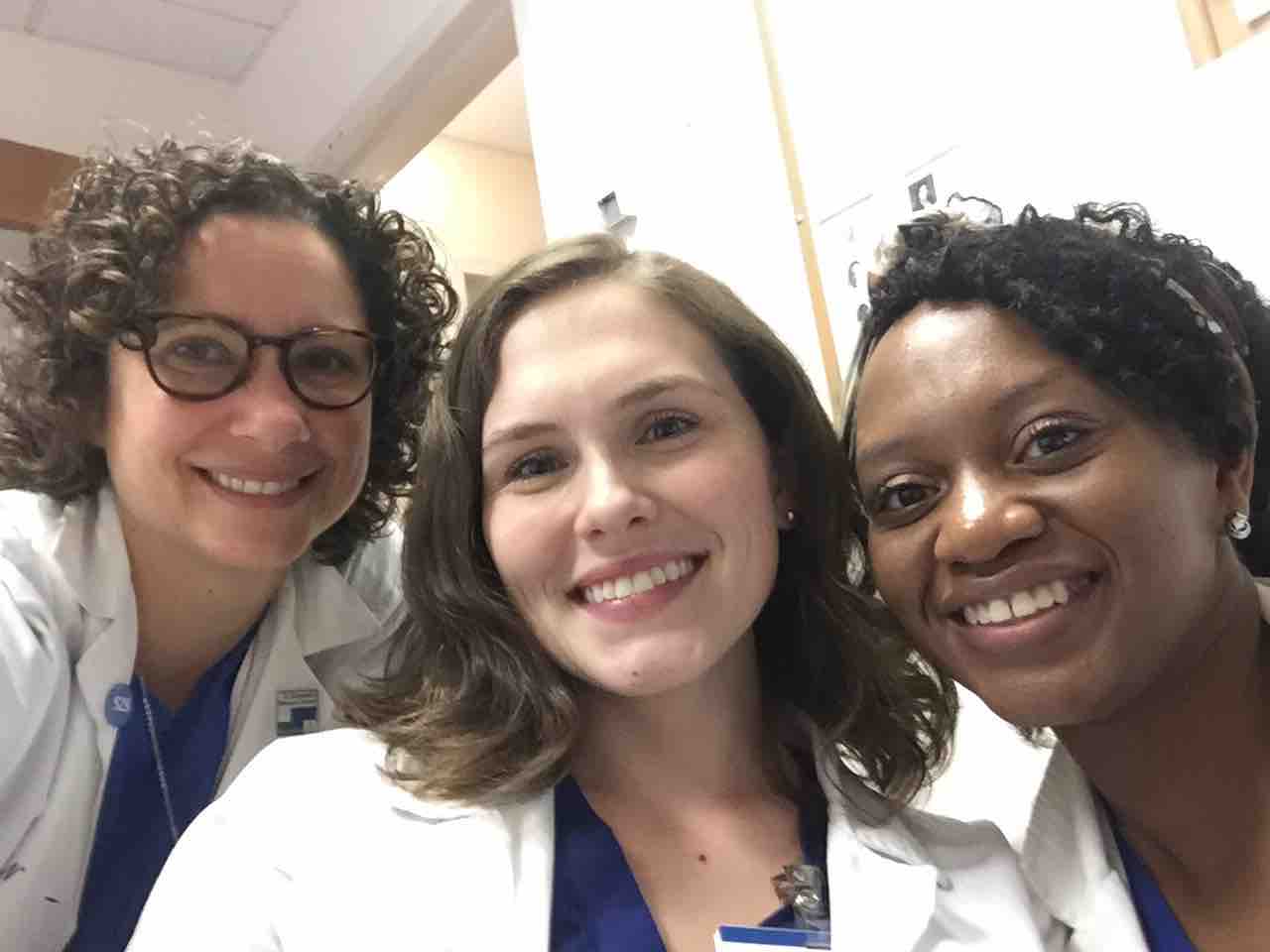
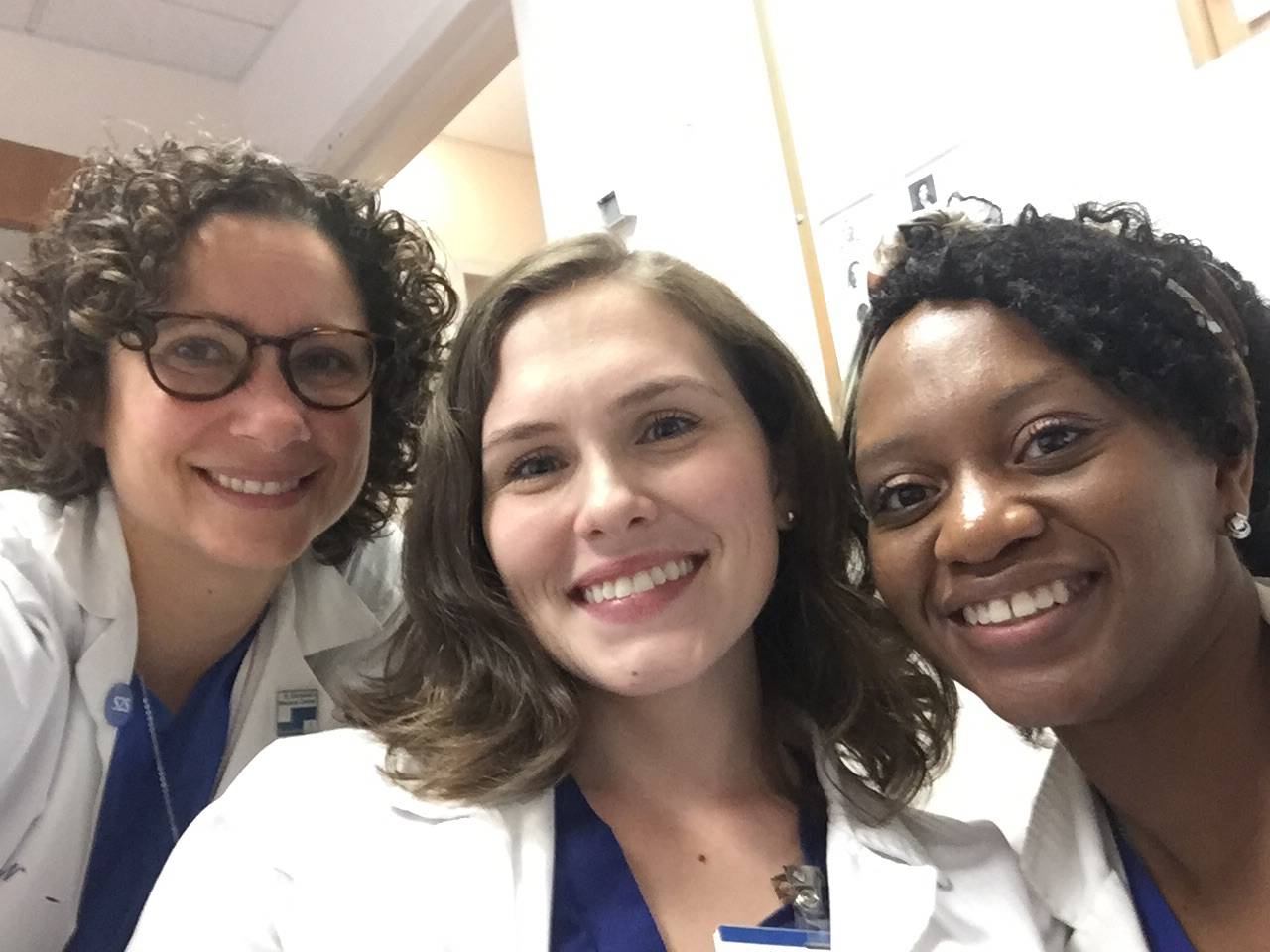
 Carr, CNM, from St. Elizabeth’s Medical Center in Boston, Mass., was honored as FNU’s “Featured Preceptor” for the summer term. Kathryn was nominated by Clinical Director, Dr. Jane Houston.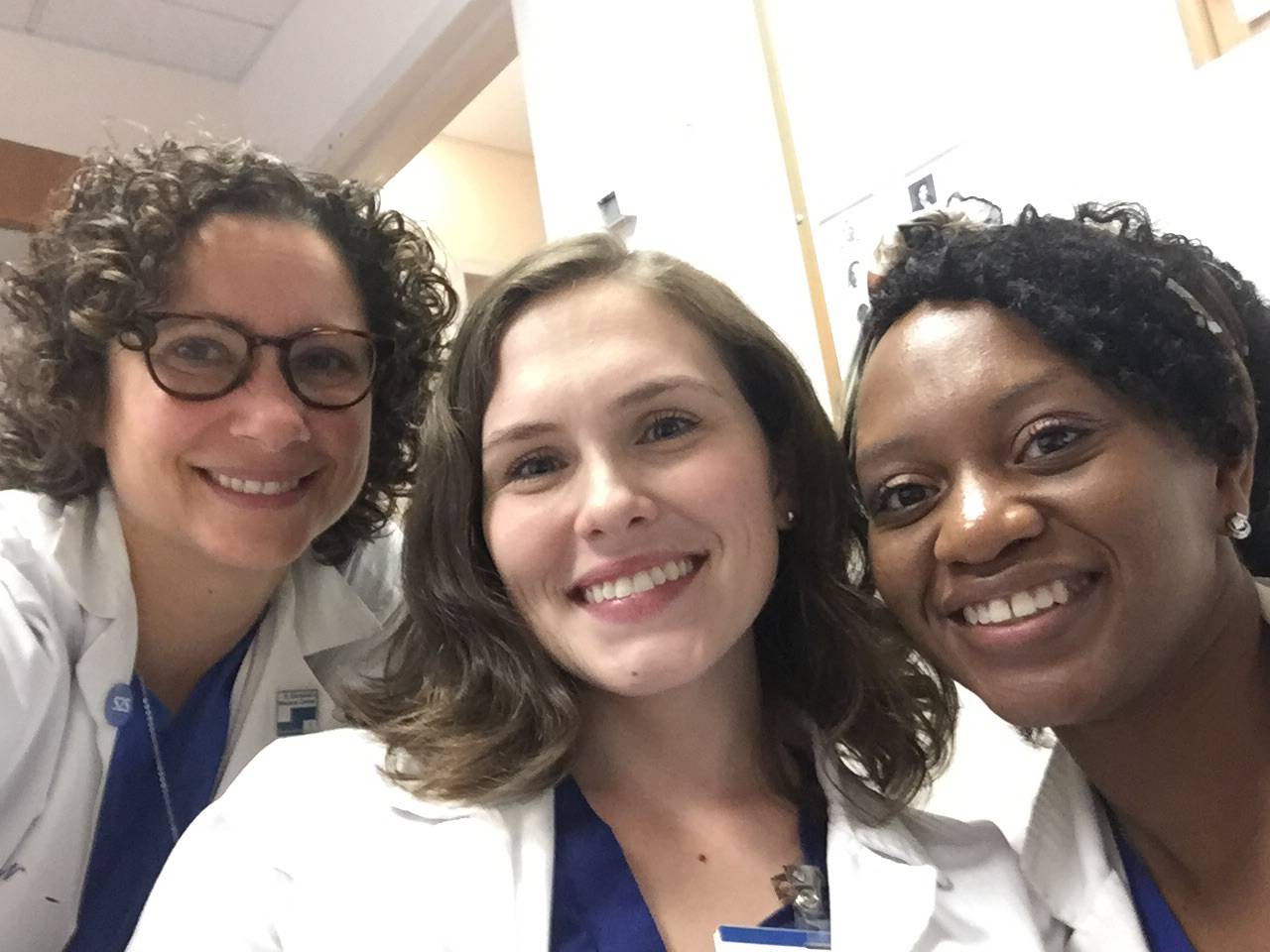

 Frontier Nursing University (FNU) is heading to the Big Apple! FNU students, alumni, faculty, staff and supporters will flood into New York City during during National Midwifery Week on October 1-7, 2017, for several events celebrating and supporting the important work of nurse-midwives. The United States has the highest rates of maternal death and injury, the lowest birth weights, and the widest disparities in the entire developed world. FNU hopes to raise awareness of how nurse-midwives are a part of the solution.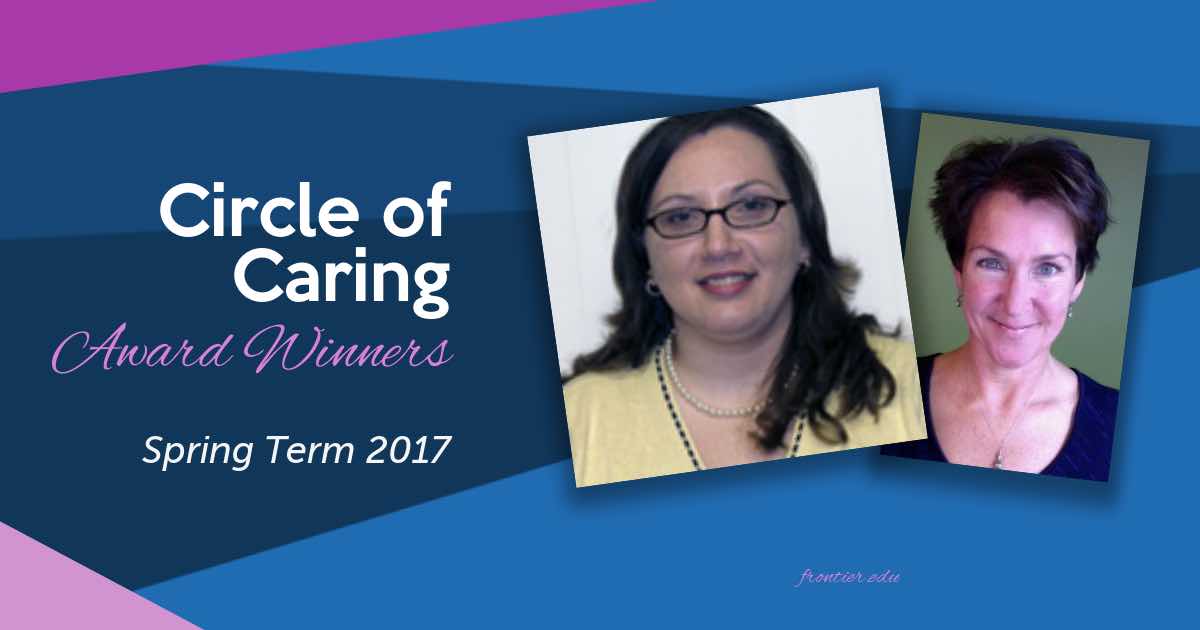
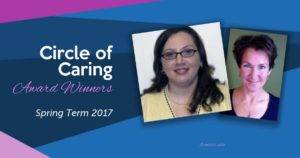 Jackie Brooks as the Spring Term Circle of Caring Award winners! The Circle of Caring Award is a new recognition for faculty and staff who go above and beyond their job duties and strive to uphold FNU’s mission and Culture of Caring everyday. One faculty and staff member will be recognized each term.
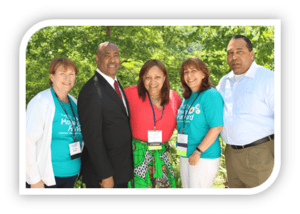 conference, June 1-4, 2017 on the historic FNU campus in Hyden KY. This year’s theme focused on “Moving Forward: Uniting through Diversity” where students, alumni, faculty, staff and guests united for team building tasks, cross-cultural activities and collaborative discussions to address health disparities and ways to improve minority health among underrepresented and marginalized groups.
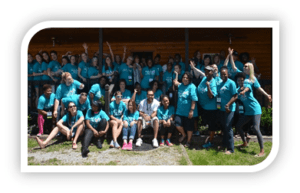 The enthusiastic Mannequin Challenge activity brought everyone together to create awareness of the Diversity Impact event and to showcase how participants are impacting health care within their communities. The Mannequin Challenge illustrates that everyone has a role at the frontlines of healthcare to combat health disparities.
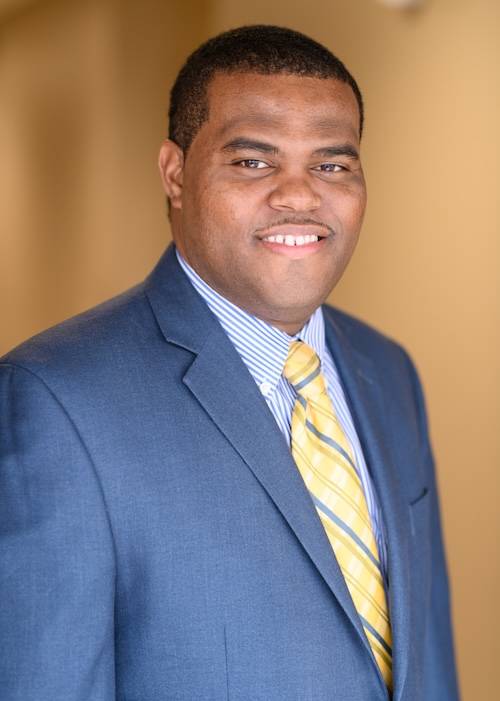
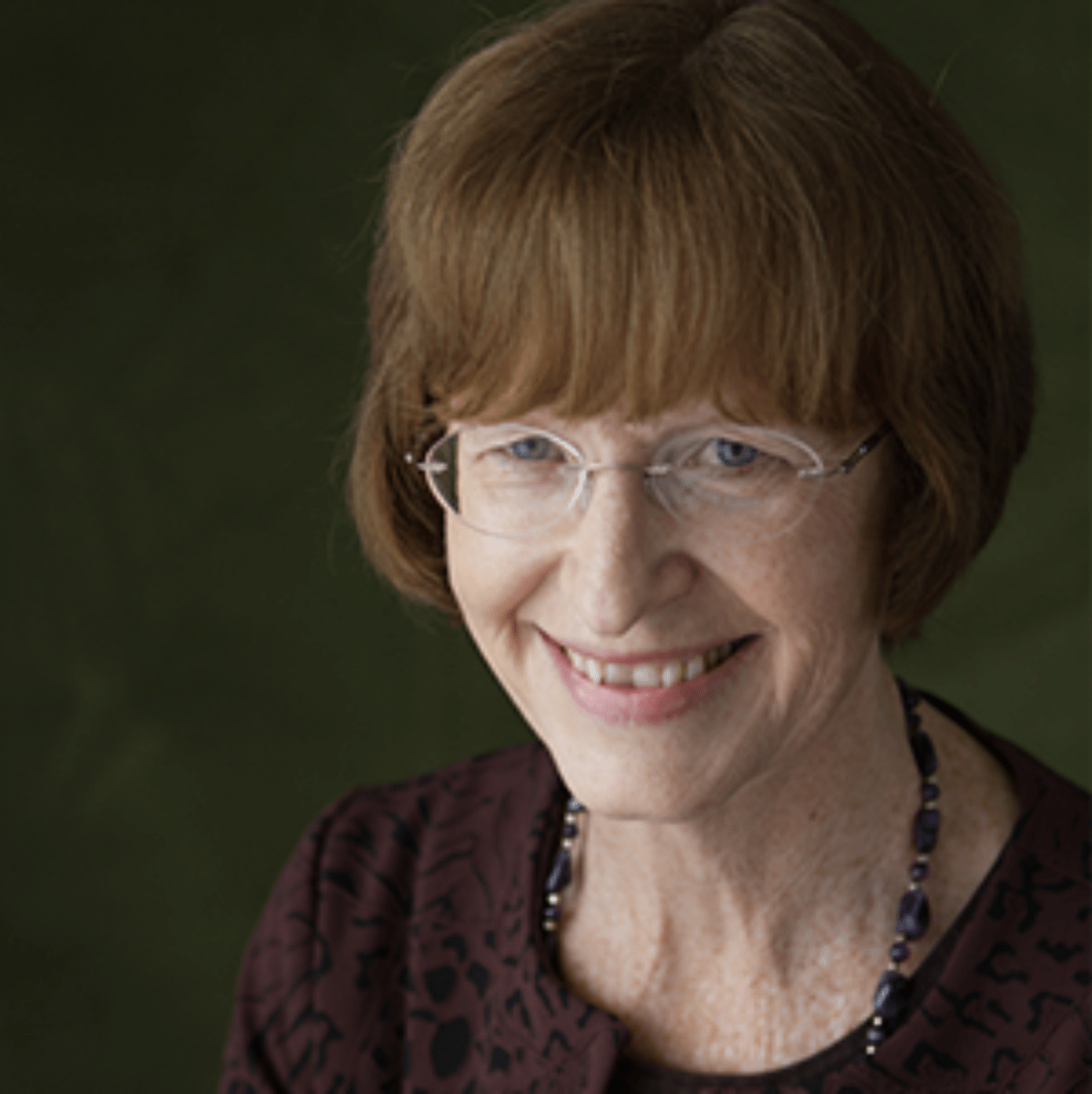
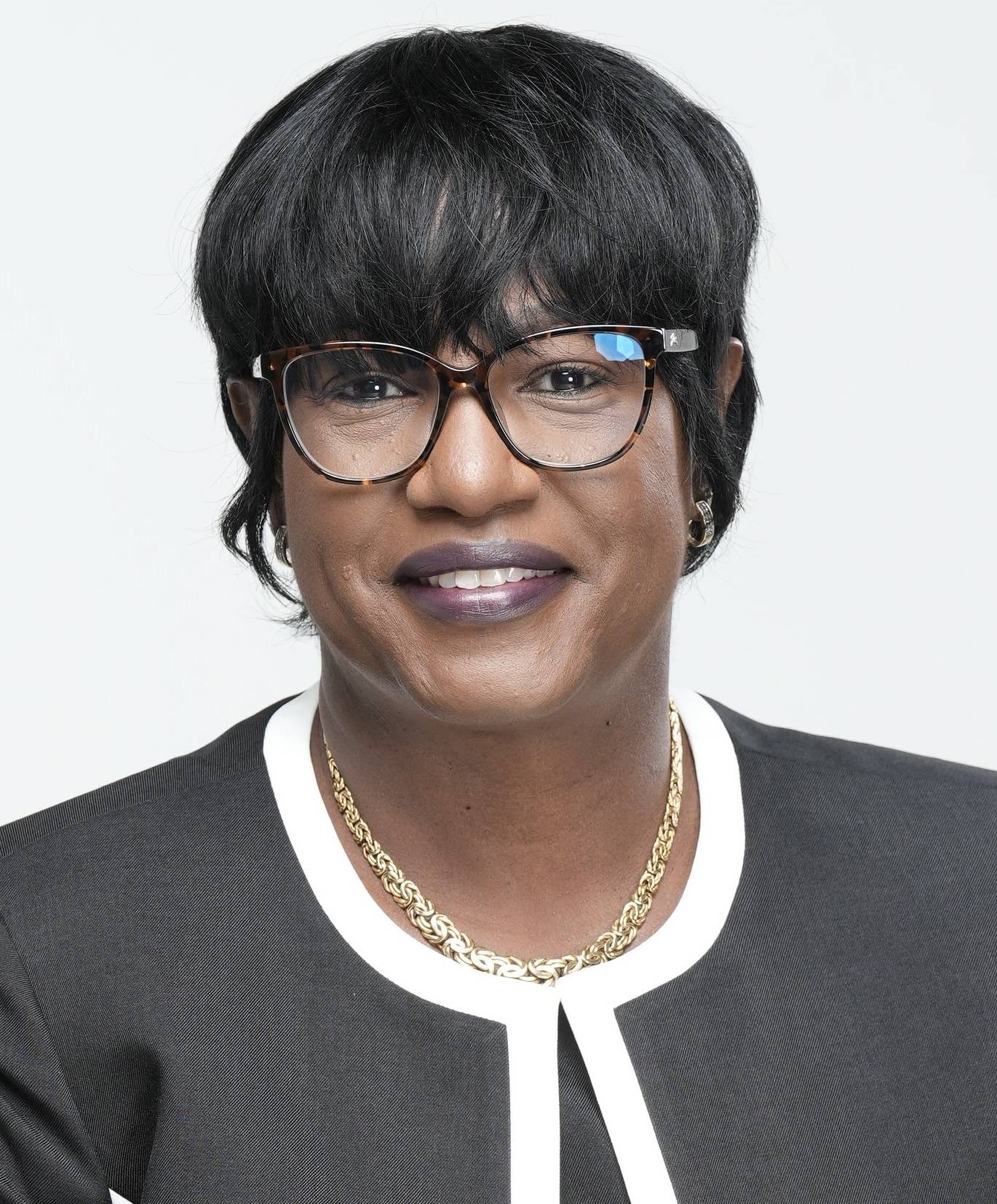

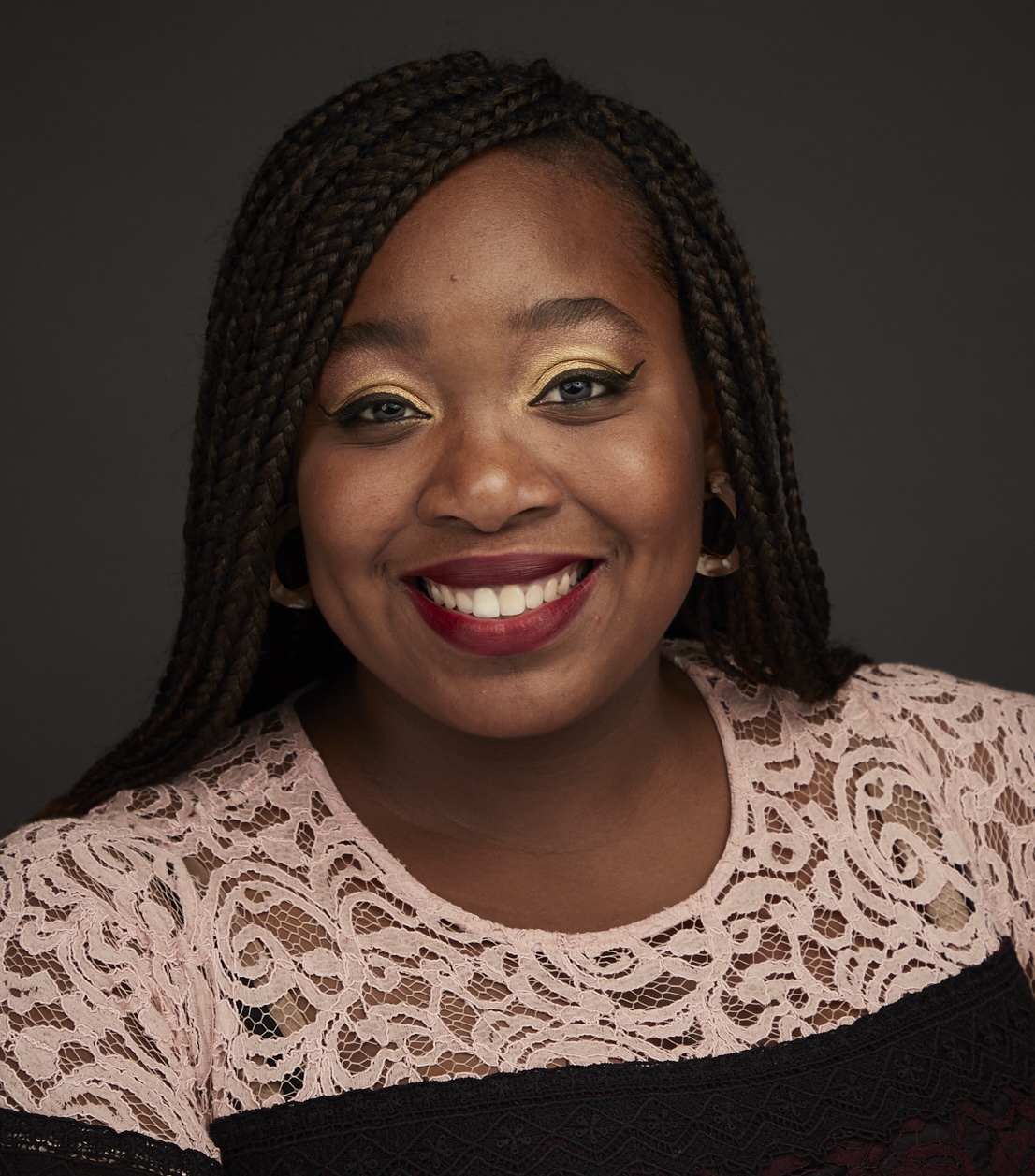

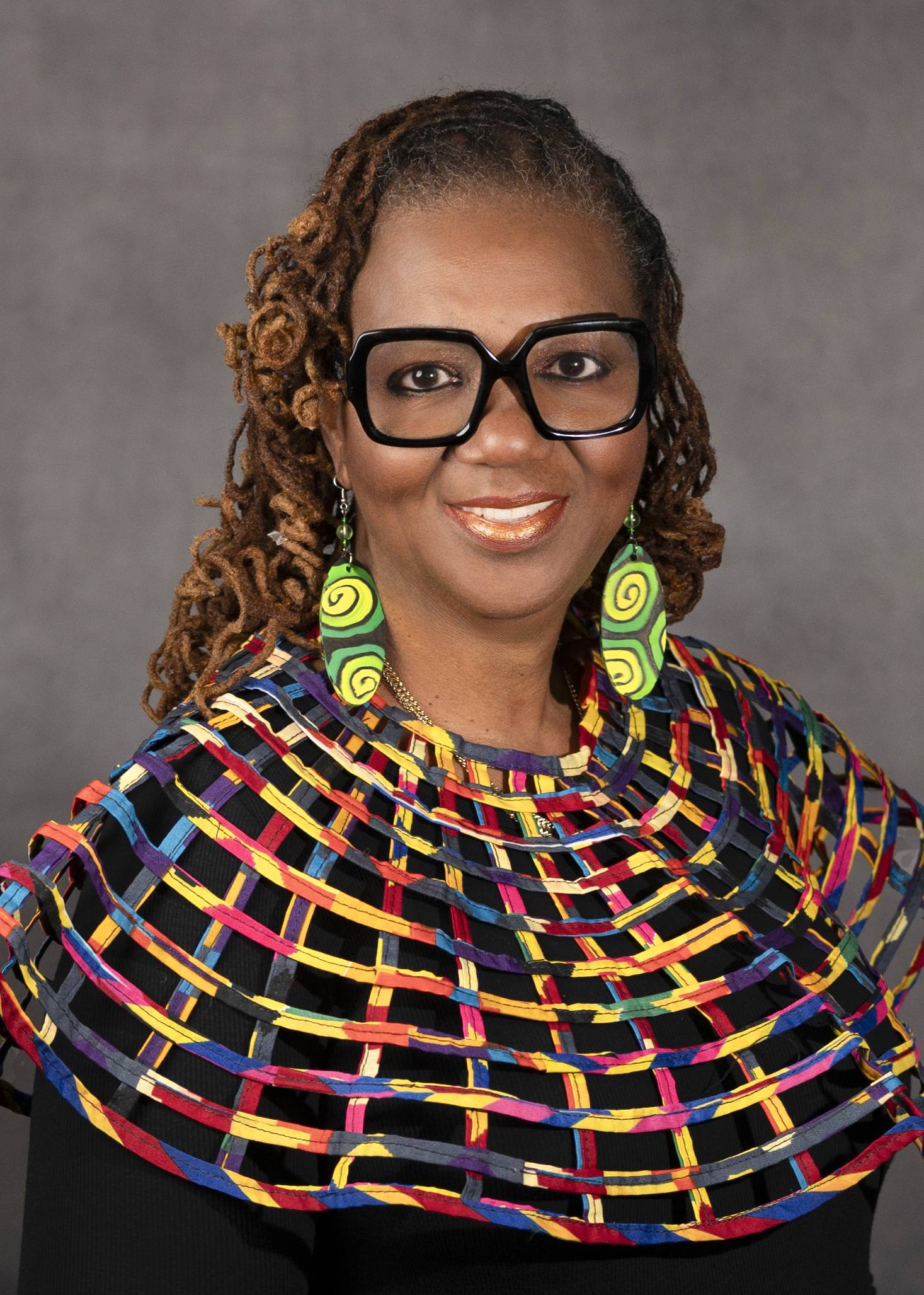
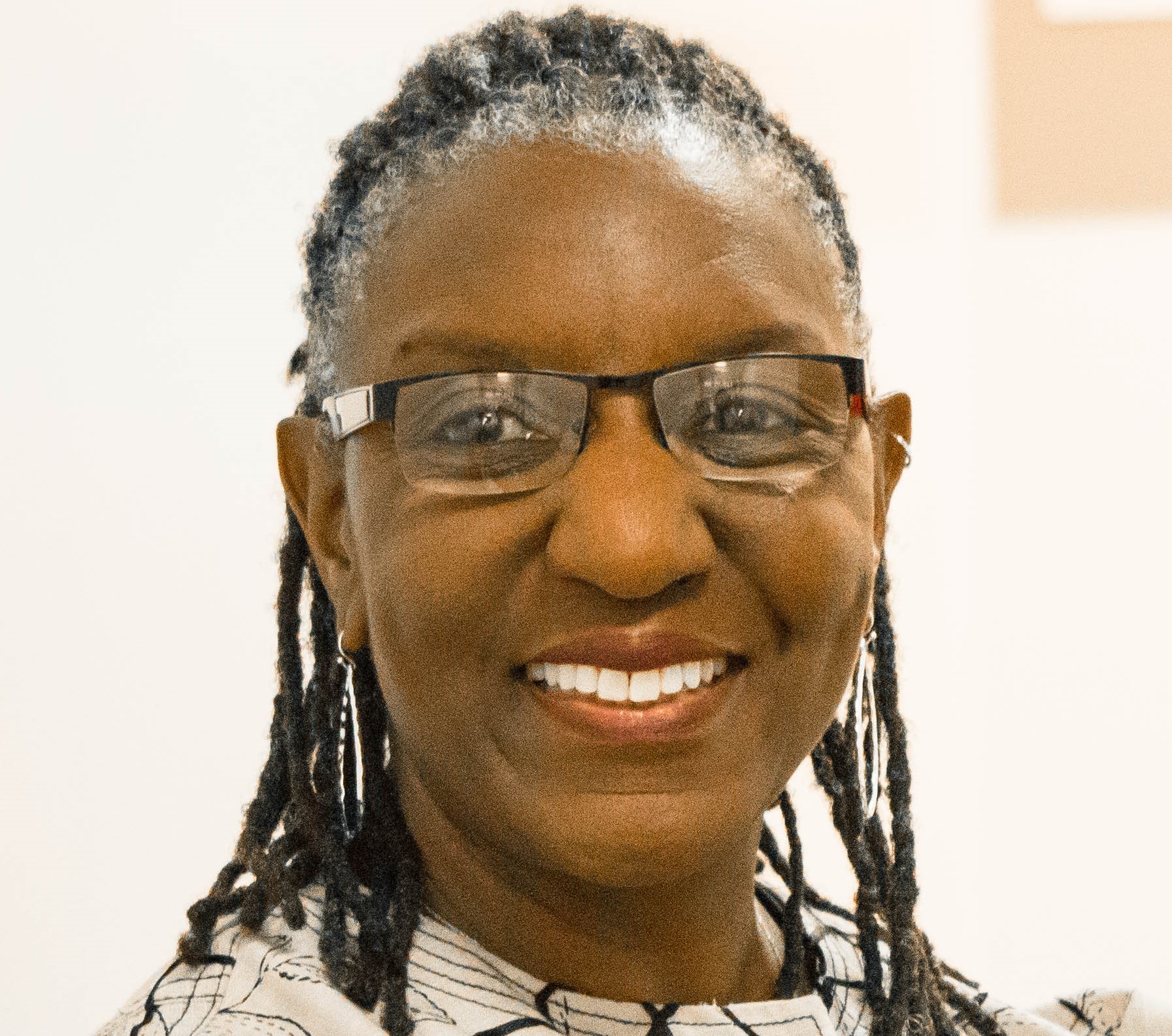
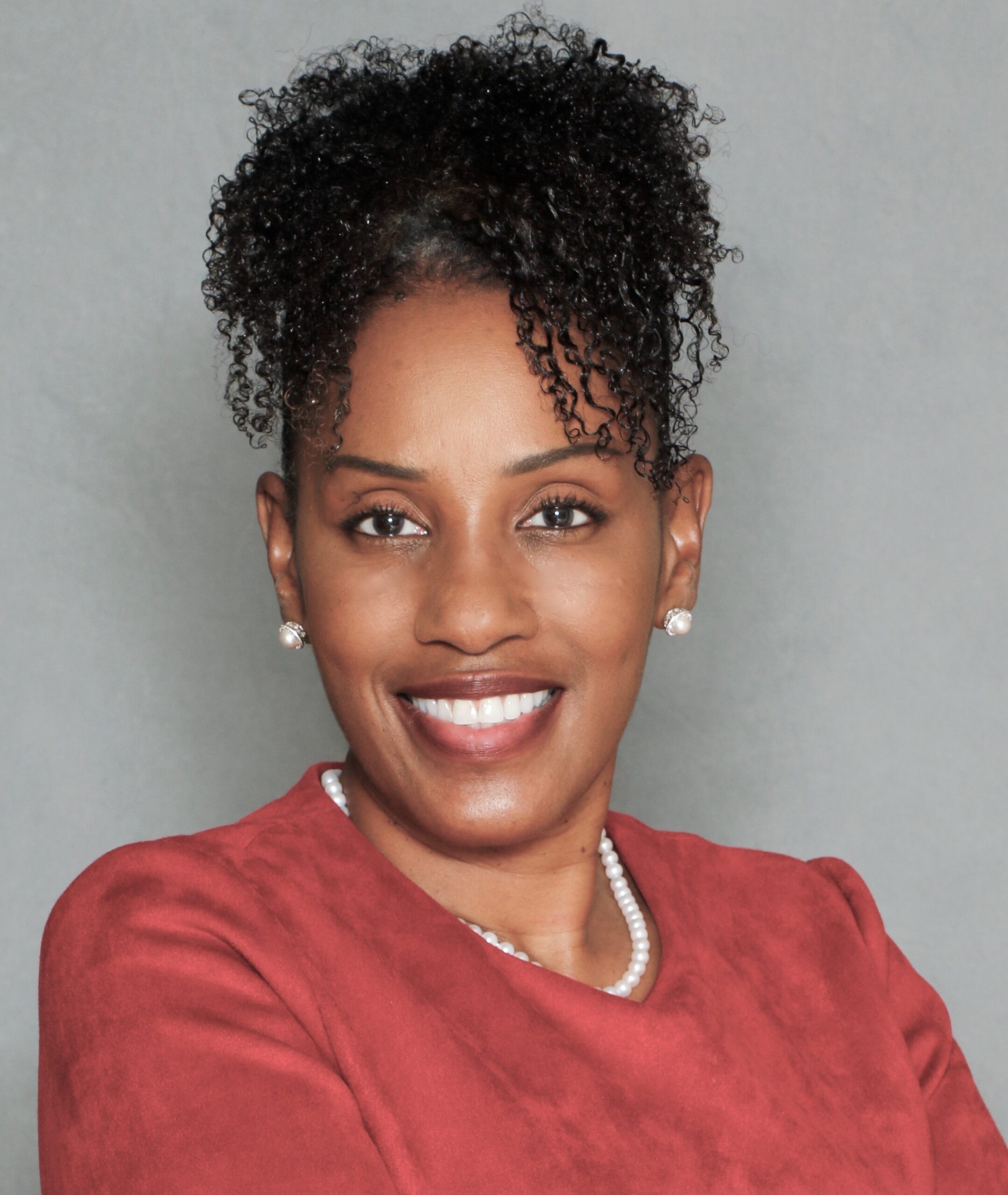
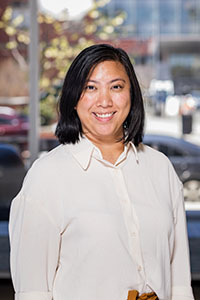
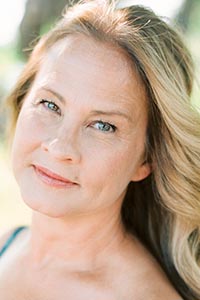
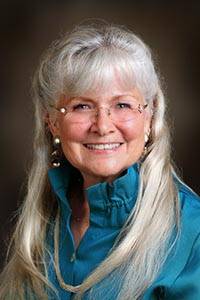
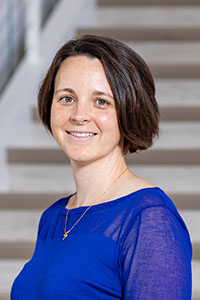
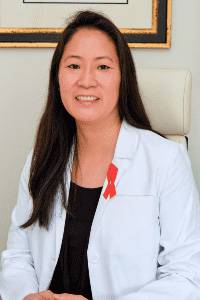 Carrie Belin is an experienced board-certified Family Nurse Practitioner and a graduate of the Johns Hopkins DNP program, Johns Hopkins Bloomberg School of Public Health, Georgetown University School of Nursing, and Johns Hopkins School of Nursing. She has also completed fellowships at Georgetown and the University of California Irvine.
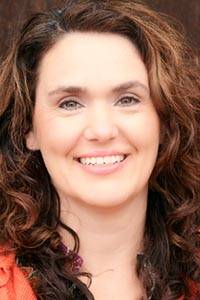 Angie has been a full-scope midwife since 2009. She has experience in various birth settings including home, hospital, and birth centers. She is committed to integrating the midwifery model of care in the US. She completed her master’s degree in nurse-midwifery at Frontier Nursing University (FNU) and her Doctorate at Johns Hopkins University. She currently serves as the midwifery clinical faculty at FNU. Angie is motivated by the desire to improve the quality of healthcare and has led quality improvement projects on skin-to-skin implementation, labor induction, and improving transfer of care practices between hospital and community midwives. In 2017, she created a short film on skin-to-skin called
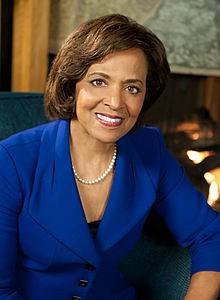

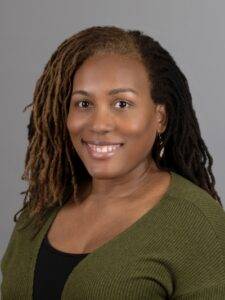
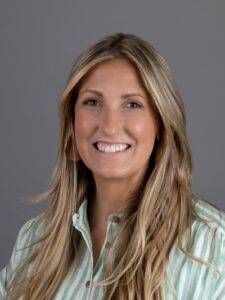
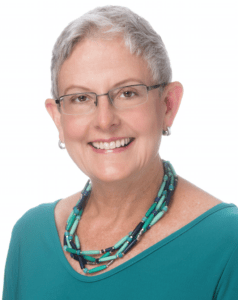
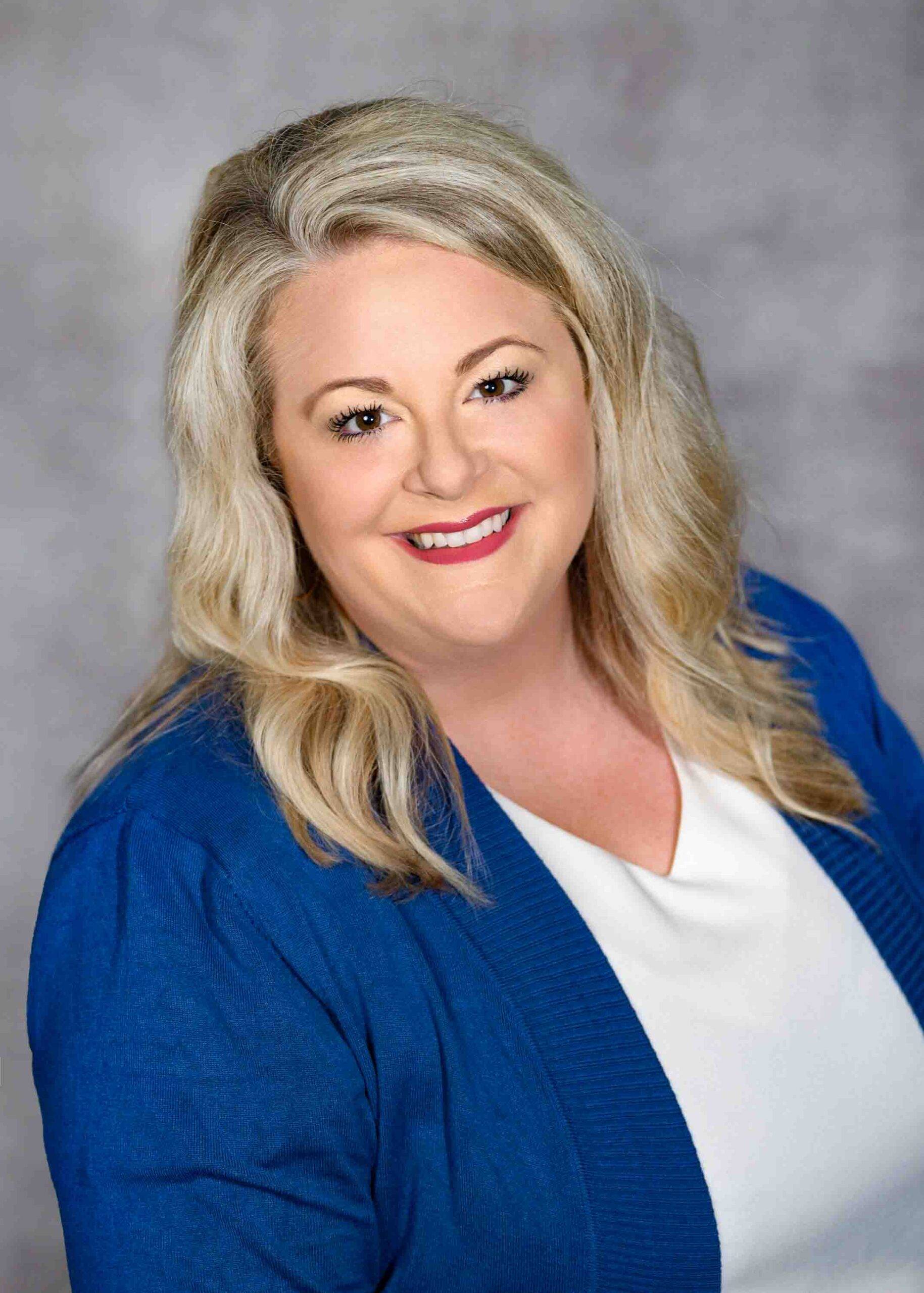
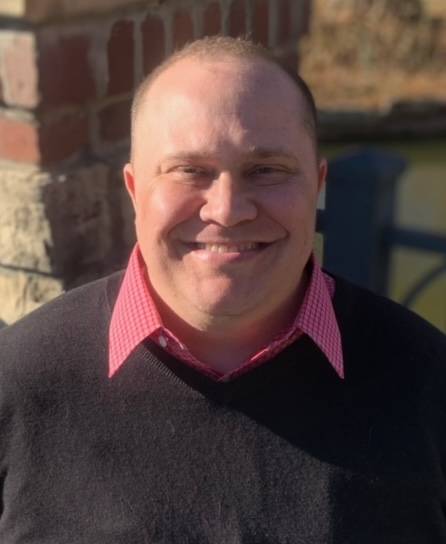 Justin C. Daily, BSN, RN, has ten years of experience in nursing. At the start of his nursing career, Justin worked as a floor nurse on the oncology floor at St. Francis. He then spent two years as the Director of Nursing in a small rural Kansas hospital before returning to St. Francis and the oncology unit. He has been in his current position as the Chemo Nurse Educator for the past four years. He earned an Associate in Nurse from Hutchinson Community College and a Bachelor of Science in Nursing from Bethel College.
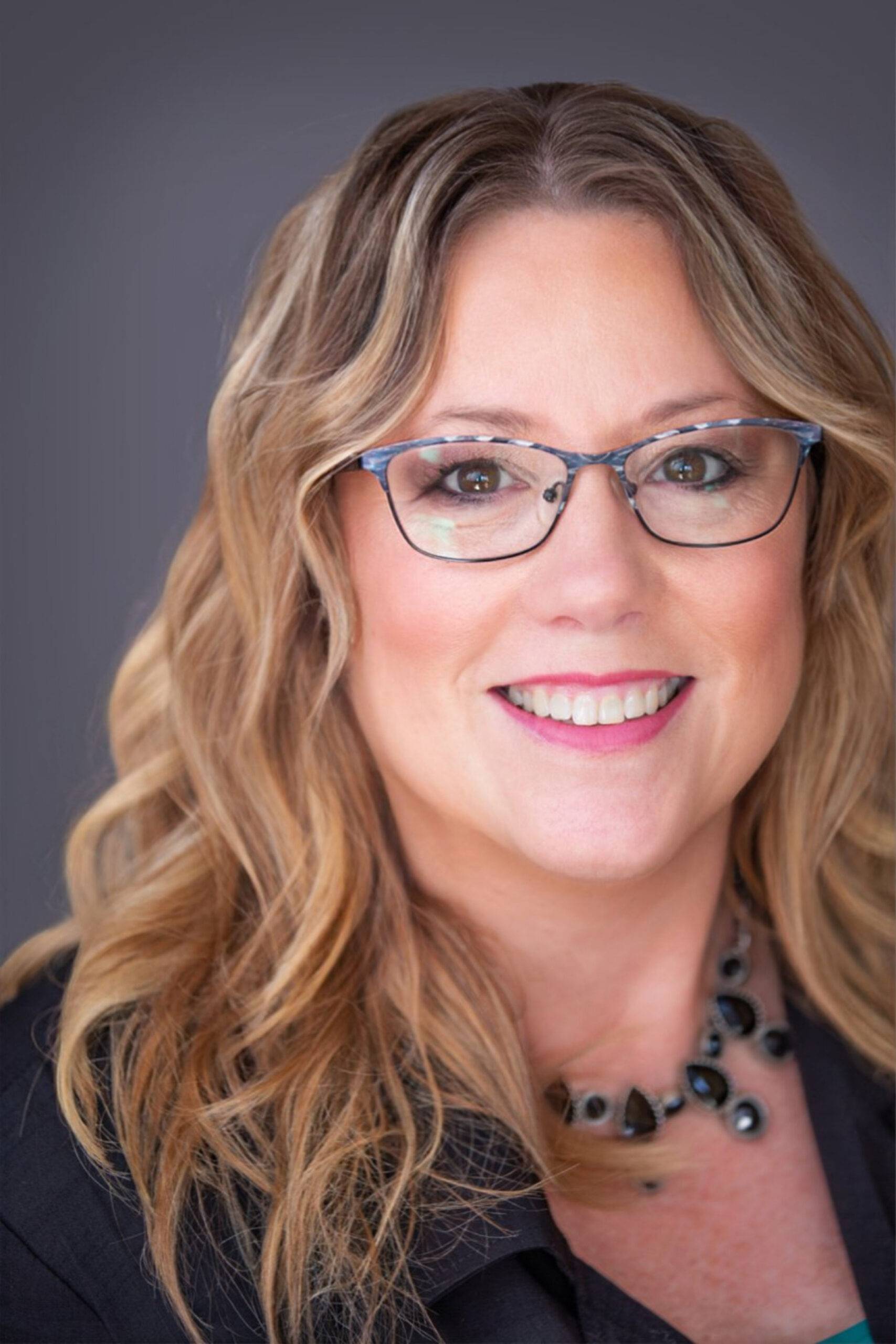 Brandy Jackson serves as the Director of Undergraduate Nursing Programs and Assistant Educator at Wichita State University and Co-Director of Access in Nursing. Brandy is a seasoned educator with over 15 years of experience. Before entering academia, Brandy served in Hospital-based leadership and Critical Care Staff nurse roles. Brandy is passionate about equity in nursing education with a focus on individuals with disabilities. Her current research interests include accommodations of nursing students with disabilities in clinical learning environments and breaking down barriers for historically unrepresented individuals to enter the nursing profession. Brandy is also actively engaged in Interprofessional Education development, creating IPE opportunities for faculty and students at Wichita State. Brandy is an active member of Wichita Women for Good and Soroptimist, with the goal to empower women and girls. Brandy is a TeamSTEPPS master trainer. She received the DASIY Award for Extraordinary Nursing Faculty in 2019 at Wichita State University.
  Dr. Sabrina Ali Jamal-Eddine is an Arab-disabled queer woman of color with a PhD in Nursing and an interdisciplinary certificate in Disability Ethics from the University of Illinois Chicago (UIC). Dr. Jamal-Eddine’s doctoral research explored spoken word poetry as a form of critical narrative pedagogy to educate nursing students about disability, ableism, and disability justice. Dr. Jamal-Eddine now serves as a Postdoctoral Research Associate in UIC’s Department of Disability and Human Development and serves on the Board of Directors of the National Organization of Nurses with Disabilities (NOND). During her doctoral program, Sabrina served as a Summer Fellow at a residential National Endowment of the Humanities (NEH) Summer Institute at Arizona State University (2023), a summer fellow at Andrew W. Mellon’s National Humanities Without Walls program at University of Michigan (2022), a Summer Research Fellow at UC Berkeley’s Othering & Belonging Institute (2021), and an Illinois Leadership Education in Neurodevelopmental and related Disabilities (LEND) trainee (2019-2020).
 Vanessa Cameron works for Vanderbilt University Medical Center in Nursing Education & Professional Development. She is also attending George Washington University and progressing towards a PhD in Nursing with an emphasis on ableism in nursing. After becoming disabled in April 2021, Vanessa’s worldview and perspective changed, and a recognition of the ableism present within healthcare and within the culture of nursing was apparent. She has been working since that time to provide educational foundations for nurses about disability and ableism, provide support for fellow disabled nursing colleagues, and advocate for the disabled community within healthcare settings to reduce disparities.
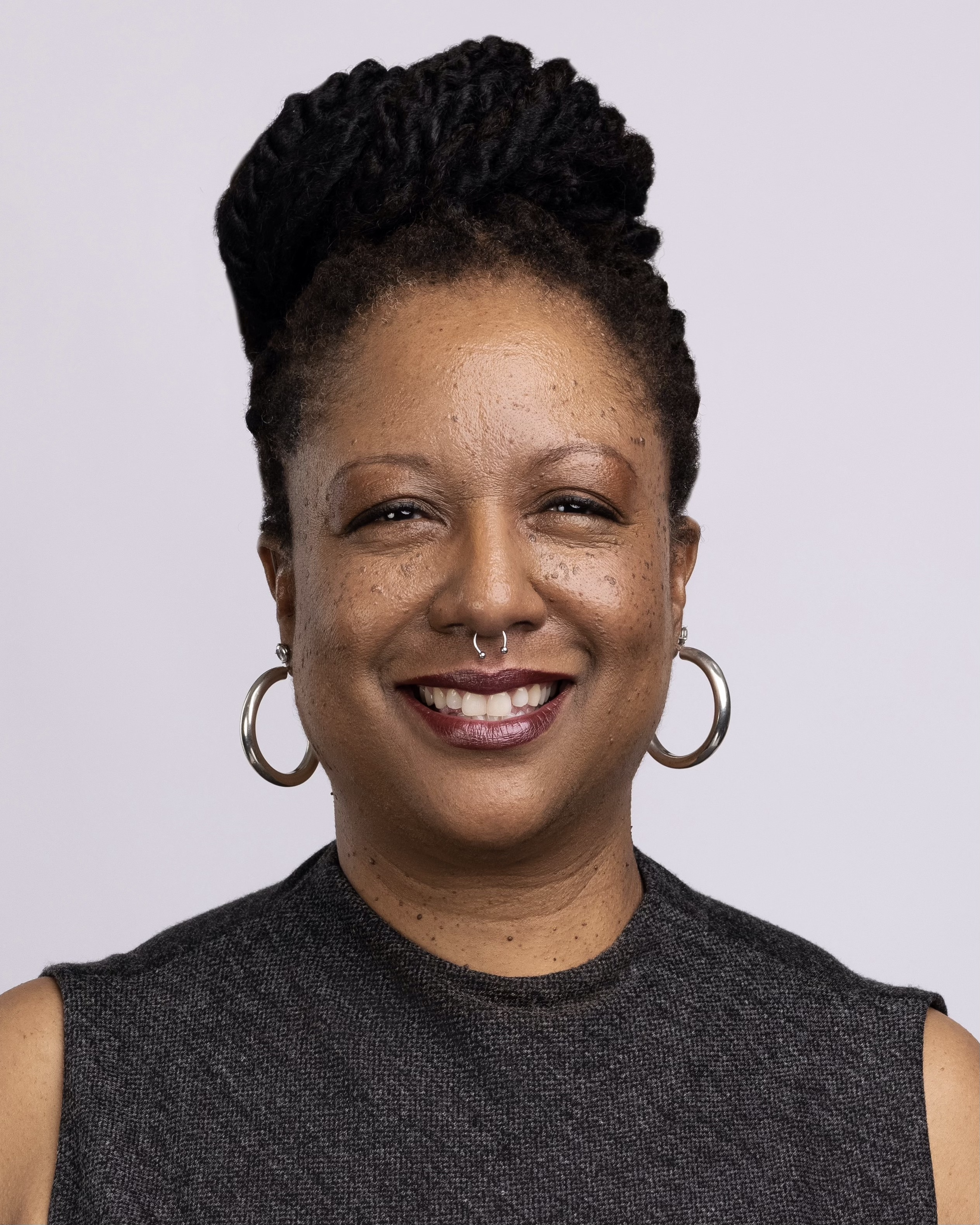 Dr. Lucinda Canty is a certified nurse-midwife, Associate Professor of Nursing, and Director of the Seedworks Health Equity in Nursing Program at the University of Massachusetts Amherst. She earned a bachelor’s degree in nursing from Columbia University, a master’s degree from Yale University, specializing in nurse-midwifery, and a PhD from the University of Connecticut. Dr. Canty has provided reproductive health care for over 29 years. Her research interests include the prevention of maternal mortality and severe maternal morbidity, reducing racial and ethnic health disparities in reproductive health, promoting diversity in nursing, and eliminating racism in nursing and midwifery.
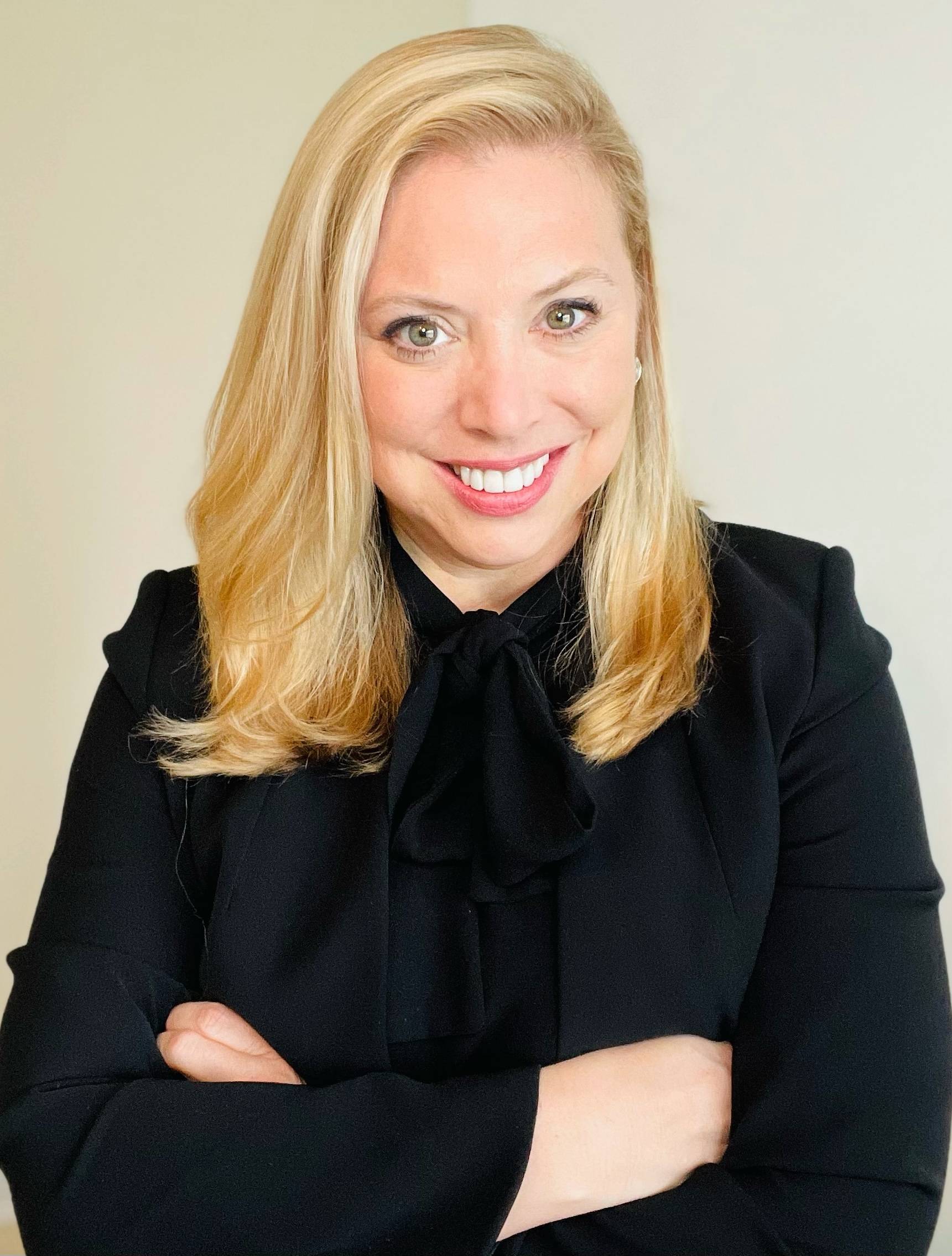 Dr. Lisa Meeks is a distinguished scholar and leader whose unwavering commitment to inclusivity and excellence has significantly influenced the landscape of health professions education and accessibility. She is the founder and executive director of the DocsWithDisabilities Initiative and holds appointments as an Associate Professor in the Departments of Learning Health Sciences and Family Medicine at the University of Michigan.
 Dr. Nikia Grayson, DNP, MSN, MPH, MA, CNM, FNP-C, FACNM (she/her) is a trailblazing force in reproductive justice, blending her expertise as a public health activist, anthropologist, and family nurse-midwife to champion the rights and health of underserved communities. Graduating with distinction from Howard University, Nikia holds a bachelor’s degree in communications and a master’s degree in public health. Her academic journey also led her to the University of Memphis, where she earned a master’s in medical anthropology, and the University of Tennessee, where she achieved both a master’s in nursing and a doctorate in nursing practice. Complementing her extensive education, she completed a post-master’s certificate in midwifery at Frontier Nursing University.


 Dr. Tia Brown McNair is the Vice President in the Office of Diversity, Equity, and Student Success and Executive Director for the Truth, Racial Healing, and Transformation (TRHT) Campus Centers at the American Association of Colleges and Universities (AAC&U) in Washington, DC. She oversees both funded projects and AAC&U’s continuing programs on equity, inclusive excellence, high-impact practices, and student success. McNair directs AAC&U’s Summer Institutes on High-Impact Practices and Student Success, and TRHT Campus Centers and serves as the project director for several AAC&U initiatives, including the development of a TRHT-focused campus climate toolkit. She is the lead author of From Equity Talk to Equity Walk: Expanding Practitioner Knowledge for Racial Justice in Higher Education (January 2020) and Becoming a Student-Ready College: A New Culture of Leadership for Student Success (July 2016 and August 2022 Second edition).