The Nurses on Horseback and the People They Served is a three-part series covering the history of Frontier Nursing University. On the rugged hills of Eastern Kentucky, nurses earned trust by listening, learning from local families, and standing beside them in moments of illness, birth, and crisis. Over time, this collaboration improved health outcomes, reduced maternal and infant mortality, and strengthened the well-being of the community they served.
By Janet L. Engstrom, PhD, APRN, CNM, WHNP-BC, CNE, Anne Z. Cockerham, PhD, APRN, CNM, WHNP-BC, CNE, and Joanne M. Keefe, DNP, MPH, APRN, FNP-c, CNE
More Than Healthcare Providers: Nurses as Friends and Neighbors
The bond between the FNS nurses and the local people extended beyond professional care; it was a relationship rooted in mutual trust and shared survival. The nurses took care of the people in the community by providing essential health services, and the community took care of the nurses, the administrative staff, the animals, equipment, buildings, and properties. Local families assisted the nurses in numerous ways, guiding the nurses to a patient’s home during the night, offering shelter in bad weather, or helping a horse with a problem. Although the families had limited space and resources, they would invite the nurse to share their meal, feed their horse, make room for a nurse to stay overnight if needed, and sometimes giving the nurses handcrafted items.

Hand-crafted stool given to Mary Bristow Willeford (1926-1938) by a grateful family. The gift meant much to Willeford and has been maintained by her family since her death in 1941.
One particularly challenging problem for both the nurses and families was floods, which could make travel difficult to impossible. One day a flood kept Gladys Peacock and Mary Bristow Willeford from seeing their patients. However, a man knocked on their door to tell them that his wife was in labor. Although his wife had sent him, he told the nurses that he didn’t think they should come because the trip was treacherous. But the FNS rule was that if the husband could get to the nurse, the nurse would get to the mother. And, the nurses wanted to go, they had been seeing the woman for prenatal care and wanted to assist her at birth. The weather prohibited travel by horse, so they set off on foot with the man carrying their saddlebags. Over the next three hours, they walked six miles across newly plowed fields that were knee deep in mud, traversed a rustic swinging bridge swaying above the tumultuous river, and climbed a steep mountainside using tree branches and roots to pull themselves up. When they arrived, they were wet, muddy, their sleeves were ripped, and their arms were scratched. But when they went into the cabin the mother smiled and told them she knew that they would come. The nurses quickly prepared for the birth, and minutes later, a daughter was born and named Mary Gladys after the nurses.
Community members also became an essential part of the FNS workforce, working alongside staff who came from elsewhere. The local people provided essential services such as cooking, cleaning, laundering, caring for the animals and buildings, maintaining equipment and properties, and every other task that needed to be done, enabling the nurses to do their work. Although the skills of the mountaineers were essential, it was also their knowledge of the land, the people, and the animals that kept the nurses safe and made the organization successful.
FNS nurses often developed friendships with community members. The nurses lived and worked centers in the community and were well known to their neighbors who not only received care from the nurses but also watched their comings and goings on their visits to families. As neighbors, the nurses might stop to chat with someone along their route about their health or the weather or who had a baby. FNS Nurse Della Int-Hout, known as Inty, frequently stopped by to visit an older neighbor who was unable to travel to the nursing center. The woman did not believe in germs because she could not see them and Inty had been unable to persuade her otherwise. One day the woman’s granddaughter came to the nursing center to ask for a pair of ‘old-age’ glasses for her grandmother. Inty put several pairs in a shopping bag and told the girl to tell her grandmother to try on each pair and then attempt to thread a needle so she would know which pair was best. When the girl returned with the leftover glasses she told Inty that her grandmother was very pleased with the glasses and had told the girl to tell Inty that she ‘can now see a germ’.

FNS nurse chatting with a local man in Hyden.
Leaving The Community with a Heavy Heart and Resettling Elsewhere
The FNS stayed in their original Eastern Kentucky community far longer than many other independent visiting nursing services remained in their communities. Although the FNS provided nursing services in the community for 86 years, changes in healthcare and market forces led to the closure of the nursing service in 2011. After the closure of the nursing service, Frontier Nursing University leaders worked to remain in the Eastern Kentucky community, but the challenges became insurmountable with providing enough student and faculty housing, proximity to airports and expressways, and the need for larger modern facilities to provide optimal student learning experiences. It was with a heavy heart that university leaders decided to leave its Eastern Kentucky neighbors, buildings, and properties to resettle in Versailles, Kentucky. Rightfully, the FNS deeded the original buildings and properties to the community that helped build and maintain them for almost a century.
Although the experiences of the original FNS nurses and staff in its original location can never be replicated, the experiences of the nurses and their community live on in the stories of the Frontier Nursing Service. Those stories provide inspiration and guidance to current students and faculty on how to enter a community, build relationships and trust, and create a nursing practice that meets the unique needs of the community. Although modern students no longer face the rugged and remote environment that the early nurses confronted, current students face different challenges and new frontiers in healthcare. The stories of the past also inform the university on how to resettle in its new community and build relationships with its new neighbors. Finally, the stories of the FNS constitute a remarkable part of American nursing history and should be told as an example of the very best that nursing has to offer and what can be accomplished when nurses work closely and respectfully with the community they serve.
Read the Nurses on Horseback and the People They Served: A Community of Caring and Collaboration series on our blog.






 Carrie Belin is an experienced board-certified Family Nurse Practitioner and a graduate of the Johns Hopkins DNP program, Johns Hopkins Bloomberg School of Public Health, Georgetown University School of Nursing, and Johns Hopkins School of Nursing. She has also completed fellowships at Georgetown and the University of California Irvine.
 Angie has been a full-scope midwife since 2009. She has experience in various birth settings including home, hospital, and birth centers. She is committed to integrating the midwifery model of care in the US. She completed her master’s degree in nurse-midwifery at Frontier Nursing University (FNU) and her Doctorate at Johns Hopkins University. She currently serves as the midwifery clinical faculty at FNU. Angie is motivated by the desire to improve the quality of healthcare and has led quality improvement projects on skin-to-skin implementation, labor induction, and improving transfer of care practices between hospital and community midwives. In 2017, she created a short film on skin-to-skin called
 Justin C. Daily, BSN, RN, has ten years of experience in nursing. At the start of his nursing career, Justin worked as a floor nurse on the oncology floor at St. Francis. He then spent two years as the Director of Nursing in a small rural Kansas hospital before returning to St. Francis and the oncology unit. He has been in his current position as the Chemo Nurse Educator for the past four years. He earned an Associate in Nurse from Hutchinson Community College and a Bachelor of Science in Nursing from Bethel College.
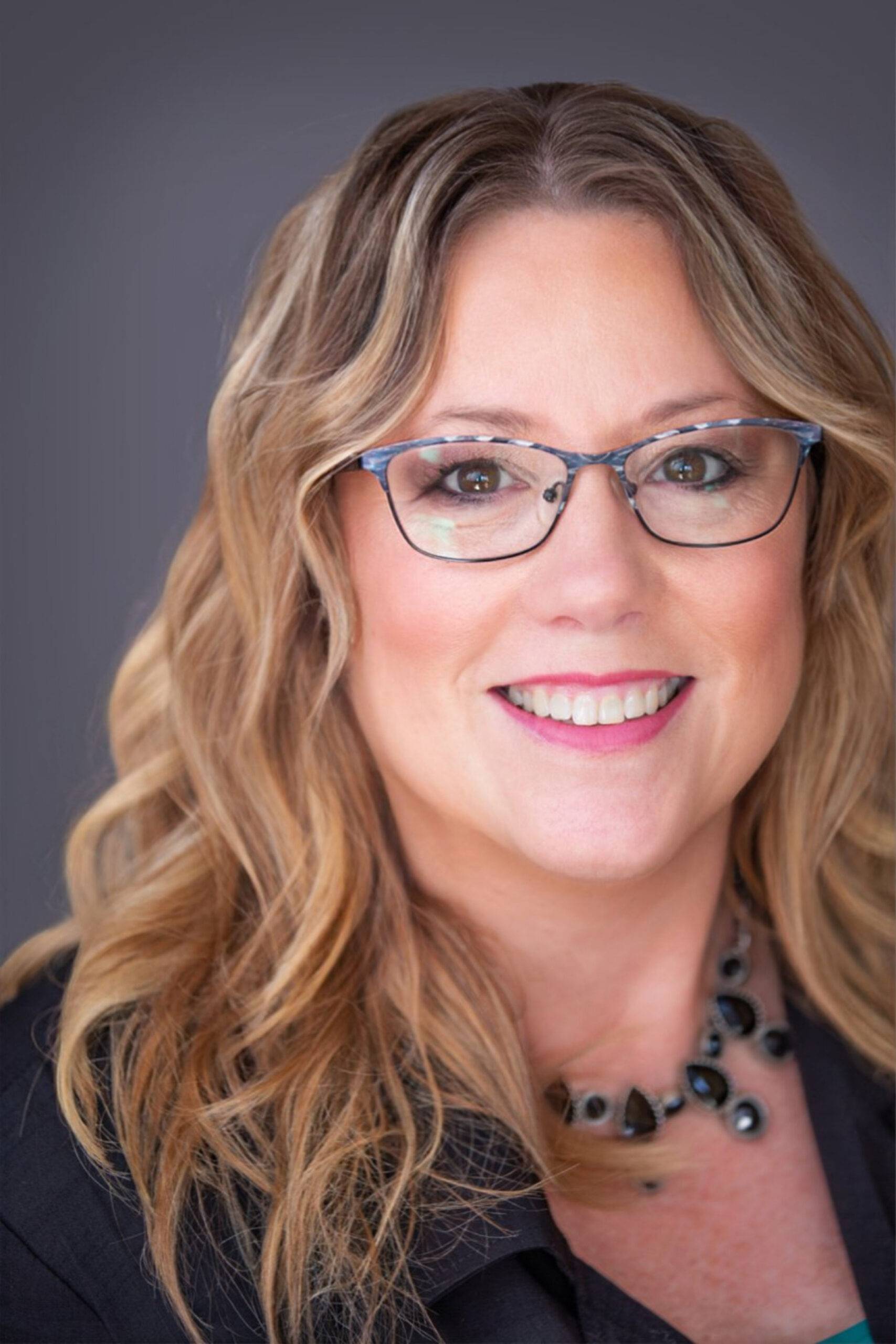 Brandy Jackson serves as the Director of Undergraduate Nursing Programs and Assistant Educator at Wichita State University and Co-Director of Access in Nursing. Brandy is a seasoned educator with over 15 years of experience. Before entering academia, Brandy served in Hospital-based leadership and Critical Care Staff nurse roles. Brandy is passionate about equity in nursing education with a focus on individuals with disabilities. Her current research interests include accommodations of nursing students with disabilities in clinical learning environments and breaking down barriers for historically unrepresented individuals to enter the nursing profession. Brandy is also actively engaged in Interprofessional Education development, creating IPE opportunities for faculty and students at Wichita State. Brandy is an active member of Wichita Women for Good and Soroptimist, with the goal to empower women and girls. Brandy is a TeamSTEPPS master trainer. She received the DASIY Award for Extraordinary Nursing Faculty in 2019 at Wichita State University.
  Dr. Sabrina Ali Jamal-Eddine is an Arab-disabled queer woman of color with a PhD in Nursing and an interdisciplinary certificate in Disability Ethics from the University of Illinois Chicago (UIC). Dr. Jamal-Eddine’s doctoral research explored spoken word poetry as a form of critical narrative pedagogy to educate nursing students about disability, ableism, and disability justice. Dr. Jamal-Eddine now serves as a Postdoctoral Research Associate in UIC’s Department of Disability and Human Development and serves on the Board of Directors of the National Organization of Nurses with Disabilities (NOND). During her doctoral program, Sabrina served as a Summer Fellow at a residential National Endowment of the Humanities (NEH) Summer Institute at Arizona State University (2023), a summer fellow at Andrew W. Mellon’s National Humanities Without Walls program at University of Michigan (2022), a Summer Research Fellow at UC Berkeley’s Othering & Belonging Institute (2021), and an Illinois Leadership Education in Neurodevelopmental and related Disabilities (LEND) trainee (2019-2020).
 Vanessa Cameron works for Vanderbilt University Medical Center in Nursing Education & Professional Development. She is also attending George Washington University and progressing towards a PhD in Nursing with an emphasis on ableism in nursing. After becoming disabled in April 2021, Vanessa’s worldview and perspective changed, and a recognition of the ableism present within healthcare and within the culture of nursing was apparent. She has been working since that time to provide educational foundations for nurses about disability and ableism, provide support for fellow disabled nursing colleagues, and advocate for the disabled community within healthcare settings to reduce disparities.
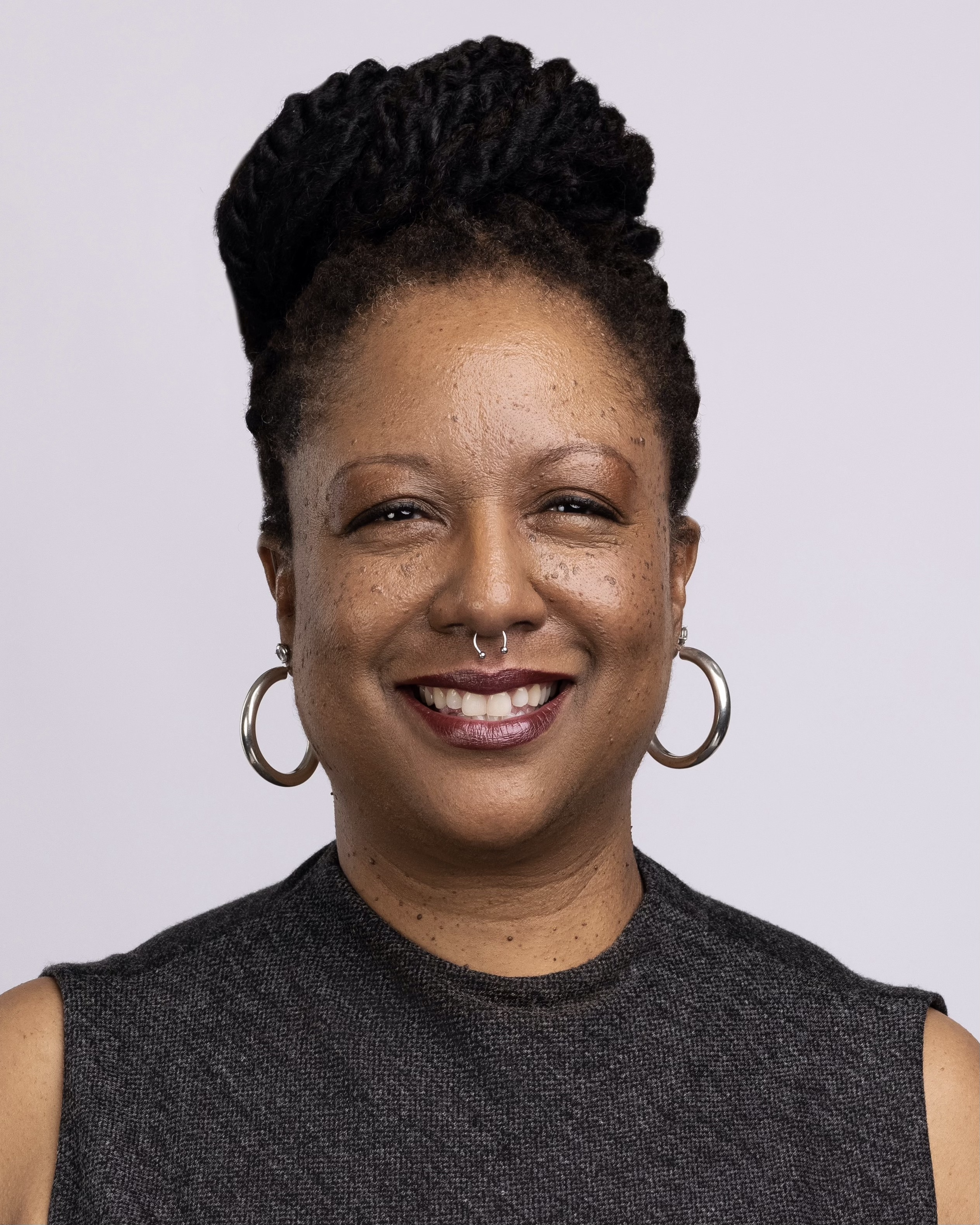 Dr. Lucinda Canty is a certified nurse-midwife, Associate Professor of Nursing, and Director of the Seedworks Health Equity in Nursing Program at the University of Massachusetts Amherst. She earned a bachelor’s degree in nursing from Columbia University, a master’s degree from Yale University, specializing in nurse-midwifery, and a PhD from the University of Connecticut. Dr. Canty has provided reproductive health care for over 29 years. Her research interests include the prevention of maternal mortality and severe maternal morbidity, reducing racial and ethnic health disparities in reproductive health, promoting diversity in nursing, and eliminating racism in nursing and midwifery.
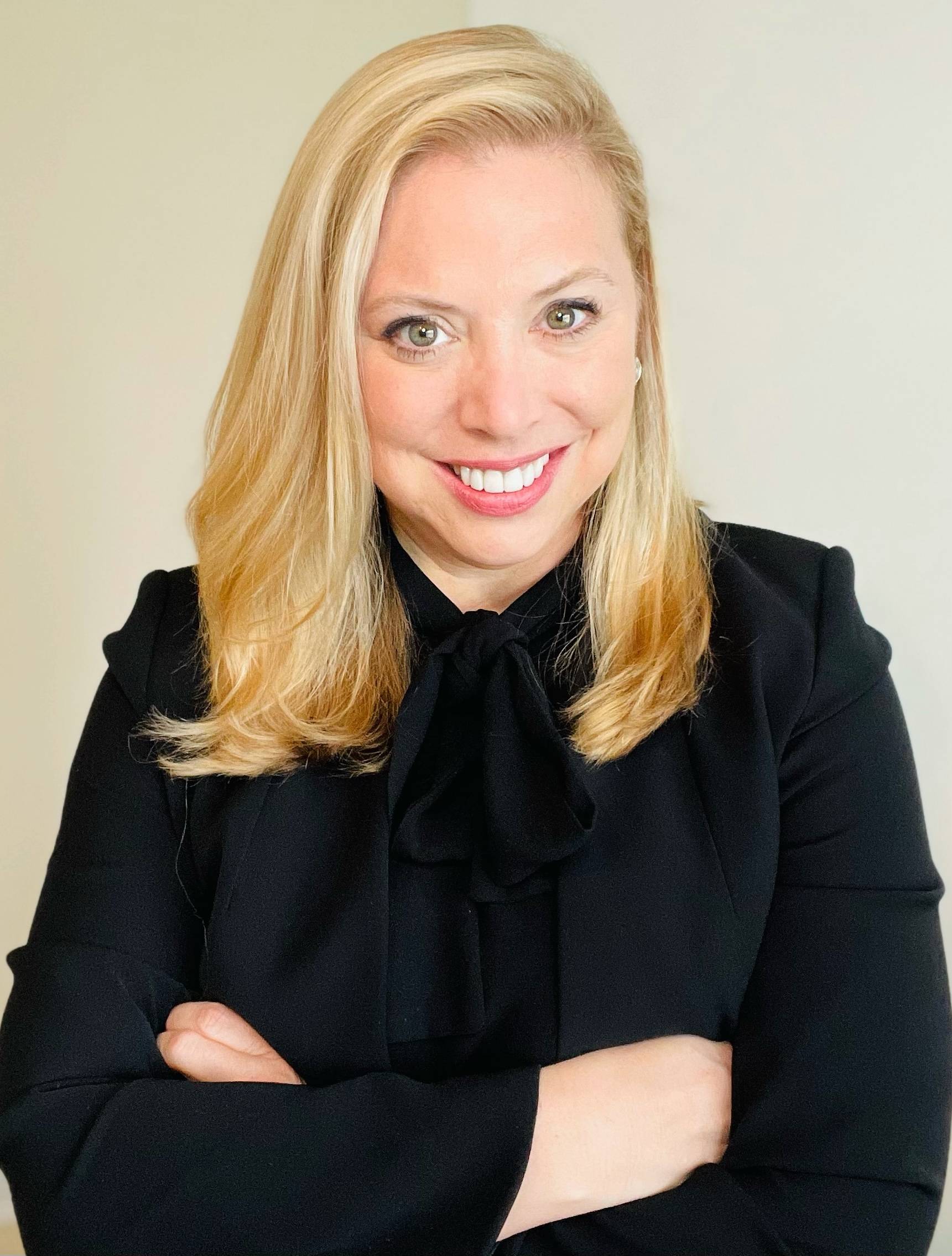 Dr. Lisa Meeks is a distinguished scholar and leader whose unwavering commitment to inclusivity and excellence has significantly influenced the landscape of health professions education and accessibility. She is the founder and executive director of the DocsWithDisabilities Initiative and holds appointments as an Associate Professor in the Departments of Learning Health Sciences and Family Medicine at the University of Michigan.
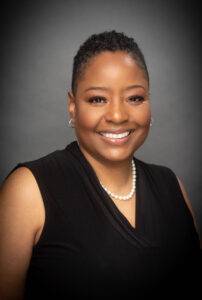 Dr. Nikia Grayson, DNP, MSN, MPH, MA, CNM, FNP-C, FACNM (she/her) is a trailblazing force in reproductive justice, blending her expertise as a public health activist, anthropologist, and family nurse-midwife to champion the rights and health of underserved communities. Graduating with distinction from Howard University, Nikia holds a bachelor’s degree in communications and a master’s degree in public health. Her academic journey also led her to the University of Memphis, where she earned a master’s in medical anthropology, and the University of Tennessee, where she achieved both a master’s in nursing and a doctorate in nursing practice. Complementing her extensive education, she completed a post-master’s certificate in midwifery at Frontier Nursing University.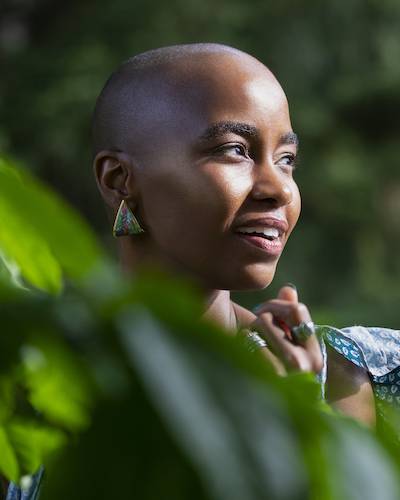

 Dr. Tia Brown McNair is the Vice President in the Office of Diversity, Equity, and Student Success and Executive Director for the Truth, Racial Healing, and Transformation (TRHT) Campus Centers at the American Association of Colleges and Universities (AAC&U) in Washington, DC. She oversees both funded projects and AAC&U’s continuing programs on equity, inclusive excellence, high-impact practices, and student success. McNair directs AAC&U’s Summer Institutes on High-Impact Practices and Student Success, and TRHT Campus Centers and serves as the project director for several AAC&U initiatives, including the development of a TRHT-focused campus climate toolkit. She is the lead author of From Equity Talk to Equity Walk: Expanding Practitioner Knowledge for Racial Justice in Higher Education (January 2020) and Becoming a Student-Ready College: A New Culture of Leadership for Student Success (July 2016 and August 2022 Second edition).