
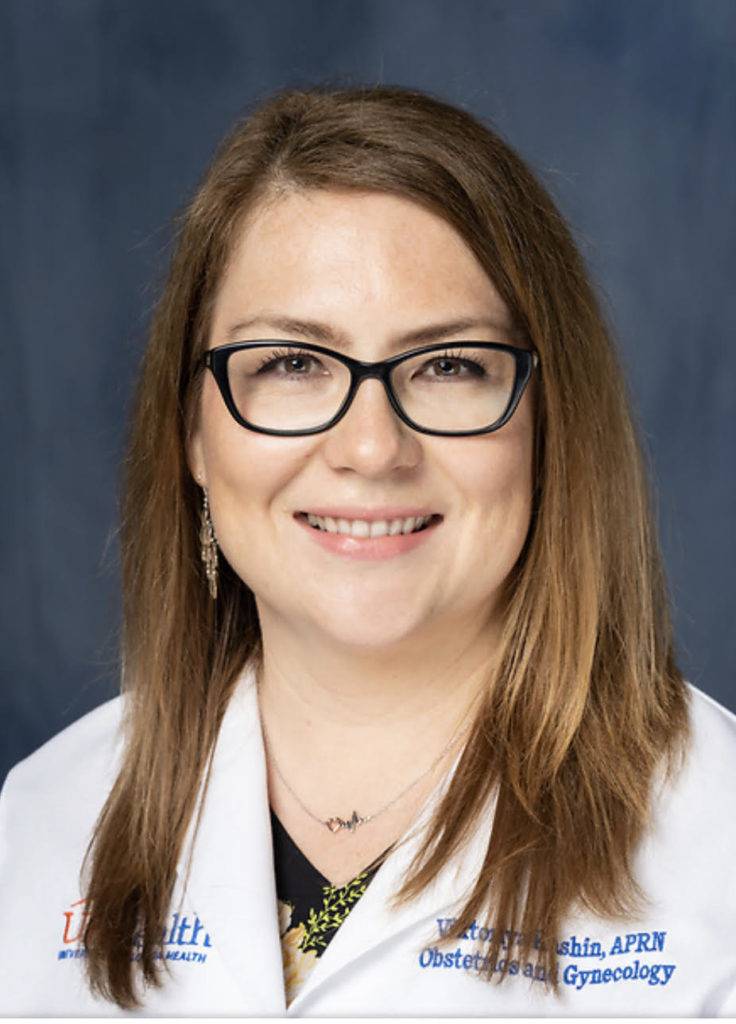
 When Russia began its attack on Ukraine in February, the images were shocking and terrifying. The heartbreaking scenes of devastation and destruction impacted everyone, but it was all particularly impactful to Frontier Nursing University (FNU) alumna Viktoriya Kashin, DNP, FNP, who was born in Russia. Her family immigrated to the United States in 1994 when she was 8. She traveled to Russia and Ukraine several times, staying connected to her homeland through friends and family. As the war began and casualties mounted, she knew she had to find a way to help. As a family nurse practitioner, Dr. Kashin, of course, is uniquely qualified to provide medical aid, and her knowledge and experience were needed in the war-torn country.
“The reason I became a nurse was because of my high school teacher,” said Dr. Kashin, who attended high school in Tennessee. “I was a senior in high school and didn’t know what I was going to do. I took a health science class. It was just basic things – taking blood pressure and learning about the human body. One day my teacher said, ‘You would make a great nurse.’ Two of my friends wanted to be nurses, and my mom also encouraged me to go into the medical field. She was sick a lot off and on, and she passed away while I was in nursing school. This devastated me, but she inspired me to live for others. Seeing her care at the hospital and the difference nurses made motivated me to become a nurse, and then later a nurse practitioner.”
Dr. Kashin, who completed a Bachelor of Science in Nursing at the University of Tennessee in Chattanooga, realized that she had the potential to do more for her patients but that she would need to expand her training and education to do so.
“I felt I was restricted as a nurse because my knowledge base was limited,” Dr. Kashin said. “In 2014, my dad had a pulmonary embolism. Being in a room with him and unable to help him felt horrible, so I decided to go back to school, and I applied to Frontier.”
“I loved Frontier,” said Dr. Kashin, who now works in maternal-fetal medicine (MFM) at the University of Florida Health Hospital in Gainesville, Florida. “Going back to school as an adult is a completely different experience. I wanted to learn, and I really loved it. The Frontier faculty and staff were extremely invested in my success and very supportive. I struggled in undergrad so much that I never thought I could do well in a doctorate program, but I graduated with a 4.0. Frontier had a lot of emphasis on rural medicine and helping underserved people. This lines up exactly with my life’s vision. I was always interested in working with the marginalized and poor. I think it is because I know what it is like to live on the other side of the railroad tracks and have very little. Even now, I work with a population that does not have regular access to medical care, many do not have insurance unless they are pregnant. Frontier helped frame my thinking and opened my eyes to many health care disparities, and is why I did not go into private practice.”
 “The Frontier faculty and staff were extremely invested in my success and very supportive…Frontier had a lot of emphasis on rural medicine and helping underserved people. This lines up exactly with my life’s vision…Frontier helped frame my thinking and opened my eyes to many health care disparities, and is why I did not go into private practice.”
– Viktoriya Kashin, DNP, FNP, FNU Alumnus
In her first three years in MFM, Dr. Kashin worked outpatient, but a year ago, she switched to inpatient care. Among the conditions that she helps treat are patients with premature rupture of membranes (PROM). These patients’ water ruptures early, and they are hospitalized to help prevent them from delivering too early. The MFM team also treats preeclampsia, which is high blood pressure during pregnancy. Those with severe cases of preeclampsia are hospitalized and treated to help them remain pregnant as long as possible while preventing seizures or other complications. Other conditions treated include diabetes, multiple gestations, fetal anomalies, and infections.
The high-risk and labor halls are all closely connected, as is the tight-knit staff. A typical shift consists of 12 nurses and three residents, including a general attending, an MFM attending, a nurse practitioner, or a certified nurse-midwife.
“We share a workspace and often help each other out,” Dr. Kashin said.
That level of support came into full view when Dr. Kashin answered the call to go on a mission trip to help the people of Ukraine. Her hospital was no stranger to the nursing shortage prevalent throughout the country, yet her request was met with nothing but support.
“I told my boss I needed 3 weeks off, and he said, ‘What can I say? It’s for humanity,’” said Dr. Kashin, who created a fundraiser to help pay for the mission trip. “Many people had to step up and cover for me at work. My co-workers even organized a bake sale, collecting thousands of dollars. They also put out a department-wide email with my fundraiser links, and many donations came from the faculty and staff at the University of Florida. They were immeasurably kind and supportive.”
Dr. Kashin had always thought about going on a medical mission. She just didn’t think it would be such a personal trip.
“When the war broke out, I really wanted to help but didn’t know how. A few days after the war started, my childhood friend Natasha sent me a message stating that they need Russian-speaking female medical professionals (because most of the refugees were women),” Dr. Kashin said. “All that matched up with me. It was like an answer to prayer. At that point, I knew I had to go.”
Along with her coworkers, Dr. Kashin received tremendous support from her community, who supported her GoFundMe campaign. Her brother, Oleg, also went on the trip, and her church paid for their tickets to and from Ukraine. Overall, they raised over $20,000, which they were able to give to people in Ukraine to help with food and other supplies.
Her mission trip, which lasted 20 days and was organized through Crisis Response International, began by flying into Krakow, Poland, and then driving to Ukraine.
“We stayed in a small city an hour away from Poland,” Dr. Kashin said. “It was an old hospital that was only functioning on the first floor. The other levels were empty for decades, and that is where the refugees moved in. Our team, however, rented a couple of rooms in a gym and stayed on the top floor. We just had two rooms – one for the guys, one for the girls. We didn’t always have hot water. The heat wasn’t working. There wasn’t a stove or kitchen. We were definitely roughing it.”
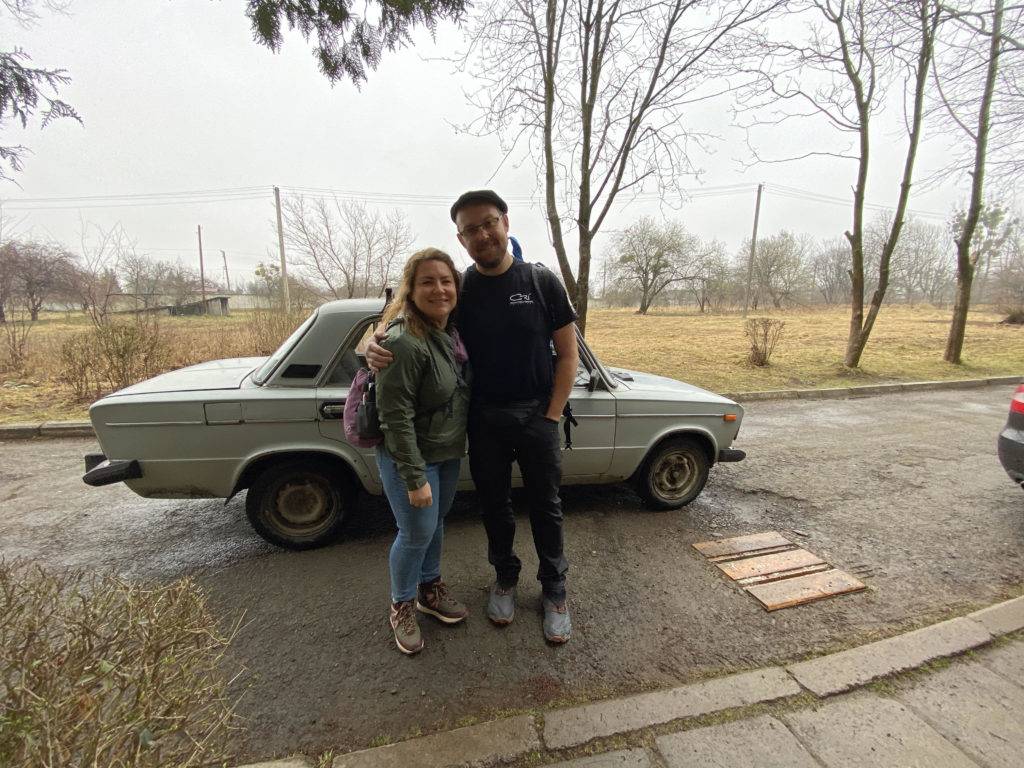
The refugee center was organized by a husband and wife who had a long-standing connection to local orphanages. The husband himself was an orphan growing up, and the couple had also adopted two orphans.
“They got in touch with the orphanages and brought the orphans from all over Ukraine to the refugee center,” Dr. Kashin said. “From there, the orphans were sent to Austria and Germany. Every day there would be a bus full of kids leaving and going elsewhere. That’s how they started the refugee center. They had a chef that was a refugee herself who volunteered her services. They would cook three meals every day. There was a little office that we made into a clinic. It was easier just to show up with a stethoscope around your neck than to make appointments. The refugees would just stop you in the hall and tell you whatever ailed them, often inviting us into their rooms. Every day I would go in and see patients. I had a couple of pregnant patients and a couple of newborn babies. We also went to train stations and gave out goodie bags full of supplies. One day we met a pregnant woman that didn’t have anywhere to go. She and her family were able to come to the refugee center that same night to have a place to stay.”
Dr. Kashin explained that drivers would take vans into the ravaged areas and pick people up and get them out. Some of the money that Dr. Kashin and her brother raised helped repair the vans and protect the drivers, who were frequently under fire.
Even in the relative safety of the refugee center, however, there was an element of constant threat and danger.
“Every day, the bomb sirens would go off,” Dr. Kashin said. “Many people at the refugee center had PTSD (post-traumatic stress disorder). Every time a door slammed, they would jump.”
Despite the constant reminders of the violence all around them, the volunteers did their best to make the refugee center as comfortable and welcoming as they could. In addition to the meals, room to sleep, and access to medical care, a hairstylist gave haircuts, and other women offered massages. Often, the refugees just wanted someone to talk to.
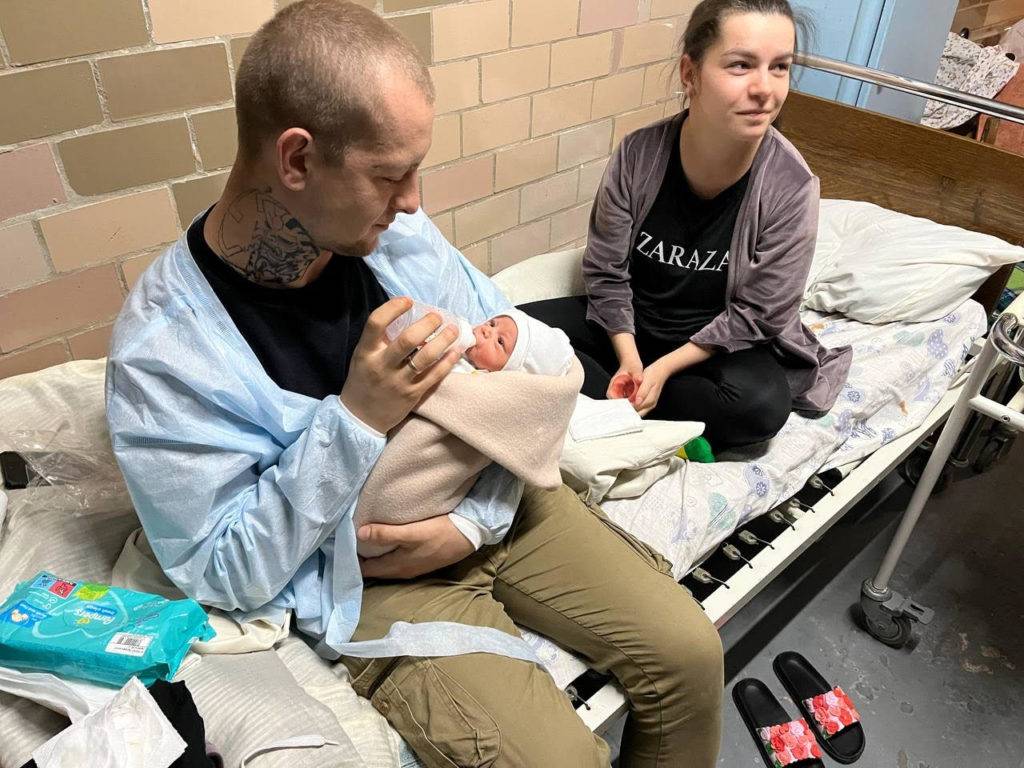
A new father feeds his baby in the hospital where Dr. Kashin and her mission group delivered medical supplies.
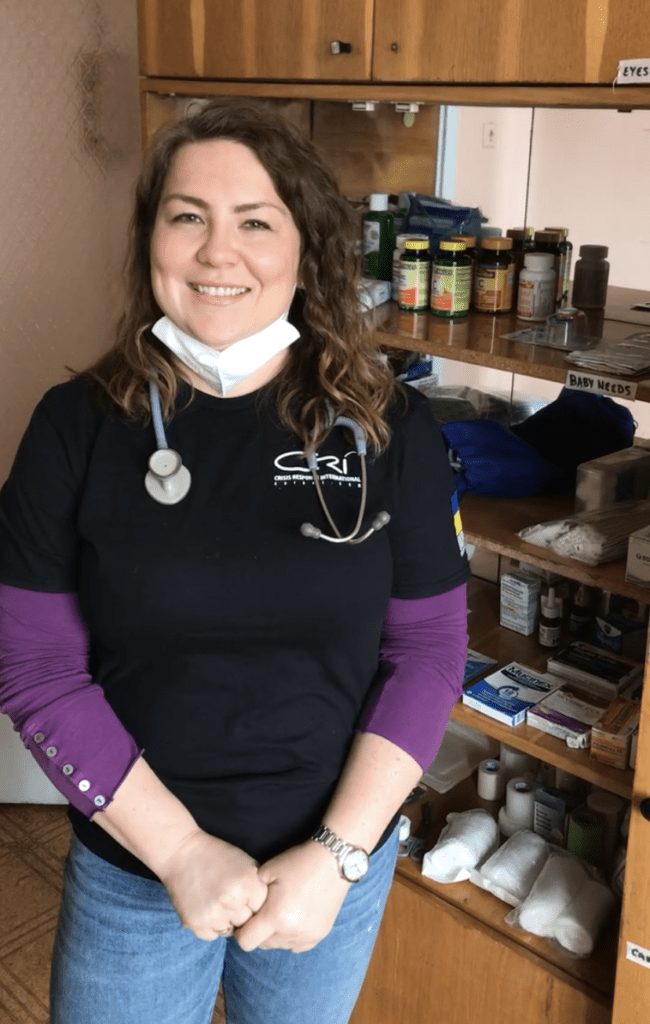
Dr. Kashin stands in front of the refugee center’s makeshift medicine cabinet.
“They just wanted to tell you where they came from, their pets they left behind, their husband or brother or father who is fighting,” Dr. Kashin said. “We just sat with them and listened and offered encouragement and tried to give them any help we could. I held back a lot of tears.”
In addition to the supplies they brought with them, the refugee center regularly received shipments of humanitarian aid from the U.S. and other European countries, including diapers and formula (before the formula shortage), warm clothes, and medications.
“The airline didn’t charge us for extra bags because it was humanitarian aid,” Dr. Kashin said. “It was really neat to see how the U.S. and the whole world responded to Ukraine.”
After 20 days, Dr. Kashin returned to the U.S., but her brother remained in Ukraine, continuing to forge relationships and deliver supplies.
“It was hard coming back. I had a little bit of survivor’s guilt,” Dr. Kashin said. “This is pretty much home country. If I didn’t come to the U.S. as a child, what would my life be? I could be one of those women that were raped and killed. It is horrendous to think about.”
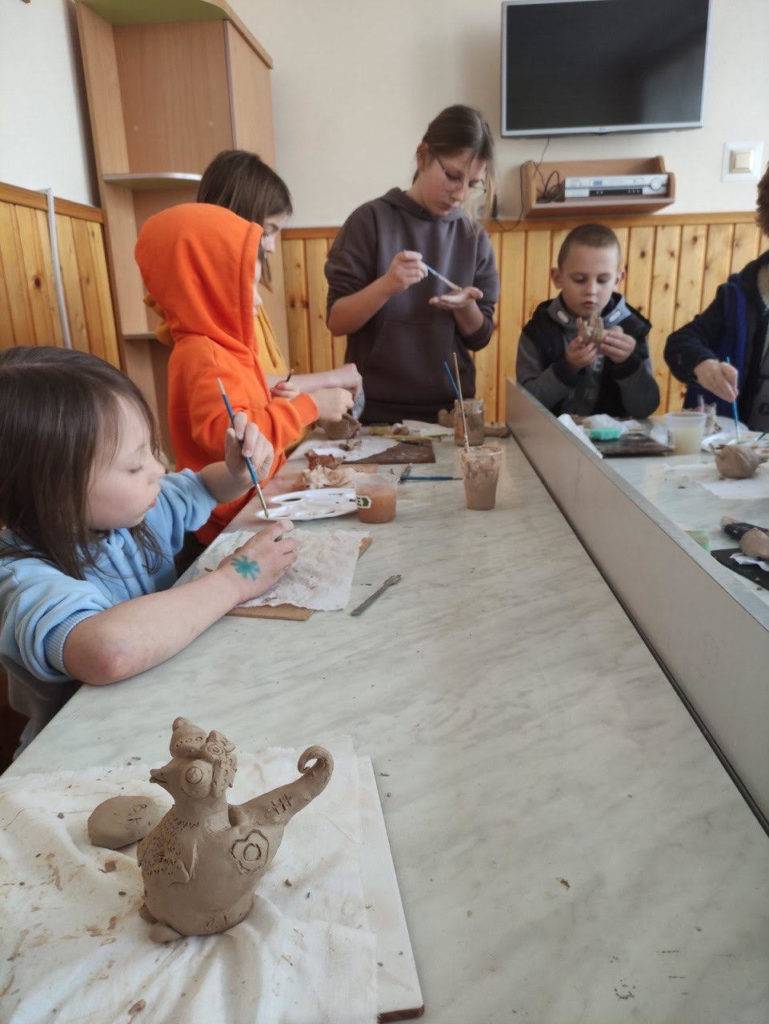
Activities for the refugee children included making arts and crafts.
She intends to return to Ukraine at some point. In the meantime, she continues to raise funds for supplies and remains in contact with many of the people she met there. More difficult, however, is communicating with her Russian family. The topic of “war” is completely off-limits.
Beyond a return trip to Ukraine, Dr. Kashin’s plans are wide open, thanks to MFM being such a large field. She can continue or perhaps select something new.
“I really love women’s health she said. “There is so much to learn in this field. I would like to do more medical mission work in the future. For now, I am happy where I’m at.”
One thing she does know is that the people of Ukraine will persevere.
“They are running out of gas, and they have nothing to fight with. But they are a very resilient people,” she said. “Even though the war is still going, certain parts of Ukraine are being rebuilt already. I’m very thankful for everyone who has shown support with money, encouragement, and prayer.”
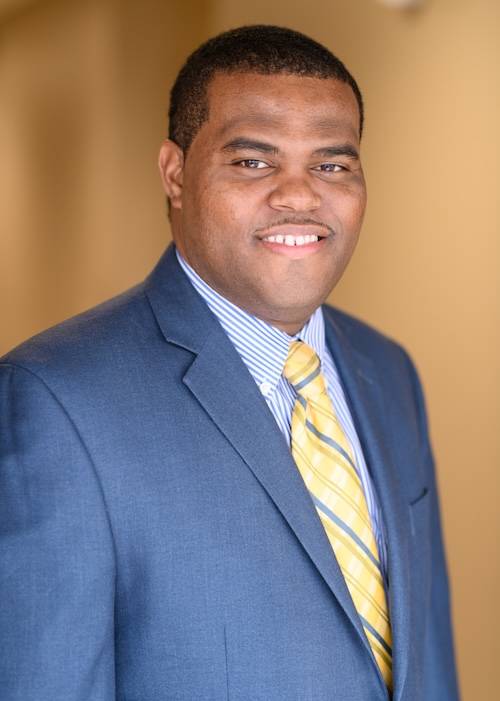
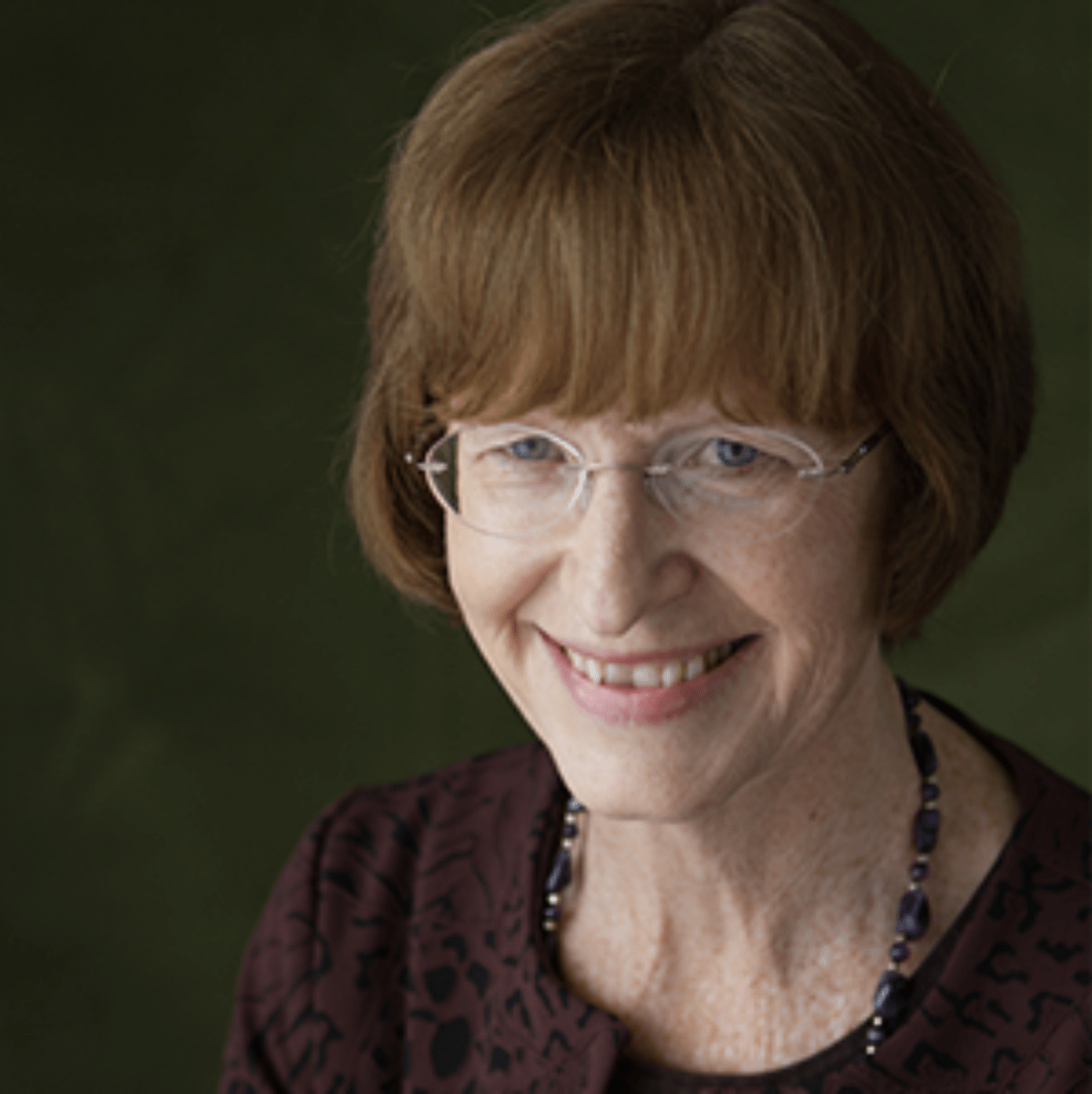
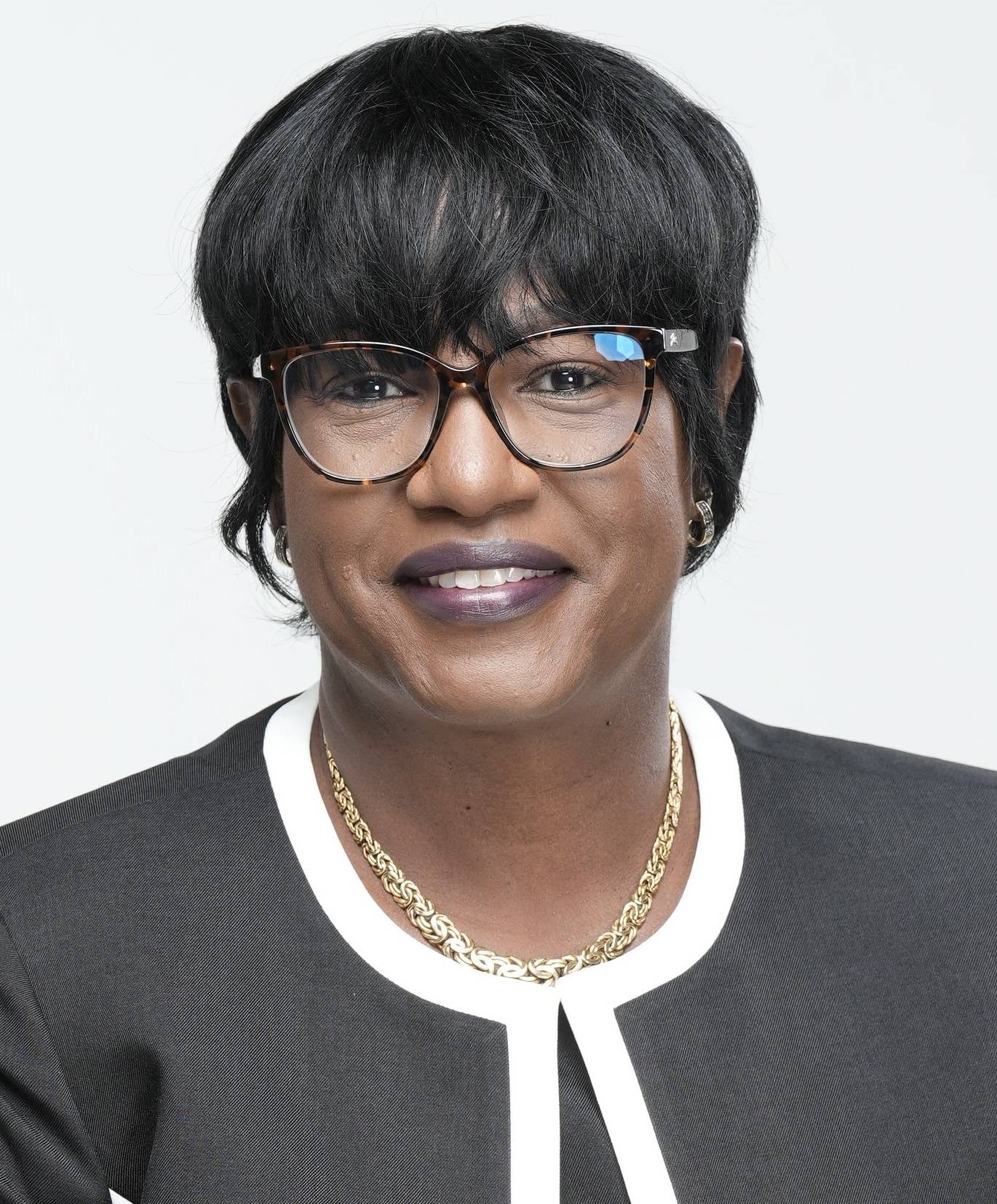


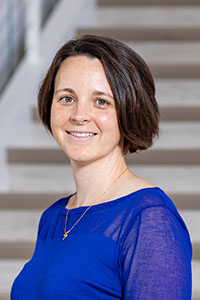
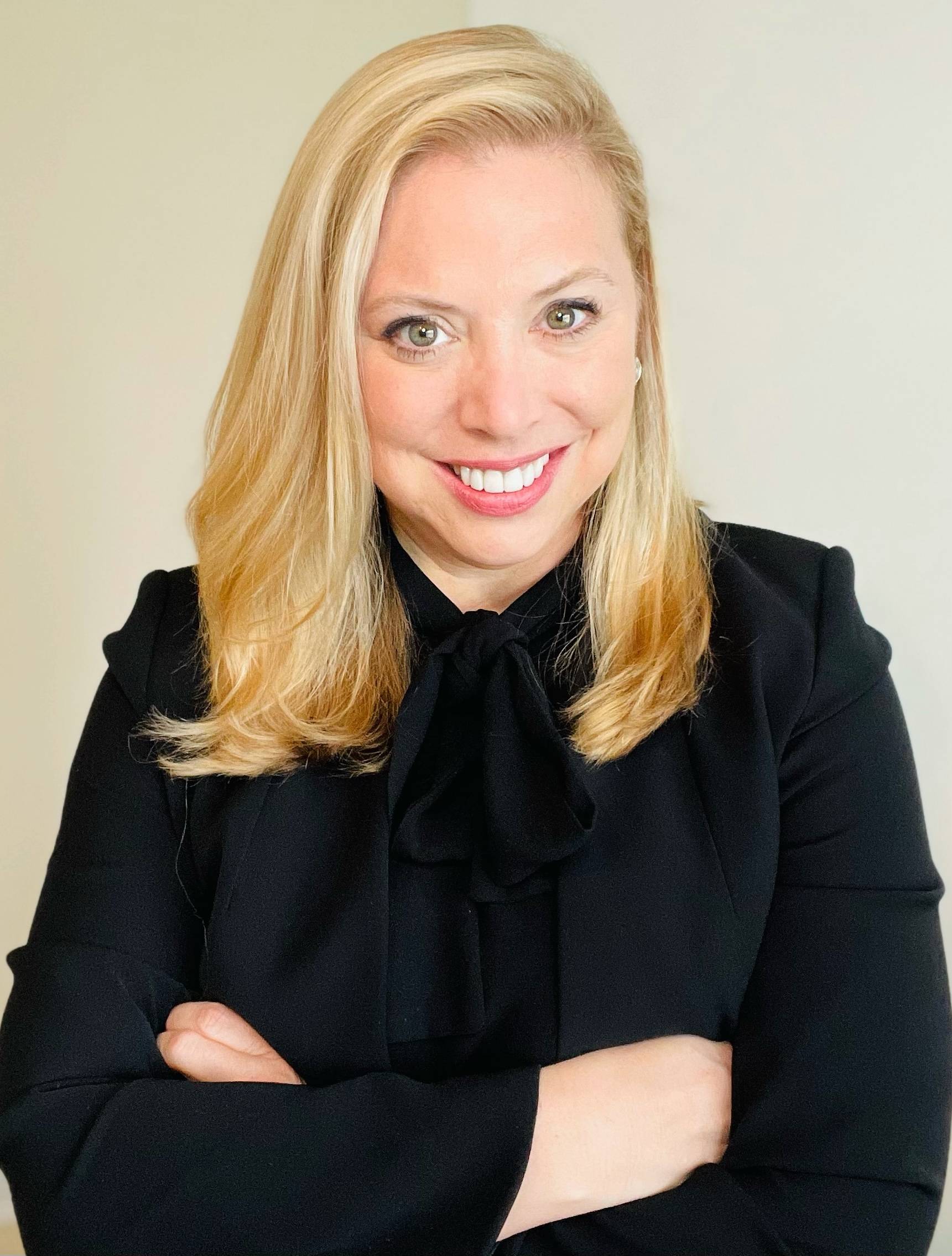
 Carrie Belin is an experienced board-certified Family Nurse Practitioner and a graduate of the Johns Hopkins DNP program, Johns Hopkins Bloomberg School of Public Health, Georgetown University School of Nursing, and Johns Hopkins School of Nursing. She has also completed fellowships at Georgetown and the University of California Irvine.
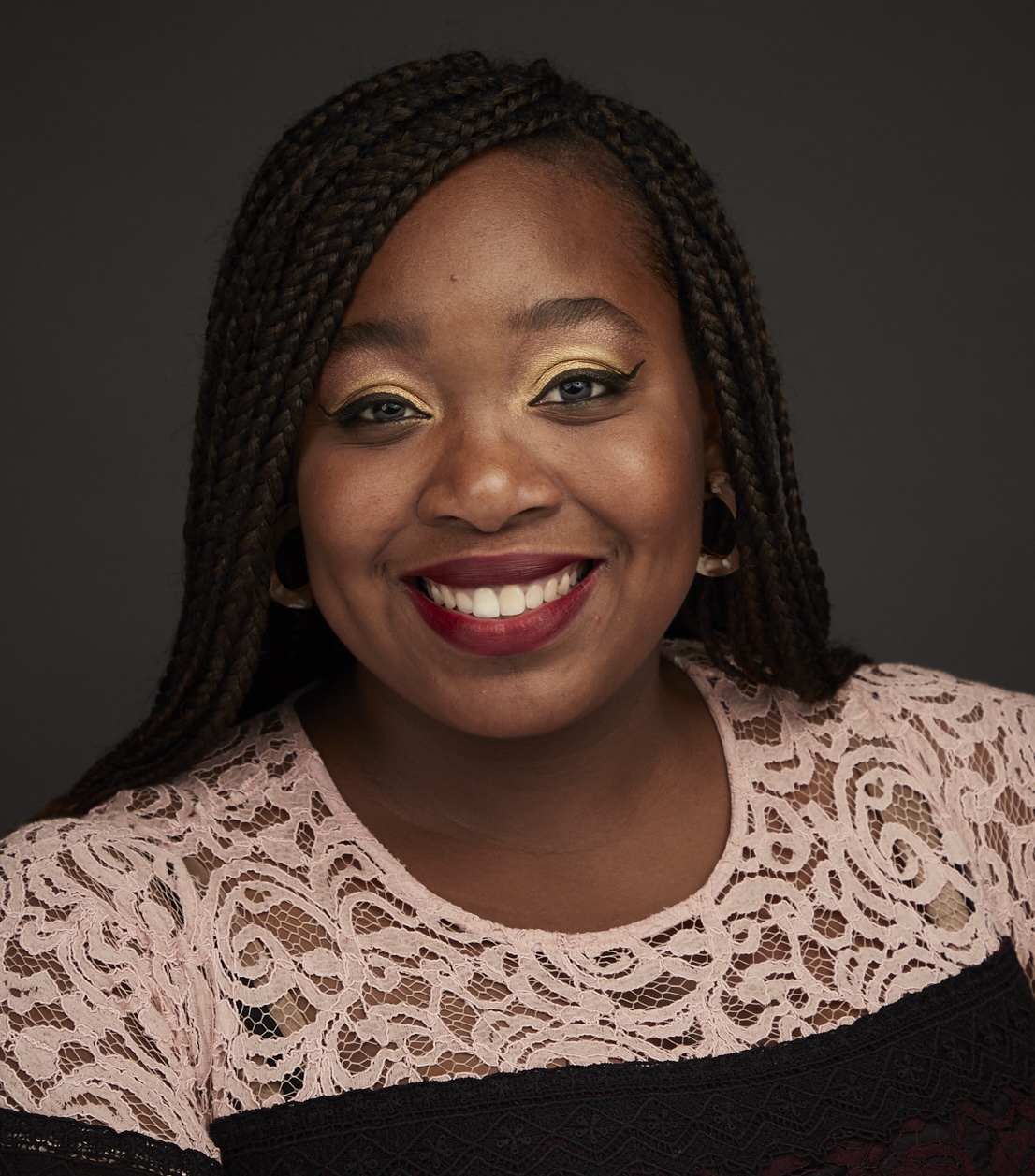
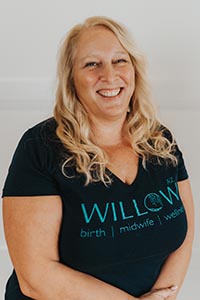
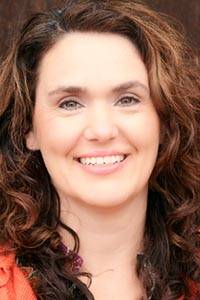 Angie has been a full-scope midwife since 2009. She has experience in various birth settings including home, hospital, and birth centers. She is committed to integrating the midwifery model of care in the US. She completed her master’s degree in nurse-midwifery at Frontier Nursing University (FNU) and her Doctorate at Johns Hopkins University. She currently serves as the midwifery clinical faculty at FNU. Angie is motivated by the desire to improve the quality of healthcare and has led quality improvement projects on skin-to-skin implementation, labor induction, and improving transfer of care practices between hospital and community midwives. In 2017, she created a short film on skin-to-skin called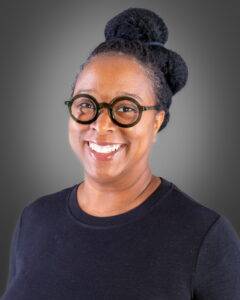
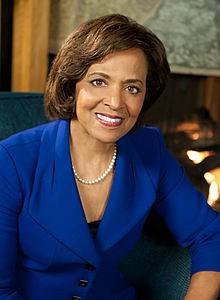
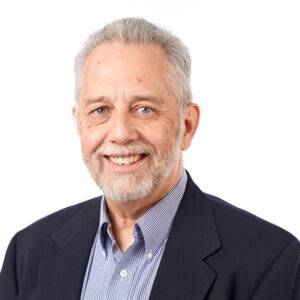
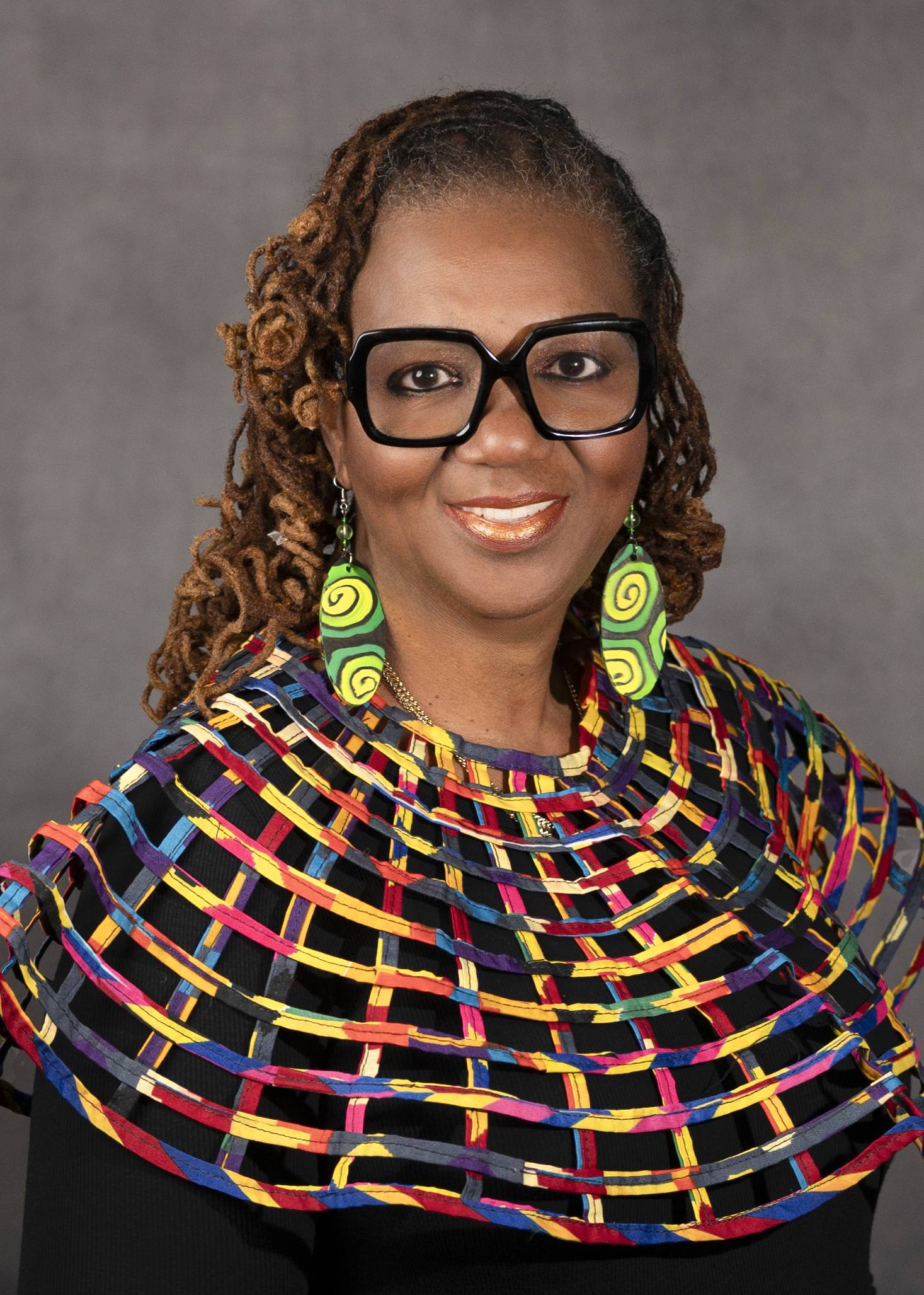
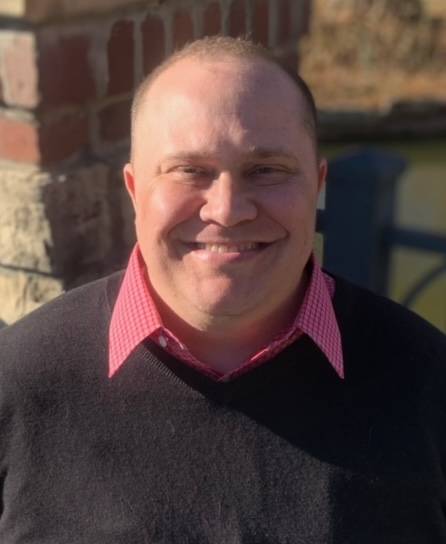 Justin C. Daily, BSN, RN, has ten years of experience in nursing. At the start of his nursing career, Justin worked as a floor nurse on the oncology floor at St. Francis. He then spent two years as the Director of Nursing in a small rural Kansas hospital before returning to St. Francis and the oncology unit. He has been in his current position as the Chemo Nurse Educator for the past four years. He earned an Associate in Nurse from Hutchinson Community College and a Bachelor of Science in Nursing from Bethel College.
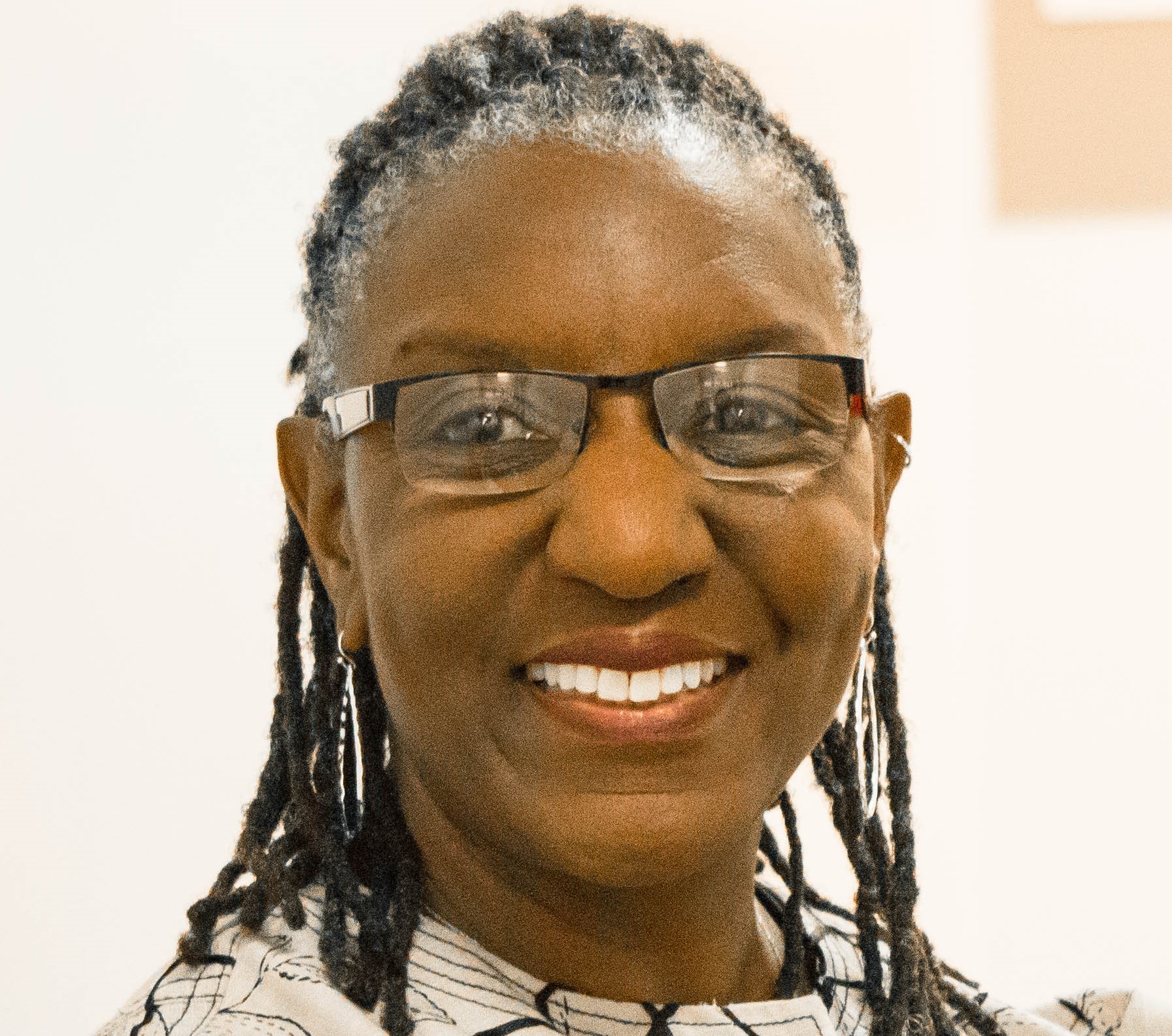
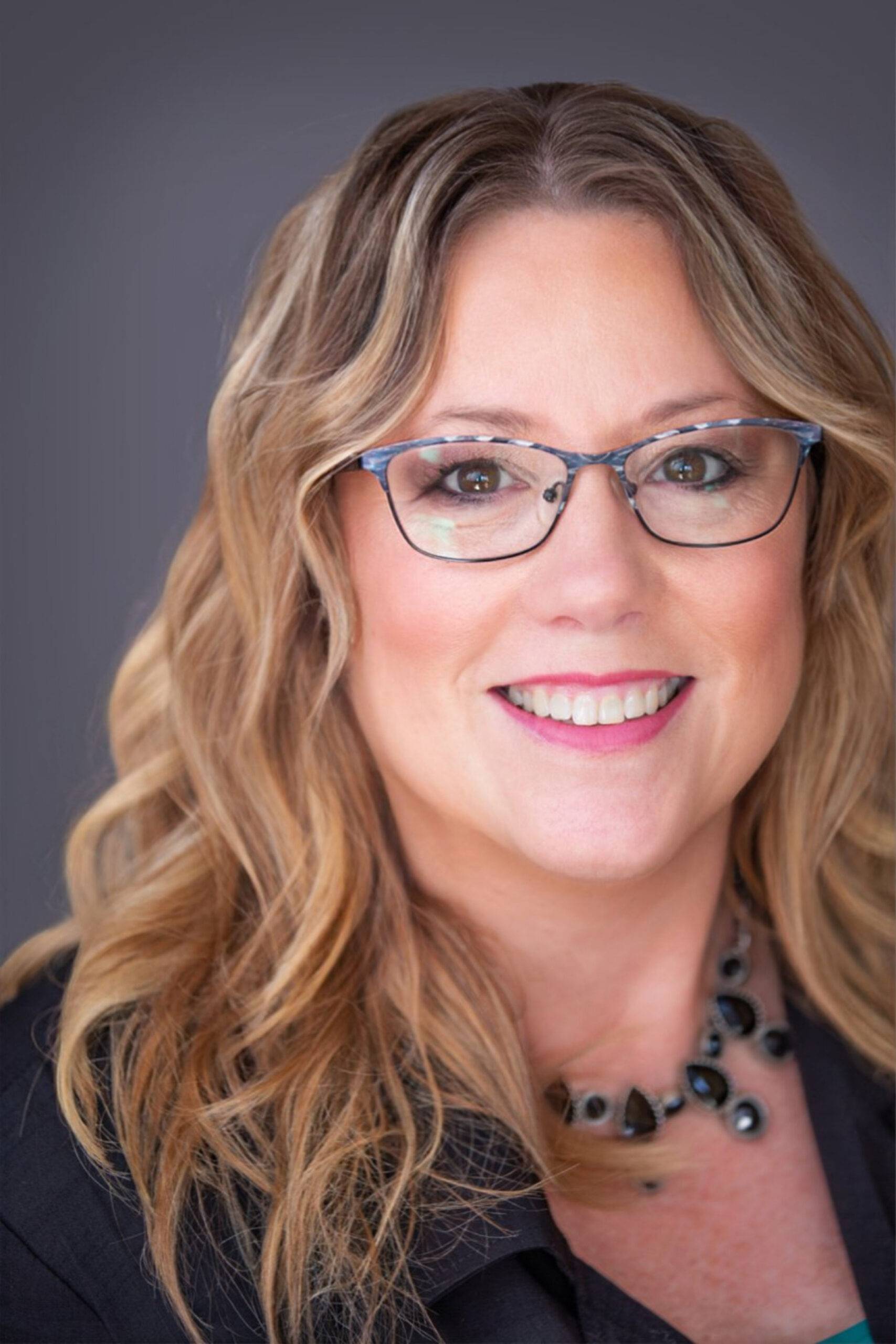 Brandy Jackson serves as the Director of Undergraduate Nursing Programs and Assistant Educator at Wichita State University and Co-Director of Access in Nursing. Brandy is a seasoned educator with over 15 years of experience. Before entering academia, Brandy served in Hospital-based leadership and Critical Care Staff nurse roles. Brandy is passionate about equity in nursing education with a focus on individuals with disabilities. Her current research interests include accommodations of nursing students with disabilities in clinical learning environments and breaking down barriers for historically unrepresented individuals to enter the nursing profession. Brandy is also actively engaged in Interprofessional Education development, creating IPE opportunities for faculty and students at Wichita State. Brandy is an active member of Wichita Women for Good and Soroptimist, with the goal to empower women and girls. Brandy is a TeamSTEPPS master trainer. She received the DASIY Award for Extraordinary Nursing Faculty in 2019 at Wichita State University.
  Dr. Sabrina Ali Jamal-Eddine is an Arab-disabled queer woman of color with a PhD in Nursing and an interdisciplinary certificate in Disability Ethics from the University of Illinois Chicago (UIC). Dr. Jamal-Eddine’s doctoral research explored spoken word poetry as a form of critical narrative pedagogy to educate nursing students about disability, ableism, and disability justice. Dr. Jamal-Eddine now serves as a Postdoctoral Research Associate in UIC’s Department of Disability and Human Development and serves on the Board of Directors of the National Organization of Nurses with Disabilities (NOND). During her doctoral program, Sabrina served as a Summer Fellow at a residential National Endowment of the Humanities (NEH) Summer Institute at Arizona State University (2023), a summer fellow at Andrew W. Mellon’s National Humanities Without Walls program at University of Michigan (2022), a Summer Research Fellow at UC Berkeley’s Othering & Belonging Institute (2021), and an Illinois Leadership Education in Neurodevelopmental and related Disabilities (LEND) trainee (2019-2020).
 Vanessa Cameron works for Vanderbilt University Medical Center in Nursing Education & Professional Development. She is also attending George Washington University and progressing towards a PhD in Nursing with an emphasis on ableism in nursing. After becoming disabled in April 2021, Vanessa’s worldview and perspective changed, and a recognition of the ableism present within healthcare and within the culture of nursing was apparent. She has been working since that time to provide educational foundations for nurses about disability and ableism, provide support for fellow disabled nursing colleagues, and advocate for the disabled community within healthcare settings to reduce disparities.
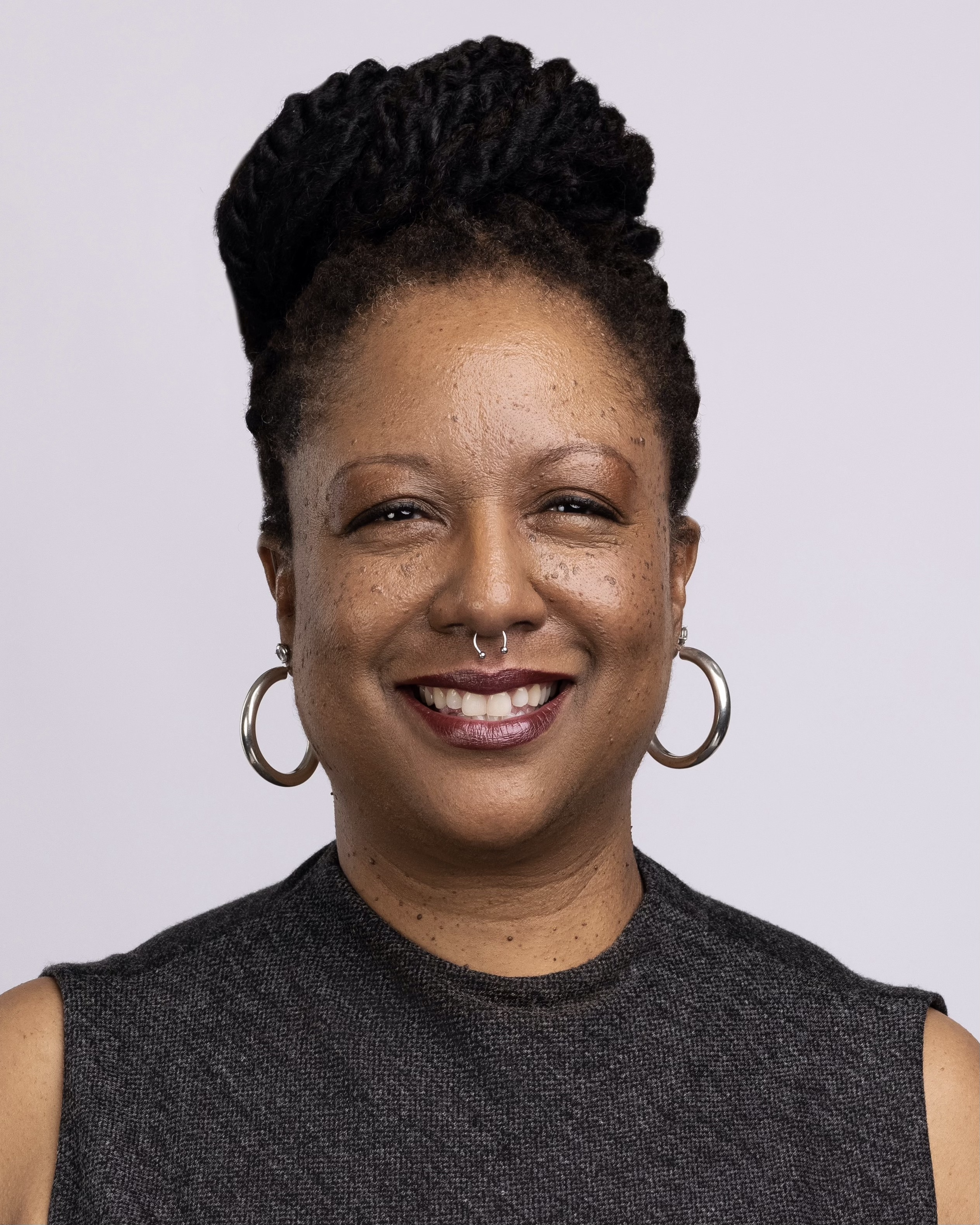 Dr. Lucinda Canty is a certified nurse-midwife, Associate Professor of Nursing, and Director of the Seedworks Health Equity in Nursing Program at the University of Massachusetts Amherst. She earned a bachelor’s degree in nursing from Columbia University, a master’s degree from Yale University, specializing in nurse-midwifery, and a PhD from the University of Connecticut. Dr. Canty has provided reproductive health care for over 29 years. Her research interests include the prevention of maternal mortality and severe maternal morbidity, reducing racial and ethnic health disparities in reproductive health, promoting diversity in nursing, and eliminating racism in nursing and midwifery.
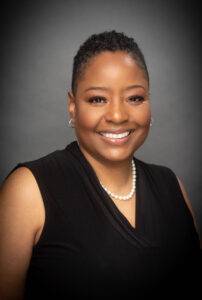
 Dr. Lisa Meeks is a distinguished scholar and leader whose unwavering commitment to inclusivity and excellence has significantly influenced the landscape of health professions education and accessibility. She is the founder and executive director of the DocsWithDisabilities Initiative and holds appointments as an Associate Professor in the Departments of Learning Health Sciences and Family Medicine at the University of Michigan.
 Dr. Nikia Grayson, DNP, MSN, MPH, MA, CNM, FNP-C, FACNM (she/her) is a trailblazing force in reproductive justice, blending her expertise as a public health activist, anthropologist, and family nurse-midwife to champion the rights and health of underserved communities. Graduating with distinction from Howard University, Nikia holds a bachelor’s degree in communications and a master’s degree in public health. Her academic journey also led her to the University of Memphis, where she earned a master’s in medical anthropology, and the University of Tennessee, where she achieved both a master’s in nursing and a doctorate in nursing practice. Complementing her extensive education, she completed a post-master’s certificate in midwifery at Frontier Nursing University.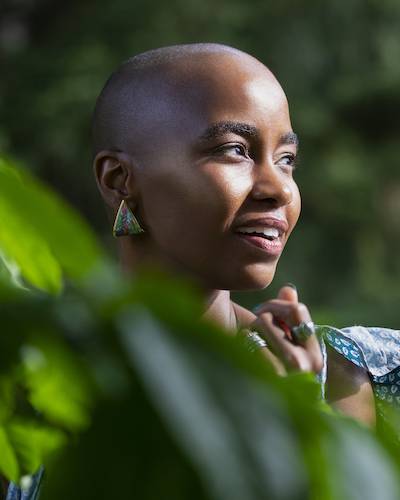

 Dr. Tia Brown McNair is the Vice President in the Office of Diversity, Equity, and Student Success and Executive Director for the Truth, Racial Healing, and Transformation (TRHT) Campus Centers at the American Association of Colleges and Universities (AAC&U) in Washington, DC. She oversees both funded projects and AAC&U’s continuing programs on equity, inclusive excellence, high-impact practices, and student success. McNair directs AAC&U’s Summer Institutes on High-Impact Practices and Student Success, and TRHT Campus Centers and serves as the project director for several AAC&U initiatives, including the development of a TRHT-focused campus climate toolkit. She is the lead author of From Equity Talk to Equity Walk: Expanding Practitioner Knowledge for Racial Justice in Higher Education (January 2020) and Becoming a Student-Ready College: A New Culture of Leadership for Student Success (July 2016 and August 2022 Second edition).