The Unbridled Spirit Award is given annually to a former Courier who has perpetuated the mission and spirit of Frontier in their own lives. The award recognizes dedication to serving others, ongoing stewardship of FNU, and a zest for adventure.
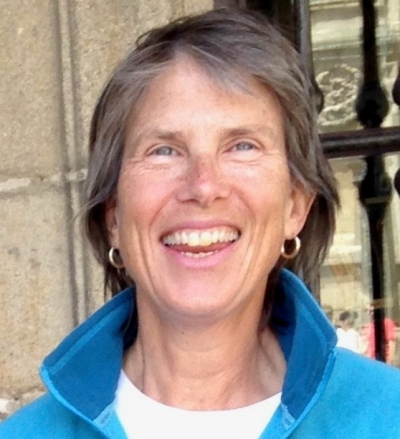
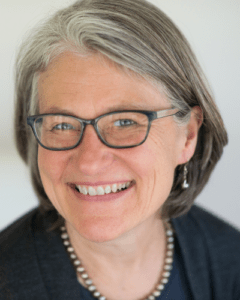
Elizabeth “Betsy” Trefts embodies all of those elements, and so much more. Dr. Trefts is a recently retired medical doctor who specialized in pediatrics and infectious diseases at Northern Light Eastern Main Medical Center in Bangor, Maine.
Born and raised just outside of Cleveland, Ohio, Betsy knew at a young age that she wanted to pursue a career in medicine.
“Except for a time in second grade when I wanted to be a marine biologist — a junior Jacques Cousteau — I always had an inner sense that I wanted to be a doctor,” Dr. Trefts said. “I had fairly clear, if somewhat romanticized, idea about the kind of doctor I wanted to be. I knew that, whatever I did, my head and heart and hands would all have to be engaged, and that I not only wanted, but needed, some time in the outdoors.”
The youngest of five children, Betsy learned about the Frontier Nursing Service (FNS) courier program from her sister Dorothy “Dede” Trefts.
“My oldest sister learned about FNS and volunteered as a courier in May of 1971. I was in 5th grade at the time and went along for the ride when my parents drove her from Ohio down to Kentucky. During the drive and on our arrival, it took no time at all for me to fall in love with the Cumberland Mountains and the fabulous individuals I met at Wendover. I decided then and there that I wanted to become a courier when I did my senior project. Seven years later, in May of 1978, I did so, and loved it so much, I returned for the month of January 1979 during the winter session of my freshman year of college.”
Dr. Trefts said she loved everything about the courier experience, from the glorious May weather to the breathtaking views and extraordinary flora and fauna which show off the Cumberland Mountains in all their finery. But it wasn’t just that — as a return stint as a courier during harsher conditions in January’s ”Winter Session” of her freshman year of college affirmed. She enjoyed driving “Spruce”, Wendover’s truck at the time, and “Thing”, an old Volkswagen, through the mountains and across the rivers to transport supplies, mail and test samples between the nursing outpost centers and the hospital and helping as needed in each of those locations.
“I pretty much loved everything. But the most wonderful thing was the people — everyone — the other couriers, the staff, the students, home health nurses, and the local mountain people whom FNS served. Wearing the courier uniform (khaki pants and a white shirt) afforded the wearer a level of trust earned over the years by generations of caring FNS staff and volunteers. That gift of trust, personally unearned except through affiliation with others, offered with it help and safety along the roads and a warm welcome inside family homes that I found both profound and greatly moving.”
Needless to say, Dr. Trefts’ courier experience was life-changing and a launching pad to her career in medicine.
“When I came to FNS, I found my role models. They were the home health nurse (Janice Noren) and two nurse-midwifery students (Sue Keilman and Karen Yoder) who lived in the loft apartments of the Wendover barn and let me tag along with them during my off hours as a courier. They not only carefully guided me through some of their ER shifts and home visit rounds in the mountains, but also opened my eyes to the potential for future medical experiences like those they had already experienced in Africa, Central and South America, and remote areas of Canada.
“I learned from them and others that things go best when people work as a team and look out for each other. I learned that people know when you truly care about them, and that caring is contagious. I saw with my own eyes that, in the practice of medicine or health care, one did not have to resign oneself to always being couped up inside an office, clinic, or hospital. Health care can be done, and done well, in remote areas, and in so doing, requires imagination, creativity, forethought, organization, flexibility, and stamina. It is an art and an adventure, and when done well, is overwhelmingly rewarding and fulfilling.”
“While in college, I was reminded of something I had learned in the Kentucky mountains. Culture matters. It affects people’s interpretations not only of what constitutes health and illness, but also what can be done to improve them. And the health of a community, in turn, affects its culture.”
Those lessons learned as a courier stayed with her as Dr. Trefts pursued her education and training, gaining her MA in Medical Anthropology from Case Western Reserve University and MD from Dartmouth Medical School.
With those thoughts in mind, Dr. Trefts took advantage of additional opportunities to pursue medical experiences in Manitoba, Newfoundland, and Labrador. She completed her residency training in Pediatrics at the University of Rochester (Rochester, NY) and then joined a pediatric practice in Maine. She has lived and worked in Maine ever since, with the exception of the completion of a one-year Clinical Fellowship in Pediatric Infectious Diseases at The Hospital For Sick Children (Toronto, Ontario) and relatively short medical trips to Africa, Vietnam, Cambodia, Ecuador, and Columbia.
Despite retiring about a year and a half ago, Dr. Trefts stays active, “seeking service, adventure, and well-roundedness.”
“I was lucky to have been able to witness rural and remote health care through a variety of experiences. But, because I had experienced FNS first, I had an incredible foundation in an environment in which such care was done well. When something is immensely challenging, it is heartening to know it is still possible. My experience at FNS showed me that possibility.”
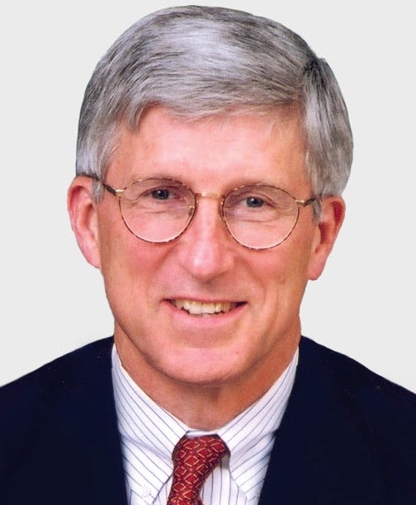


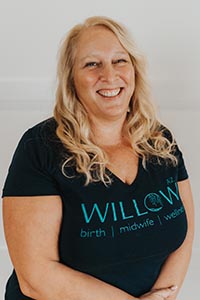
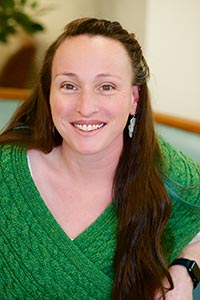
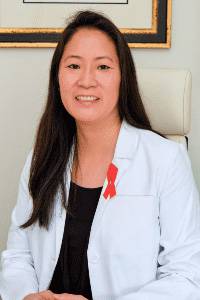 Carrie Belin is an experienced board-certified Family Nurse Practitioner and a graduate of the Johns Hopkins DNP program, Johns Hopkins Bloomberg School of Public Health, Georgetown University School of Nursing, and Johns Hopkins School of Nursing. She has also completed fellowships at Georgetown and the University of California Irvine.
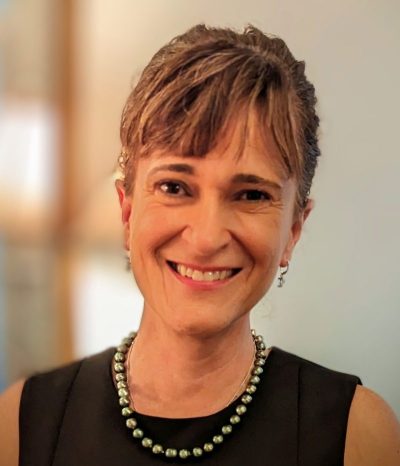
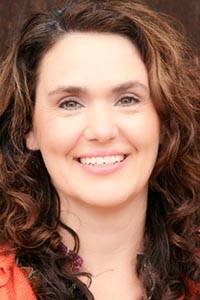 Angie has been a full-scope midwife since 2009. She has experience in various birth settings including home, hospital, and birth centers. She is committed to integrating the midwifery model of care in the US. She completed her master’s degree in nurse-midwifery at Frontier Nursing University (FNU) and her Doctorate at Johns Hopkins University. She currently serves as the midwifery clinical faculty at FNU. Angie is motivated by the desire to improve the quality of healthcare and has led quality improvement projects on skin-to-skin implementation, labor induction, and improving transfer of care practices between hospital and community midwives. In 2017, she created a short film on skin-to-skin called
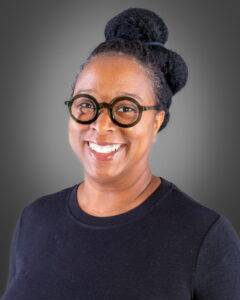
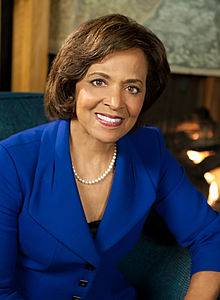
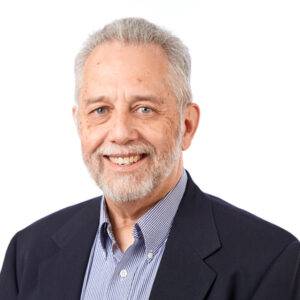
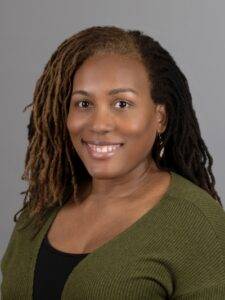
 Justin C. Daily, BSN, RN, has ten years of experience in nursing. At the start of his nursing career, Justin worked as a floor nurse on the oncology floor at St. Francis. He then spent two years as the Director of Nursing in a small rural Kansas hospital before returning to St. Francis and the oncology unit. He has been in his current position as the Chemo Nurse Educator for the past four years. He earned an Associate in Nurse from Hutchinson Community College and a Bachelor of Science in Nursing from Bethel College.
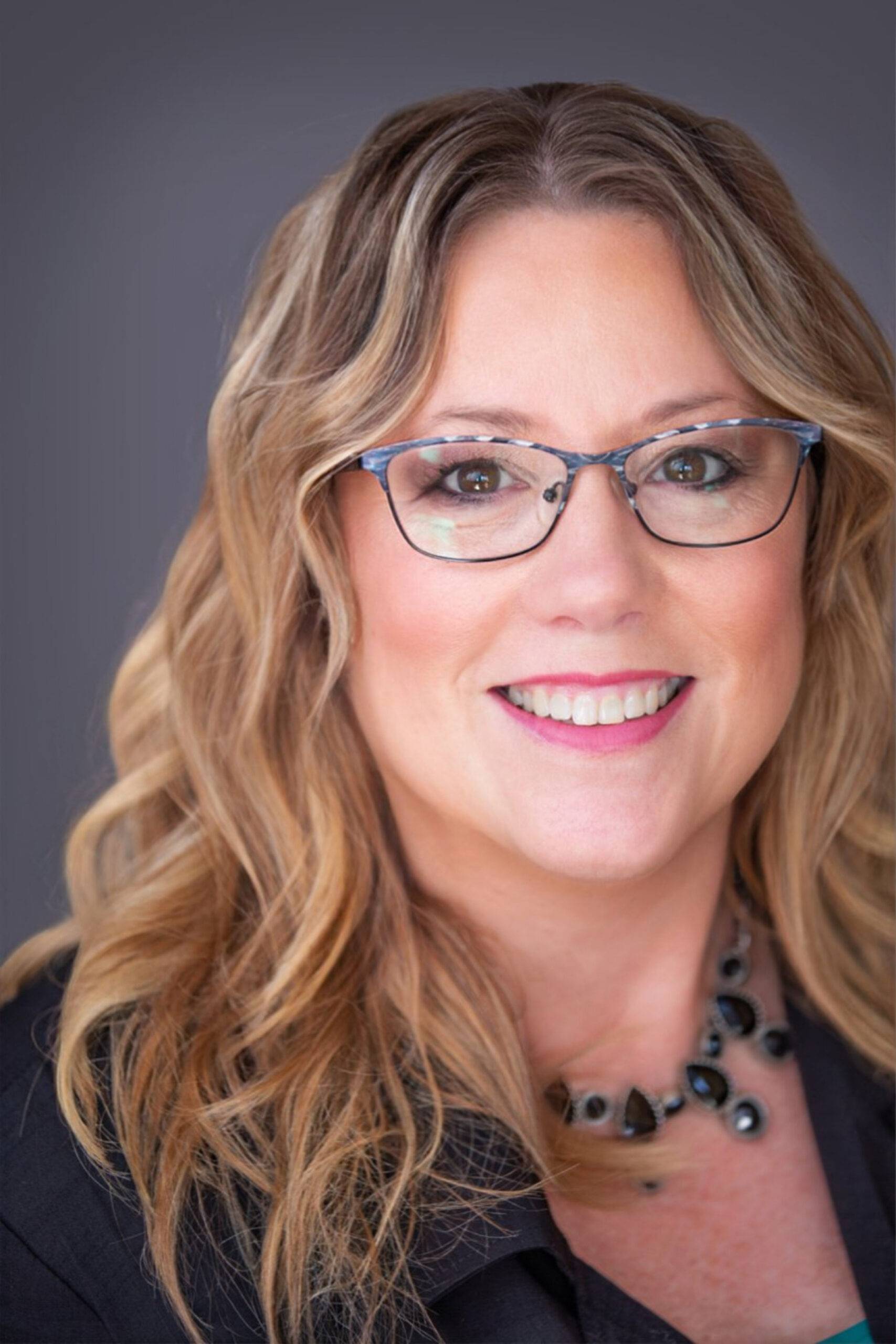 Brandy Jackson serves as the Director of Undergraduate Nursing Programs and Assistant Educator at Wichita State University and Co-Director of Access in Nursing. Brandy is a seasoned educator with over 15 years of experience. Before entering academia, Brandy served in Hospital-based leadership and Critical Care Staff nurse roles. Brandy is passionate about equity in nursing education with a focus on individuals with disabilities. Her current research interests include accommodations of nursing students with disabilities in clinical learning environments and breaking down barriers for historically unrepresented individuals to enter the nursing profession. Brandy is also actively engaged in Interprofessional Education development, creating IPE opportunities for faculty and students at Wichita State. Brandy is an active member of Wichita Women for Good and Soroptimist, with the goal to empower women and girls. Brandy is a TeamSTEPPS master trainer. She received the DASIY Award for Extraordinary Nursing Faculty in 2019 at Wichita State University.
 Dr. Sabrina Ali Jamal-Eddine is an Arab-disabled queer woman of color with a PhD in Nursing and an interdisciplinary certificate in Disability Ethics from the University of Illinois Chicago (UIC). Dr. Jamal-Eddine’s doctoral research explored spoken word poetry as a form of critical narrative pedagogy to educate nursing students about disability, ableism, and disability justice. Dr. Jamal-Eddine now serves as a Postdoctoral Research Associate in UIC’s Department of Disability and Human Development and serves on the Board of Directors of the National Organization of Nurses with Disabilities (NOND). During her doctoral program, Sabrina served as a Summer Fellow at a residential National Endowment of the Humanities (NEH) Summer Institute at Arizona State University (2023), a summer fellow at Andrew W. Mellon’s National Humanities Without Walls program at University of Michigan (2022), a Summer Research Fellow at UC Berkeley’s Othering & Belonging Institute (2021), and an Illinois Leadership Education in Neurodevelopmental and related Disabilities (LEND) trainee (2019-2020).
 Vanessa Cameron works for Vanderbilt University Medical Center in Nursing Education & Professional Development. She is also attending George Washington University and progressing towards a PhD in Nursing with an emphasis on ableism in nursing. After becoming disabled in April 2021, Vanessa’s worldview and perspective changed, and a recognition of the ableism present within healthcare and within the culture of nursing was apparent. She has been working since that time to provide educational foundations for nurses about disability and ableism, provide support for fellow disabled nursing colleagues, and advocate for the disabled community within healthcare settings to reduce disparities.
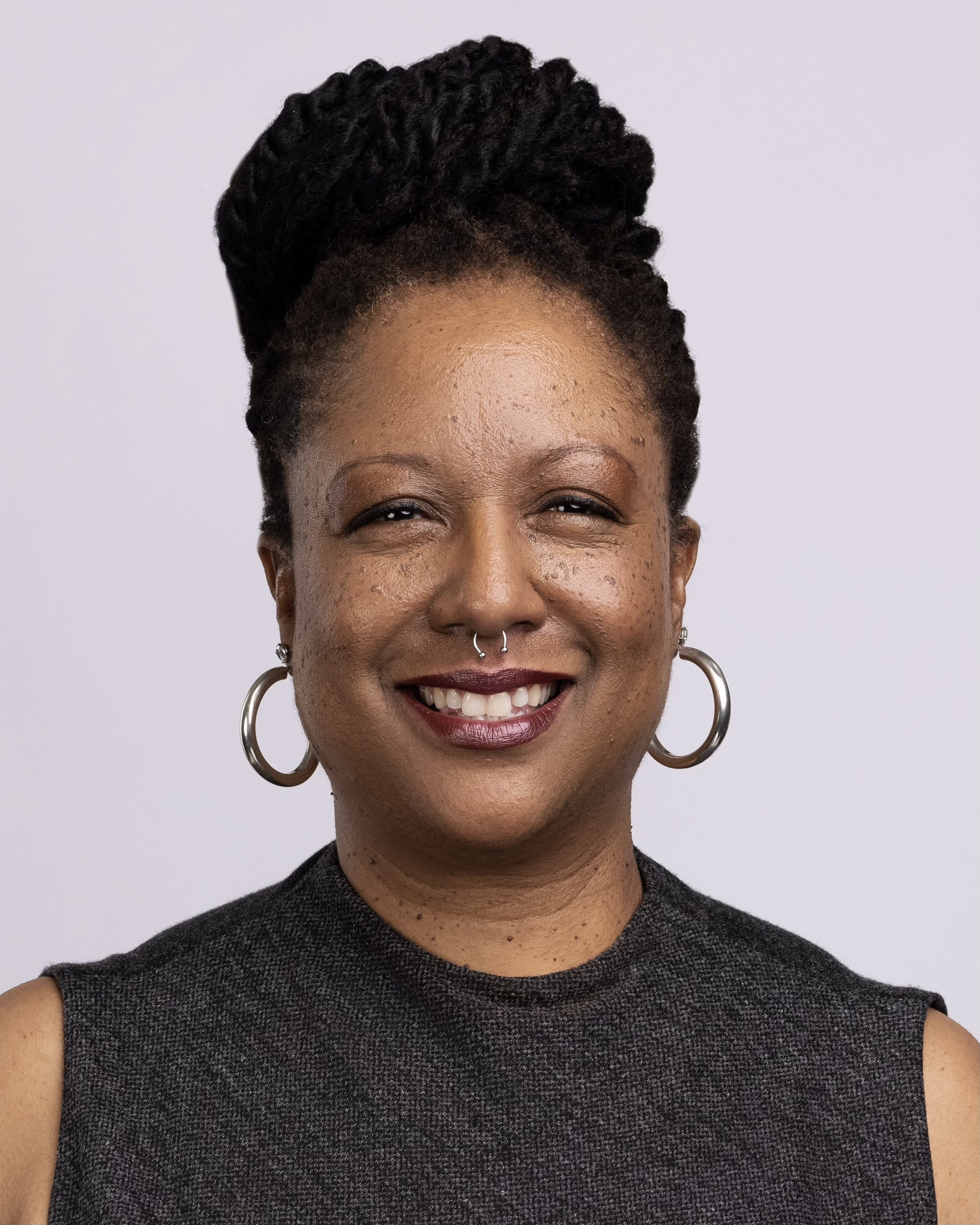 Dr. Lucinda Canty is a certified nurse-midwife, Associate Professor of Nursing, and Director of the Seedworks Health Equity in Nursing Program at the University of Massachusetts Amherst. She earned a bachelor’s degree in nursing from Columbia University, a master’s degree from Yale University, specializing in nurse-midwifery, and a PhD from the University of Connecticut. Dr. Canty has provided reproductive health care for over 29 years. Her research interests include the prevention of maternal mortality and severe maternal morbidity, reducing racial and ethnic health disparities in reproductive health, promoting diversity in nursing, and eliminating racism in nursing and midwifery.
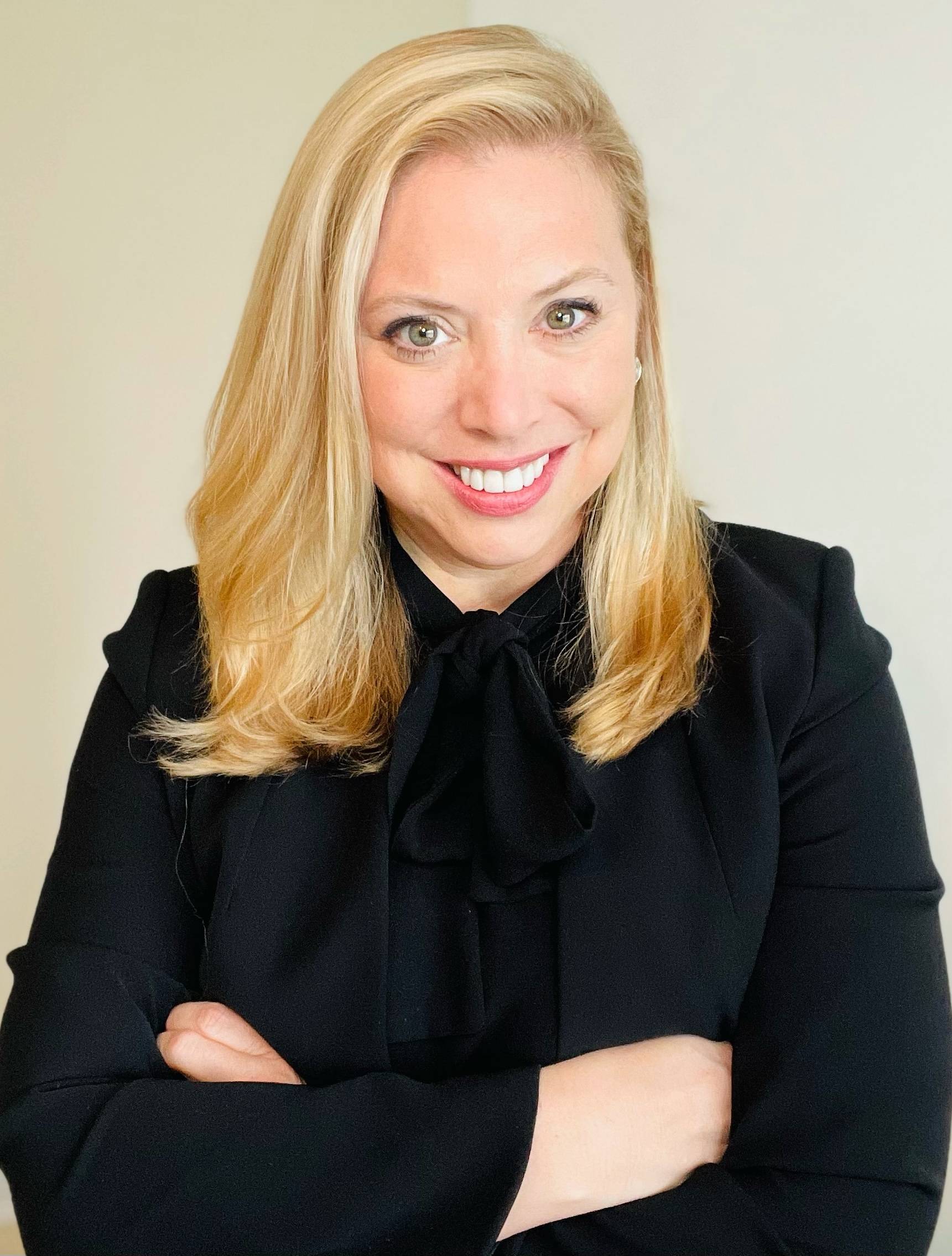 Dr. Lisa Meeks is a distinguished scholar and leader whose unwavering commitment to inclusivity and excellence has significantly influenced the landscape of health professions education and accessibility. She is the founder and executive director of the DocsWithDisabilities Initiative and holds appointments as an Associate Professor in the Departments of Learning Health Sciences and Family Medicine at the University of Michigan.
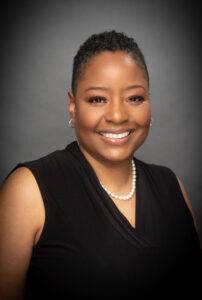 Dr. Nikia Grayson, DNP, MSN, MPH, MA, CNM, FNP-C, FACNM (she/her) is a trailblazing force in reproductive justice, blending her expertise as a public health activist, anthropologist, and family nurse-midwife to champion the rights and health of underserved communities. Graduating with distinction from Howard University, Nikia holds a bachelor’s degree in communications and a master’s degree in public health. Her academic journey also led her to the University of Memphis, where she earned a master’s in medical anthropology, and the University of Tennessee, where she achieved both a master’s in nursing and a doctorate in nursing practice. Complementing her extensive education, she completed a post-master’s certificate in midwifery at Frontier Nursing University.
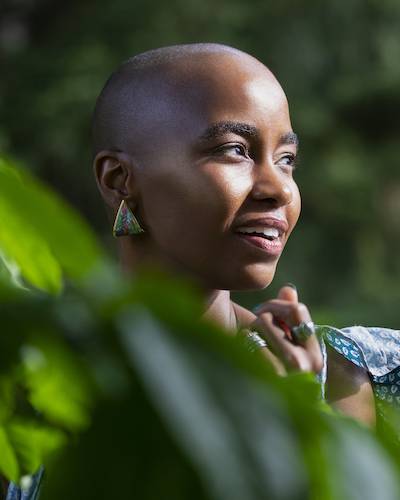

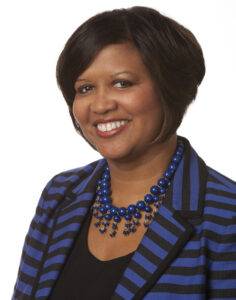 Dr. Tia Brown McNair is the Vice President in the Office of Diversity, Equity, and Student Success and Executive Director for the Truth, Racial Healing, and Transformation (TRHT) Campus Centers at the American Association of Colleges and Universities (AAC&U) in Washington, DC. She oversees both funded projects and AAC&U’s continuing programs on equity, inclusive excellence, high-impact practices, and student success. McNair directs AAC&U’s Summer Institutes on High-Impact Practices and Student Success, and TRHT Campus Centers and serves as the project director for several AAC&U initiatives, including the development of a TRHT-focused campus climate toolkit. She is the lead author of From Equity Talk to Equity Walk: Expanding Practitioner Knowledge for Racial Justice in Higher Education (January 2020) and Becoming a Student-Ready College: A New Culture of Leadership for Student Success (July 2016 and August 2022 Second edition).
