
By: Erin Tenney
When Frontier Nursing University student Erin Tenney won the “Weekend with Kitty” contest she had no idea what was in store for her. As winners of the contest, Erin and her friend were able to spend a weekend in Kitty Ernst’s home, where FNU began in the “coop” in Perkiomenville. The following blog includes an excerpt of Erin’s reflections of the weekend. Our team at Frontier is proud to have students like Erin!
We talked a lot about leadership with Kitty Ernst, 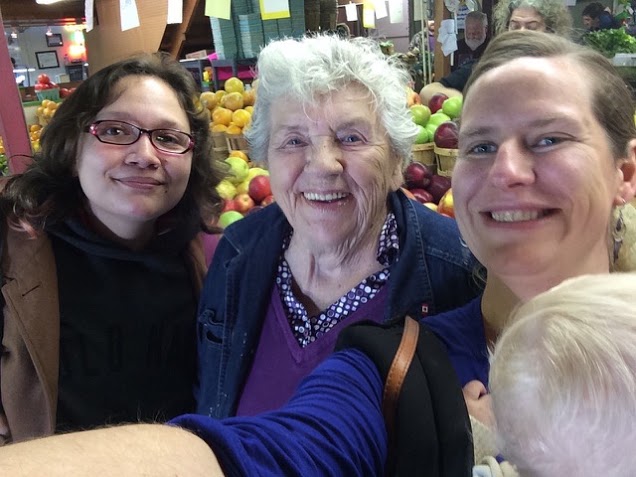 and how to affect change. I really wanted to learn from her, how she managed to do so much important work in her lifetime that has made such an impact. I guess I was expecting a more complicated response, but the bottom line is that we simply have to respond the needs we see and be diligent in our efforts.
She said, “Only politicians seek leadership”. Others become leaders simply by doing the work and having some success. Eventually others notice and more opportunities arise. When I asked her how she did it all, she said emphatically, “I did not do it. I inspired others to do it. That’s leadership”. She also said that “leadership is 90% inspiration” and that the three R’s are the key: resilience, relationships and reflection. We kept coming back to those and each one was apparent in the many stories she told of all the amazing midwives, leaders and friends she has worked with over the years.
It was remarkable and humbling to hear so many stories of key moments in the history of nurse-midwifery in the U.S., such as when Kitty moved the budding nurse-midwifery training program into what was her chicken coops (and where her house stands now) and started the first CNEP program with a brave group of first students (including Susan Stone, our current FNU President and how when Hattie Hemschemeyer (in her blue suit, with her hand on her hip and cigarette hanging out of her mouth) appointed Kitty to be the next president of the early ACNM organization.
Kitty’s stories are vivid, and priceless. I have always felt akin to the mission and vision of Frontier, and to be so close to the early years was incredible. It solidified my sense of pride and fierce commitment to what has always been the mission and vision of Frontier, “to educate nurses to become competent, entrepreneurial, ethical and compassionate nurse-midwives and nurse practitioners who are leaders in the primary care of women and families with an emphasis on underserved and rural populations.”
How to do that? It turns out it’s pretty simple. According to Kitty, “make the cause and get good at it”. Work hard. Be diligent and “do your homework”. She said a turning a point in her career is when she “decided to stop fighting to be a midwife, and started fighting for midwifery”. That resonated with me as I complete my doctoral project, focusing on finding successful pathways for integrating midwifery in tribal communities in the U.S. Like Kitty, my work is to support the success of midwifery for ALL women and families, but I am specifically interested in supporting midwifery in Native communities. Indian Health Services has integrated nurse-midwives into their maternity care systems since the 1960s and currently, more than half of AI/AN babies are delivered by nurse-midwives (as opposed to less than 10% in the U.S. overall)!
I’ve been learning about how this model has been and continues to be so successful in Indian Health Services, and yet, for a number of reasons, many AI/AN women and families still do not have access to midwifery care. One of the important solutions to this problem is that we need more AI/AN women to become nurse-midwives.
My friend who attended the weekend with me, Angela, is one of the strong and eager young women who is ready to take up this responsibility, and work toward her dream of starting a birth center on her reservation. She desires to provide her community with the opportunity to birth safely and with autonomy on their land, and truly in accordance with their cultural life ways.
Honestly, the most inspiring part of the whole weekend for me was just before we were getting ready to go, and after Kitty and Angela were talking about leadership, affecting change, tribal sovereignty and the power of women. Angela stood up and with utter conviction (like the most powerful sermon) declared that she would take up a leadership role in her community, because when women take back control over birth, that is a starting point for sovereignty and healing, and THAT is what is going to make a positive difference among tribal communities. It’s not the commodity foods or the grant funded programs, it’s the ability to be self-sustaining and to resume control of key life experiences, such as birth.
I could never say it like she did, and that powerful, emotional moment has passed, but there’s plenty more where that came from! In fact just yesterday, several days after getting back, I visited Angela at the coffee shop where she works, and she had just been telling her co-worker all about birth and sovereignty. She has been enthusiastically supporting and teaching others about birth and breastfeeding for years and is only getting started. She starts nursing school next fall, and plans to attend FNU to become a nurse midwife.
While I could never summarize all of the key takeaways we gained from Kitty, I would say the biggest was a sense of empowerment, because there’s no magic, it just takes vision, persistence and hard work. I’m filled with inspiration from the generations of leaders: Mary Breckinridge, Kitty, Angela and so many others who have done, and will do so much amazing work for women, babies and families. And finally, I gained an even greater sense of clarity and determination to keep the mission and legacy of Frontier moving forward. Kitty gave us valuable context, guidance and tools to guide and encourage our work as we move ahead. There’s no stopping us now!
I woke up today at 4:30 am to write this piece and get to work on advancing midwifery. I hope that like Kitty, when I am 90 years old, that I’m doing the same thing.
Thank you to Frontier for sending us on this adventure. We promise to put our lessons learned to good use!
Watch Erin Tenney’s Video Contest Entry here.
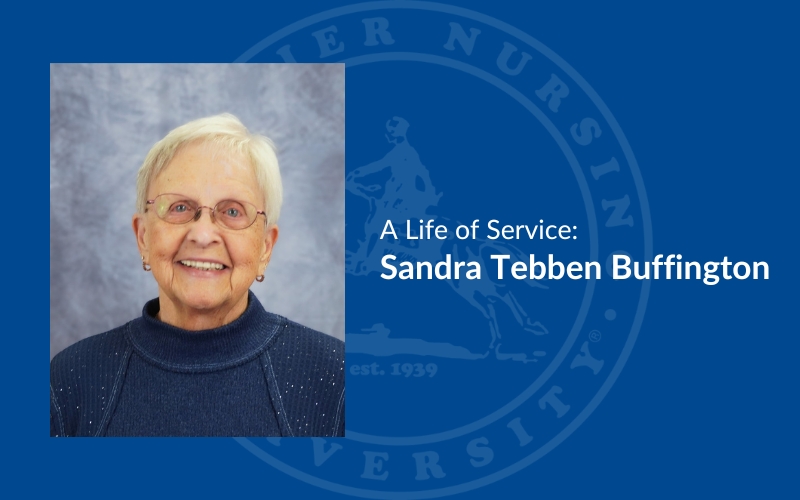

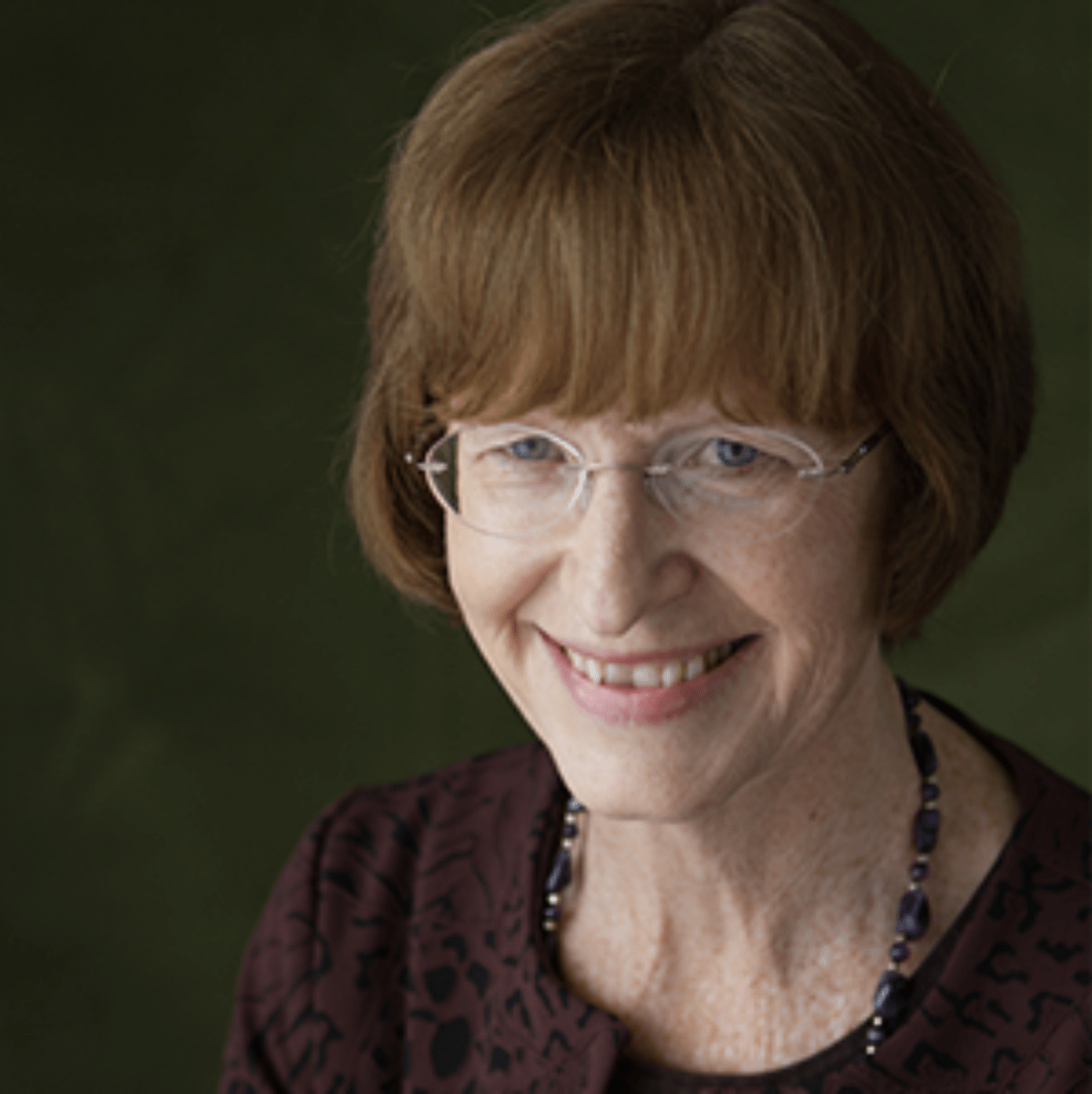


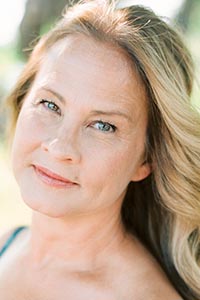
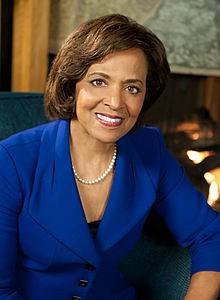
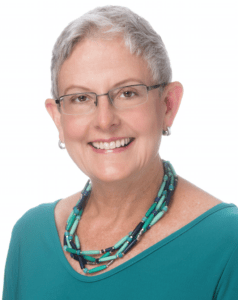
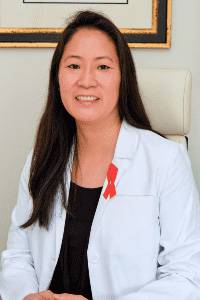 Carrie Belin is an experienced board-certified Family Nurse Practitioner and a graduate of the Johns Hopkins DNP program, Johns Hopkins Bloomberg School of Public Health, Georgetown University School of Nursing, and Johns Hopkins School of Nursing. She has also completed fellowships at Georgetown and the University of California Irvine.
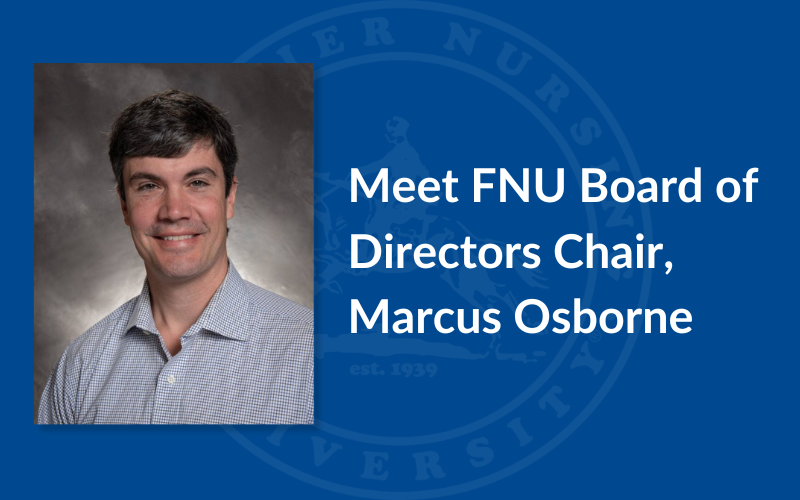
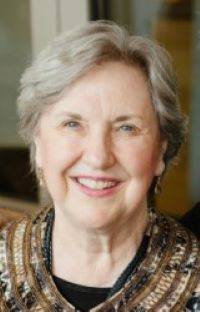
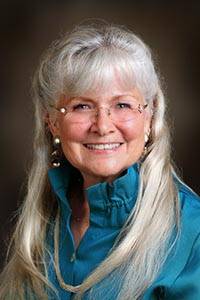
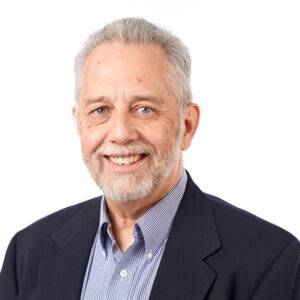
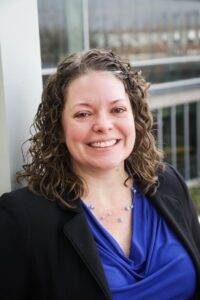
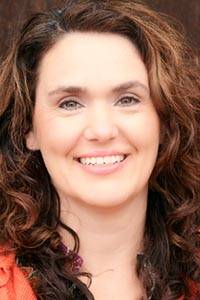 Angie has been a full-scope midwife since 2009. She has experience in various birth settings including home, hospital, and birth centers. She is committed to integrating the midwifery model of care in the US. She completed her master’s degree in nurse-midwifery at Frontier Nursing University (FNU) and her Doctorate at Johns Hopkins University. She currently serves as the midwifery clinical faculty at FNU. Angie is motivated by the desire to improve the quality of healthcare and has led quality improvement projects on skin-to-skin implementation, labor induction, and improving transfer of care practices between hospital and community midwives. In 2017, she created a short film on skin-to-skin called
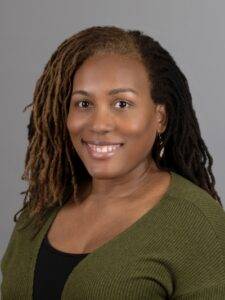
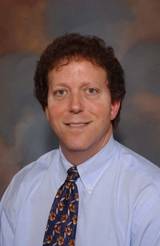
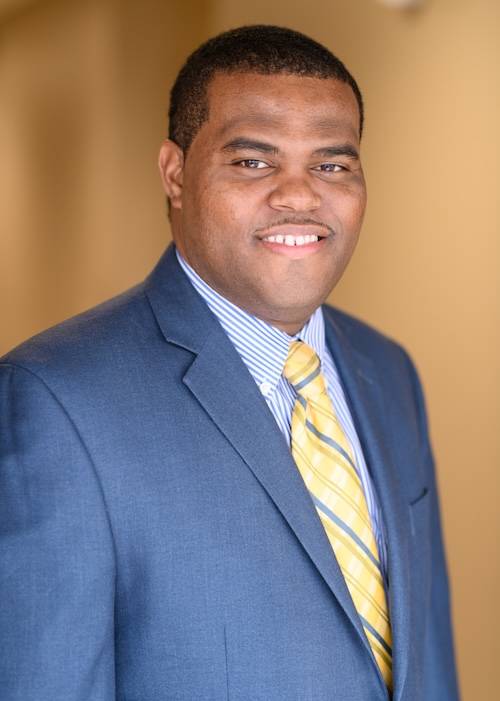
 Justin C. Daily, BSN, RN, has ten years of experience in nursing. At the start of his nursing career, Justin worked as a floor nurse on the oncology floor at St. Francis. He then spent two years as the Director of Nursing in a small rural Kansas hospital before returning to St. Francis and the oncology unit. He has been in his current position as the Chemo Nurse Educator for the past four years. He earned an Associate in Nurse from Hutchinson Community College and a Bachelor of Science in Nursing from Bethel College.
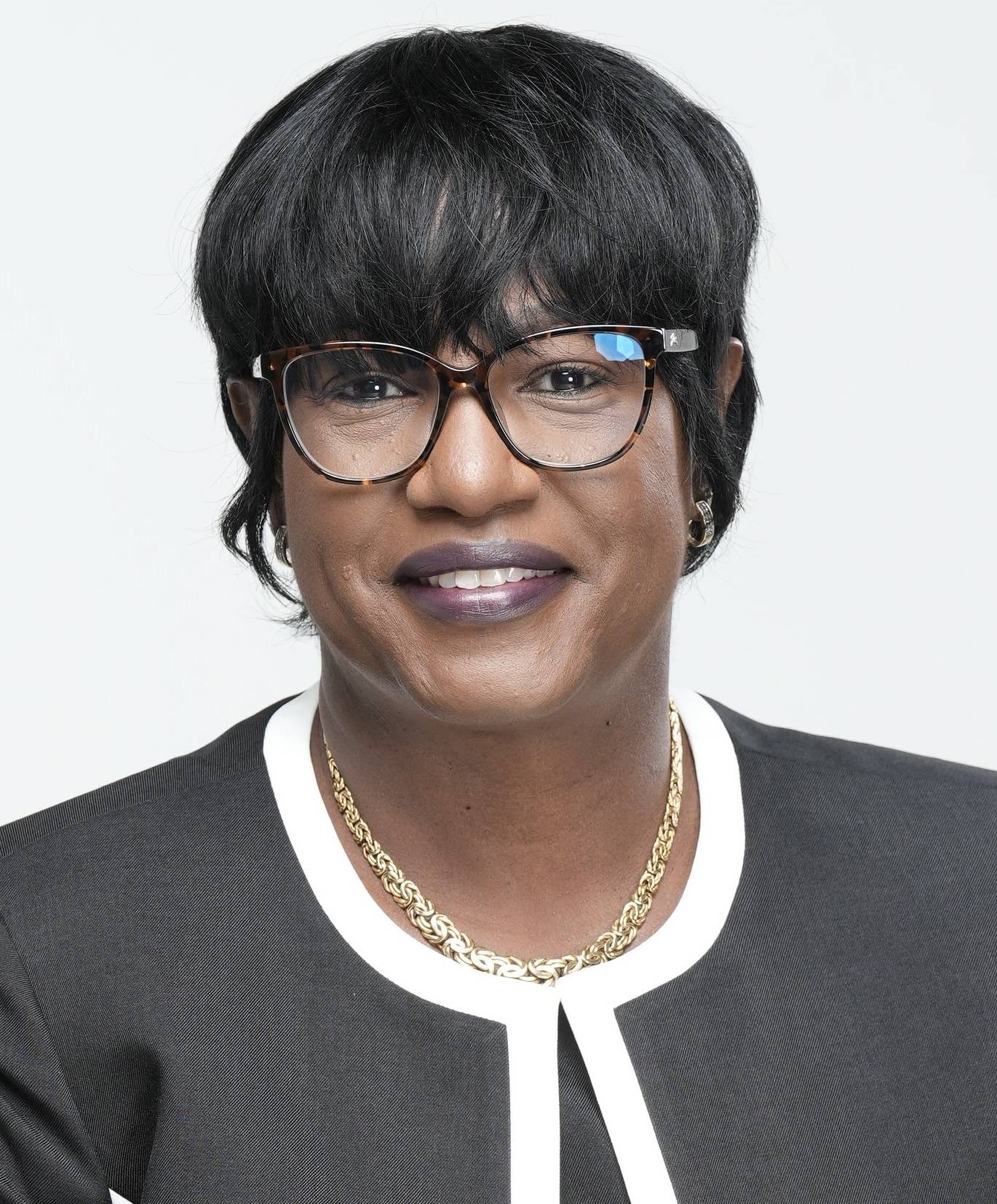
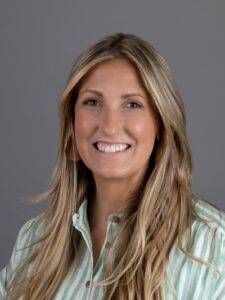
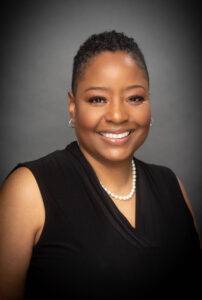
 Brandy Jackson serves as the Director of Undergraduate Nursing Programs and Assistant Educator at Wichita State University and Co-Director of Access in Nursing. Brandy is a seasoned educator with over 15 years of experience. Before entering academia, Brandy served in Hospital-based leadership and Critical Care Staff nurse roles. Brandy is passionate about equity in nursing education with a focus on individuals with disabilities. Her current research interests include accommodations of nursing students with disabilities in clinical learning environments and breaking down barriers for historically unrepresented individuals to enter the nursing profession. Brandy is also actively engaged in Interprofessional Education development, creating IPE opportunities for faculty and students at Wichita State. Brandy is an active member of Wichita Women for Good and Soroptimist, with the goal to empower women and girls. Brandy is a TeamSTEPPS master trainer. She received the DASIY Award for Extraordinary Nursing Faculty in 2019 at Wichita State University.
  Dr. Sabrina Ali Jamal-Eddine is an Arab-disabled queer woman of color with a PhD in Nursing and an interdisciplinary certificate in Disability Ethics from the University of Illinois Chicago (UIC). Dr. Jamal-Eddine’s doctoral research explored spoken word poetry as a form of critical narrative pedagogy to educate nursing students about disability, ableism, and disability justice. Dr. Jamal-Eddine now serves as a Postdoctoral Research Associate in UIC’s Department of Disability and Human Development and serves on the Board of Directors of the National Organization of Nurses with Disabilities (NOND). During her doctoral program, Sabrina served as a Summer Fellow at a residential National Endowment of the Humanities (NEH) Summer Institute at Arizona State University (2023), a summer fellow at Andrew W. Mellon’s National Humanities Without Walls program at University of Michigan (2022), a Summer Research Fellow at UC Berkeley’s Othering & Belonging Institute (2021), and an Illinois Leadership Education in Neurodevelopmental and related Disabilities (LEND) trainee (2019-2020).
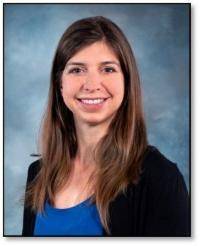 Vanessa Cameron works for Vanderbilt University Medical Center in Nursing Education & Professional Development. She is also attending George Washington University and progressing towards a PhD in Nursing with an emphasis on ableism in nursing. After becoming disabled in April 2021, Vanessa’s worldview and perspective changed, and a recognition of the ableism present within healthcare and within the culture of nursing was apparent. She has been working since that time to provide educational foundations for nurses about disability and ableism, provide support for fellow disabled nursing colleagues, and advocate for the disabled community within healthcare settings to reduce disparities.
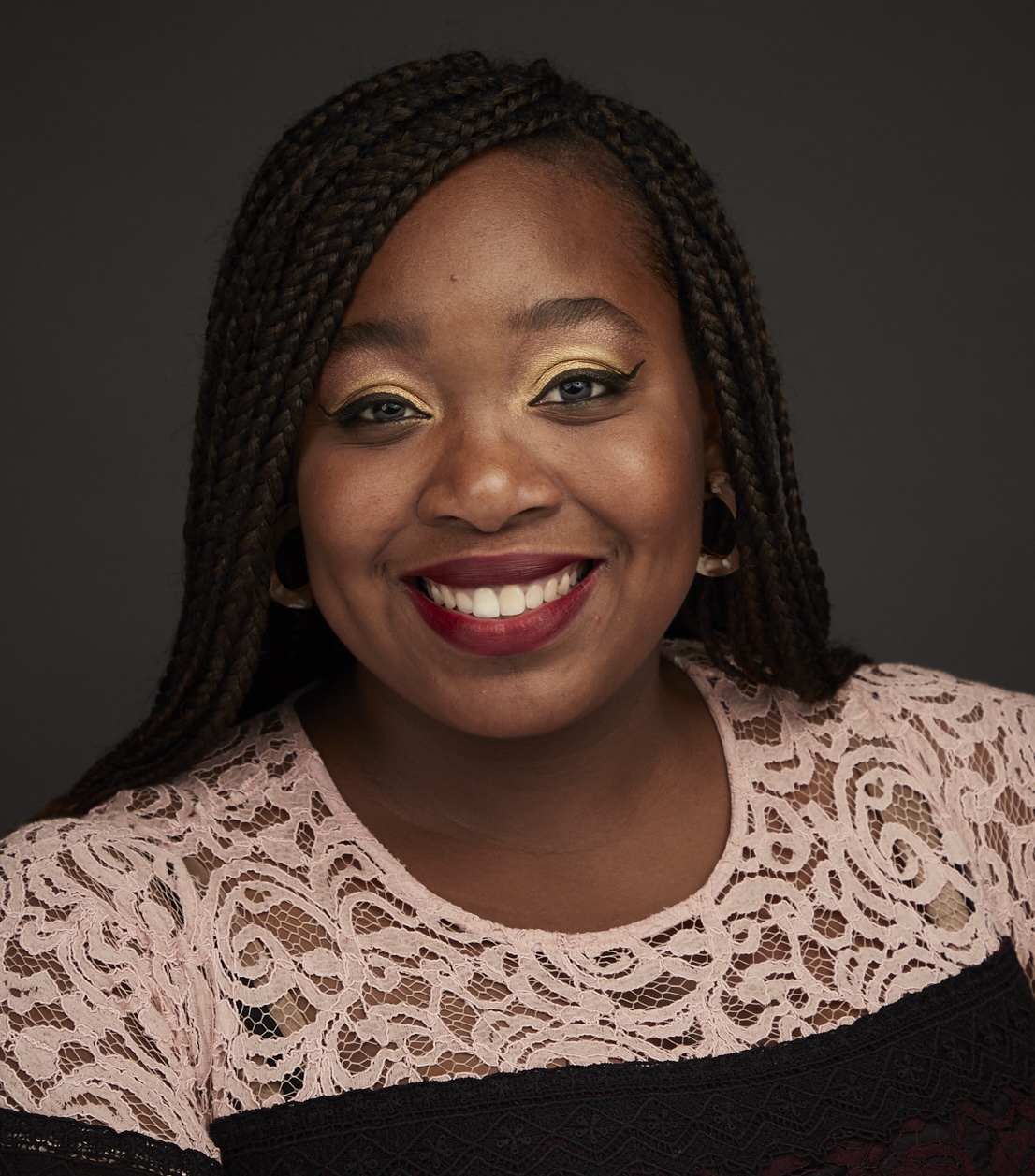
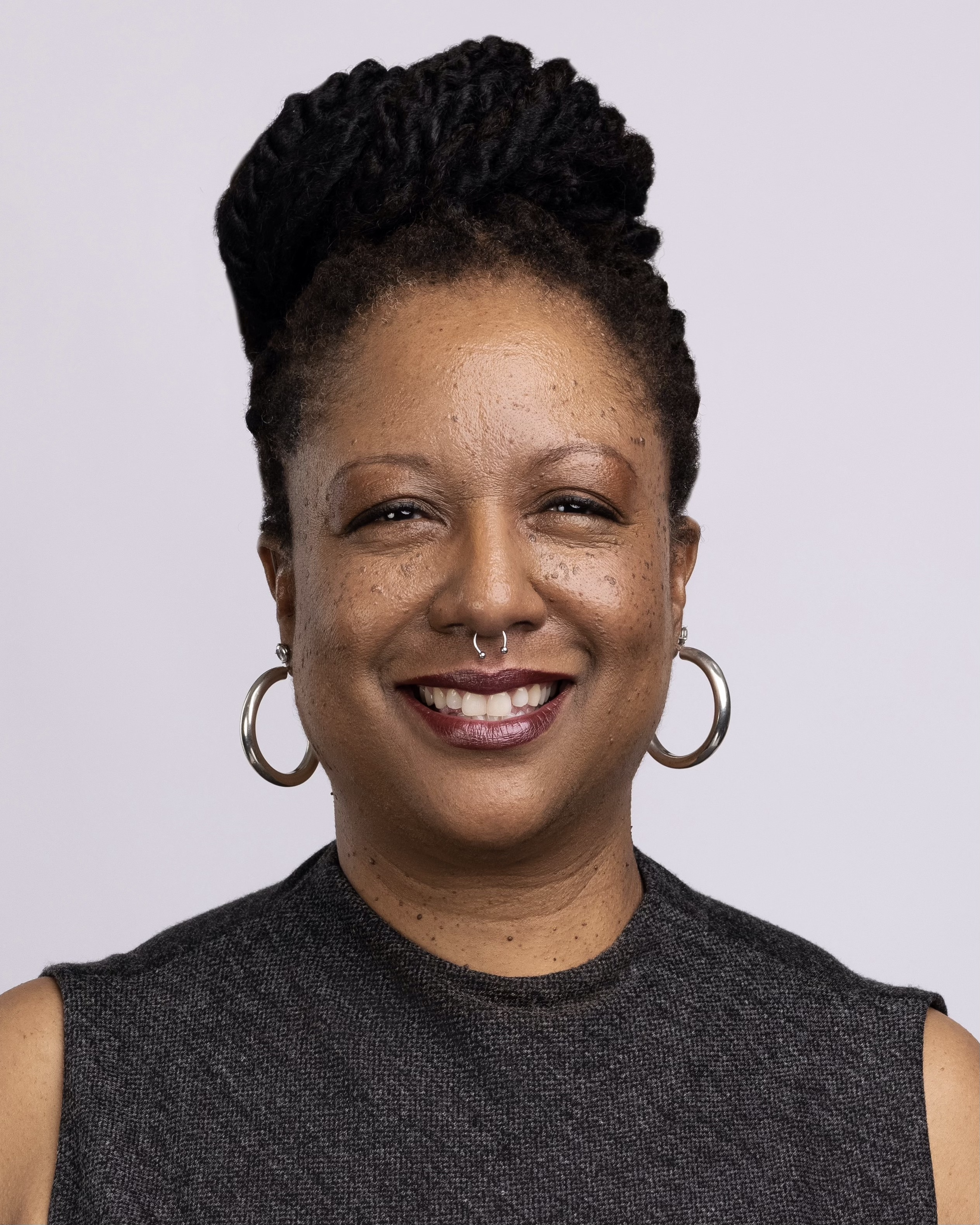 Dr. Lucinda Canty is a certified nurse-midwife, Associate Professor of Nursing, and Director of the Seedworks Health Equity in Nursing Program at the University of Massachusetts Amherst. She earned a bachelor’s degree in nursing from Columbia University, a master’s degree from Yale University, specializing in nurse-midwifery, and a PhD from the University of Connecticut. Dr. Canty has provided reproductive health care for over 29 years. Her research interests include the prevention of maternal mortality and severe maternal morbidity, reducing racial and ethnic health disparities in reproductive health, promoting diversity in nursing, and eliminating racism in nursing and midwifery.
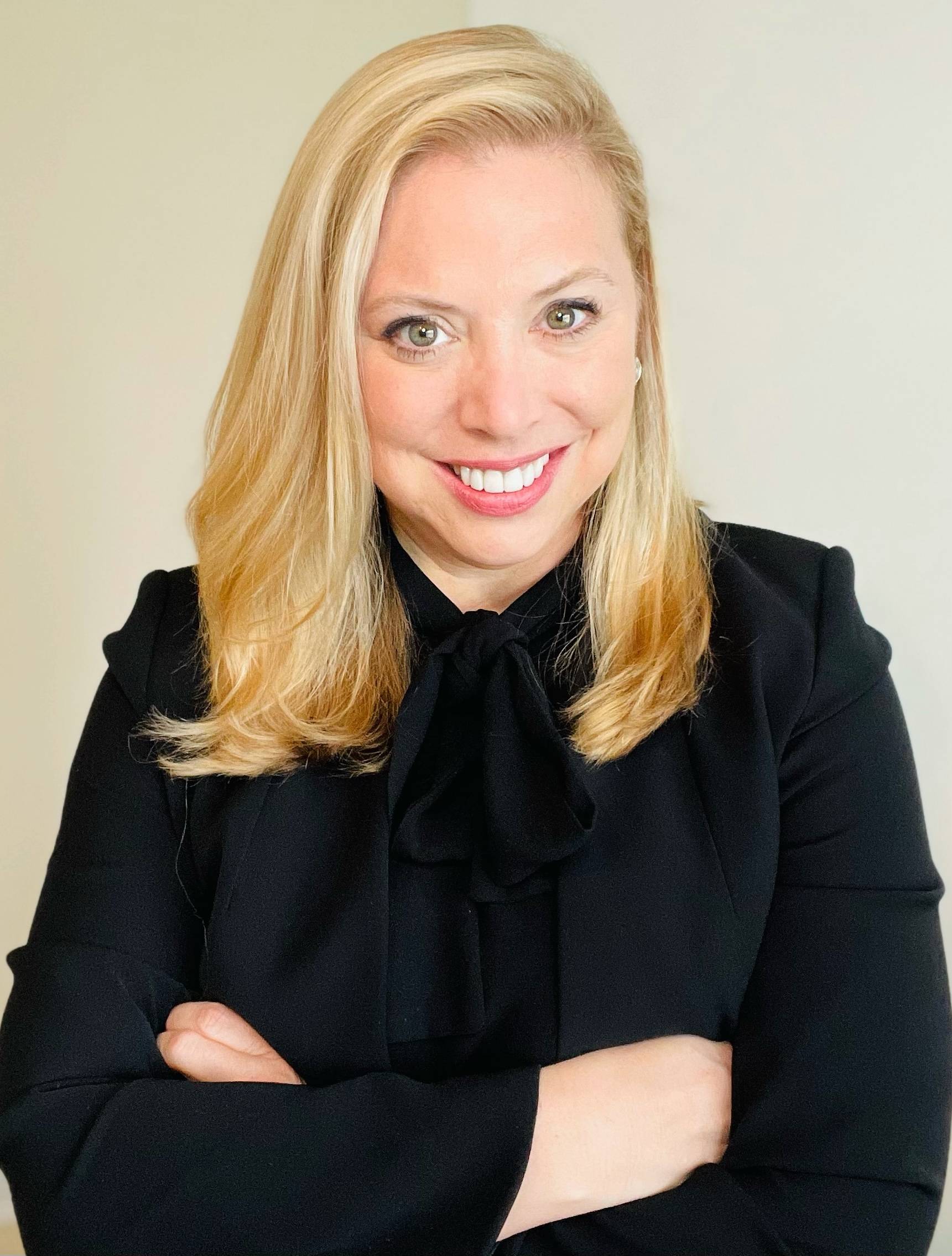 Dr. Lisa Meeks is a distinguished scholar and leader whose unwavering commitment to inclusivity and excellence has significantly influenced the landscape of health professions education and accessibility. She is the founder and executive director of the DocsWithDisabilities Initiative and holds appointments as an Associate Professor in the Departments of Learning Health Sciences and Family Medicine at the University of Michigan.
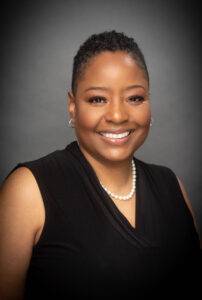 Dr. Nikia Grayson, DNP, MSN, MPH, MA, CNM, FNP-C, FACNM (she/her) is a trailblazing force in reproductive justice, blending her expertise as a public health activist, anthropologist, and family nurse-midwife to champion the rights and health of underserved communities. Graduating with distinction from Howard University, Nikia holds a bachelor’s degree in communications and a master’s degree in public health. Her academic journey also led her to the University of Memphis, where she earned a master’s in medical anthropology, and the University of Tennessee, where she achieved both a master’s in nursing and a doctorate in nursing practice. Complementing her extensive education, she completed a post-master’s certificate in midwifery at Frontier Nursing University.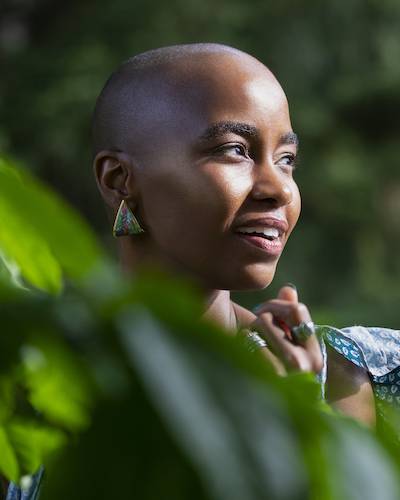

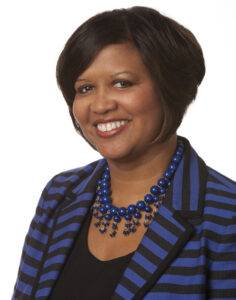 Dr. Tia Brown McNair is the Vice President in the Office of Diversity, Equity, and Student Success and Executive Director for the Truth, Racial Healing, and Transformation (TRHT) Campus Centers at the American Association of Colleges and Universities (AAC&U) in Washington, DC. She oversees both funded projects and AAC&U’s continuing programs on equity, inclusive excellence, high-impact practices, and student success. McNair directs AAC&U’s Summer Institutes on High-Impact Practices and Student Success, and TRHT Campus Centers and serves as the project director for several AAC&U initiatives, including the development of a TRHT-focused campus climate toolkit. She is the lead author of From Equity Talk to Equity Walk: Expanding Practitioner Knowledge for Racial Justice in Higher Education (January 2020) and Becoming a Student-Ready College: A New Culture of Leadership for Student Success (July 2016 and August 2022 Second edition).