At the heart of Frontier Nursing University is a talented and diverse community of students, alumni, faculty, staff, Couriers and preceptors. Spotlight blogs feature members of our FNU community that are focused on the mission of educating nurse-midwives and nurse practitioners to deliver quality health care to underserved and rural populations.
In 1928, Mary Breckinridge, founder of Frontier Nursing University established the Courier Program, recruiting young people to come work in the Kentucky Mountains and learn about service to humanity. Couriers escorted guests safely through remote terrain, delivered medical supplies to remote outpost clinics, and helped nurse-midwives during home visits and births. Frontier has benefited tremendously from the 1,600 Couriers who have served since 1928.
From Blog Post July 1, 2009 entitled “birth number ONE” (written Wednesday, June 4th) (khakiandwhite.blogspot.com)
Everyday I get a little clearer sense 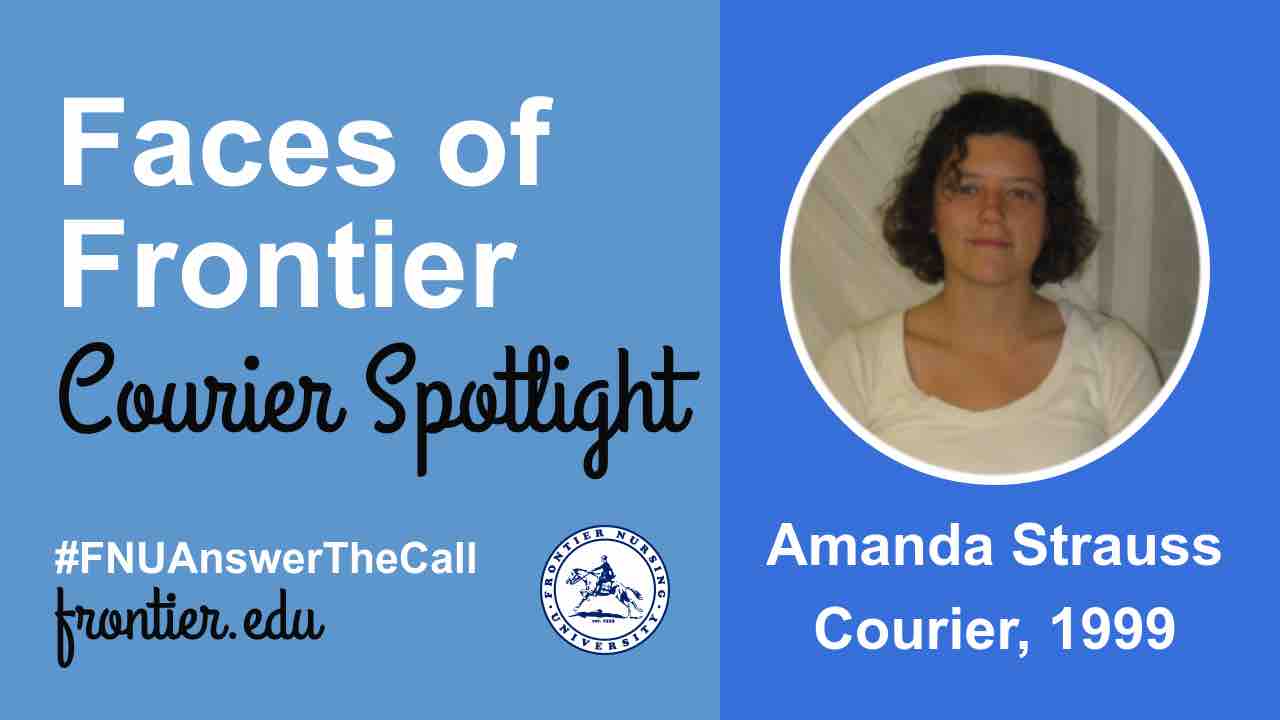 what the life of a nurse midwife looks like. Today I opened an entirely new door, the exhaustion of laboring. Yesterday I attended my first birth. Today I can feel it.
On some level, I feel there was some fate in it, well fate and luck. I showed up at the wrong clinic and ended up shadowing a different midwife than I’d been scheduled with.
As I was walking into the hospital clinic, I saw a woman who had agreed to allow me at her birth, sitting outside, cigarette in hand, hair recently washed and done. It didn’t take the looser belly to know the deed had been done. I approached her to see a new whiteness in the irises and an exhaustion laid heavy in the pupils of her eyes. The baby came out the previous night and she was doing well.
Inside the Labor and Delivery Ward, another mother, E, who I had seen on a couple of prenatal visits in the clinic was in the initial stages of labor. The midwife suggested I visit her and ask if I could attend her birth. First thing in the morning, I opened the door, to see this young, beautiful woman laid flat on a hospital bed breathing with great concentration. She was holding onto the bars on the sides of the bed, bracing herself. Long brown curls (which are a rarity around these parts) fell onto either side of her chest. Nervously, I asked if I could be at the birth, she said “everyone else will be here I don’t see why not” and gave me a sweet, teasing smile.
As soon as the midwife told Eve it was better not to stay in the bed, she was up and around the majority of the day. When I left the building for lunch, she was breaking from lapping the hospital parking lot to lean on your partner during a contraction. When I left for dinner, E, in hospital gown and bright red corduroy, velour pants, was seated on a bench in front of the hospital surrounded by what seemed to be an entire family.
The midwife told me that E wanted to go through labor without any drugs. Many of the pregnant women in this midwifery practice had been recreational drug users. Most pregnant drug users cannot get prenatal care or any help getting off the pills. This clinic runs a program that puts these women on Subutex, an opiate blocker, to help them stay clean through the pregnancy (and hopefully permanently). They also monitor the babies very closely.
Eve was one of these women. When she first came to the clinic the midwives weren’t sure she’d make it through the program. All sorts of terrible events occurred during pregnancy – her car was broken into, she was assaulted, her car broke down, she got kicked out of her apartment. The whole time she stayed clean and followed the rules of the program. I can’t help but think that her ability to stay off drugs over the nine months was the inspiration and motivation to go through labor without medical intervention.
The midwife was committed to helping her succeed. She said we’d stay in the room as much as possible to help E stay calm and on track.
After dinner E’s labor picked up, the contractions were stronger and closer together. Her mother, aunt, mother-in-law, and partner were all her hospital room. The first stage of “extremely” active labor lasted for 3-4 hours, in which the contractions are crampy. She mostly sat on the “birthing ball” (blow up exercise ball), rolling her hips around in a circular motion, with her head on bed next to her. She hated lying on the bed, swearing the pain was 10 times worse. Following the midwives lead, we rubbed her back and whispered encouraging words into her ears: “You’re doing great”, “This contractions is almost over”, “You are so strong”.
Before long she was in transition, which is when the contractions are extremely close together and intense. It pushes the woman to her edge. This period is borderline intolerable. E stated she’d never get pregnant again, that she couldn’t do this, that she was dying. Tears rolled down her face. She clenched her partners hand with desperation, her green tipped acrylic nails shaking.
And then it was over. E was 10 centimeters, or her cervix was fully dilated. The contractions calmed down. E was still frazzled and scared of what was to come next. She was especially afraid of pushing the baby out, the pain it would bring. The midwife helped her relax. She told her what it would feel like. She explained that an epidural would take away some of the pain, but that it was better for the 1st stage of contractions, which she had already made it through with brilliant courage. The midwife never told her what to do. She gave E options, explanations, and enough information for E to make the decision herself. E chose to keep going without medication.
In Stage Two of labor, the contractions shift from cramping to pressure. It was 2-3 hours of pushing before the baby came out. E started on the ball and moved to a hands and knees position on the bed. We were all around her, cheering her on through massage, kind words, holding her up, giving her our necks to grasp around and hands to squeeze. First, she pushed the membranes out. The midwife suggested she rotate onto her back. At this point, the midwife put her sterile gown and gloves on and rolled the table of delivery equipment into the room. Her intact water sack was at the lips of her vagina. The midwife broke it with a tool similar to a plastic crochet needle. The baby’s head crowned, hints of its black hair peeking through.
E breathed the baby out into the world. With each exhale the head moved 2 steps forward, and with each inhale the head returned to the womb 1 step. Slowly, with great control, over the course of 4 contractions a child emerged from the vagina. Once the head was fully out, the body followed in one smooth, goop-covered, movement, like coming down a slide. It was 11:45pm, just moments before the next day. Within seconds, the room was in tears. The midwife worked with calmness and precision, smiling assurance into the room. As she bulbed liquid from the baby’s mouth, he made his introduction to this room with strong stream of urine up into the air. The purple and white candy-canned umbilical cord reached from mom’s vagina to the baby’s belly. Still connected, the midwife handed the tiny purplish boy to his mother. Extending her arms forwarded, with a look of surprise and uncertainty, she reached for him, bringing him to her chest. For a few moments they were joined in two incredibly profound connections.
The midwife handed the father the scissors and clamped the umbilical cord in two places. Dad cut between them.
The final step of labor is delivering the placenta. With one push, E urged the purple-red mass out of her body. The midwife laid it out on the table and showed the mother her healthy placenta.
The mother’s body quivered from the loads of lactic acid built up in her body. The nurses checked the baby with the dad looking over their shoulders. A fine little boy. Before I left for in the early morning, E and the baby were practicing breastfeeding. A perfect culminated to long sought union.
I’ve looked forward to my first birth for some time now. It was the ideal delivery for me to participate in – all natural, spontaneous, vaginal. I saw the stages of labor clearly over the course of the day. I experienced the power of a birth in the company of loved ones. I observed a midwife work in an ideal condition. I had expected to be most blown away from by the moment the baby emerges from the vagina, into the world. Although I shed a tear or two, what impressed me the most were the steps the midwife took to keep the mother clam and fully inform her of all her options. Throughout the birth, the midwife was the mother and child’s advocate.
My alarm went off this morning after 4 hours of sleep. Signs of darkness where still in the air and rain was pouring down making that sound that streams “stay in bed”. Knowing, if I was a midwife I’d have to get up, I hit the snooze button twice and jumped out of bed with no complaints. I structured my crazed curls into a semi-appropriate style and hopped in the car at 7am to head to the elementary school to assist a health education lesson. Now I sit, sipping soda to keep my eyes open at the Habitat for Humanity Thrift Store in town. I was planning to start painting the walls. The weight of birth has slowed me. Rocking back in forth, old time mountain music singing over the radio, and rain ringing patterns on the sidewalk, I am grateful.
– Amanda






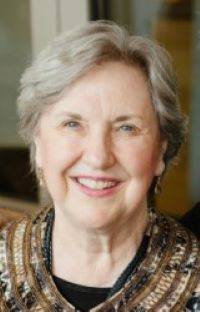
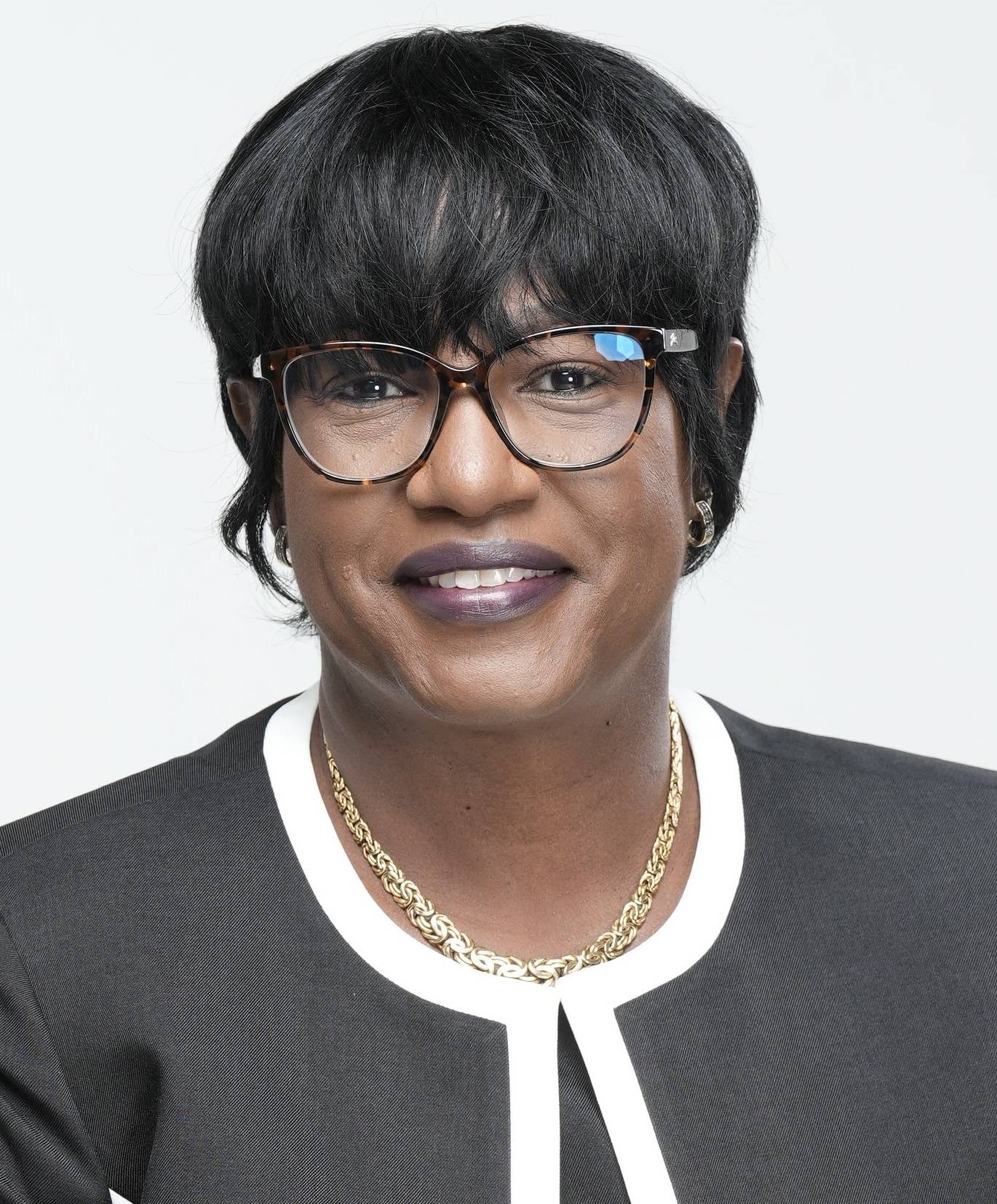

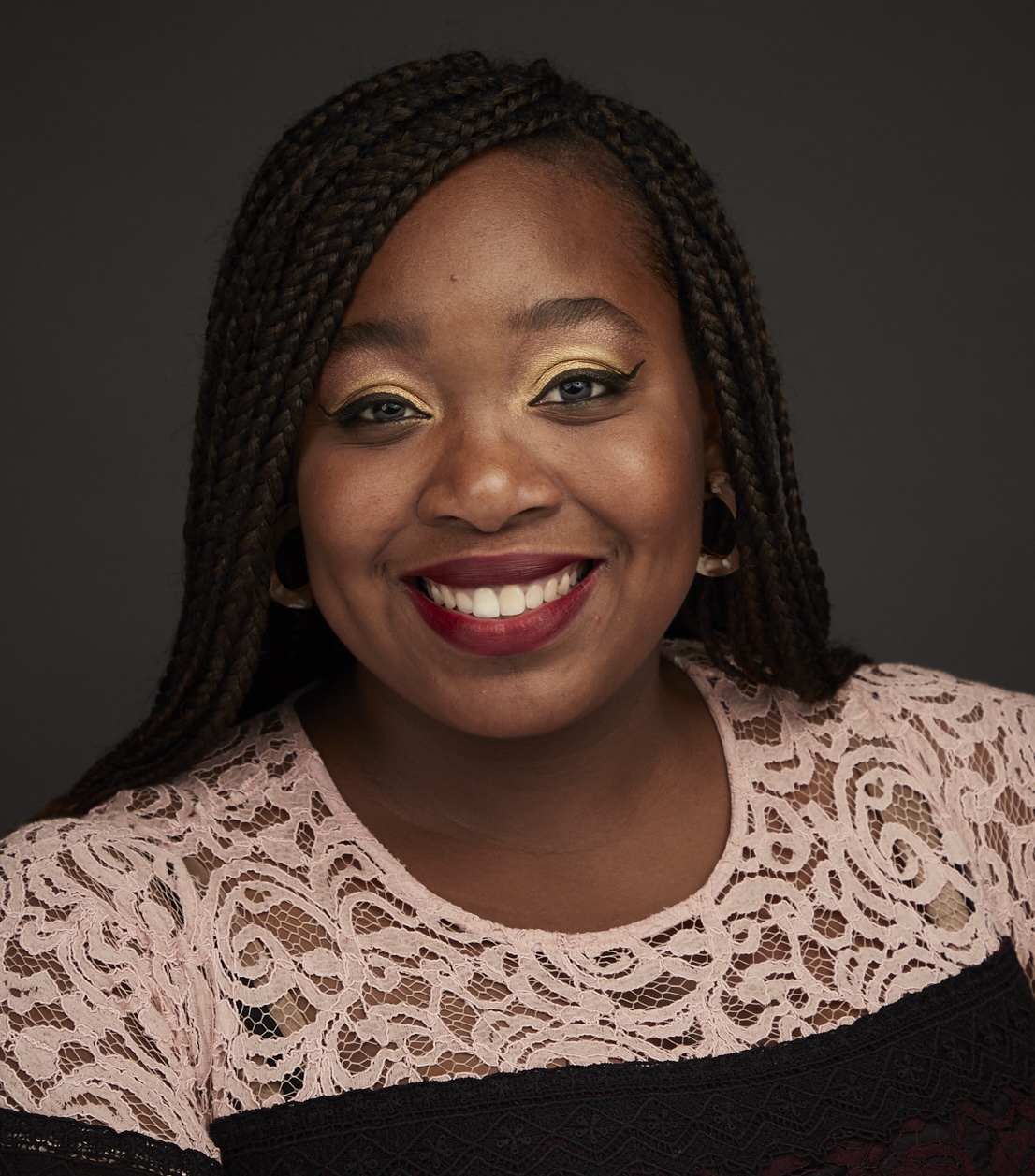

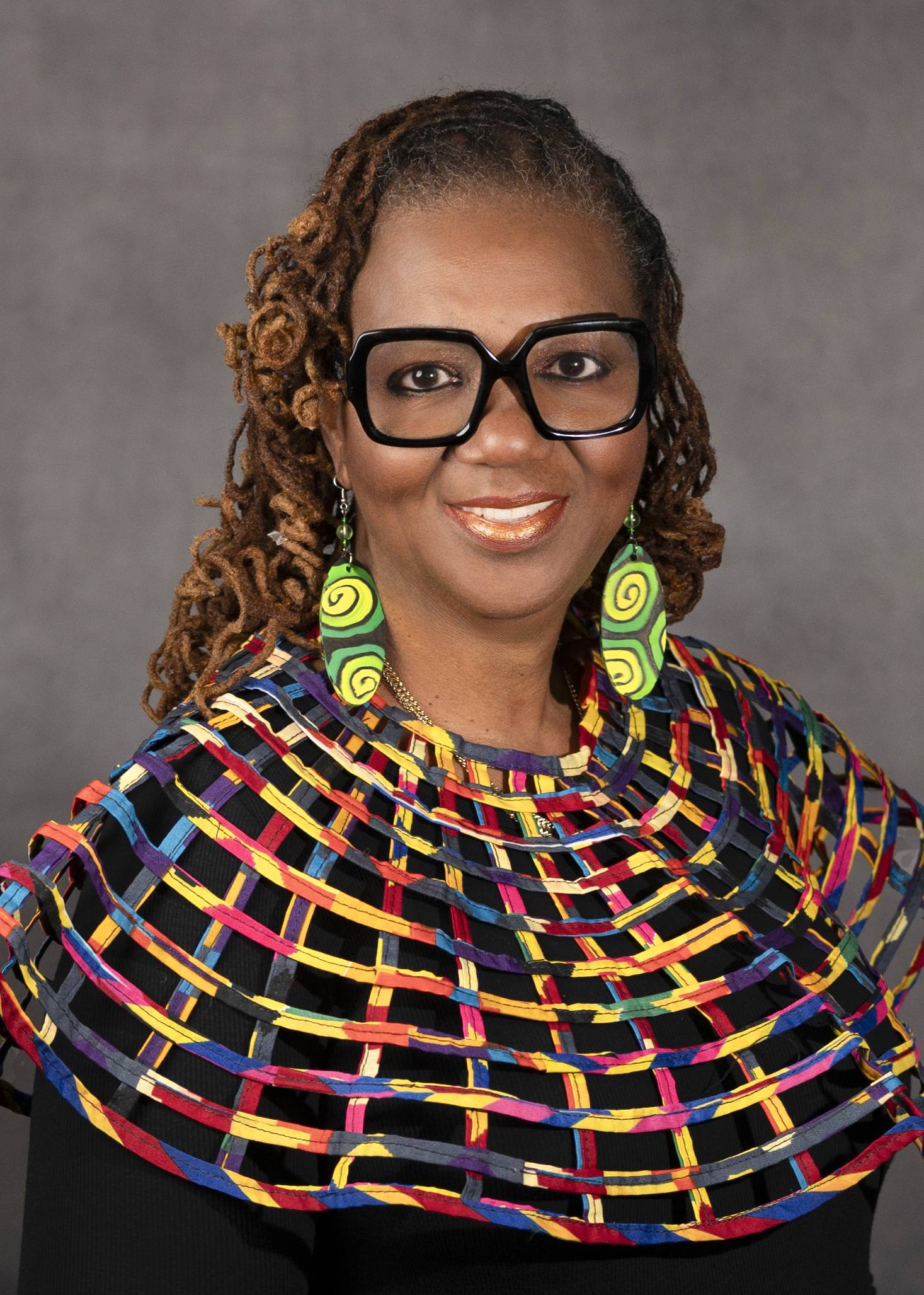
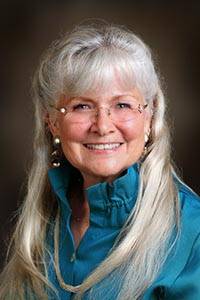
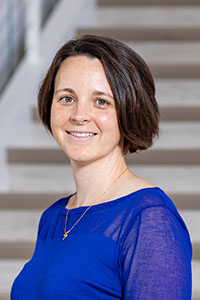

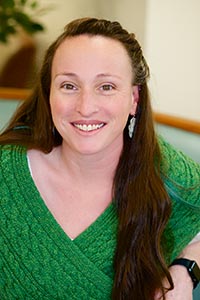
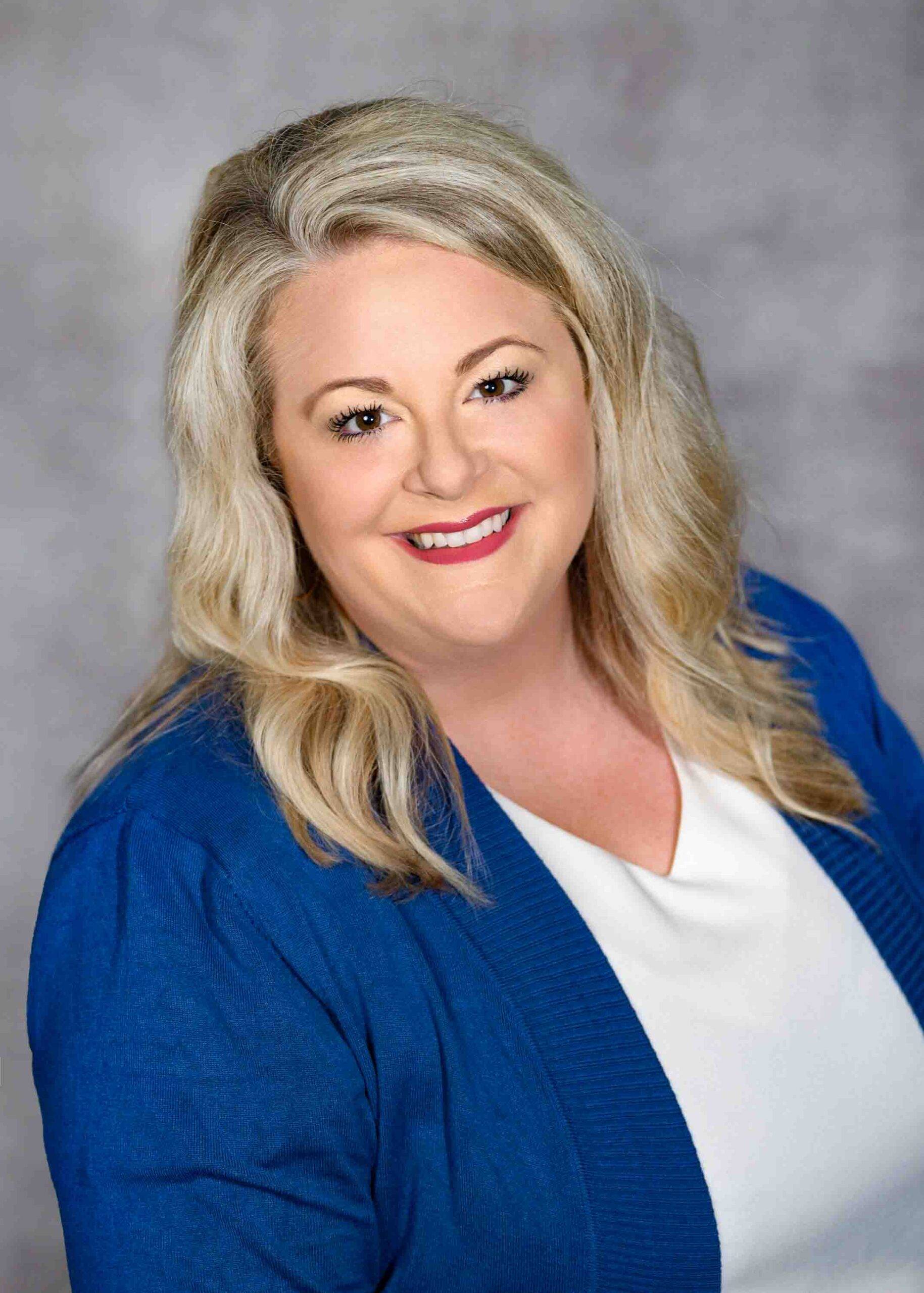
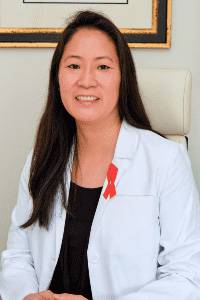 Carrie Belin is an experienced board-certified Family Nurse Practitioner and a graduate of the Johns Hopkins DNP program, Johns Hopkins Bloomberg School of Public Health, Georgetown University School of Nursing, and Johns Hopkins School of Nursing. She has also completed fellowships at Georgetown and the University of California Irvine.
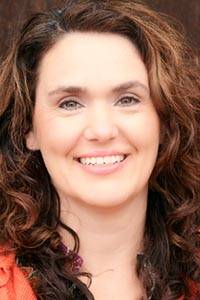 Angie has been a full-scope midwife since 2009. She has experience in various birth settings including home, hospital, and birth centers. She is committed to integrating the midwifery model of care in the US. She completed her master’s degree in nurse-midwifery at Frontier Nursing University (FNU) and her Doctorate at Johns Hopkins University. She currently serves as the midwifery clinical faculty at FNU. Angie is motivated by the desire to improve the quality of healthcare and has led quality improvement projects on skin-to-skin implementation, labor induction, and improving transfer of care practices between hospital and community midwives. In 2017, she created a short film on skin-to-skin called



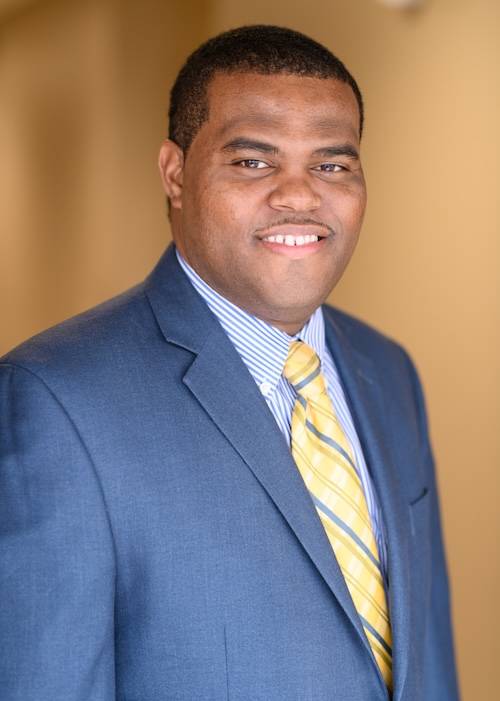
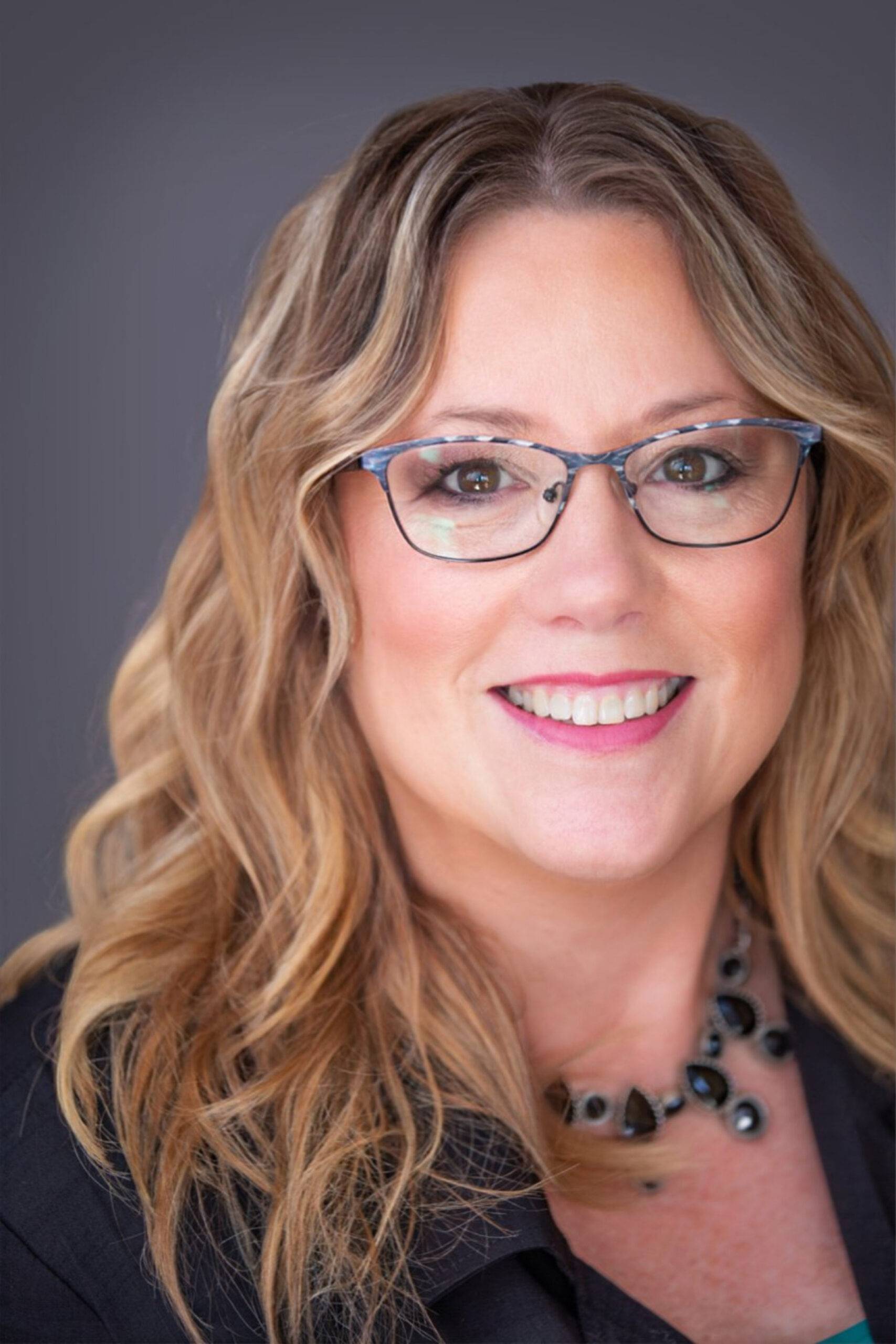
 Justin C. Daily, BSN, RN, has ten years of experience in nursing. At the start of his nursing career, Justin worked as a floor nurse on the oncology floor at St. Francis. He then spent two years as the Director of Nursing in a small rural Kansas hospital before returning to St. Francis and the oncology unit. He has been in his current position as the Chemo Nurse Educator for the past four years. He earned an Associate in Nurse from Hutchinson Community College and a Bachelor of Science in Nursing from Bethel College.
 Brandy Jackson serves as the Director of Undergraduate Nursing Programs and Assistant Educator at Wichita State University and Co-Director of Access in Nursing. Brandy is a seasoned educator with over 15 years of experience. Before entering academia, Brandy served in Hospital-based leadership and Critical Care Staff nurse roles. Brandy is passionate about equity in nursing education with a focus on individuals with disabilities. Her current research interests include accommodations of nursing students with disabilities in clinical learning environments and breaking down barriers for historically unrepresented individuals to enter the nursing profession. Brandy is also actively engaged in Interprofessional Education development, creating IPE opportunities for faculty and students at Wichita State. Brandy is an active member of Wichita Women for Good and Soroptimist, with the goal to empower women and girls. Brandy is a TeamSTEPPS master trainer. She received the DASIY Award for Extraordinary Nursing Faculty in 2019 at Wichita State University.
  Dr. Sabrina Ali Jamal-Eddine is an Arab-disabled queer woman of color with a PhD in Nursing and an interdisciplinary certificate in Disability Ethics from the University of Illinois Chicago (UIC). Dr. Jamal-Eddine’s doctoral research explored spoken word poetry as a form of critical narrative pedagogy to educate nursing students about disability, ableism, and disability justice. Dr. Jamal-Eddine now serves as a Postdoctoral Research Associate in UIC’s Department of Disability and Human Development and serves on the Board of Directors of the National Organization of Nurses with Disabilities (NOND). During her doctoral program, Sabrina served as a Summer Fellow at a residential National Endowment of the Humanities (NEH) Summer Institute at Arizona State University (2023), a summer fellow at Andrew W. Mellon’s National Humanities Without Walls program at University of Michigan (2022), a Summer Research Fellow at UC Berkeley’s Othering & Belonging Institute (2021), and an Illinois Leadership Education in Neurodevelopmental and related Disabilities (LEND) trainee (2019-2020).
 Vanessa Cameron works for Vanderbilt University Medical Center in Nursing Education & Professional Development. She is also attending George Washington University and progressing towards a PhD in Nursing with an emphasis on ableism in nursing. After becoming disabled in April 2021, Vanessa’s worldview and perspective changed, and a recognition of the ableism present within healthcare and within the culture of nursing was apparent. She has been working since that time to provide educational foundations for nurses about disability and ableism, provide support for fellow disabled nursing colleagues, and advocate for the disabled community within healthcare settings to reduce disparities.
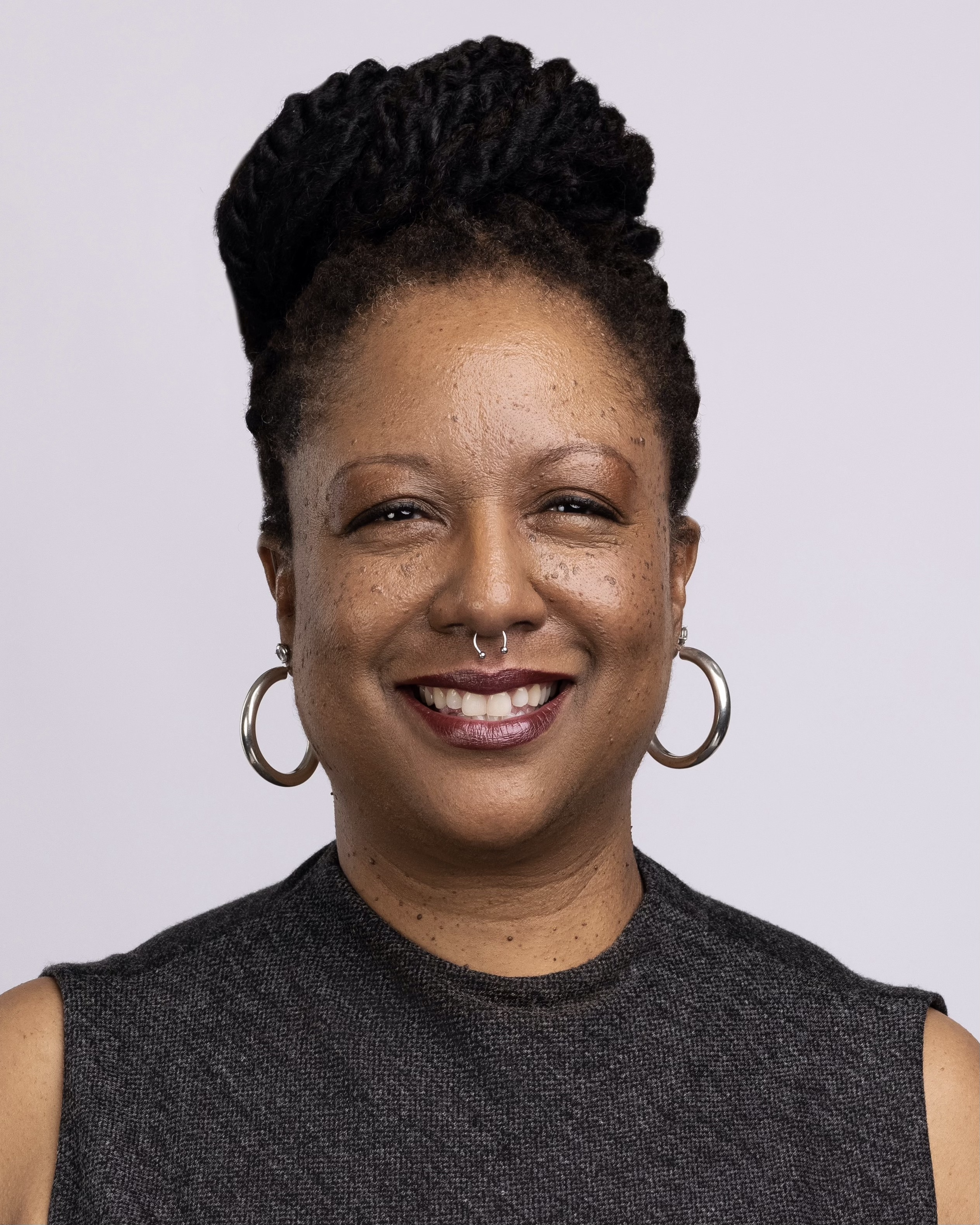 Dr. Lucinda Canty is a certified nurse-midwife, Associate Professor of Nursing, and Director of the Seedworks Health Equity in Nursing Program at the University of Massachusetts Amherst. She earned a bachelor’s degree in nursing from Columbia University, a master’s degree from Yale University, specializing in nurse-midwifery, and a PhD from the University of Connecticut. Dr. Canty has provided reproductive health care for over 29 years. Her research interests include the prevention of maternal mortality and severe maternal morbidity, reducing racial and ethnic health disparities in reproductive health, promoting diversity in nursing, and eliminating racism in nursing and midwifery.
 Dr. Lisa Meeks is a distinguished scholar and leader whose unwavering commitment to inclusivity and excellence has significantly influenced the landscape of health professions education and accessibility. She is the founder and executive director of the DocsWithDisabilities Initiative and holds appointments as an Associate Professor in the Departments of Learning Health Sciences and Family Medicine at the University of Michigan.
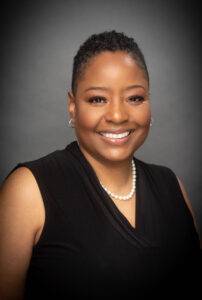 Dr. Nikia Grayson, DNP, MSN, MPH, MA, CNM, FNP-C, FACNM (she/her) is a trailblazing force in reproductive justice, blending her expertise as a public health activist, anthropologist, and family nurse-midwife to champion the rights and health of underserved communities. Graduating with distinction from Howard University, Nikia holds a bachelor’s degree in communications and a master’s degree in public health. Her academic journey also led her to the University of Memphis, where she earned a master’s in medical anthropology, and the University of Tennessee, where she achieved both a master’s in nursing and a doctorate in nursing practice. Complementing her extensive education, she completed a post-master’s certificate in midwifery at Frontier Nursing University.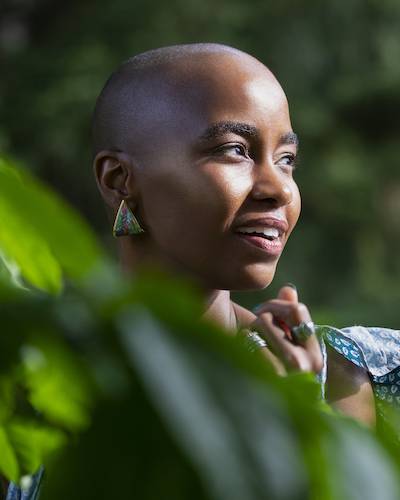
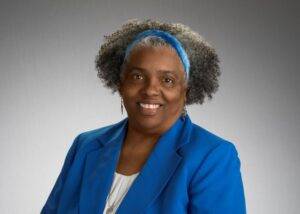
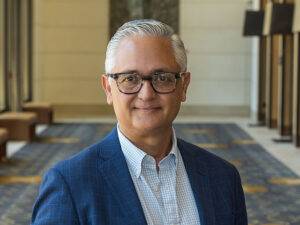



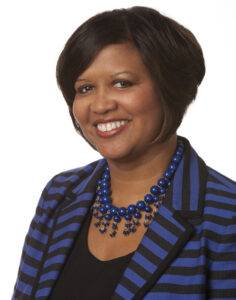 Dr. Tia Brown McNair is the Vice President in the Office of Diversity, Equity, and Student Success and Executive Director for the Truth, Racial Healing, and Transformation (TRHT) Campus Centers at the American Association of Colleges and Universities (AAC&U) in Washington, DC. She oversees both funded projects and AAC&U’s continuing programs on equity, inclusive excellence, high-impact practices, and student success. McNair directs AAC&U’s Summer Institutes on High-Impact Practices and Student Success, and TRHT Campus Centers and serves as the project director for several AAC&U initiatives, including the development of a TRHT-focused campus climate toolkit. She is the lead author of From Equity Talk to Equity Walk: Expanding Practitioner Knowledge for Racial Justice in Higher Education (January 2020) and Becoming a Student-Ready College: A New Culture of Leadership for Student Success (July 2016 and August 2022 Second edition).