
Frontier Nursing University embraces the richness of diversity during National Hispanic Heritage Month, a time to honor the contributions and influence of Hispanic Americans to the history, culture, and achievements for the U.S. This celebration aligns with our commitment to fostering an inclusive environment and our strong emphasis on Diversity, Equity and Inclusion (DEI). As we commemorate this occasion, we take a moment to shine a light on three exceptional Hispanic nurses whose enduring impact continues to inspire and uplift the field of healthcare.
Doña Jesusita Aragón (1908 – 2005)
Born on a ranch in Sapello, New Mexico, Doña Jesusita Aragón embarked on her journey into the world of midwifery at a remarkably young age, delivering her first baby at just 13 years old under the guidance of her grandmother, Dolores Gallegos, herself a midwife. Her lifelong passion for healthcare was nurtured by her family’s tradition of healing, with the family curandera imparting knowledge of traditional healing herbs.
Despite her dreams of becoming a nurse, Jesusita Aragón’s educational opportunities were limited, and she only completed eighth grade, all in Spanish. Nevertheless, she became a beacon of hope for countless mothers in her community, delivering over 12,000 babies during her impressive 80-year career. She provided her services to expectant mothers in her own home, which she designed and built herself, equipped with a room holding 10 beds for birthing. Among her remarkable deliveries were 27 sets of twins and two sets of triplets. Jesusita Aragon’s legacy remains an indelible part of New Mexico’s cultural and healthcare history, highlighting the pivotal role of midwives in providing essential maternity care to their communities.
Henrieta Villaescusa (1920 – 2005)
Henrieta Villaescusa was a trailblazing Hispanic nurse who was defined as being a “first” in so many important positions. Earning her Bachelor’s degree from Immaculate Heart College and her Master’s degree from UCLA, Villaescusa went on to become the only Hispanic Public Health Supervisor at the time of her employment at the Los Angeles Public Health Department. During her long and varied career, she served as the first Hispanic Health Administrator in the Department of Health, Education and Welfare, and the first Mexican American Chief Nurse Consultant in the Office of Maternal & Child Health, Bureau of Community Health Services, where she identified needs, trends, and priorities in nursing research and training. She also worked for California congressmen George Miller and Edward Roybal.
Villaescusa was a social justice advocate, developing health policies on the local, state, national, and international level. She also advocated for the role of nurses in health policies and partnerships. She was associated with many organizations, including the National Coalition of Hispanic Health and Human Services Organization and the National Association of Hispanic Nurses, where she served as president from 1984 to 1988. Villaescusa died in 2005, leaving behind a legacy of advocacy and innovation.
Hector Hugo Gonzales (1937 – Present)
Hector Hugo Gonzalez is a trailblazing figure in the field of nursing and healthcare education. His deep roots in South Texas, tracing back to Spanish settlers in the 18th century, instilled in him a profound sense of heritage and commitment to his community. Gonzalez’’s educational journey took him from the Robert B. Green Memorial Hospital School of Nursing in San Antonio to the halls of prestigious institutions such as Incarnate Word College and The Catholic University of America, where he earned his bachelor’s, master’s, and doctoral degrees. Notably, he became the first Mexican-American Registered Nurse to attain a Ph.D. in the United States, marking a significant milestone in his illustrious career.
Gonzalez’s impact extended far beyond his academic achievements. He served in the United States Army Nurse Corps, reaching the rank of Captain, and later became the Chairman of the Department of Nursing Education at San Antonio College, where he transformed nursing education programs, pioneering innovations that led to increased diversity in both students and faculty. His leadership also resonated on a national and international level, as he held prominent positions in organizations such as the National Association of Hispanic Nurses and the National League for Nursing. Gonzalez’s dedication to cultural competence in nursing care and his unwavering commitment to advocating for underserved populations left an indelible mark on the nursing profession. Even in his retirement, he has continued to contribute to the field, exemplifying a lifetime of service and dedication to improving healthcare access and education.
Learn more about advanced nursing degrees and specialties at Frontier Nursing University. Subscribe to our blog for the latest news and events at FNU and to get inspired with stories featuring our alumni, students, faculty and staff!
Sources:
https://golondrinas.org/wp-content/uploads/2020/08/Jesusita-Aragon.pdf
https://www.nahnnet.org
https://frontier.edu/news/womens-history-month-celebrating-healthcare-heroes/
https://www.hispanicheritagemonth.gov
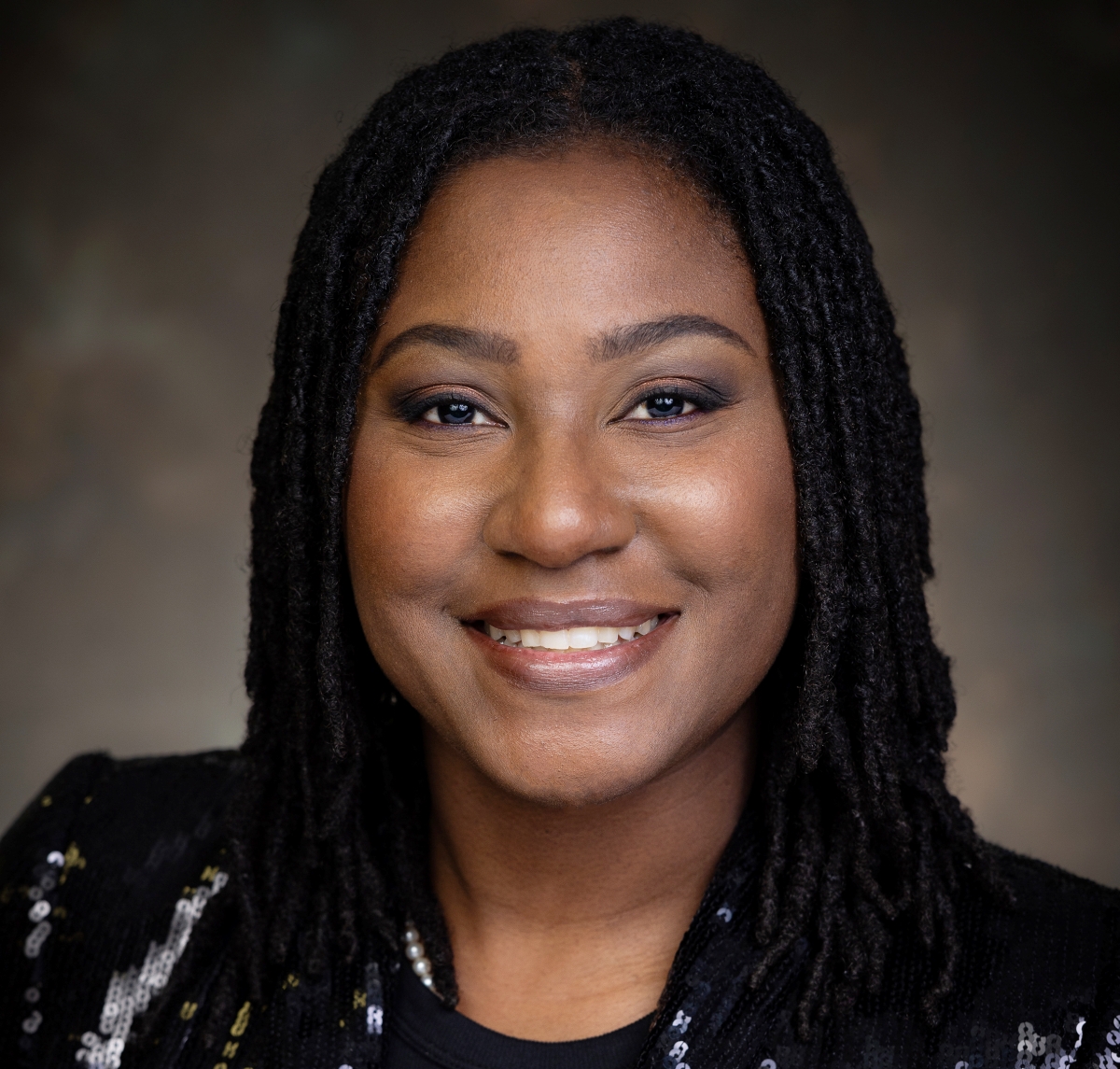


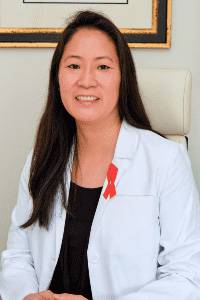 Carrie Belin is an experienced board-certified Family Nurse Practitioner and a graduate of the Johns Hopkins DNP program, Johns Hopkins Bloomberg School of Public Health, Georgetown University School of Nursing, and Johns Hopkins School of Nursing. She has also completed fellowships at Georgetown and the University of California Irvine.
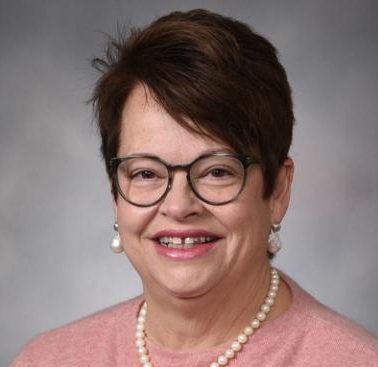
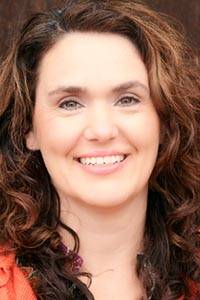 Angie has been a full-scope midwife since 2009. She has experience in various birth settings including home, hospital, and birth centers. She is committed to integrating the midwifery model of care in the US. She completed her master’s degree in nurse-midwifery at Frontier Nursing University (FNU) and her Doctorate at Johns Hopkins University. She currently serves as the midwifery clinical faculty at FNU. Angie is motivated by the desire to improve the quality of healthcare and has led quality improvement projects on skin-to-skin implementation, labor induction, and improving transfer of care practices between hospital and community midwives. In 2017, she created a short film on skin-to-skin called
 Justin C. Daily, BSN, RN, has ten years of experience in nursing. At the start of his nursing career, Justin worked as a floor nurse on the oncology floor at St. Francis. He then spent two years as the Director of Nursing in a small rural Kansas hospital before returning to St. Francis and the oncology unit. He has been in his current position as the Chemo Nurse Educator for the past four years. He earned an Associate in Nurse from Hutchinson Community College and a Bachelor of Science in Nursing from Bethel College.
 Brandy Jackson serves as the Director of Undergraduate Nursing Programs and Assistant Educator at Wichita State University and Co-Director of Access in Nursing. Brandy is a seasoned educator with over 15 years of experience. Before entering academia, Brandy served in Hospital-based leadership and Critical Care Staff nurse roles. Brandy is passionate about equity in nursing education with a focus on individuals with disabilities. Her current research interests include accommodations of nursing students with disabilities in clinical learning environments and breaking down barriers for historically unrepresented individuals to enter the nursing profession. Brandy is also actively engaged in Interprofessional Education development, creating IPE opportunities for faculty and students at Wichita State. Brandy is an active member of Wichita Women for Good and Soroptimist, with the goal to empower women and girls. Brandy is a TeamSTEPPS master trainer. She received the DASIY Award for Extraordinary Nursing Faculty in 2019 at Wichita State University.
  Dr. Sabrina Ali Jamal-Eddine is an Arab-disabled queer woman of color with a PhD in Nursing and an interdisciplinary certificate in Disability Ethics from the University of Illinois Chicago (UIC). Dr. Jamal-Eddine’s doctoral research explored spoken word poetry as a form of critical narrative pedagogy to educate nursing students about disability, ableism, and disability justice. Dr. Jamal-Eddine now serves as a Postdoctoral Research Associate in UIC’s Department of Disability and Human Development and serves on the Board of Directors of the National Organization of Nurses with Disabilities (NOND). During her doctoral program, Sabrina served as a Summer Fellow at a residential National Endowment of the Humanities (NEH) Summer Institute at Arizona State University (2023), a summer fellow at Andrew W. Mellon’s National Humanities Without Walls program at University of Michigan (2022), a Summer Research Fellow at UC Berkeley’s Othering & Belonging Institute (2021), and an Illinois Leadership Education in Neurodevelopmental and related Disabilities (LEND) trainee (2019-2020).
 Vanessa Cameron works for Vanderbilt University Medical Center in Nursing Education & Professional Development. She is also attending George Washington University and progressing towards a PhD in Nursing with an emphasis on ableism in nursing. After becoming disabled in April 2021, Vanessa’s worldview and perspective changed, and a recognition of the ableism present within healthcare and within the culture of nursing was apparent. She has been working since that time to provide educational foundations for nurses about disability and ableism, provide support for fellow disabled nursing colleagues, and advocate for the disabled community within healthcare settings to reduce disparities.
 Dr. Lucinda Canty is a certified nurse-midwife, Associate Professor of Nursing, and Director of the Seedworks Health Equity in Nursing Program at the University of Massachusetts Amherst. She earned a bachelor’s degree in nursing from Columbia University, a master’s degree from Yale University, specializing in nurse-midwifery, and a PhD from the University of Connecticut. Dr. Canty has provided reproductive health care for over 29 years. Her research interests include the prevention of maternal mortality and severe maternal morbidity, reducing racial and ethnic health disparities in reproductive health, promoting diversity in nursing, and eliminating racism in nursing and midwifery.
 Dr. Lisa Meeks is a distinguished scholar and leader whose unwavering commitment to inclusivity and excellence has significantly influenced the landscape of health professions education and accessibility. She is the founder and executive director of the DocsWithDisabilities Initiative and holds appointments as an Associate Professor in the Departments of Learning Health Sciences and Family Medicine at the University of Michigan.
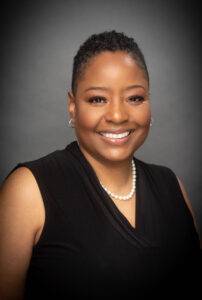 Dr. Nikia Grayson, DNP, MSN, MPH, MA, CNM, FNP-C, FACNM (she/her) is a trailblazing force in reproductive justice, blending her expertise as a public health activist, anthropologist, and family nurse-midwife to champion the rights and health of underserved communities. Graduating with distinction from Howard University, Nikia holds a bachelor’s degree in communications and a master’s degree in public health. Her academic journey also led her to the University of Memphis, where she earned a master’s in medical anthropology, and the University of Tennessee, where she achieved both a master’s in nursing and a doctorate in nursing practice. Complementing her extensive education, she completed a post-master’s certificate in midwifery at Frontier Nursing University.


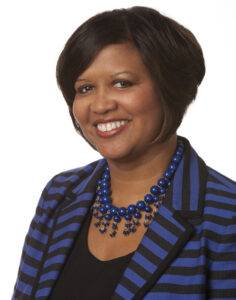 Dr. Tia Brown McNair is the Vice President in the Office of Diversity, Equity, and Student Success and Executive Director for the Truth, Racial Healing, and Transformation (TRHT) Campus Centers at the American Association of Colleges and Universities (AAC&U) in Washington, DC. She oversees both funded projects and AAC&U’s continuing programs on equity, inclusive excellence, high-impact practices, and student success. McNair directs AAC&U’s Summer Institutes on High-Impact Practices and Student Success, and TRHT Campus Centers and serves as the project director for several AAC&U initiatives, including the development of a TRHT-focused campus climate toolkit. She is the lead author of From Equity Talk to Equity Walk: Expanding Practitioner Knowledge for Racial Justice in Higher Education (January 2020) and Becoming a Student-Ready College: A New Culture of Leadership for Student Success (July 2016 and August 2022 Second edition).