

Blog

  • Alumni Spotlight: DNP Graduate Dr. Rhoda Ojwang Makes Worldwide Impact Through Non-Profit

    Alumni Spotlight: DNP Graduate Dr. Rhoda Ojwang Makes Worldwide Impact Through Non-Profit

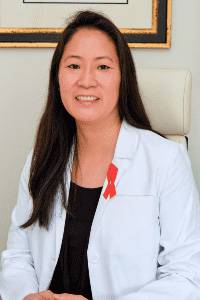
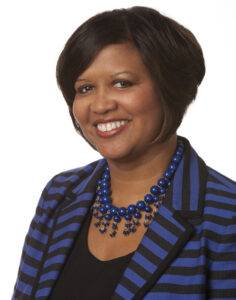
    Frontier Nursing University (FNU) alumna Dr. Rhoda A. Ojwang, DNP, FNP-C, Class 17, is leading an organization with an ambitious mission: “To make healthcare accessible among the underserved in Kenya, across Africa, and eventually globally.”

    Dr. Ojwang, who lives in San Diego, California, works with Advanced Pain Associates, an interventional pain management practice in Imperial Valley treating and managing acute and chronic pains. She also serves as the president and founder of Healthcare Access International Group (HAIG), a 501c3 non-profit organization incorporated in San Diego in 2018 dedicated to making healthcare accessible worldwide. HAIG’s mission is made possible through short-term medical mission trips to underserved areas. 

    “I decided to start HAIG because I am originally from Kenya,” Ojwang said. “Growing up I was privileged to be brought up in a family where I went to the best schools and received top quality health care services when I was ill. Throughout my nursing career here in the United States, I constantly thought of ways to give back to my own people, particularly those who were not as privileged as I was. I had a burning desire to make healthcare accessible to those in need. Lack of access to healthcare and the increasing rate of poverty is a growing global public health problem. Although the same is true for developed nations, the developing nations are in dire need of basic healthcare.” 

    HAIG strives to connect people with sustainable healthcare systems to help individuals manage their diseases and stay connected with their health care providers. Ojwang says that HAIG is focusing on Kenya currently, and plans to spread its wings into some other underserved areas of Africa, and other parts of the world in the very near future.

    Ojwang was inspired by her father, who is an ear, nose, and throat (ENT) specialist in Kenya. He also organizes free medical clinics to help the community’s underserved population. 

    “My passion for serving the underserved came to fruition in April 2016 when I joined a group of health care professionals that went to deliver free medical care to an underserved area in Kenya,” Ojwang said. “This was my first medical mission trip. During this trip, I experienced an epiphany as to how much need there was among this community in terms of access and affordability of basic healthcare.”

    Dr. Ojwang began her nursing career at Southwest Tennessee Community College, where she received her Associate Degree in Nursing (ADN) in 2007. She obtained her Bachelor of Science in Nursing (BSN) at Chamberlain College of Nursing in 2010 and a Masters in Nursing (MSN) as a Family Nurse Practitioner (FNP) at Azusa Pacific University in 2013. Soon thereafter, she enrolled at FNU, obtaining her Doctor of Nursing Practice

    “I am a proud FNU alumnus and Wide Neighborhood Ambassador. The DNP role prepares the graduate for the leadership role in the clinical setting, education, and the executive level. Pertaining to HAIG, I believe my leadership skills have been amplified with the attainment of the DNP degree.” 

    HAIG’s work is 100 percent dependent on donations. All financial donations received go towards the purchase of medications and supplies. Currently, HAIG has three board members and 12 organizing team members.

    “We are all volunteers who share the same vision in making healthcare accessible to the underserved areas. Running a non-profit organization is not an easy task. You have to ensure the people you are working with share the same vision as the organization does.” 

    In 2019, HAIG served the underprivileged community in Kitale, Kenya, during a five-day medical mission trip. Over 900 patients were served through free health screenings for cervical and breast cancer, diabetes, and hypertension, wound care, HIV testing and counseling, ENT, and vision screenings. Patients were referred for continuity of care, treatment initiation, medication management, and follow-up. This was made possible through a partnership with AMPATH Kenya, which is an academic medical partnership between North American Academic Health Centers led by Indiana University School of Medicine, and Moi University School of Medicine in Kenya. AMPATH’s mission is to make quality healthcare achievable and sustainable for all. The partnership between AMPATH and HAIG provides comprehensive and preventive care through a sustainable health system that reduces health disparities. HAIG’s 2020 medical mission trip that was scheduled for June 15-18 in Kisumu, Kenya was canceled due to the Covid-19 pandemic. “We are hopeful that 2021 will be a promising year to the people of Kisumu in need of HAIG’s medical services”

    “HAIG is also very supportive of students and would be willing to take a few FNU students on its upcoming medical mission trips (post-COVID-19) to experience treatment and management of tropical diseases among other cases rarely seen in the United States. HAIG would like to establish this long-lasting partnership with FNU. Student participation in HAIG’s medical mission trips would count towards their clinical hours as the HAIG team has medical professionals who would offer preceptor-ship and sign for hours.” 

    Ojwang said that one of the primary areas of focus for HAIG is preventative medicine. She noted that cervical cancer is the second most common cancer among women in low and middle- income countries, due to inadequate access to screening and treatment.

    “HAIG is at the forefront of increasing awareness about this killer disease through screening and vaccination. Global health focuses on improving people’s health worldwide, reducing inequalities, and protecting society from global threats such as preventable diseases that do not stop at the national borders.” 

    To learn more about HAIG, visit their website at www.haighealthcare.net

    At the heart of Frontier Nursing University is a talented and diverse community of students, alumni, faculty, staff, Couriers, and preceptors. Spotlight blogs feature members of our FNU community who are focused on the mission of educating nurse-midwives and nurse practitioners to deliver quality health care to underserved and rural populations.
  • Building the Future of the Healthcare System: The Value of Becoming a Preceptor Today

    Building the Future of the Healthcare System: The Value of Becoming a Preceptor Today

    Frontier Nursing University (FNU) is a community of students, educators, graduates and staff working together to expand access to quality, compassionate care in rural and underserved populations. To continue placing attentive, responsible advanced practice nurses into the field, we need partners who believe in our mission. With more than 2,400 nurse-midwife and nurse practitioner students from all 50 states, we are always in need of kind, intelligent, professional preceptors to lead our passionate students through their clinical experience. Will you be the one to answer the call?

    By volunteering time and services as a preceptor, qualified nurse-midwives and nurse practitioners can touch innumerable lives and make a vital difference in the future of nursing and midwifery. Preceptors serve as the graduate nursing student’s teacher, supervisor and evaluator during their clinical practicum, giving them incredible influence over what kind of nurse the student will become. 

    In recent months the world has seen an increased need and appreciation for those in the nursing profession. More than ever, it is imperative that our country has educated, quality healthcare workers. When a certified nurse-midwife or nurse practitioner steps up to become a preceptor, they choose to meet the needs of communities across the country by bringing energetic new nurses to the field during these unprecedented times. 


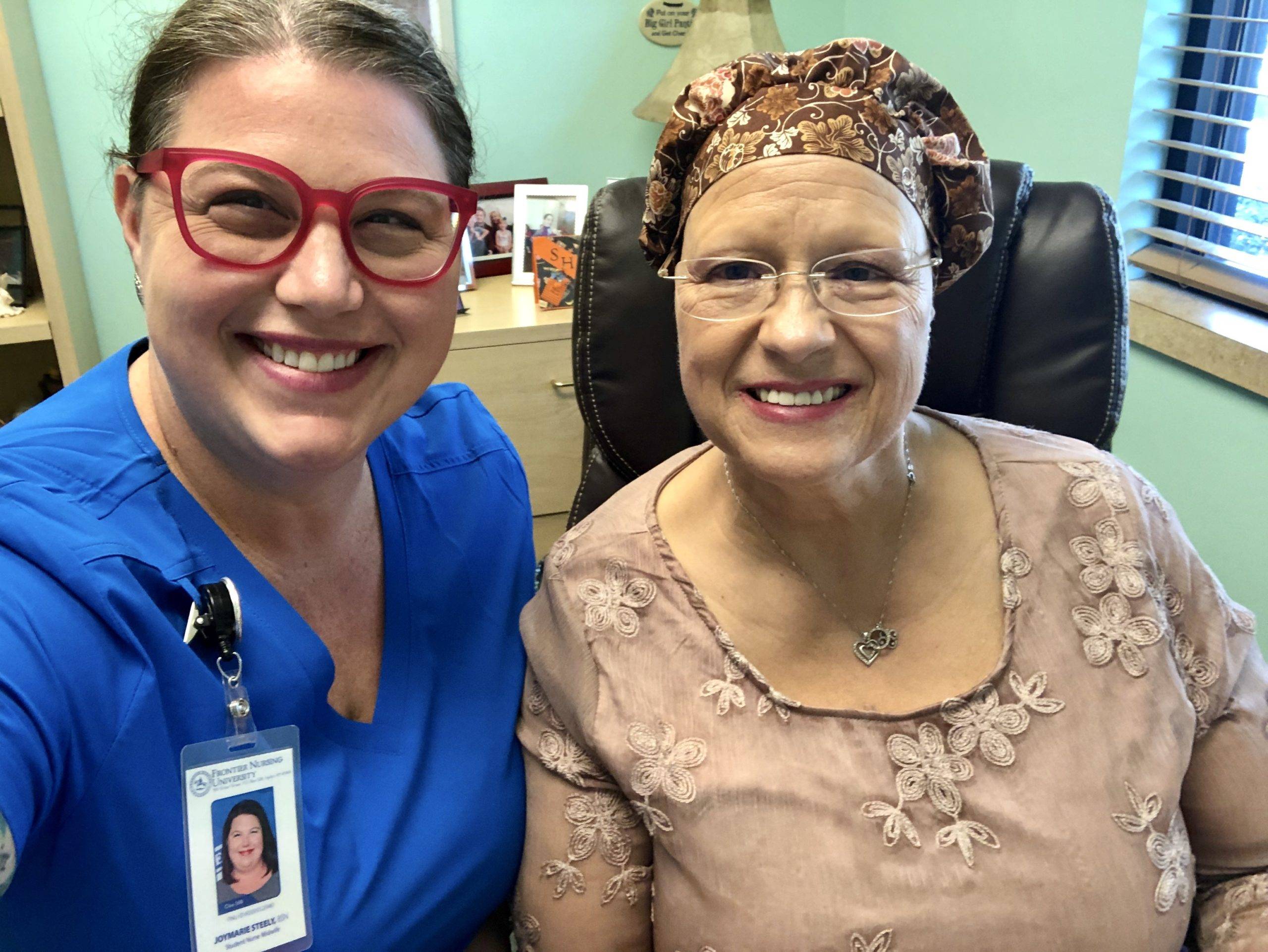
    “My preceptor is very valuable to me,” said Stephanie Allotey, MSN, CNM, DNP, Class 31. “You can feel and know that they want you here and want you to become the best nurse-midwife.”

    Nephthalie Hypolite, CNM, was inspired to become a preceptor because of her experience being “challenged and pushed” to become the midwife she is today. 

    “I would encourage anyone who is considering being a preceptor to go for it. You have nothing to lose, and you have everything to gain,” said Hypolite. “The friendships that you build with the new generation of midwives, the fact that you learn along with your students, and that you’re giving back to the midwifery community is just invaluable.” 

    She had many more great things to say in her video for our “Becoming a Preceptor” series.

    [arve url=”https://youtu.be/YXs77a7Q4Uc” /]


    Our faculty and staff are aware that choosing to become a preceptor is a big decision, and we are eager to support our preceptors throughout that journey. FNU’s clinical services coordinator will work with preceptors to help them utilize the online preceptor profile portal, provide information regarding FNU’s Master and Expert Preceptor programs, and answer questions regarding preceptor honorariums. In addition, Regional Clinical Faculty (RCF) are available to support the preceptor by providing guidance in student clinical issues. 

    In addition to providing faculty support to our preceptors, FNU also makes sure to reward those willing to help create dedicated nurses through various benefit programs. All preceptors at FNU gain access to free Continuing Education Units (CEUs) on essential topics like pharmacology and online training courses like, “The Gift of Precepting” and “The Master Preceptor,” which our faculty designed to help our preceptors have the best experience possible. Additionally, preceptors will earn a 10 percent discount on all non-matriculating courses at FNU, obtain documentation of their precepting hours for recertification purposes, and receive an honorarium based on the percentage of time spent precepting students.

    According to Audra Cave, DNP, FNP-BC, preceptor in Spindale, NC, precepting presents an excellent opportunity to give back to the community of family nurse practitioners (FNPs).

    “I want to help the next generation of FNP providers as I had help along the way too,” said Cave. “I also learn from students. Precepting keeps me on my toes.”


    FNU is a school founded on making a difference in our world through honest, compassionate nursing and midwifery care. We believe we further that mission when we onboard excellent preceptors to help us bring confident, new nurse-midwives and nurse practitioners into the field. Our preceptor program is centered around providing a productive and beneficial program for both student and preceptor, and our testimonials show just how impactful this program can be.

    If supporting a future generation of nurse-midwives as a preceptor sounds like an excellent fit for you, please fill out our preceptor inquiry form. An FNU representative will follow up with you on the next steps for taking on this inspiring role. You can also learn more about precepting in our “Becoming a Preceptor” video series on YouTube.

    For additional information, email our Department of Clinical Outreach and Placement at ClinicalAdvising@frontier.edu. 

  • Graduate Nursing School: How Does FNU Focus on Diversity?

    Graduate Nursing School: How Does FNU Focus on Diversity?

    The recent events in our country have provided a glaring reminder that, unfortunately, not all people in our nation are provided with the rights, justice, and dignity they deserve. As President Dr. Susan Stone said in her recent statement to the Frontier Nursing University (FNU) community:

    “Deep racial, ethnic, and socioeconomic inequities exist in our country. The killings of George Floyd, Breonna Taylor, David McAtee, and so many others across this country at the hands of those who are supposed to protect us are indicators that we have a very long way to go in our efforts to eradicate systemic racism.”

    Systemic racism has an impact on every person, institution, and industry in our nation. For years, the FNU community has been passionate about fighting systemic racism within the healthcare system, and that passion continues to grow in light of our current climate. We understand that where diversity is lacking among healthcare professionals, patients suffer. 

    FNU is dedicated to helping diversify the nursing and nurse-midwifery workforce in primary care. Our distance education model places its focus on preparing a diverse workforce of competent, entrepreneurial, ethical, and compassionate healthcare leaders that provide culturally-concordant care, helping improve health outcomes for women and families, especially in rural and underserved populations.

    Here are a few ways FNU prioritizes diversity:

    Office of Diversity, Equity, and Inclusion 

    FNU has been committed to expanding diversity representation in faculty, staff, and students since 2006. In 2017, FNU added a Chief Diversity and Inclusion Officer (CDIO) position, which is a member of the President’s Cabinet. Dr. Maria Valentin-Welch was FNU’s first CDIO and, behind her leadership, the Office of Diversity, Equity, and Inclusion (DEI) has now grown to include the CDIO (Geraldine Young), Diversity and Inclusion Coordinator (Chris Turley) and Assistant Director of Diversity and Inclusion (Devon Peterika). 

    The goal of FNU’s Office of DEI is to ensure students, faculty, and staff are provided with an environment that promotes diversity, equity, and inclusion, and encourages the success of all community members. The Office of DEI encompasses an atmosphere built on a culture of caring and solicits the equitable perspectives of students, faculty, and staff regardless of race, gender, sexual preference or identity, disability, and/or religion.

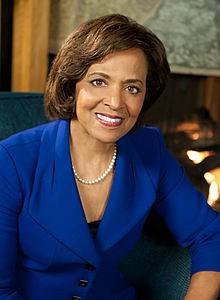
    In early 2020, Dr. Geraldine Young became the newest CDIO. Dr. Young has a rich history serving rural Mississippi through a wide variety of health, inclusion, and social mobility projects. In a recent interview, Dr. Young shared her enthusiasm over having the opportunity to “expand the impact of diversity, equity and inclusion efforts at FNU to improve the health outcomes of diverse patient populations in underserved and rural areas in the U.S.” 

    Diversity Impact Program

    One of the top ways that FNU makes diversity, equity, and inclusion a priority is through our Diversity Impact Program. The Diversity Impact Program was created in 2010 to promote an inclusive learning and workforce environment within our University with the goal of recruiting and retaining more underrepresented students and employees. Expanding the pool of nurse-midwives and nurse practitioners to include more underrepresented groups helps to strengthen our University and the healthcare world as a whole. We have been thrilled to see FNU’s enrollment of students of color rise from 9 percent to 24 percent since the introduction of the program, and we are excited to see that number continue to grow.

    The Diversity Impact Program offers many ways for students to find their voice including scholarship opportunities, a quarterly speaking series with discussions focused on cultural awareness and inclusion, access to our multicultural center, opportunities to represent FNU at national conferences and events, and opportunities to participate in workgroups, committees and a closed Diversity Impact social media group. 

    Diversity Impact Conference

    FNU loves celebrating our differences throughout the year with a variety of events and activities, especially the annual Diversity Impact Conference. This year, we hosted the 10th Annual Diversity Impact Conference with the theme, “Year of the Nurse and Midwife 2020: Increasing Diversity, Equity, and Inclusion.” The theme follows the lead of the World Health Organization (WHO) which designated 2020 as the Year of the Nurse and the Midwife. At FNU, we believe that in order to provide the best quality nursing and midwifery care to all people, cultural respect and inclusion are essential. Unlike our previous conferences, this year’s event was fully virtual due to the current COVID-9 Pandemic, but we were pleased to see high engagement and great feedback! 

    In 2019, the in-person conference was packed with activities and workshops on a variety of topics including positive marginality, indigenous/Native American nurse-midwives, and the LGBTQ community. Our central goals of the conference are for students to leave feeling more comfortable sharing their own beliefs and experiences while also learning how to create meaningful connections across all backgrounds and communities.

    Diversity Impact Quarterly Speaking Series

    In addition to the Diversity Impact Conference, FNU holds a quarterly speaking series, encouraging our students and employees to become global thinkers and healthcare leaders within their communities. The series includes discussions on cultural awareness and inclusion to enhance each student’s experience to better serve diverse populations with confidence and ease. The series offers a unique aspect of shared perspectives that promote cross-cultural learning among students and their peers, along with the overall pursuit of academic success as a student-learner.

    National Diversity Conferences and Events

    Each year, FNU’s Office of DEI – Diversity Impact Program represents the University at nursing events around the U.S. FNU highlights the diversity program at several professional conferences through presentations, networking, exhibits, and recruitment of underrepresented students and employees. Students are given the opportunity to attend conferences as Student Ambassadors. With the availability of the Professional Organization Mentoring Program (POMP), the Office of DEI also provides mentoring services for underrepresented students at professional conferences. In 2020, many conference and event participation opportunities have been offered virtually instead of in person. These activities are intended to bring awareness to the need for diversity, equity, and inclusion in nursing.

    Diversity and Inclusion Committee

    At FNU, our students have the opportunity to join the Diversity and Inclusion Committee. This committee consists of faculty, staff, and students that are passionate about developing, promoting, and providing programs and resources to enhance diversity, equity and inclusion throughout the University and healthcare workforce.

    FNU was honored to receive the prestigious INSIGHT Into Diversity Health Professions Higher Education Excellence in Diversity (HEED) award in both 2018 and 2019. Although we are proud to be recognized for diversity, equity and inclusion efforts, we know that to truly champion diversity and improve health outcomes for as many women and families as possible, we must continue to push the envelope when it comes to inclusion awareness. 

    If you are interested in learning more about the efforts FNU is making to celebrate diversity, please visit our Diversity, Equity, and Inclusion in Nursing and Midwifery page.  Additionally, if you want to be a part of a university with a passion to include and support those of all backgrounds, please visit the FNU admissions page. We would love to have you in our community!

    “We oppose injustice and cruelty and condemn racism in all its forms. We support peaceful protests and demonstrations and join all those working to end systemic racism, racial violence, and police brutality. We are committed to building a culture that is inclusive and caring for all.” – Dr. Susan Stone 

    Read FNU’s full Antiracism Statement here.


    More Topics Related to Graduate Nursing School:

    Why Should I Become a Nurse-Midwife?

    Should I Consider a DNP?

    What Degrees Does FNU Offer?

  • FNU’s Dean of Nursing Joan Slager Selected as a 2020 American Academy of Nursing Fellow

    FNU’s Dean of Nursing Joan Slager Selected as a 2020 American Academy of Nursing Fellow

    Frontier Nursing University (FNU) is proud to announce that Dean of Nursing, Dr. Joan Slager has been selected as one of the American Academy of Nursing’s 2020 class of new fellows.

    Dr. Slager was a member of FNU’s first CNEP graduate class in 1991 and proceeded to complete her Master of Science in Nursing in 1993. Early on in her career, Dr. Slager helped to establish Bronson Women’s Service in Kalamazoo, Mich., which is now the state’s largest midwifery service.  Dr. Slager has spent over 20 years practicing as a full-scope midwife and has served as a preceptor for over 100 FNU students; she officially became the school’s Dean of Nursing in the fall of 2018.

    The American Academy of Nursing is composed of over 2,700 Fellows who serve the public and the nursing profession by driving necessary reforms in the American health system. The Academy accomplishes this goal by advancing health policy, practice, and science through strong leadership and organizational integrity. This October, the Academy will be inducting 230 new Fellows into their community, including Dr. Slager. The 2020 class of Fellows will represent 39 states, the District of Columbia, the U.S. territory of Guam, and 13 countries.

    Each year, a committee of appointed Fellows combs through hundreds of applications and selects new Fellows based on their significant contributions to the public health community. Academy Fellows represent the nursing community’s best and brightest featuring remarkable leaders in current roles as deans, university presidents, hospital chief executives, and researchers. More than 90 percent of Fellows hold doctoral degrees, and all Fellows have completed masters programs.

    This year, the Academy is excited to host its first virtual induction ceremony during the last weekend of October when they will honor the 2020 class of Fellows for their vital role in the health care community. The ceremony will take place on Saturday, Oct. 31 during the Academy’s annual Transforming Health, Driving Policy Conference. This year’s conference theme is “In Crisis and Calm: Leading with a Purpose” and will feature keynote speakers, break out sessions, and interactive panel sessions, among other exciting opportunities to strengthen the nursing community.

    With the virtual format, this year’s induction ceremony can be viewed by friends, family, and colleagues who may not have attended the traditional event. Additionally, this year’s induction will include personalized video vignettes honoring each inductee as a unique way to celebrate each individual’s exceptional accomplishments during the International Year of the Nurse and the Midwife.

    To find out more about the Transforming Health, Driving Policy Conference, visit the Academy’s conference website or register here.

    Congratulations again to Dr. Slager and all of the other professionals being inducted into the 2020 class of American Academy of Nursing Fellows!

  • Principal Deputy Assistant Secretary for Health Sylvia Trent-Adams to Speak at FNU’s Virtual Commencement Ceremony

    Principal Deputy Assistant Secretary for Health Sylvia Trent-Adams to Speak at FNU’s Virtual Commencement Ceremony

    Principal Deputy Assistant Secretary for Health Rear Admiral (RADM) Sylvia Trent-Adams, PhD, RN, FAAN, will be the keynote speaker at Frontier Nursing University’s (FNU) virtual commencement ceremony on Saturday, September 26. 

    RADM Trent-Adams served as the Principal Deputy Assistant Secretary for Health from January 2019 until August 2020. In this position she shared responsibility with the Assistant Secretary for Health for planning, coordinating, and directing substantive program matters; policy and program development; and determining and setting legislative and program priorities covering the full range of public health activities within the Office of the Assistant Secretary for Health.

    She served as the Acting Surgeon General from April 2017 through September 2017, Deputy Surgeon General from October 2015 through December 2018, and as Chief Nurse Officer of the USPHS from 2013 through 2016. 

    RADM Trent-Adams has held various positions in the United States Department of Health & Human Services, working to improve access to care for poor and underserved communities. As a clinician and administrator, she has had a direct impact on building systems of care to improve public health for marginalized populations domestically and internationally. 

    Prior to joining the USPHS, RADM Trent-Adams was a nurse officer in the U.S. Army. RADM Trent-Adams received her Bachelor of Science in Nursing from Hampton University, a Master of Science in Nursing and Health Policy from the University of Maryland, Baltimore, and a Doctor of Philosophy from the University of Maryland, Baltimore County. She became a Fellow in the American Academy of Nursing in 2014. She recently was elected as a member of the National Academy of Medicine’s Class of 2018.

    “It is an incredible honor to be able to announce Rear Admiral Sylvia Trent-Adams as our keynote speaker at this year’s virtual commencement ceremony,” FNU President Dr. Susan Stone said, noting that RADM Trent-Adams previously served as a guest presenter at FNU’s 2018 National Nurse Practitioner Week Virtual Event. “Her distinguished career in public health and her extensive knowledge about healthcare gaps within marginalized populations mesh with the mission of Frontier Nursing University. Her message will be powerful and impactful for our graduates.”

    FNU’s commencement ceremony honors the nurse-midwives and nurse practitioners who have completed the Doctor of Nursing Practice degree, Master in Science of Nursing degree, or Post-Graduate Certificate. This year, for the first time, commencement will be conducted virtually due to the COVID-19 Pandemic. The ceremony will begin at 1 p.m. on Saturday, September 26, 2020. 

  • Dr. Maria Small Joins Frontier Nursing University Board of Directors

    Dr. Maria Small Joins Frontier Nursing University Board of Directors

    Frontier Nursing University (FNU) is excited to announce that Dr. Maria J. Small, MD, MPH, was unanimously approved as the newest member of FNU’s Board of Directors during the Board’s meeting on July 22. Dr. Small is a maternal-fetal medicine specialist within the field of obstetrics and gynecology at Duke University Medical Center.

    “I am honored to join the Frontier Nursing University Board of Directors,” Dr. Small said. “I have long been impressed by FNU’s history of educating nurses and midwives. FNU’s work is more important than ever. I look forward to collaborating with the other members of the Board of Directors and FNU leadership to build upon FNU’s nationwide impact.”

    Born in Durham, N.C., Dr. Small earned her bachelor’s degree from Brown University, then completed medical school at East Carolina University’s Brody School of Medicine. She completed an internal medicine residency at Yale University’s New Haven Medical Center and an OB-GYN residency at Temple University Hospital. She went on to perform a fellowship in maternal-fetal medicine at Yale University and has a master’s degree in public health from Yale. 

    Dr. Small, who joined Duke University Medical School in 2007, is currently an Associate Professor of Obstetrics and Gynecology. Prior to returning to Durham, Dr. Small served in a variety of instructional positions, including assistant professor in the Department of Obstetrics and Gynecology at Yale University’s School of Medicine and adjunct faculty and associate head of the Departments of Obstetrics and Gynecology at the University of Rwanda.

    In addition to her professorial endeavors, Dr. Small also sees patients at Duke Birthing Center in Durham, N.C. She is board certified by both the American Board of Obstetrics/Gynecology, Maternal & Fetal Medicine, and the American Board of Obstetrics/Gynecology, Obstetrics & Gynecology. Dr. Small, who speaks Portuguese and Spanish in addition to English, has a special interest in high-risk maternal medical conditions such as hypertension, diabetes, and preeclampsia.

    “We are extremely excited to welcome Dr. Small to our Board of Directors,” said FNU President Dr. Susan Stone, DNSc, CNM, FACNM, FAAN. “Her extensive knowledge and experience in both education and maternal health is an ideal combination and she promises to have a significant impact on the future of FNU. We are honored that Dr. Small accepted our invitation to join the Board of Directors and are excited to begin working with her.”

    As part of Frontier Nursing University’s Board of Directors, Dr. Small will help guide the university’s direction and decision making during a critical period as the university prepares to transition to its new campus in Versailles, Kentucky. All on-campus student activities are postponed until at least January 1, 2021, due to the COVID-19 Pandemic. The university, which has just begun work on its recently approved 2020-22 strategic plan, continues to place priority focus on both new and ongoing diversity, equity, and inclusion initiatives. Those initiatives focus on creating an equitable, welcoming environment that will enable the university to continue to become more diverse in all areas, including students, faculty, staff, and the Board of Directors. 

  • COVID-19 Front Lines: Sunoz “Sunny” Soroosh Answers the Call at Makeshift Hospital in New York City

    COVID-19 Front Lines: Sunoz “Sunny” Soroosh Answers the Call at Makeshift Hospital in New York City

    The Frontier community is proud to have students and alumni serving on the frontlines of the COVID-19 pandemic. We are committed to sharing their stories in order to provide insight, hope, and encouragement. Thank you to all the health care workers who are risking their own well-being daily to serve our nation. Click here to read more stories of courage and dedication.

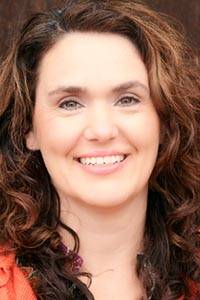
    The past several months have been rife with troubling news as we have seen a global pandemic change our daily lives. Meanwhile, our modern-day heroes of the healthcare system like Frontier Nursing University (FNU) student Sunoz “Sunny” Soroosh have continued to adapt and serve without hesitation.

    Soroosh is a student of FNU’s Nurse-Midwifery (CNEP) program. She had expected to graduate in the Fall of 2020, after also completing her Women’s Health Care Nurse Practitioner (WHNP) Certificate. Soroosh was only 14 births away from graduating in mid-March when the pandemic brought her student clinicals to a screeching halt. After finding out clinicals would be postponed, she switched her part-time RN job at Planned Parenthood to full-time but was laid off two weeks later, like many others forced out of work in the wake of the pandemic. While disappointed, it didn’t stop her from looking for an opportunity to serve. Soroosh has been a resident of New York City for 10 years, so she naturally felt called to help those in her community.

    I never expected to find myself jobless and in the middle of one of the worst-hit areas by a pandemic, but I quickly adapted and found a way to help,” she said. “I was afraid at the beginning, but I tried to be brave and think of those who came before me — my mentors and role models at Frontier.”

    Soroosh took a position at the Javits Center Medical Station in April, working alongside the U.S. Military. Javits Center, which is a large convention center known for hosting the New York City ComicCon and other events, was converted into a makeshift hospital for about a month when the surge hit. 

    At the epicenter of the pandemic, Soroosh worked alongside other nurses providing direct bedside care and helping patients wean off of oxygen so they could return home. Meanwhile, like many healthcare workers, she had to make personal sacrifices and isolated herself for the sake of her loved ones.

    “I lived alone in a hotel to prevent my loved ones from getting sick and used a rental car to avoid public transportation and risking exposure to others,” she said. 

    While working in close proximity to the virus, Soroosh witnessed the inadequacies of the U.S. healthcare system, especially the lack of resources and qualified staff available in minority communities.

    “We were not prepared for this pandemic,” she said. “I found this to be especially true in public hospitals in poor inner-city neighborhoods. Many deaths were preventable.” 

    Despite the frustrations, she says she also witnessed positive changes for maternity and family care. New York Governor Andrew Cuomo eased out-of-hospital birthing restrictions to give women more options during the pandemic. This led to the creation of Jazz Birth Center, a midwife-led birthing center for low-risk pregnancies, where Soroosh works as a birth assistant. Soroosh has seen its positive impact on the women of NYC throughout her time working there. 

    In addition to her work at Jazz Birth Center, Soroosh is also working as an RN at a public COVID-19 testing site run by the city, as well as finishing her clinical hours at North Central Bronx Hospital.

    Thank you, Sunny, for being brave and answering the call in New York City. Your Frontier community is very proud of you. 

  • Getting to Know the New President of the American College of Nurse-Midwives, Dr. Catherine Collins-Fulea

    Getting to Know the New President of the American College of Nurse-Midwives, Dr. Catherine Collins-Fulea

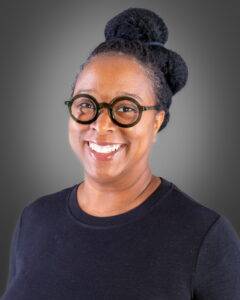
    Last month, Frontier Nursing University (FNU) proudly announced that Dr. Catherine Collins-Fulea, DNP, CNM, FACNM, Assistant Professor at FNU, had been inducted as the new president of the American College of Nurse-Midwives (ACNM). She succeeds FNU President Dr. Susan Stone, DNSc, CNM, FACNM, FAAN, as ACNM’s president. ACNM is the professional association that represents certified nurse-midwives (CNMs) and certified midwives (CMs) in the United States.

    Dr. Collins-Fulea has been an active member of ACNM for all of her career. During her time with ACNM, she has chaired multiple committees, developed and implemented the organization’s benchmark system, and served two terms as vice president. Additionally, in 2003, the ACNM Foundation presented her with the prestigious Dorthea Lang Pioneer Award in recognition of her vital contributions to the group. 

    In 2018, Dr. Collins-Fulea obtained her Doctor of Nursing Practice from FNU and joined FNU as an assistant professor in January 2019. 

    This week we had the honor of sitting down with Dr. Collins-Fulea to learn a little more about her journey to her position as ACNM President, her passion for nurse-midwifery, and what goals she has for the future of ACNM and the midwifery community as a whole.

    Where did your passion for nurse-midwifery begin?

    I grew up in Canada but ended up attending nursing school in Oxford, England after hearing about the program through one of my father’s friends. Truthfully, getting involved with nurse-midwifery was a complete accident; I needed another elective in order to practice in Canada or America and I chose nurse-midwifery with no idea of the impact it would have on the rest of my life.

    In England, I had been socialized to believe that everyone is delivered by a nurse-midwife. There were no power struggles with the doctors…that’s just how it was done. When I got my first nursing job in Detroit, I saw an American culture where giving women a spinal or telling them to cross their legs to postpone birth while waiting for a private doctor to conduct the delivery was common. I hated that model, and I only lasted six months before realizing that what I really wanted to do was practice and promote nurse-midwifery in the United States.

    So although I wasn’t called to nurse-midwifery in the same way that many of my colleagues were, I am extremely passionate about the practice. I had been educated in a culture that collectively agreed upon the value of nurse-midwifery and when I came here and saw the hurdles American nurse-midwives were facing, I knew I needed to make a difference. 

    What has been your career path so far and how has it led you to your current role as faculty at FNU?

    After I completed the mandatory refresher course in nurse-midwifery that was a prerequisite to sitting for the American boards, I became the fourth practicing nurse-midwife in the state of Michigan in 1981. I then opened an in-hospital birth center at Grace Hospital in Detroit. I was able to grow that practice to three nurse-midwives, but the hospital wasn’t willing to commit to any further expansion so I began to look elsewhere. 

    In 1991, I teamed up with the Henry Ford Health System (HFHS) to open a practice with six other nurse-midwives. The HFHS stood firmly with us through some initial opposition as we worked to create a cohesive culture between doctors and nurse-midwives. During my 27 years with the HFHS, it grew from seven to 22 midwives who served a network of two hospitals and eight different outpatient clinics. As we extended the reach of midwives in the area, we also worked to educate the healthcare community on the importance of our work. We taught nurse-midwifery students as well as OB-GYN residents, and we quickly saw the benefits of training side-by-side. The OB-GYN students learned to respect nurse-midwifery, became educated on our model of care, and almost all of them would go on to work with or hire nurse-midwives in the future.

    December 27, 2018, I delivered my last baby before joining FNU. I had first heard about FNU in 1991 when I became a preceptor for someone from the school’s first nurse-midwifery distance education class. I have since worked with many FNU students and graduates and was confident that FNU would be a great fit for me. I graduated from FNU in December of 2018 and joined the faculty of FNU’s doctorate program in January of 2019. The flexible hours of teaching work perfectly with my new role as ACNM president. I love mentoring the DNP students through their quality improvement initiatives and I am so grateful that I am able to both teach and lead ACNM. 

    What are you most excited about with your new role as ACNM president?

    I am most excited about working toward being an inclusive organization and continuing to work toward an environment of belonging where everyone is welcome and feels a responsibility to the greater midwifery community. We have a lot of great minds conducting research on maternal mortality and morbidity, the ability to practice, barriers to practice and so much more. I believe the next step is uniting every midwife in the United States to feel that vital sense of belonging and acceptance, so that is where I would really like to focus. 

    Now more than ever, we need to focus our efforts on listening to midwives who have experienced racism within midwifery education, within their personal lives, and even within ACNM. I am committed to turning any exclusive agenda around and making sure that everyone feels that they have a place in our community. It won’t be easy, and it won’t happen overnight, but one way or another, my biggest goal is to set us on the path forward to equality within our organization and the greater nurse-midwifery community.  

    What are the biggest challenges that you will face in your new role as ACNM president?

    I think the biggest hurdle is going to be convincing each individual nurse-midwife how important it is that everyone feels valued and accepted. No matter how big our goals are, if we don’t have that basic foundation, we simply won’t be as effective as we could be. When we all work together with a sense of belonging and purpose, more people are going to want to get involved and be willing to donate precious time and energy towards our goals.

    This goes hand in hand with the second obstacle of convincing those who aren’t members of ACMN to join us. The more members we have, the stronger our voice can be. In the 70s and 80s, ACNM had a lot more people willing to get involved because if we didn’t stand up and volunteer for the nurse-midwifery community, we weren’t going to be able to practice. I think we have grown more comfortable in recent years. There are not as many barriers to practice now, but it is always important to the future of nurse-midwifery that we organize together. We need people to volunteer; if they don’t have the time to volunteer, we also appreciate financial support. When we are able to work together using the expertise that everyone brings to the table, we will truly thrive. 

    What is a fun fact about you?

    I have a motorcycle license. My husband bought a Harley Davidson and I decided if he could do it, I could do it. I took lessons and I bought myself a little Suzuki. 

    Thank you for answering the call to service, Dr. Collins-Fulea! The Frontier community is excited to be under your leadership and see how you will continue to positively impact the world of nurse-midwifery in this new role. Interested in learning more about Dr. Collins-Fulea? Go here to read about her induction. 


    What is a Certified Nurse-Midwife (CNM)? 

    Certified Nurse-Midwives (CNMs) are educated in two disciplines: midwifery and nursing. They earn graduate degrees, complete a midwifery education program accredited by the Accreditation Commission for Midwifery Education (ACME), and pass a national certification examination administered by the American Midwifery Certification Board (AMCB) to receive the professional designation of CNM. Certified Midwives (CMs) are educated in the discipline of midwifery. They earn graduate degrees, meet health and science education requirements, complete a midwifery education program accredited by ACME, and pass the same national certification examination as CNMs to receive the professional designation of CM.

Request Information Apply Give Now